
How to Choose the Best Rescue Drone for Your Needs?
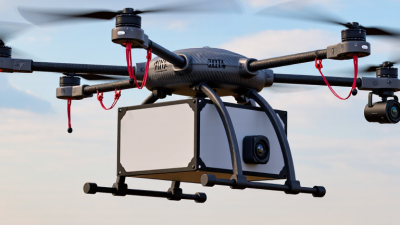
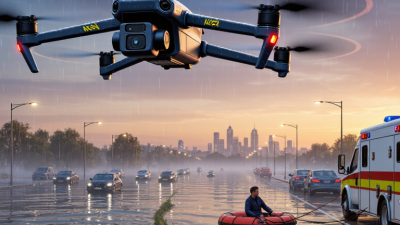
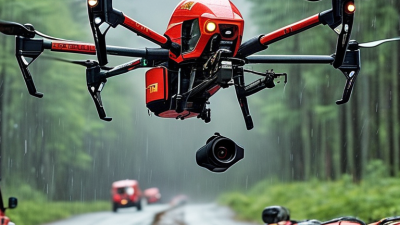
Picking out the right rescue drone really starts with understanding the mission, not just focusing on the camera. Search teams might be working over dense forests, along coastlines, up in the mountains, or in busy urban areas—all of these locations have their own unique requirements. For example, a small, lightweight drone can be launched quickly from a vehicle and is perfect for rapid deployment, while a larger one might carry thermal cameras, loudspeakers, or even emergency supplies. Of course, bigger often means heavier, which can mean more training and maintenance. It’s not always a straightforward choice.
Patrick Meier, who’s a big name in humanitarian tech and author of Digital Humanitarians, gives a pretty good warning: “Drones are not a silver bullet.” That’s his way of keeping everyone grounded—drones are awesome but aren’t a magic fix. They’re meant to support trained responders, not replace human judgment, ground teams, medical care, or solid communication lines. The term Sar Drone=Search And Rescue Drone sounds pretty simple, but, trust me, choosing the right equipment isn’t.
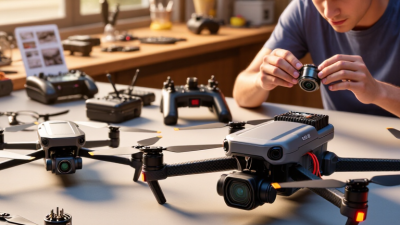
This guide walks through a bunch of key factors—flight time, thermal sensors, obstacle avoidance, how well they work at night, portability, and keeping data secure. We’ll also look at support software, spare batteries, what kind of training pilots need, and how reliable the manufacturer is—think DJI Enterprise, Skydio, Autel Robotics, and similar brands. Let’s be real—rescue missions are rarely perfect. Winds can pick up unexpectedly. Batteries get old. Signals can get weaker behind walls or over ridges. No matter what the specs say, there are always problems you can’t predict. So, it’s super important for anyone thinking about a drone to actually test it out in real-world scenarios before pulling out the wallet. Take note of how long it takes to launch, how clear the images are, how easy the controller is to use, and how well it recovers after a flight. Sure, cheaper drones might look tempting, but hidden costs for training and maintenance can bump up the real expenses. The best rescue drone isn’t necessarily the latest or most high-tech model. Instead, it’s the one that’s safest, most reliable, and fits the specific terrain and response needs of the team."
Read more »