
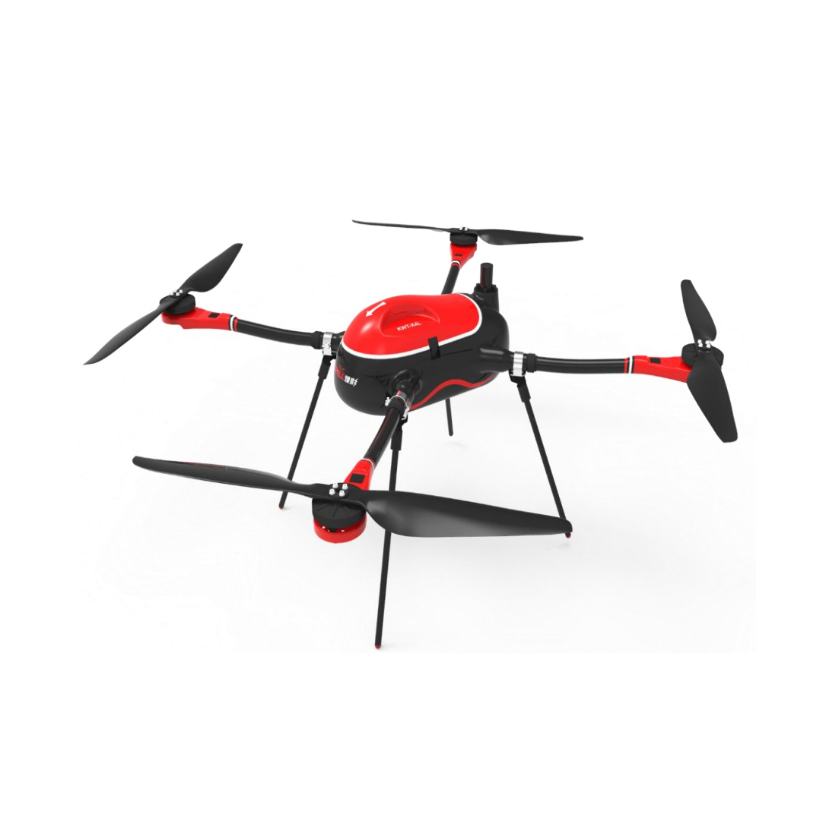
Tethered Emergency Lighting Drone-STD10
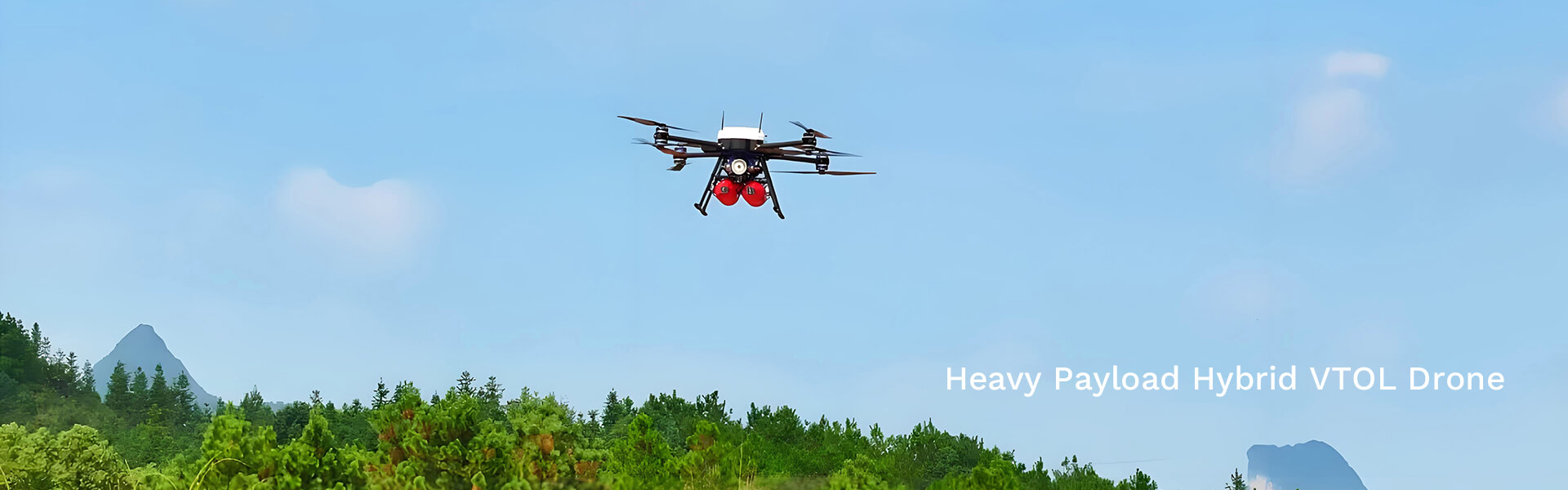
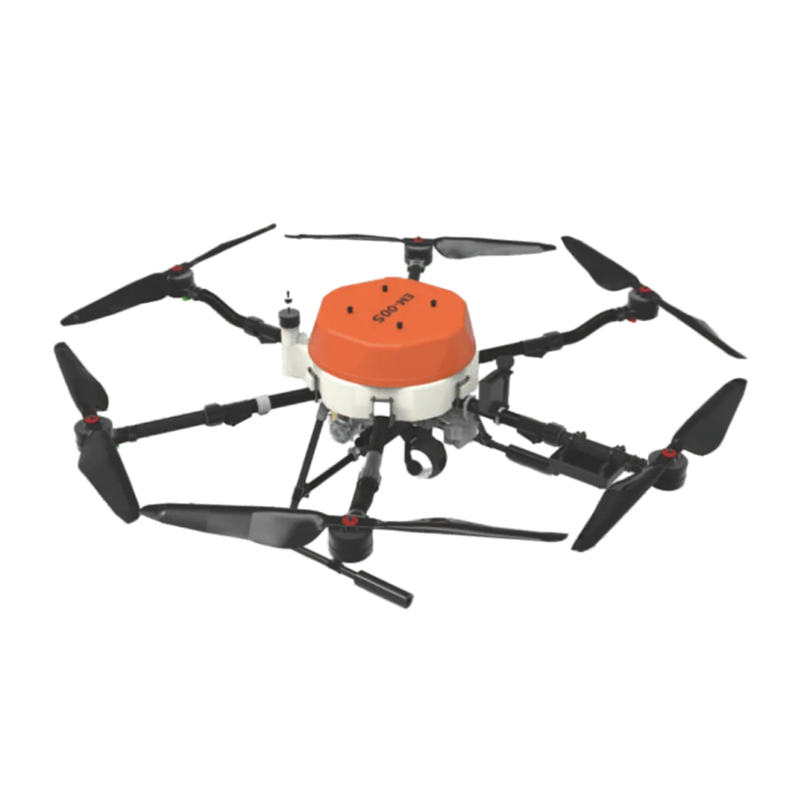
The Tethered Emergency Lighting Drone STD10 features a quick plug-and-play structure for easy folding and portability. Its efficient power system and intelligent control battery provide up to 85 minutes of flight time in free flight mode, with ample power and excellent wind resistance for operation in rainy and high-altitude environments. The highly intelligent and secure flight control system supports low-voltage alarms, loss-of-control protection, and automatic return-to-home, while also allowing for precise manual control and autonomous flight route planning.
With the ability to mount various payloads, the tethered emergency lighting drone is widely used in disaster detection, technical investigation, border patrol, search and rescue, road monitoring, geographic surveying, power line inspection, forest fire prevention, earthquake relief, and other fields. It can also support tethered mode with more than 24h flight time with lighting for emergency use.
PRODUCT FEATURES:
1. Max payload of Tethered Emergency Lighting Drone: 10kg for half an hour.
2.Max flight time: 85 minutes in free flight mode and 24h in tethered mode.
3. Max flight distance: 50km at free flight mode.
4. Max 30km remote control and data link distance (visual without interference).
5. Anti-jammer system of Tethered Emergency Lighting Drone: even there is jammer influence, it can return home automatically in free flight mode.
6. The frame is made of carbon fiber integrated molding, which is light in weight and strong in rigidity.
7.The plug-in type arm structure and landing gear are equipped with tool-free quick-disassembly structure, which is convenient for carrying and transportation.
8. The whole machine adopts a rainproof design and can fly in moderate rain environments in free flight mode.
9. The tethered emergency lighting drone uses low-speed disc motors and large-sized carbon fiber propellers, which have sufficient power reserve and strong wind resistance.
10. It supports low voltage alarm and automatic return-to-home functions.
11. It can be customized with 120 times zoom day and night camera with laser, gas detection payload, lighting, cargo thrower, etc and support tethered flight mode if need.
PRODUCT PARAMETERS:
|
Model |
STD10 |
|
Product name |
Tethered Emergency Lighting Drone |
|
Unfolded size |
1625x985x505mm |
|
Maximum wingspan |
1997±10mm |
|
Net weight excludes battery |
4100g |
|
Standard payload |
5kg |
|
Maximum payload |
10kg |
|
Maximum takeoff weight |
18kg |
|
Maximum flight speed |
18m/s |
|
Maximum flight altitude |
3000m |
|
Maximum take-off altitude |
5000m |
|
Wind resistant level |
Level 7(13.9~17.1m/s) |
|
Working temperature |
-25°C~60°C@humidity ≤95% |
|
Communication distance |
25km |
|
GPS Hover accuracy |
Horizontal ±1.5m; Vertical ±1m |
|
Camera gimbal |
30x optic zoom payload |
|
Visible light |
1080P |
|
Thermal imagery |
640x512 |
|
Laser ranging |
≥1400m |
|
Total pixels |
2.07million |
|
Battery capacity |
22000MAHx2 |
|
Tethered cable length |
120m |
|
Input voltage |
AC220V@50Hz |
|
Output voltage |
DC400V(DC200-DC500V) |
|
Airborne power supply with lighting |
DC370-410V 130000rpm |
FAQ:
Q1: What are the primary advantages of using a tethered lighting drone over traditional mobile light towers?
A: The main advantage is elevation and coverage. Traditional light towers are limited by the height of their masts (usually 6–9 meters), whereas a tethered emergency lighting drone can hover at 30–100 meters. This provides a much larger illumination footprint with significantly less glare and shadowing, which is critical for large-scale disaster relief or night-time construction sites. Additionally, tethered systems offer unlimited endurance via the ground power cable, unlike standard drones that require frequent battery changes.
Q2: How does the system handle extreme weather conditions during emergency operations?
A: Our Tethered Emergency Lighting Drones are engineered with an IP54 or IP55 rating, making them resistant to rain and dust. They feature advanced flight controllers that can maintain a stable hover in sustained winds of up to 10–12 m/s (approx. 25 mph). The tether itself is reinforced with high-tensile materials (such as Kevlar) to ensure the power connection remains secure and the aircraft stays positioned even in turbulent conditions.