

Ukraine Creates New ISR Drones Incorporate with German Electronic Systems
Pegasus Arms from Ukraine has partnered with Germany's Rohde & Schwarz to develop advanced reconnaissance and electronic support technologies for military drones, as stated by both companies. The collaboration intends to merge Pegasus Arms' drone platforms with Rohde & Schwarz’s technological solutions, enhancing unmanned systems' effectiveness in military use. This partnership focuses on airborne reconnaissance and electronic support, essential for threat detection before engagement.
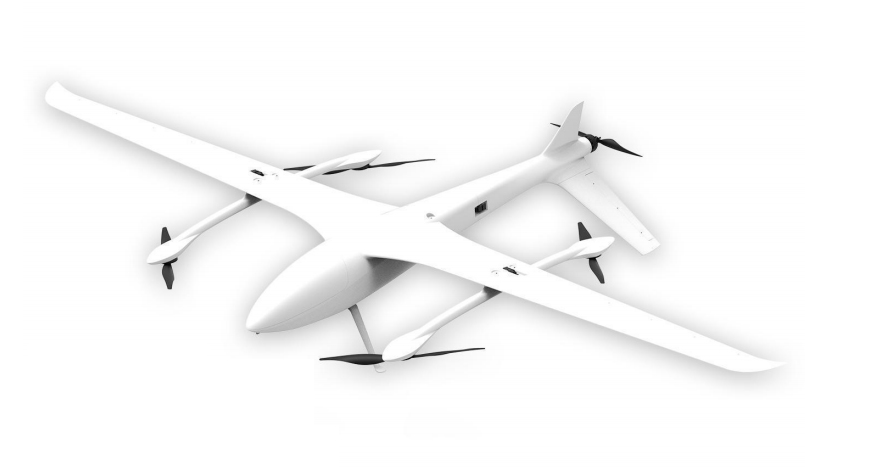
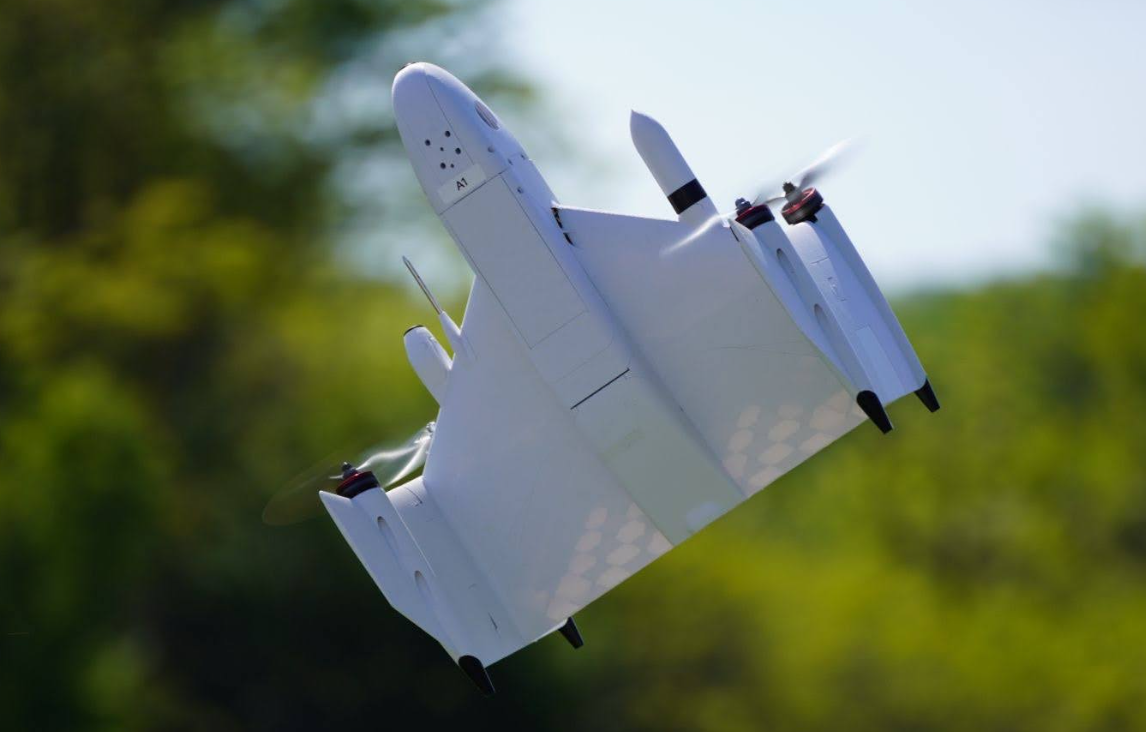
The memorandum outlines initial steps in this collaboration, including joint design, pilot system configuration, and technology validation. This process is set to move their partnership from concepts to operational capabilities. Illia Samoshkin, Director of Pegasus Arms, noted that integrating German technology will improve the company's drones. He said, "Incorporating premium solutions from Rohde & Schwarz will reveal new potential for our unmanned systems. This advanced technology will extend our drones' operational capabilities. For example, the Pegasus Arms 25 will not only carry payloads anymore; it will gain abilities to surprise the enemy. "
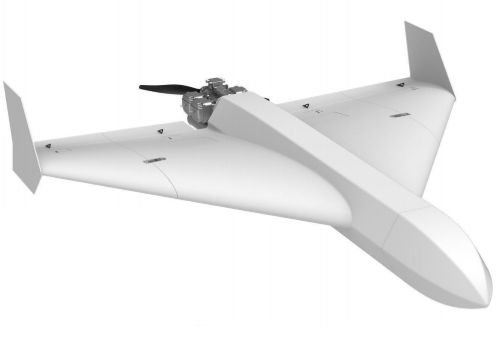
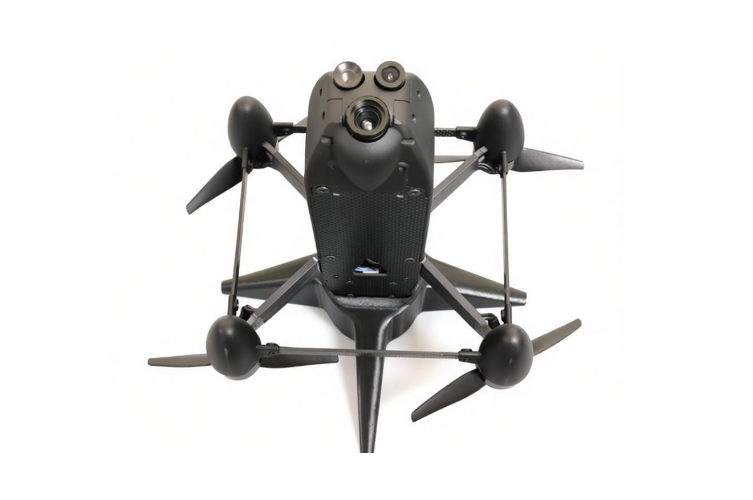
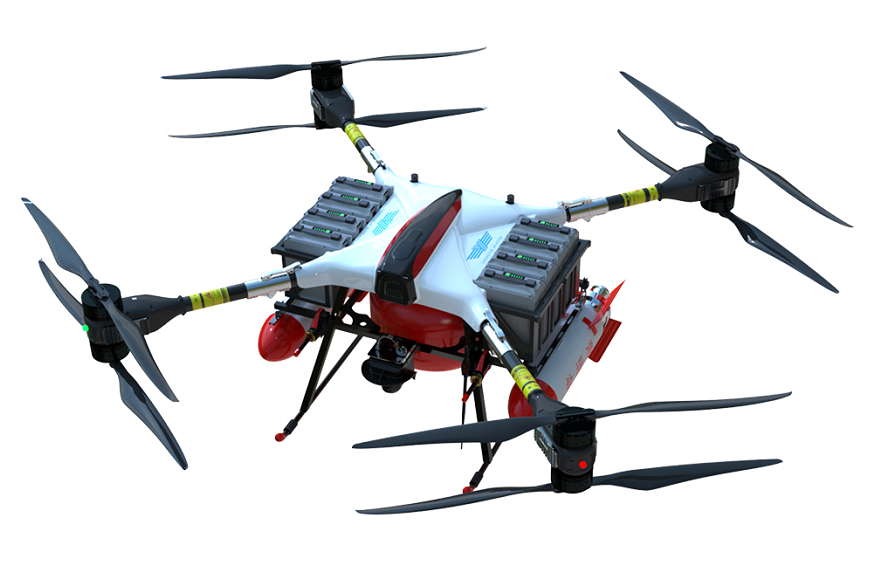
The Pegasus Arms 25 is a sophisticated unmanned aerial vehicle designed for heavy precision strikes, logistics, and various battlefield functions. With the planned integration, this platform is expected to gain detection and electronic support functions, though specific technical details are not revealed.
The company stated that its systems are actively used, featuring more than 1,500 heavy drones engaged in combat. Pegasus Arms asserts that many Ukrainian defense units rely on these systems, which have played a key role in missions against armored vehicles and military sites.
The alliance with Rohde & Schwarz aims to extend the drones' capabilities beyond logistics and attacks. By incorporating advanced sensing and electronic support, these platforms could conduct reconnaissance and improve situational awareness.
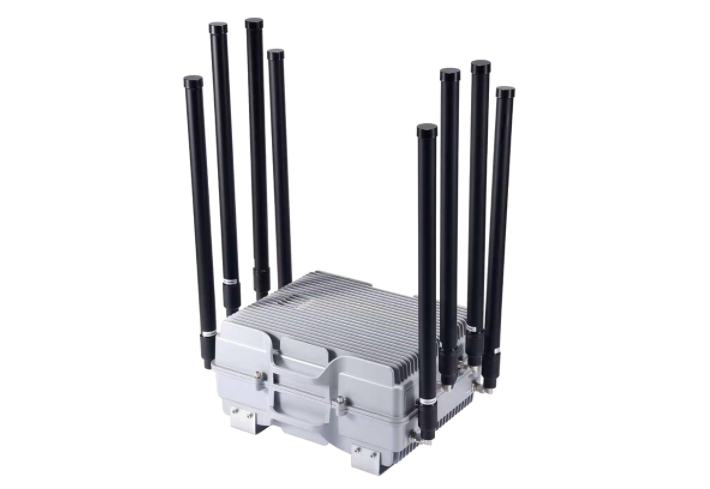
Technologically, airborne reconnaissance on drones can detect and monitor signals, target identification, and provide early warnings of threats. Electronic support often tracks electromagnetic emissions, helping forces identify enemy systems such as communication networks or drone controls.
Incorporating such technologies into unmanned platforms enables these functions to be closer to combat, improving response times and reducing reliance on larger, more vulnerable assets. This partnership signals a crucial trend in modern warfare, where drones are used not only for strikes but also for intelligence gathering and electronic warfare. Combining these functions into one platform boosts operational flexibility and efficiency.
Moreover, this agreement aligns with Pegasus Arms' earlier aim to develop advanced technologies to counter enemy drones and improve airspace management. The company has stressed that enhancing drone capabilities is a top priority for 2026.