

FPV Drones have Become an Indispensable Weapon in Warfare
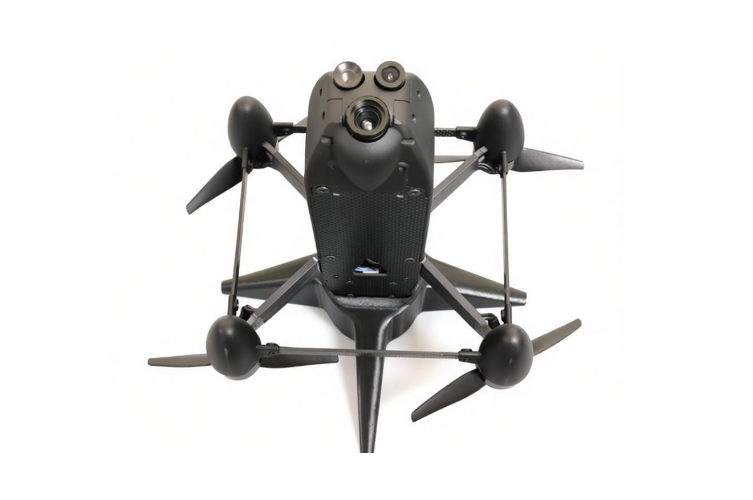
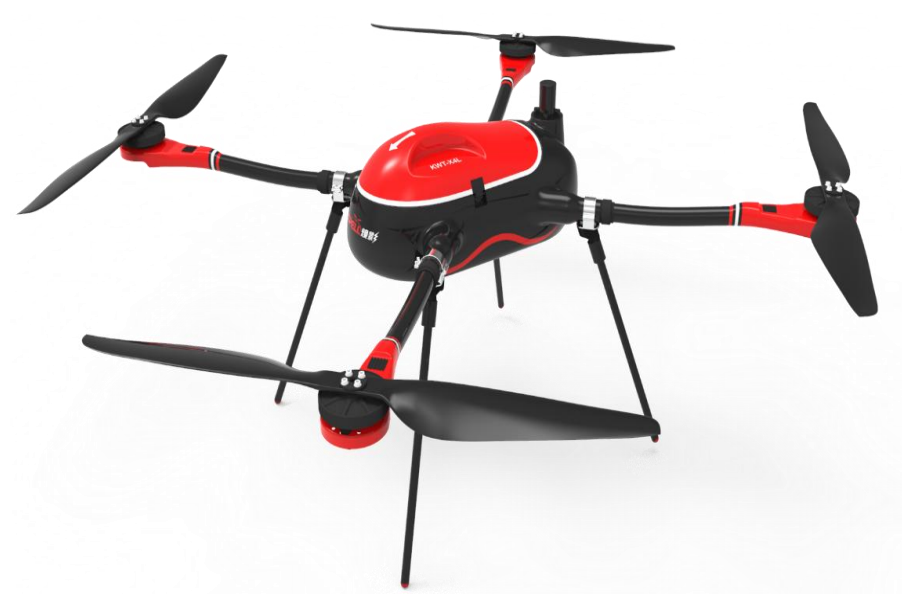
The most common drone on the modern battlefield is the First Person View(FPV) drone which plays a crucial role in the war. Even though their low cost compared to other types of drones, FPV drones possess a numerous capabilities that have changed our understanding of modern warfare. Depending on their powerful navigation capabilities, FPV drones have become the primary platform for mounting explosives and executing targeted strikes.
Originally emerging from the realm of civilian hobby drone racing, FPV drones have robust motors and frames that are built to withstand the rigors of high-speed races and multiple crashes.Compared to their fixed-wing cousins, copter-type drones have greater maneuvering capabilities, which, in the hands of skilled pilots, covert into precision targeting unique to FPV drones. It is very common for pilots to fly their drones through the window of a building or into the open hatch of an armored vehicle, unleashing an explosion on exposed personnel inside. FPV drones are also well-suited for targeting specific equipment like optics, radars , and antennas mounted on the exteriors of armored vehicles.
The nature of drone piloting equipment offers an additional layer of protection. Since everything is controlled remotely, only the antenna transmitting between the drone and operator needs to be exposed. The remaining equipment and the team can conduct their operations from the safety of a bunker or basement.
While hubs of drone operators are now recognized as high-value targets, in practice most attention is focused on blocking or destroying the drones themselves. This shift of lethal danger from personnel in forward positions to drones has accelerated the proliferation of FPV drone usage.
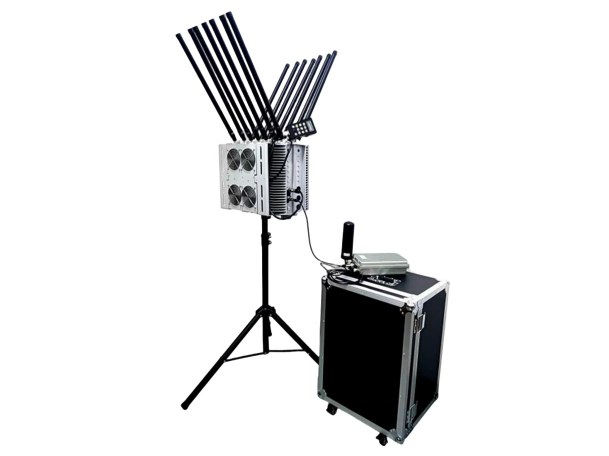
Despite efforts to counter them with jamming technology, FPV drones have proven resilient and have managed to adapt effectively to electronic warfare measures. Ongoing innovations in areas such as customized frequencies, frequency-hopping, and automated flight patterns promise to further enhance their effectiveness.
There are few reasons to believe the role of FPV drones will diminish in the coming years. On the contrary, as technologies advance and military tactics evolve, FPV drones are likely to become even more prominent in the wars of the future.