

Five European Nations Invest Funds to Build Cheap Drones with Ukraine
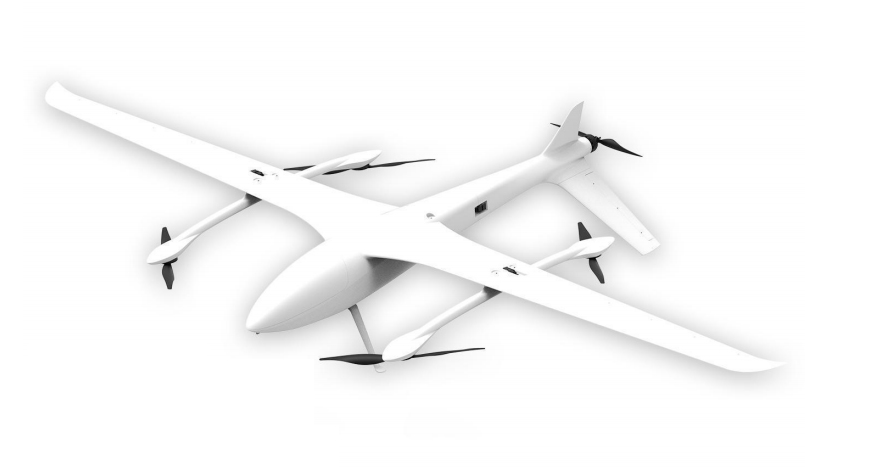
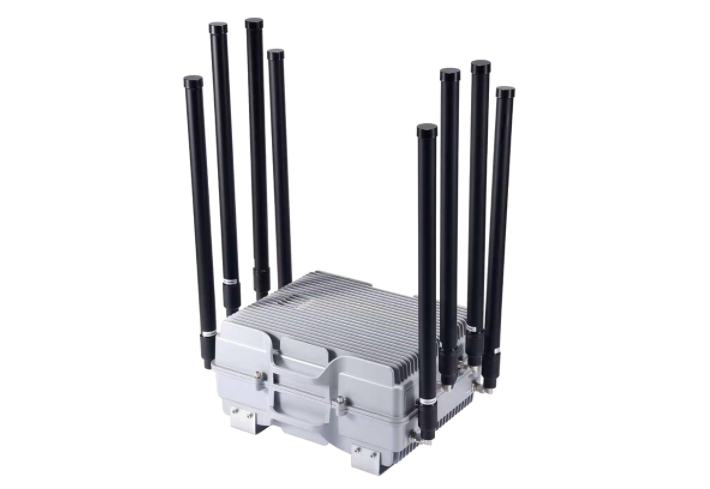
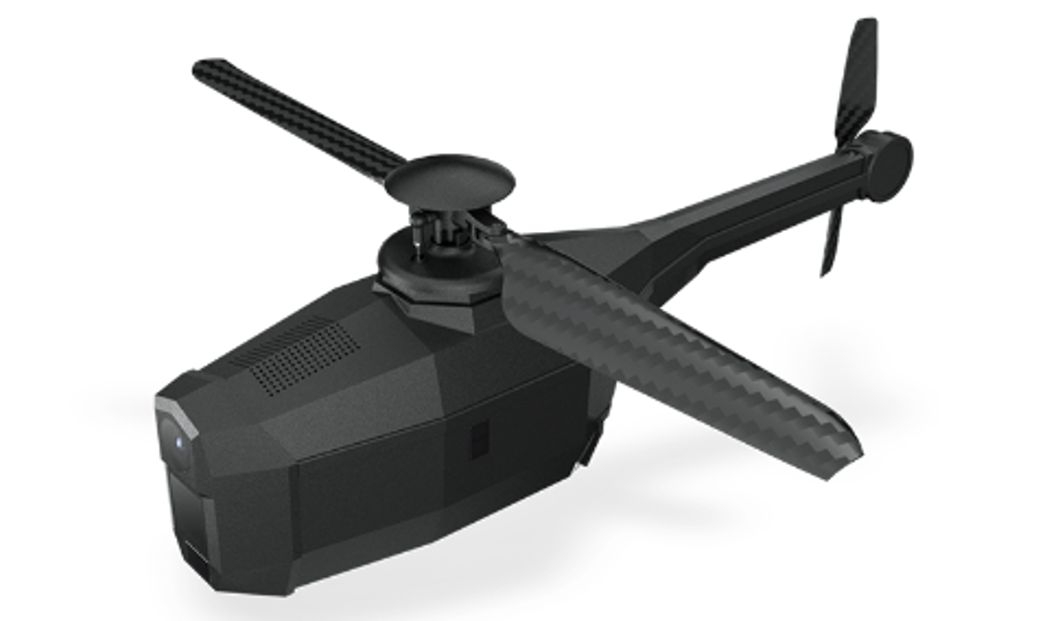
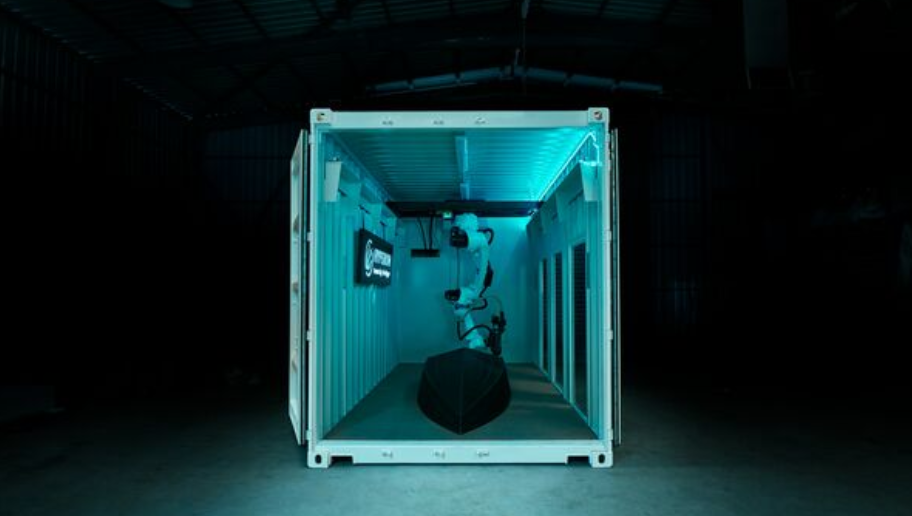
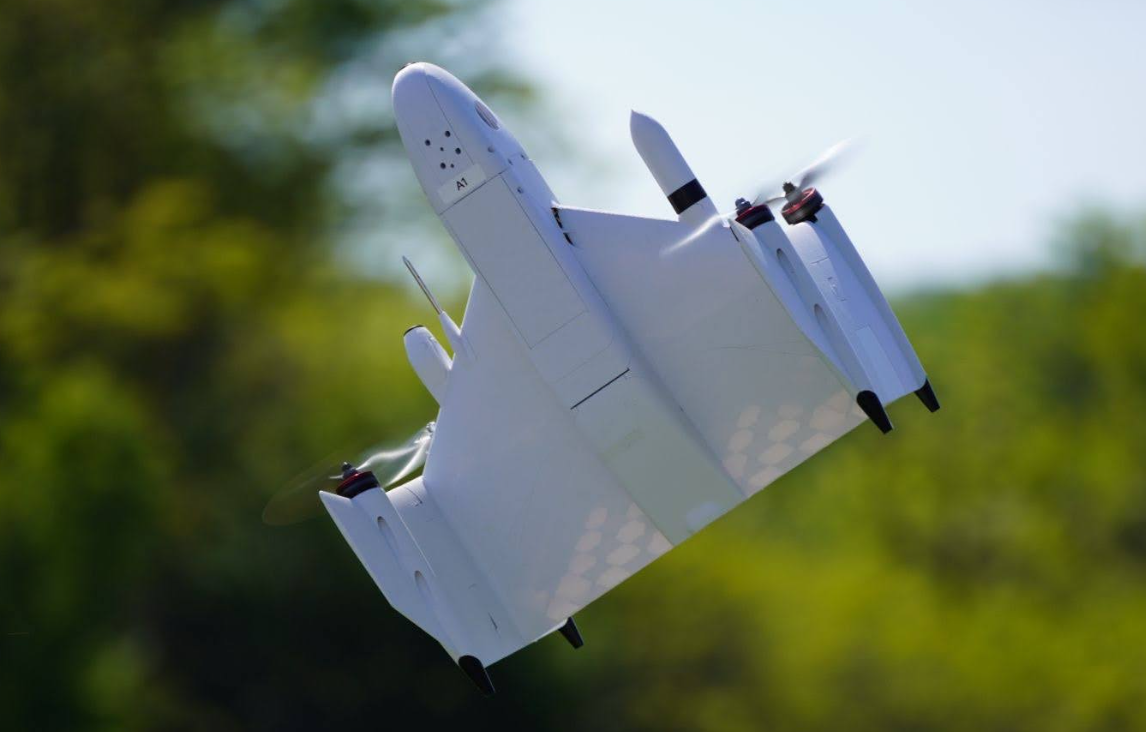
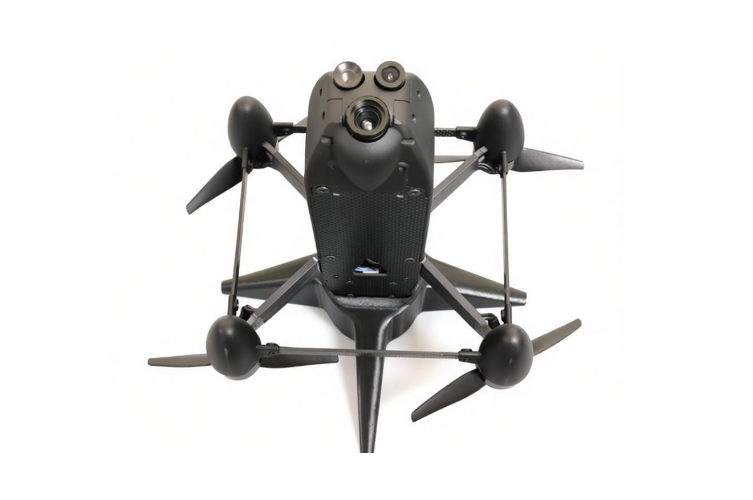
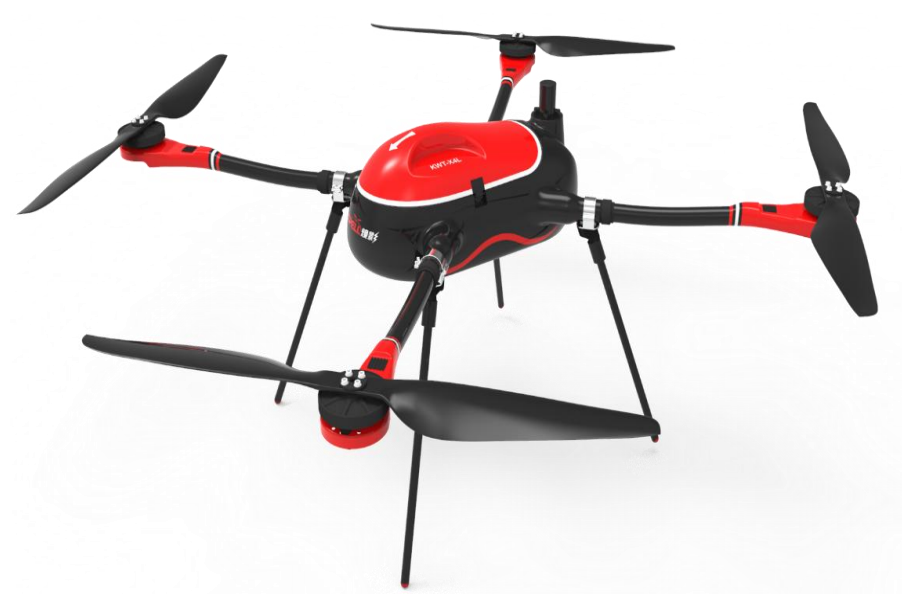
Five European countries have launched a program to create affordable air defense systems and autonomous drones using Ukrainian knowledge gained over four years of conflict with Russia. The initiative announced on Friday by the E5 nations—France, Poland, Germany, the United Kingdom, and Italy—joins numerous efforts in Europe to enhance border defense, forming a "drone wall" with Russia and Ukraine for improved detection and interception of airspace violations.
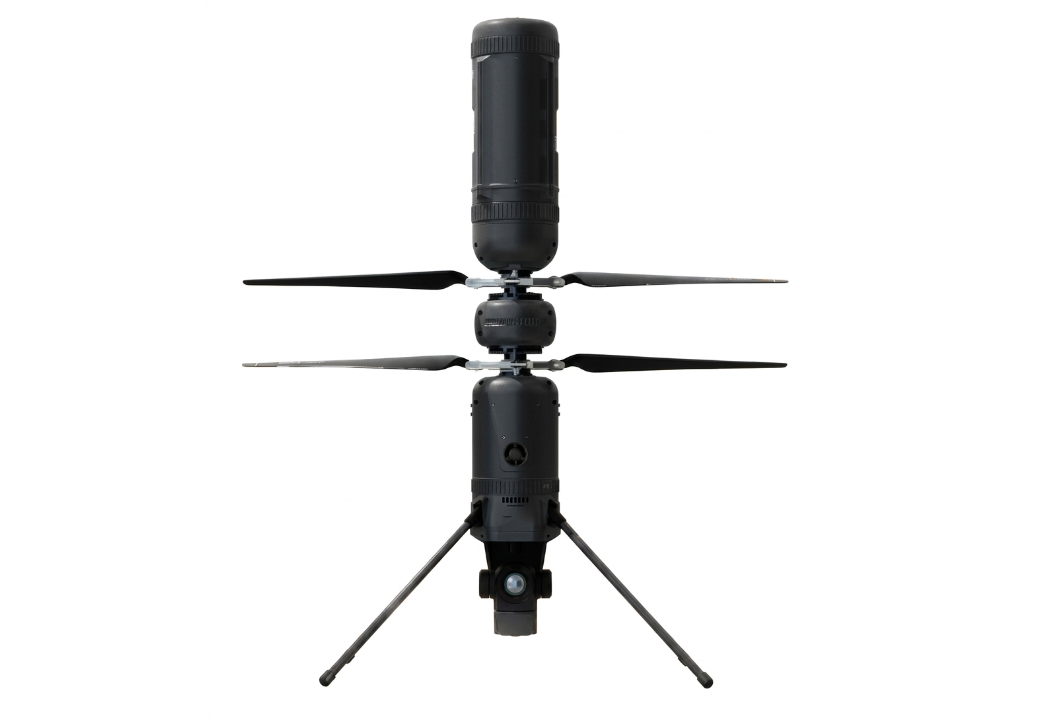
Both Moscow and Kyiv possess advanced drone warfare technologies developed through harsh wartime experiences that have transformed modern combat strategies. Poland is collaborating with Ukraine on drone technology through joint military training and manufacturing initiatives. These actions were prompted by a series of events where rogue drones tested Europe's borders and airports. Russia has been accused of involvement, though it denies any intentional actions.
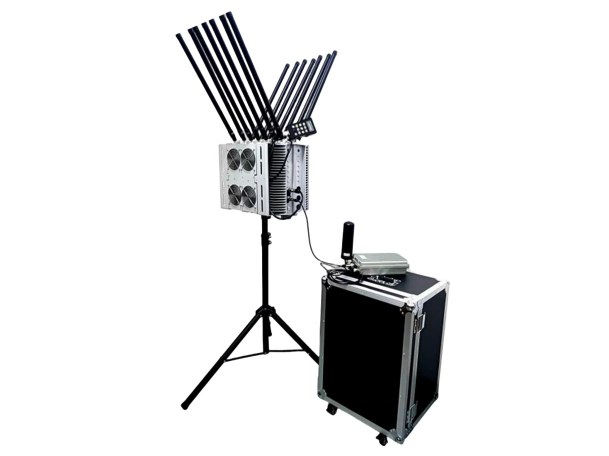
"The UK and our E5 allies are enhancing efforts—investing together in advanced air defense and autonomous systems to strengthen NATO's protection," stated Luke Pollard, Britain's defense readiness and industry minister. "We possess some of the best equipment globally for neutralizing aerial threats. The challenge lies in effectively countering low-cost missiles and drones among other risks," he mentioned. "It's essential that we equate the expense of these threats with our defense investments. "
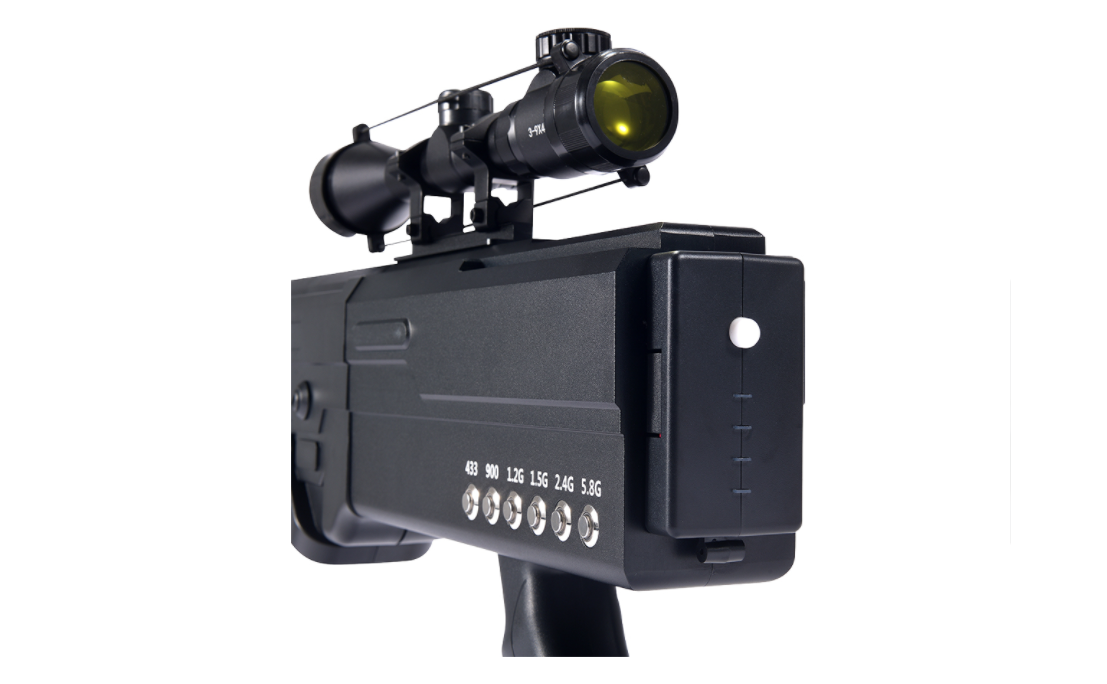
Poland's defense minister, Władysław Kosiniak-Kamysz, noted that the countries agreed to collaboratively invest in producing and acquiring drone strike capabilities and inexpensive drone defense systems under a program named Low-Cost Effectors and Autonomous Platforms, or LEAP. "Combat technologies and methods are evolving quickly — we need to act swiftly and effectively," Kosiniak-Kamysz stated. "We also made an important agreement on developing drone strike capabilities, affordable joint production, and shared procurement of drone payloads utilizing artificial intelligence. "
"Europe's security is more unpredictable than in recent decades," remarked Kaja Kallas, the EU's foreign policy chief, pointing to instability in the Middle East, China, and a "redefined" alliance with the U. S. She noted that the low-cost interceptor initiative exemplifies Europe's dedication to its security.