

A New Warship with Unmanned System Launched in Singapore Navy
Singapore's defense minister, Chan Chun Sing, spoke at the launch ceremony of a novel class of warship for his country's navy this week, “It isn't just a ship by itself, but one that's integrated with artificial intelligence and an evolving brain,” he said of the new 8,000-ton warship, the largest ever surface combatant in Singapore's navy.
The 492-foot (150m) Victory, the first of six Multi-Role Combat Vessels (MRCV), was launched at ST Engineering’s Benoi shipyard in Singapore on Oct. 21. The warship will now transfer to the shipbuilder's Gul yard for outfitting, integration and sea trials.
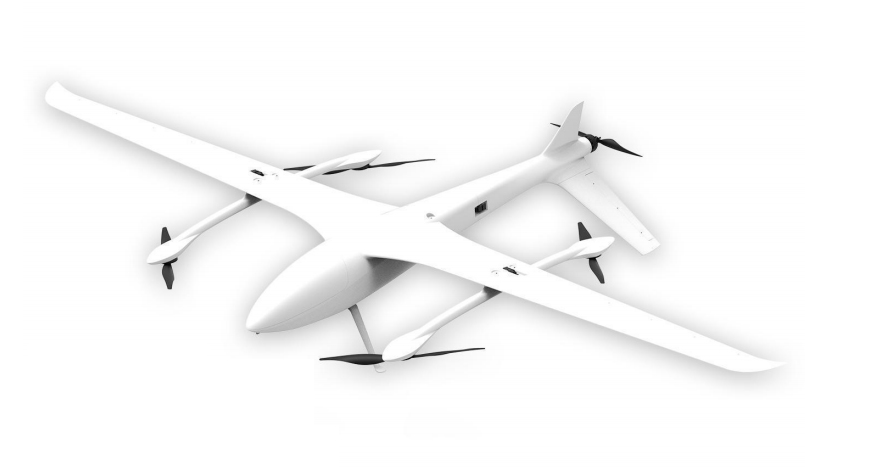
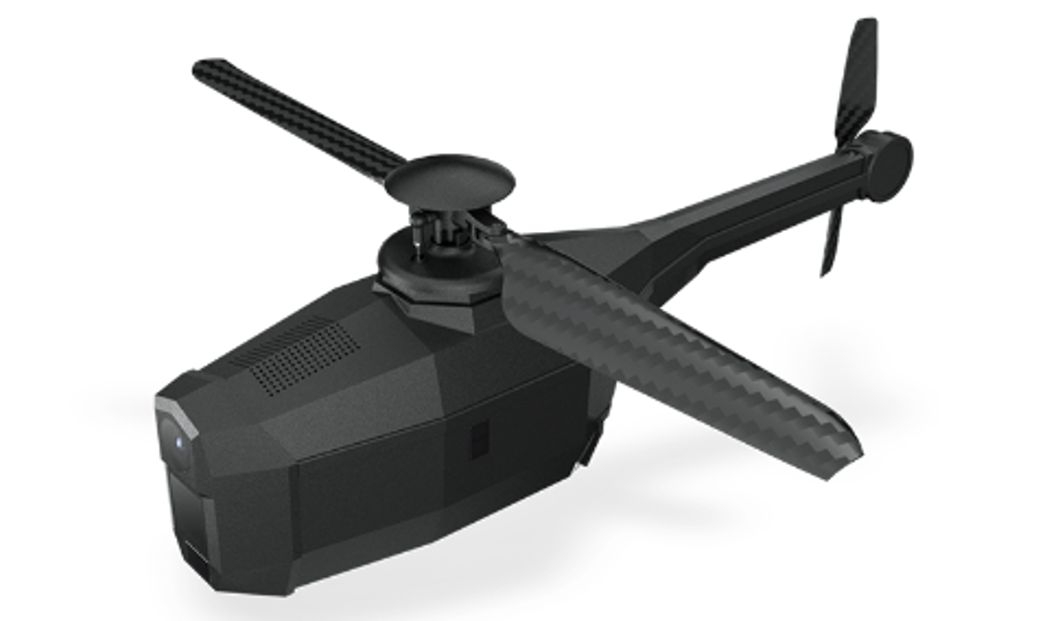
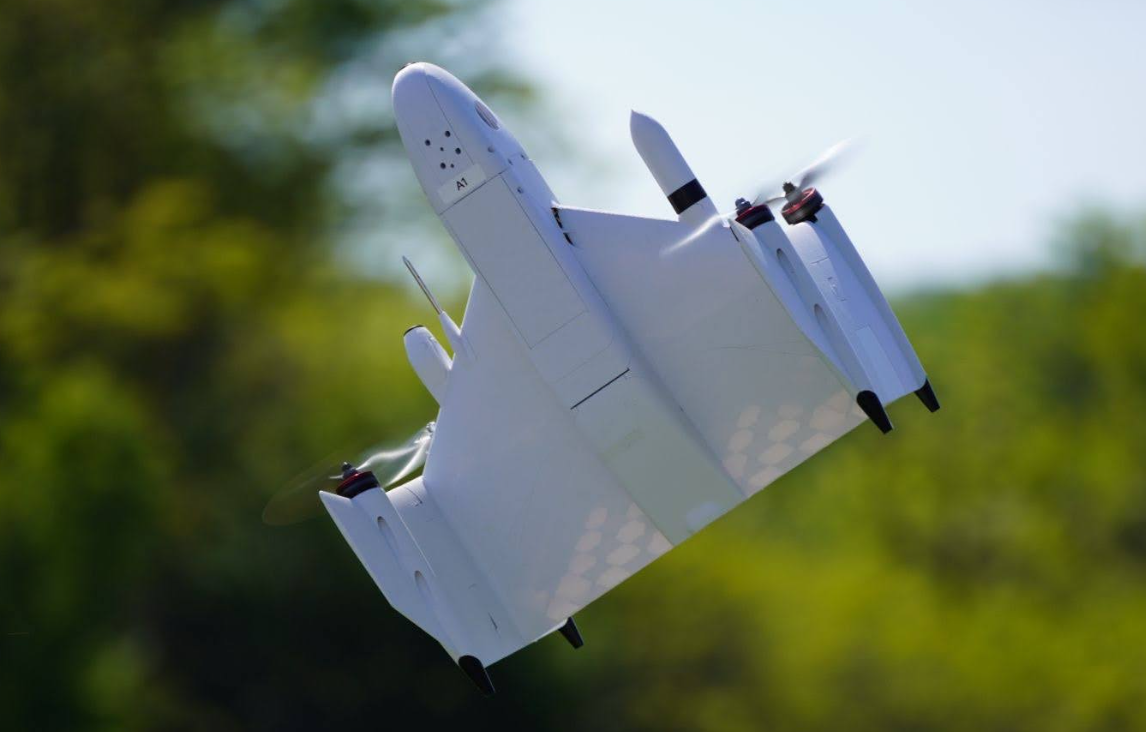
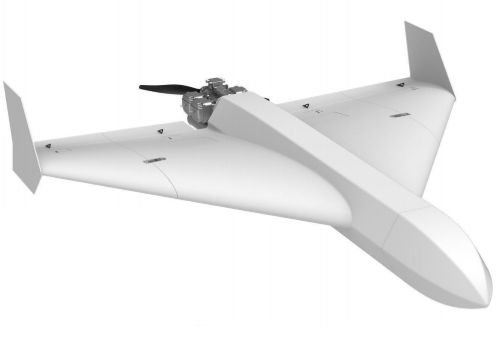
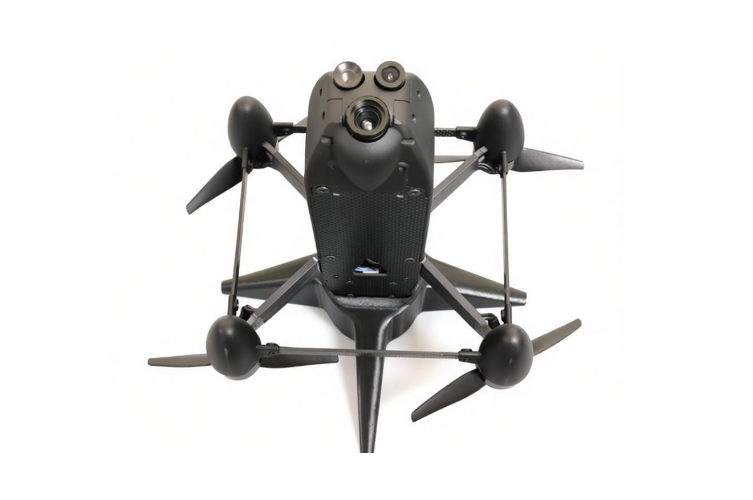
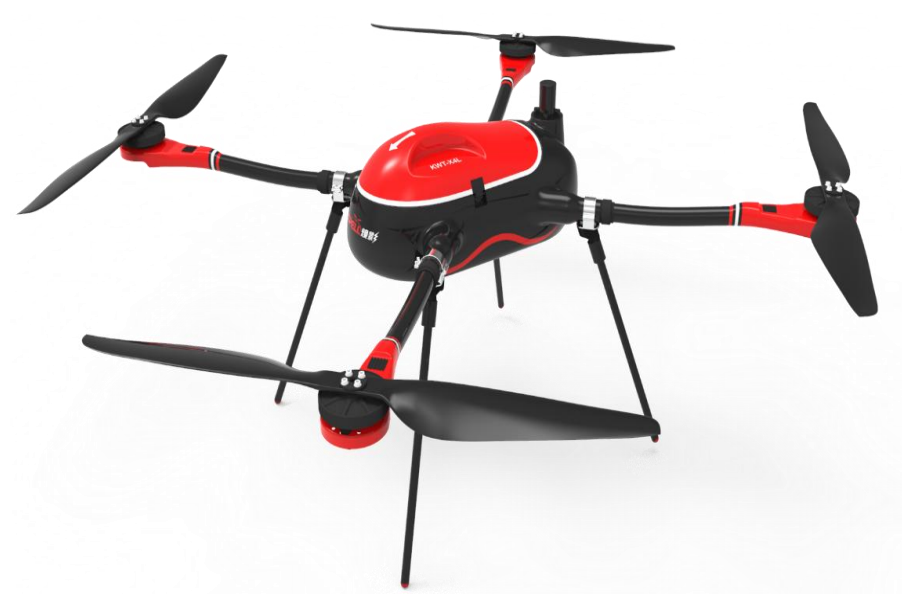
With a contract awarded to ST Engineering in March 2023, the MRCV is a combination of a frigate and “mothership” for unmanned systems that fly through the air, sail on the ocean's surface or dive beneath the waves.
Chan said the operational concept reminded him of “sci-fi movies, because it isn't about having a fixed number of drones or unmanned surface vessels. As the mission set evolves, we'll also evolve the type of weapon system and capabilities that we can have on the ship.”
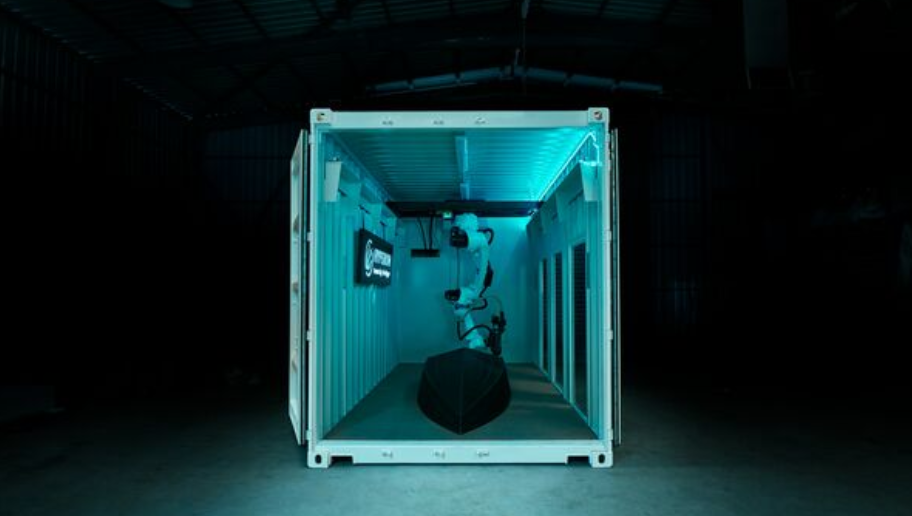
One MRCV, with its fleet of unmanned companions, could execute missions that would otherwise require multiple manned warships, he claimed. The six MRCVs, the first of which will be delivered in 2028, will replace six 595-ton Victory-class missile corvettes serving in the Republic of Singapore Navy – the RSN – since the 1990s. the The new slate of ships will take on precisely the same names as the corvettes they succeed. The MRCVs are designed to have a 7,000-nautical-mile range. A mission bay holds up to eight 20-foot containers, meaning ships can rapidly transition from combat to disaster relief, for example. At the stern is a load and recovery system that handles smaller boats and unmanned surface vessels. A crane performs the same job on the vessel’s flanks. Drones and a medium-sized helicopter make use of the large flight deck at the stern.
The warship's armaments include a Leonardo Strales 76mm naval gun, two Rafael Typhoon MK 30-c remote-controlled weapon stations, and missiles. MICA and Aster missiles offer air cover, but Singapore has not revealed what anti-ship missiles will arm the warship. However, it is likely to be Blue Spear missiles from Proteus.
Technology is critical to these ships, cutting down the crew requirement to fewer than 100 sailors. In a pinch, the bridge can be operated by just two crew members.
The new style of warship is designed to keep abreast of contemporary trends. For example, a high-voltage electrical distribution system powers both the integrated full electric propulsion system as well as sensors and weapons.
Besides ST Engineering, the shipbuilding program includes Sweden-based Saab. The company provided the ship design and is responsible for assembling composite superstructure elements.Lars Kaddik of Saab Kockums told Defense News that carbon fiber composite is up to 50% lighter than steel, is corrosion-proof, stealthier than a steel equivalent, and it provides insulation for equipment inside the mast. It also reduces top weight on the ship, thus improving hull stability.