

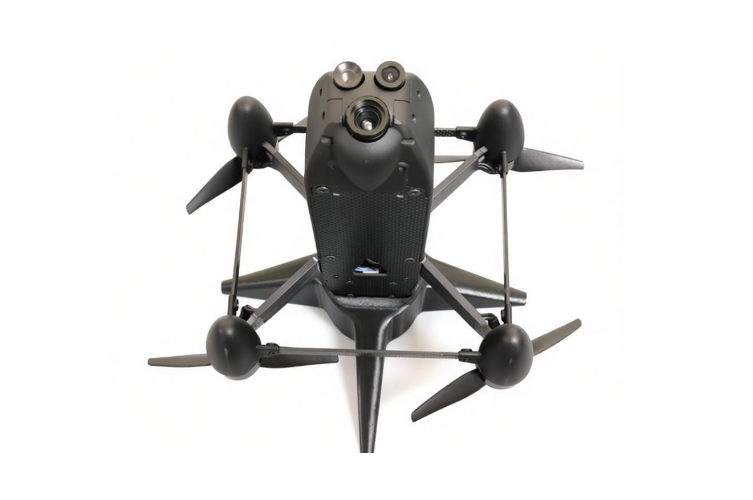
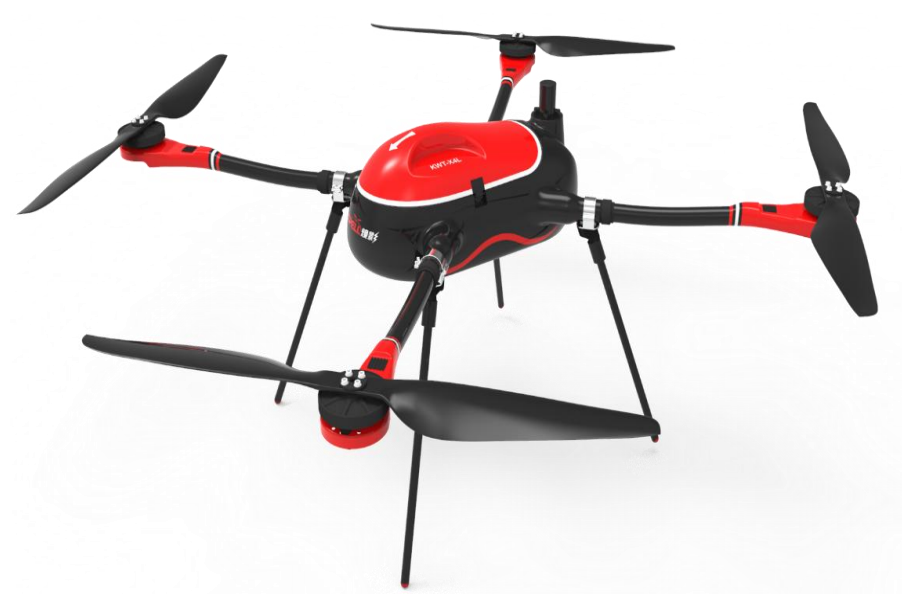
3D Printed Drones and Components Used in Battlefield
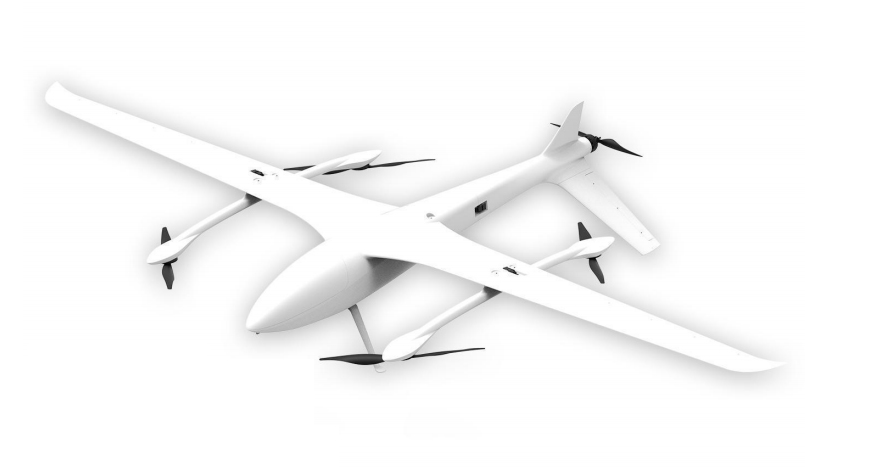
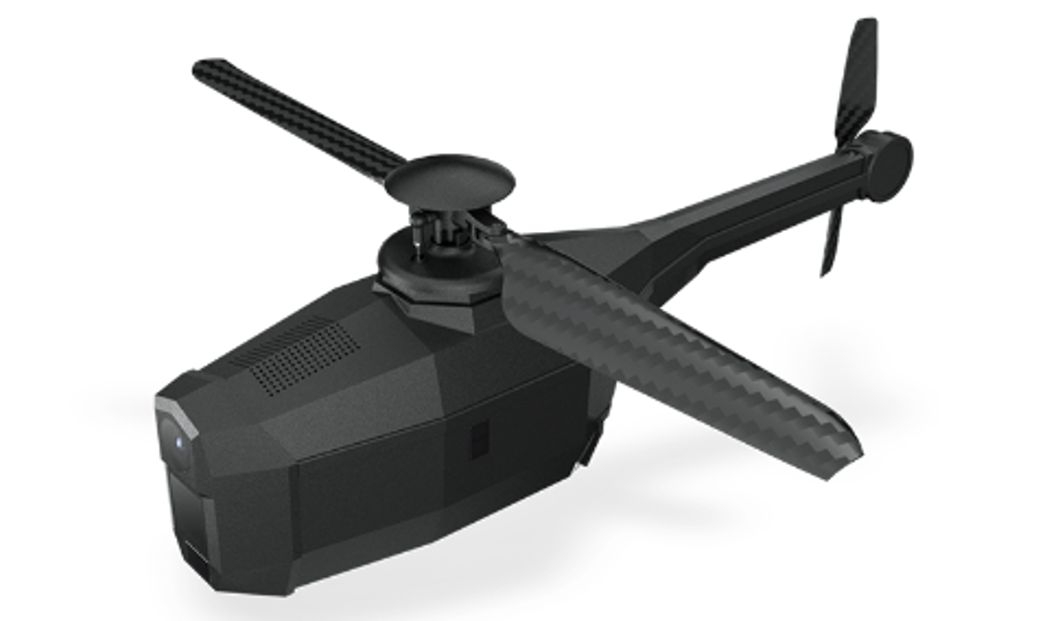
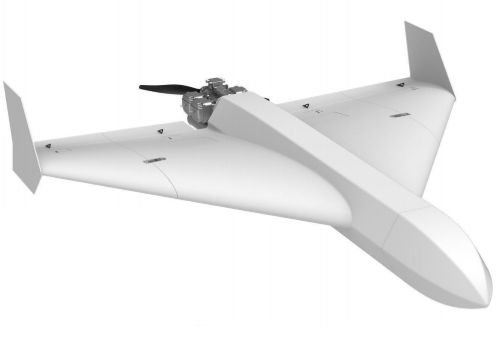
Traditional manufacturing methods often involve lengthy processes,especially when producing complex components. 3D printing streamlines this by enabling rapid prototyping, allowing designers to quickly create, test, and refine drone components. One of the most significant advantages of 3D printing is the ability to customize designs to meet specific mission requirements. This flexibility allows for the production of drones with tailored features, such as optimized aerodynamics, weight reduction, or specialized payload capacities.
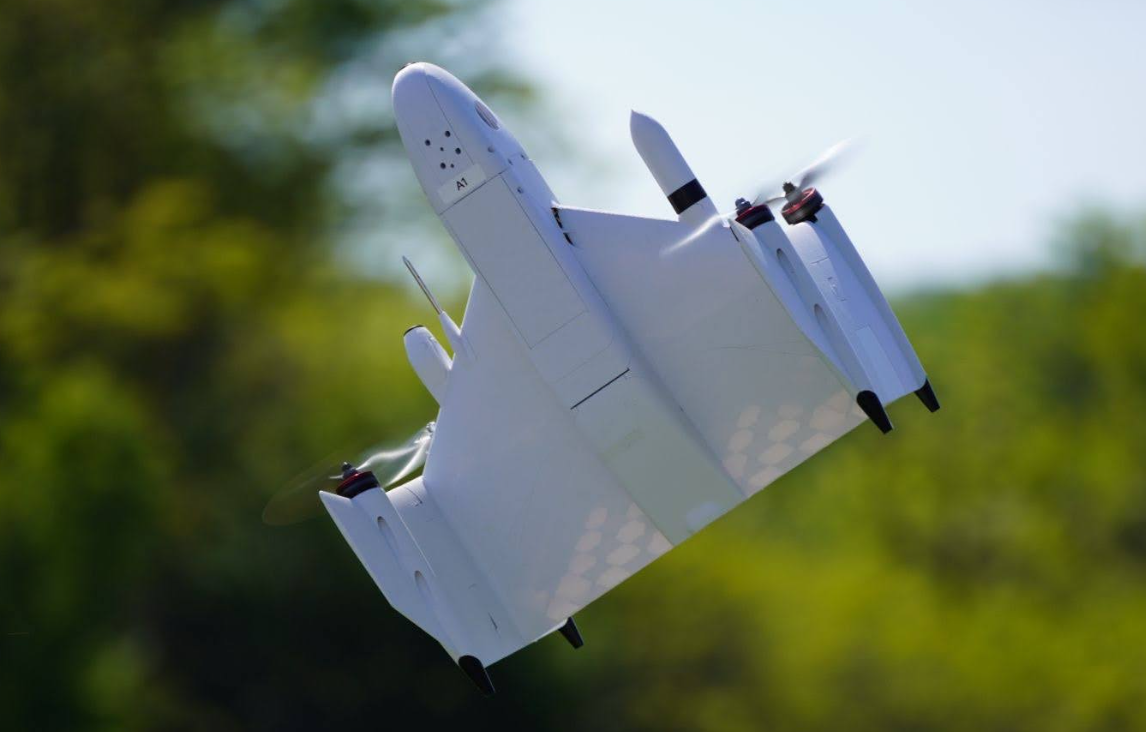
The U.S. Army Research Laboratory, in collaboration with the Georgia Technical Institute’s Aerospace Systems Design Laboratory, developed the On-Demand Small Unmanned Aircraft System (ODSUAS). This system enables soldiers to input specific requirements—such as size, weight, and endurance—into mission-planning software, resulting in a custom drone design that can be 3D printed within 24 hours. This capability ensures that drones are precisely suited to the unique demands of each mission.
In combat scenarios, maintaining a robust supply chain for drone components can be challenging. 3D printing offers a solution by enabling on-site production of parts, reducing dependence on external suppliers and enhancing logistical efficiency.
The Chinese People's Liberation Army has tested the use of 3D printing in conjunction with drones for remote weapons maintenance. In simulated exercises, damaged equipment was assessed, and replacement parts were 3D printed at a maintenance center. These parts were then delivered to the frontline via drones, facilitating rapid on-site repairs and minimizing equipment downtime.
The integration of 3D printing into defense drone development has strategic implications that extend beyond immediate operational benefits. The ability to rapidly design, produce, and deploy customized drones enhances a military's adaptability and responsiveness. Furthermore, the cost efficiencies gained through additive manufacturing enable the production of large quantities of drones, supporting strategies that involve drone swarms or mass deployment.
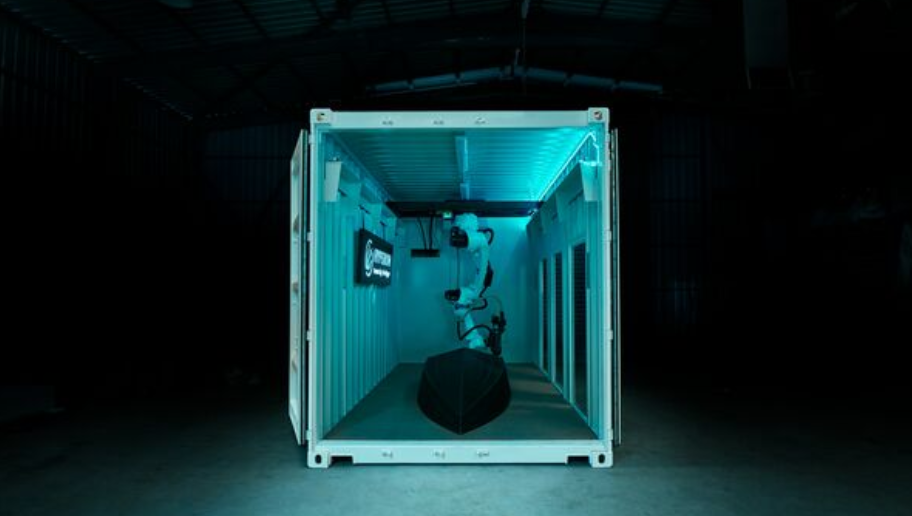
The U.S. Department of Defense has recognized these advantages and is investing in initiatives to expand the use of 3D printing in drone production. A recent $100 million deal with Firestorm Labs aims to develop modular, cost-effective drones that can be 3D printed and deployed anywhere, providing the military with greater flexibility in high-stakes environments.