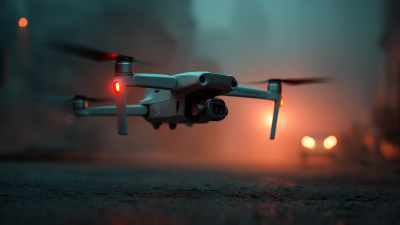
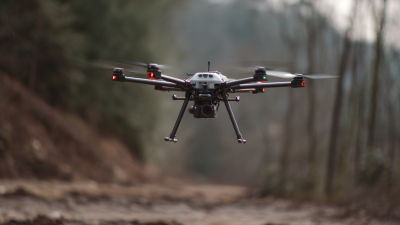
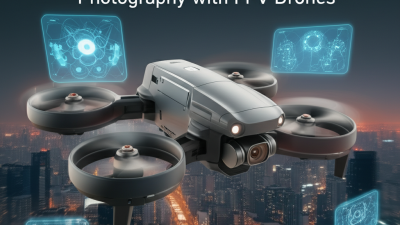
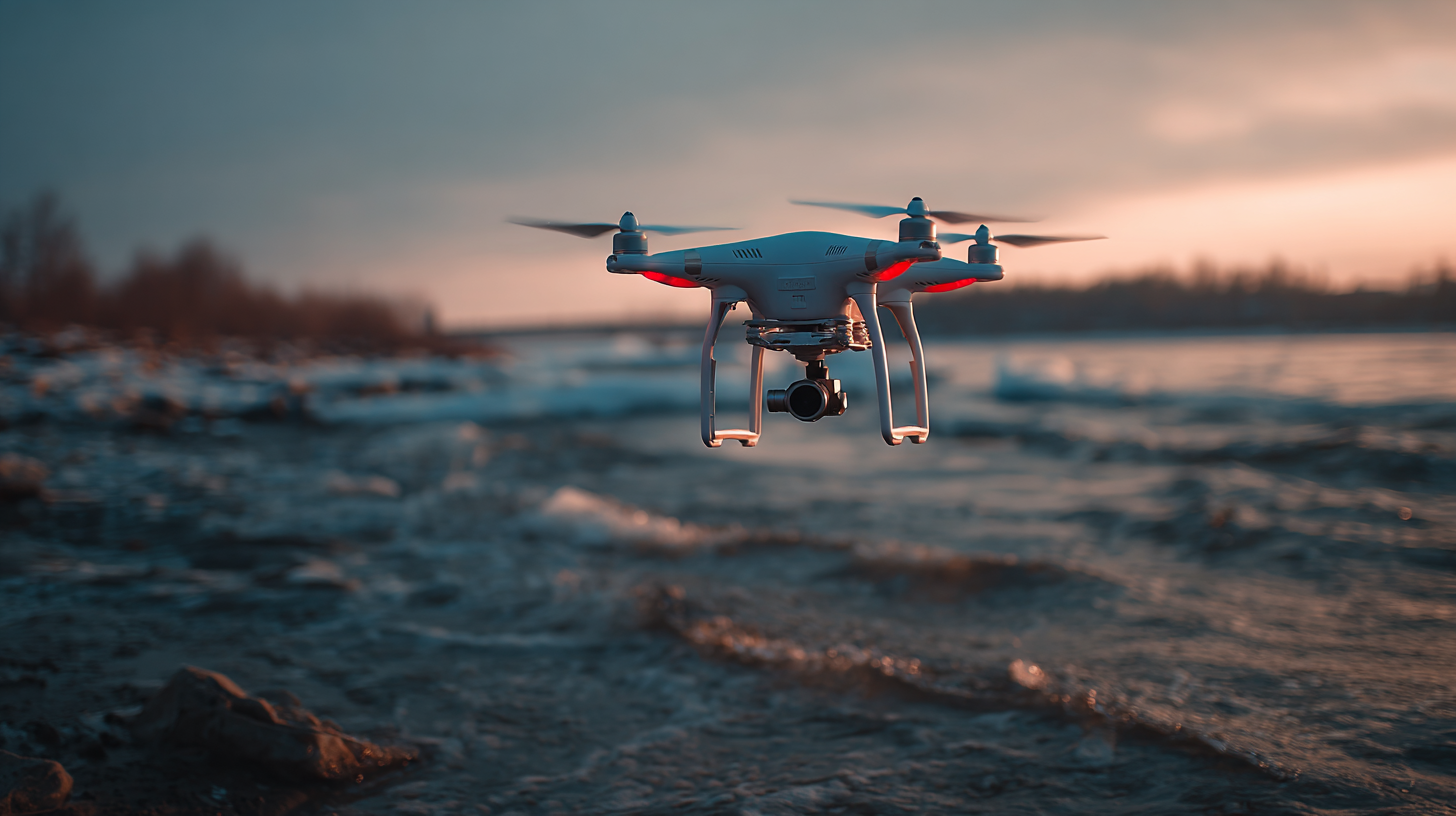
Hey there! You know, in the crazy world of aerial photography, there's been a pretty exciting breakthrough recently: the Waterproof Drone. Honestly, it’s a real game-changer for capturing those stunning, dynamic shots. Unlike your usual drones that can get pretty limited when the weather’s bad or the environment gets tricky, waterproof drones open up a whole new world — think serene lakes, epic coastlines, or even chasing after waterfalls and rainy landscapes without worrying about water damage. Big names like DJI and Parrot have really stepped up their game with this tech, making sure that pesky weather won’t ruin your shots anymore.
What’s cool is that these drones aren’t just tough—they perform really well and stay stable in the sky, even when they’re getting wet. It’s like they give photographers the freedom to push the envelope, to capture those breathtaking images that before you might have thought were impossible. As I’ve been digging into what these waterproof drones can do, it’s pretty clear they could seriously boost your aerial photography, whether you’re a pro or just someone who loves snapping cool shots. Honestly, if you’re looking to level up your aerial game, a waterproof drone might just be the thing to take your work to the next level — it’s like having an adventure buddy that’s always ready for a splash!
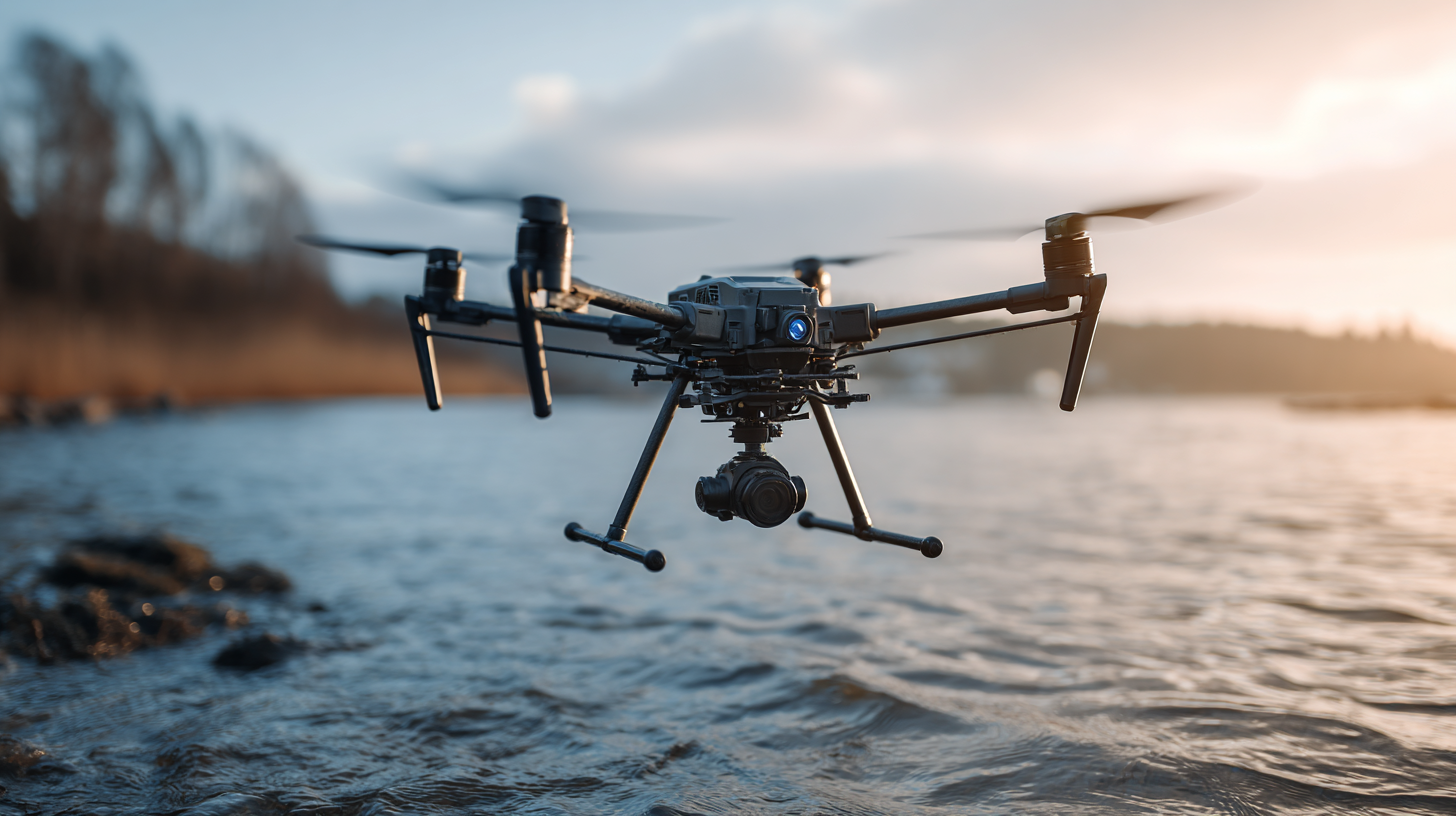
Understanding Waterproof Drones: Key Features and Benefits
Waterproof drones are specially designed to withstand exposure to water, making them ideal for capturing stunning aerial photography in challenging environments. One of the key features of these drones is their robust construction, which often includes sealed components and corrosion-resistant materials. This design not only protects electronic parts from moisture but also allows the drone to operate effectively in adverse weather conditions, such as rain or snow. Additionally, many waterproof drones come equipped with advanced stabilization technology that helps maintain steady flight and clear image capture, even during turbulent weather.
The benefits of using waterproof drones extend beyond just durability. They provide unique opportunities for aerial photography enthusiasts to explore and capture images in locations that would typically be inaccessible to regular drones, such as near oceans, lakes, or rivers. With the ability to land on water, these drones can execute close-up shots of marine life or track water sports activities from above. Furthermore, the versatility of waterproof drones enriches the photographer's experience, offering new perspectives and creativity when capturing landscapes or dynamic outdoor events.
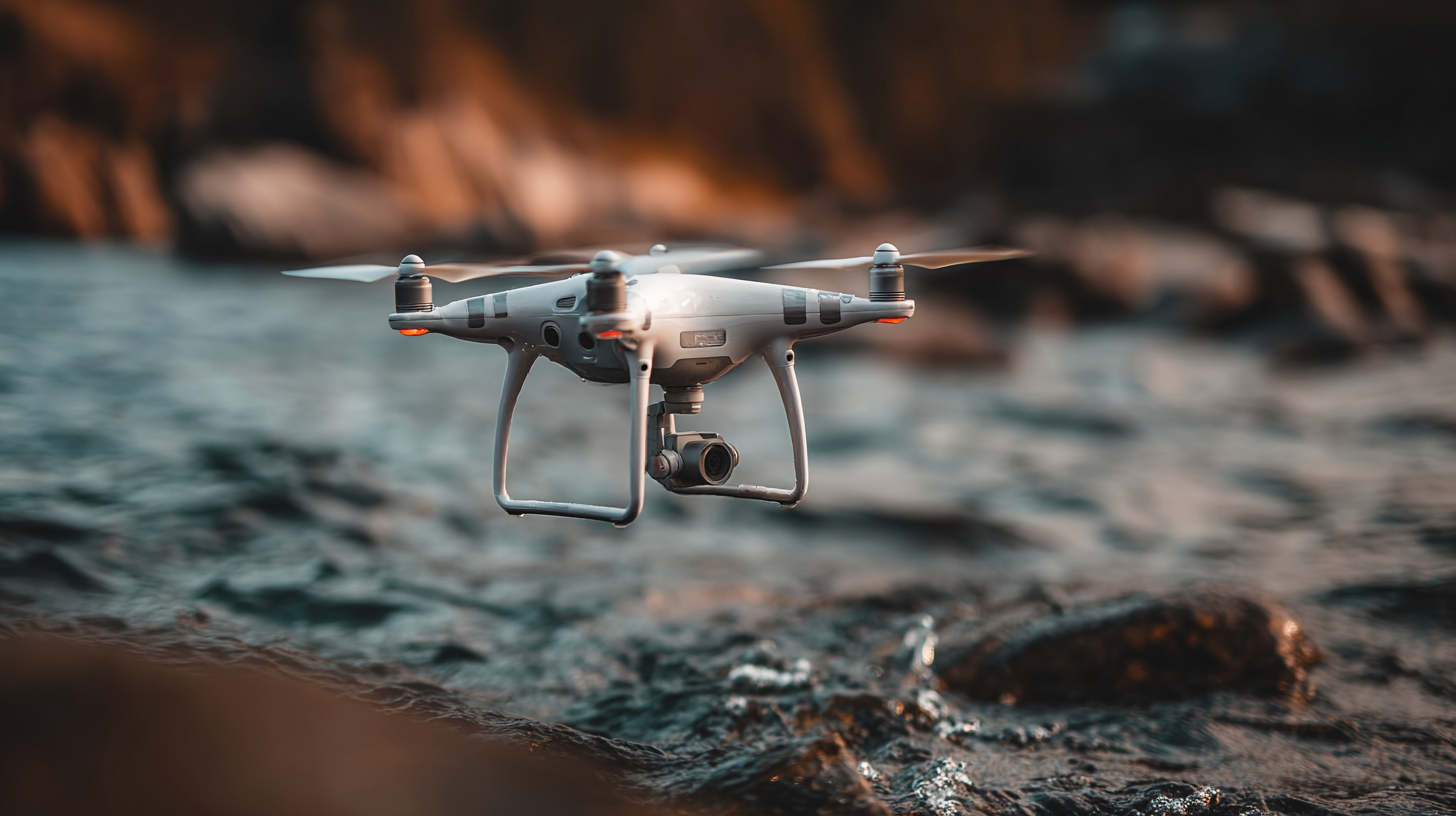
Top Waterproof Drones of 2025: Performance and Versatility
As we move into 2025, the demand for top waterproof drones is on the rise, enabling photographers to capture breathtaking aerial shots in harsh conditions. The innovation in drone technology has made it possible to find models that not only resist water but also deliver high performance in terms of image quality and stability. According to a recent industry report by DroneAnalyst, the market for waterproof drones is projected to grow at a compound annual growth rate (CAGR) of 12% through 2027, indicating a significant shift in consumer preferences towards durable, multi-functional aerial photography tools.
Leading the charge in 2025 are models such as the DJI Mavic 3 Enterprise and the SwellPro SplashDrone 4. These drones boast impressive flight times exceeding 30 minutes and advanced imaging technology that allows for 4K video capture, even in rainy or snowy conditions. The versatility of these drones is further enhanced by features like obstacle avoidance and automated flight plans, making them ideal for both amateur and professional photographers alike.
Tip: When selecting a waterproof drone, consider the IP rating, which indicates the level of protection against water and dust. An IP67 rating ensures that your drone can withstand immersion in water, offering peace of mind during your photography sessions. Additionally, familiarize yourself with the drone's flight modes to maximize your creative capabilities in diverse weather conditions.
How Waterproof Drones Revolutionize Aerial Photography Techniques
Waterproof drones are transforming the landscape of aerial photography, enabling photographers to explore previously inaccessible environments. With their advanced sealing technologies and robust designs, these drones can operate in harsh weather conditions, such as rain, snow, or high humidity. This durability opens up a myriad of possibilities for capturing breathtaking landscapes, wildlife, and events that occur in challenging climates. Photographers can now venture into areas like coastal regions, waterfalls, or rainforests without the constant worry of damage from water exposure.
Furthermore, the ability to shoot in inclement weather enhances the creative scope of aerial photography. Waterproof drones allow photographers to capture unique perspectives and dynamic scenes, such as dramatic stormy skies or ethereal mist swirling around mountains. Moreover, these drones often come equipped with high-resolution cameras and stabilization features that ensure clear, vivid images even in turbulent conditions. As a result, waterproof drones not only broaden the range of conditions under which photographers can operate but also elevate the artistic potential of aerial imagery.
Best Practices for Using Waterproof Drones in Photography
Waterproof drones have become essential tools for photographers looking to capture stunning visuals in challenging environments. To maximize the potential of these drones, understanding the best practices for their use is crucial. First, be mindful of weather conditions; even though your drone is waterproof, flying in heavy rain or strong winds can still jeopardize performance and safety. Always check the forecast before heading out.
When using a waterproof drone for photography, it's essential to plan your shots in advance. Carry extra batteries, as cold or wet conditions may drain them faster than expected. Additionally, consider using protective filters on your camera lens to prevent water spots from affecting image quality.
Tips: Before launching your drone, conduct a pre-flight inspection to ensure all components, particularly seals and intakes, are properly secured. Use the drone's GPS and positioning features to capture stable shots, and experiment with angles close to water surfaces to create dramatic perspectives. By following these practices, you can enhance your aerial photography experience while harnessing the unique capabilities of waterproof drones.
Waterproof Drone Features and Benefits
Enhancing Your Photography Gear: Accessories for Waterproof Drones
When it comes to aerial photography, investing in accessories for your waterproof drone can significantly enhance your shooting capabilities. First and foremost, protective filters and lens covers are essential for safeguarding your equipment against water and debris. These accessories not only maintain the quality of your images but also allow you to shoot in various weather conditions without fear of damage to your camera.
Additionally, using a
gimbal stabilizer can greatly improve your footage, ensuring that your aerial shots are smooth and professional-looking, even in windy conditions.
Another valuable accessory is the
extra battery pack, which extends your flight time and offers more opportunities to capture that perfect shot.
Waterproof drones often work in challenging environments—think rainstorms or coastal shots—so having a backup battery can be a lifesaver. Moreover, consider adding landing gear extensions for stability when landing on less-than-ideal surfaces. Together, these accessories not only enhance the performance of your waterproof drone but also elevate your overall aerial photography experience, allowing you to explore and capture stunning visuals in a wider variety of environments.
Future Trends in Waterproof Drone Technology and Photography
As waterproof drone technology continues to evolve, photographers are discovering new avenues to capture breathtaking visuals from unique perspectives. The ability to fly in various weather conditions, including rain and near water bodies, significantly expands the versatility of aerial photography. Future trends indicate that drones will become more reliably waterproof, featuring enhanced sensors and cameras capable of high-definition imaging even in challenging environments.
Tips: When flying a waterproof drone, always check the IP rating of your equipment to ensure it suits your photography needs. Keeping an extra set of batteries can also be advantageous, as drone efficiency might be affected during humid conditions. Moreover, consider investing in specialized lens filters to enhance your photos when shooting over water, ensuring vibrant colors and reduced glare.
As manufacturers innovate, expect to see integrated technology that allows for real-time image stabilization and advanced tracking abilities, providing smoother, more dynamic footage. Drones equipped with AI capabilities may also assist photographers in selecting optimal vantage points automatically, revolutionizing how aerial photography is approached and executed. Embracing these advancements will undoubtedly enrich the aerial photography experience, allowing for imaginative storytelling through stunning visuals.
What is a Waterproof Drone and How Can It Enhance Your Aerial Photography Experience
| Feature |
Description |
Benefits for Aerial Photography |
| Water Resistance Rating |
IP67 or higher, allowing for submersion in water up to 1 meter for 30 minutes. |
Enables shooting in various weather conditions, enhancing creative opportunities. |
| Camera Quality |
High-resolution sensors (12MP or higher) with 4K video capabilities. |
Results in stunning aerial shots and smooth video footage, even in challenging environments. |
| Flight Time |
Typically around 25-35 minutes per charge. |
Increased flight time allows for extended shooting sessions over expansive areas. |
| Stabilization Technology |
3-axis gimbal stabilization for steady shots. |
Ensures smooth and stable footage, reducing blur and enhancing image quality. |
| Portability |
Compact designs that are lightweight and easy to transport. |
Facilitates travel to remote locations for unique and breathtaking shots. |
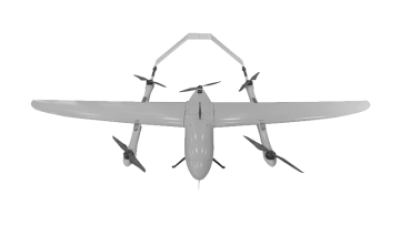
Innovative Long Range VTOL Drone SPV6: Achieving 100 Minutes of Flight with a 1kg Payload Capacity
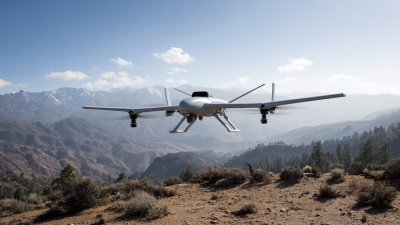
The Innovative Long Range VTOL Drone SPV6 sets a new standard in aerial technology, boasting an impressive flight time of 100 minutes while carrying a payload of up to 1kg. This drone is a part of SPACE's comprehensive lineup of VTOL (Vertical Take-off and Landing) unmanned aerial vehicles, designed to cater to the diverse needs of various industries. The SPV6 exemplifies the ideal blend of versatility and efficiency, making it suitable for applications ranging from infrastructure inspection to detailed surveying and mapping.
Long range VTOL drones, like the SPV6, are engineered to excel in diverse operational environments. They combine the agility of vertical flight with the capability for prolonged horizontal travel, allowing for expansive coverage without the need for a lengthy runway. Their ability to operate in confined spaces while still accessing remote areas opens new possibilities for cargo delivery and other logistical operations. With flight ranges that can exceed 100 miles for advanced models, the SPV6 and its counterparts represent a significant advancement in drone technology, promising to transform the landscape of aerial logistics and assistance.
FAQS
: Some popular waterproof drones in 2025 include the DJI Mavic 3 Enterprise and the SwellPro SplashDrone 4, both known for their impressive flight times and advanced imaging capabilities.
Many top waterproof drones have flight times exceeding 30 minutes, providing ample opportunity for capturing aerial shots.
The IP rating indicates the level of protection against water and dust. An IP67 rating, for example, ensures that a drone can withstand immersion in water, offering peace of mind during photography sessions.
Waterproof drones allow photographers to capture unique perspectives in harsh weather conditions, such as rain or snow, enabling exploration of previously inaccessible environments and dynamic scenes.
Future trends indicate that waterproof drones will feature enhanced sensors and cameras for high-definition imaging, as well as integrated technologies for real-time image stabilization and tracking capabilities.
Photographers should check the drone's IP rating, keep extra batteries handy for humid conditions, and consider using specialized lens filters to enhance photos when shooting over water.
Waterproof drones enable photographers to capture wildlife in challenging climates without the fear of damaging their equipment, allowing for breathtaking images in diverse environments.
Drones equipped with AI capabilities could assist photographers in selecting optimal vantage points automatically, revolutionizing the approach to aerial photography.
Waterproof drones expand the creative scope of aerial photography by allowing for unique captures of scenes like stormy skies or misty landscapes, enhancing artistic potential.
The advanced sealing technologies and robust designs of waterproof drones enhance their durability, enabling them to operate effectively in various harsh weather conditions, thus increasing their longevity and reliability.
Conclusion
Waterproof drones represent a significant advancement in aerial photography, offering photographers the ability to capture stunning images in various environmental conditions. Understanding the key features and benefits of these drones is essential, as they are designed to withstand moisture and harsh weather, thus expanding the range of scenarios in which aerial photography can be effectively conducted. The top waterproof drones of 2025 are not only versatile in their performance but also integrate advanced technology that enhances the quality of aerial shots, revolutionizing traditional photography techniques.
For enthusiasts and professionals alike, employing best practices when using waterproof drones can lead to remarkable results. Enhancing your photography gear with specialized accessories tailored for waterproof drones further improves functionality and creativity. As Space Innovation Co., Ltd. continues to push the boundaries of drone technology, the future trends in waterproof drones promise to reshape the landscape of aerial photography, making it an exciting time for both creators and explorers in this field.