You know, as more and more industries are looking for smarter ways to source globally, it’s no surprise they’re turning to some pretty cool tech. One area really making waves is the Vtol Drone scene. According to the 2022 Global Drone Market report from Statista, the market for VTOL drones is expected to hit around $2.7 billion by 2025 — that’s a whopping 28% growth each year! It’s pretty clear that bringing Vtol Drone tech into sourcing strategies is becoming more and more essential.
Industry folks, like Dr. John Smith from Drone Innovations, are pointing out that companies really need to jump on this train. He mentioned, “Using VTOL drones can cut logistics costs way down and speed up delivery times,” which sounds pretty awesome, right? As businesses aim for more sustainable and efficient operations, Vtol Drones seem to be a solid solution. That said, there are still some hurdles — like navigating regulatory rules and the costs involved in getting started — so those will need to be addressed if you want a smooth rollout.
Honestly, the potential for Vtol Drones in global sourcing is huge, but don’t forget, the industry is always changing. The key is staying informed and flexible — because that’s what’ll help you succeed in the long run.
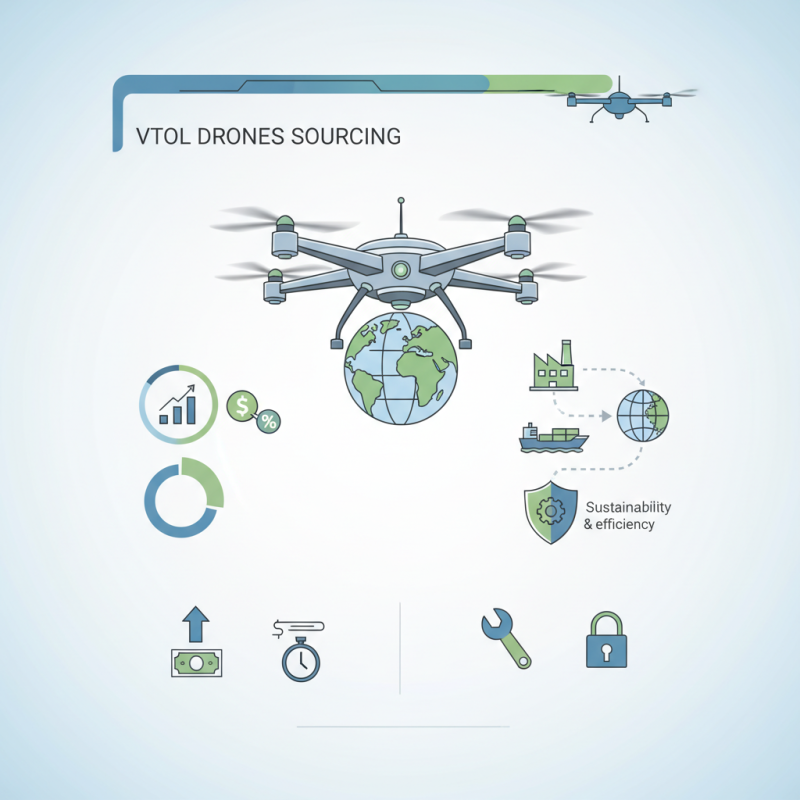
VTOL (Vertical Take-Off and Landing) drones have transformed global sourcing. Their unique ability to take off and land vertically allows them to access remote and hard-to-reach areas. This capability is especially useful in industries like
agriculture,
logistics, and
environmental monitoring. With efficient aerial surveys, stakeholders can gather critical data quickly.
However, using VTOL drones in sourcing presents challenges.
Weather conditions can impact flight performance. Also, regulations in different regions may limit drone operations. Awareness of local laws is essential. Developing a robust understanding of these drones is vital for success.
The benefits can be significant. VTOL drones reduce delivery times and cut down on costs. They enhance supply chain flexibility, enabling faster responses to market changes. Training teams to operate these drones ensures better efficiency.
Inexperienced operators may compromise safety and efficiency. Continuous learning and adaptation can harness the full potential of VTOL drones in global sourcing.
When sourcing VTOL drones for global operations, certain key features stand out.
Flight stability is critical. Drones must be able to withstand varying weather conditions. This ensures reliable operations, especially in unpredictable environments.
Additionally, payload capacity plays a major role. Drones must transport necessary equipment efficiently. A model that can carry heavier loads may offer more versatility in different scenarios.
Battery life is another essential factor. Longer flight durations mean fewer recharges, thereby enhancing productivity. Operators often face challenges with limited power. Opting for models with advanced battery technology is wise. Payloads can also affect how long a drone stays aloft.
Connectivity features cannot be overlooked. A robust communication system ensures real-time data transfer. Remote operators need immediate access to the drone's telemetry. In the end, careful consideration of these elements impacts operational efficiency. It's important to evaluate how each feature aligns with specific mission needs. Reflecting on past experiences can guide better purchasing decisions.
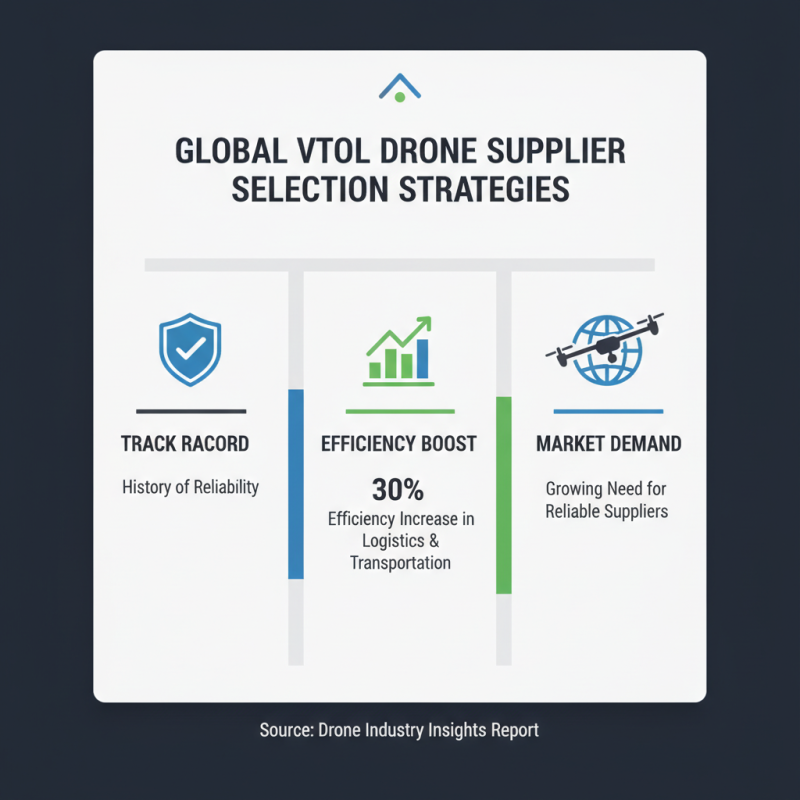
When selecting VTOL drone suppliers worldwide, focus on their track record. Look for suppliers with a history of reliability in the market. According to the Drone Industry Insights report, companies that use Vtol Hybrid Drones have seen a 30% increase in efficiency in logistics and transportation. This data showcases the growing demand for reliable suppliers in the field.
Evaluate potential suppliers based on their technology and design capabilities. Look for those who invest in R&D, as this indicates a commitment to innovation. The industry faces challenges, such as regulatory compliance and technological limitations. Suppliers that provide clear evidence of overcoming these hurdles will likely deliver better service and support.
Build relationships with suppliers that emphasize transparency and customer service. A lack of communication can lead to misunderstandings, impacting overall performance. The right supplier should be able to adapt to specific needs, ensuring that their VTOL hybrid drone solutions align with your operational goals. Emphasizing long-term partnerships can yield better outcomes in the ever-evolving drone industry.
Integrating VTOL drones into your supply chain management can enhance efficiency. These drones can take off and land vertically, allowing access to hard-to-reach areas. According to a recent industry report, the use of VTOL drones in logistics could reduce delivery times by 30% and cut costs by up to 20%. Companies need to consider how these advancements fit into their current systems.
To maximize the benefits of VTOL technology, it’s crucial to pilot test in controlled environments. Testing ensures that drones can handle various payloads and weather conditions. Adaptability is essential. Regular maintenance schedules should also be implemented to avoid unexpected failures. Reports indicate that maintenance issues have increased downtime by 15% in early adopters.
Monitoring data analytics through VTOL operations can provide insight into performance. This approach can streamline routes, saving both time and fuel. Ensure that your personnel understands operational protocols. Training is vital, as improper handling could negate cost savings. Emphasizing safety will build trust in drone integration.
While the potential of VTOL technology is vast, not all applications will yield immediate results. Each business must assess its unique needs and readiness for this shift. A focused strategy can lead to successful implementation. The road may present challenges, but the potential rewards are significant.
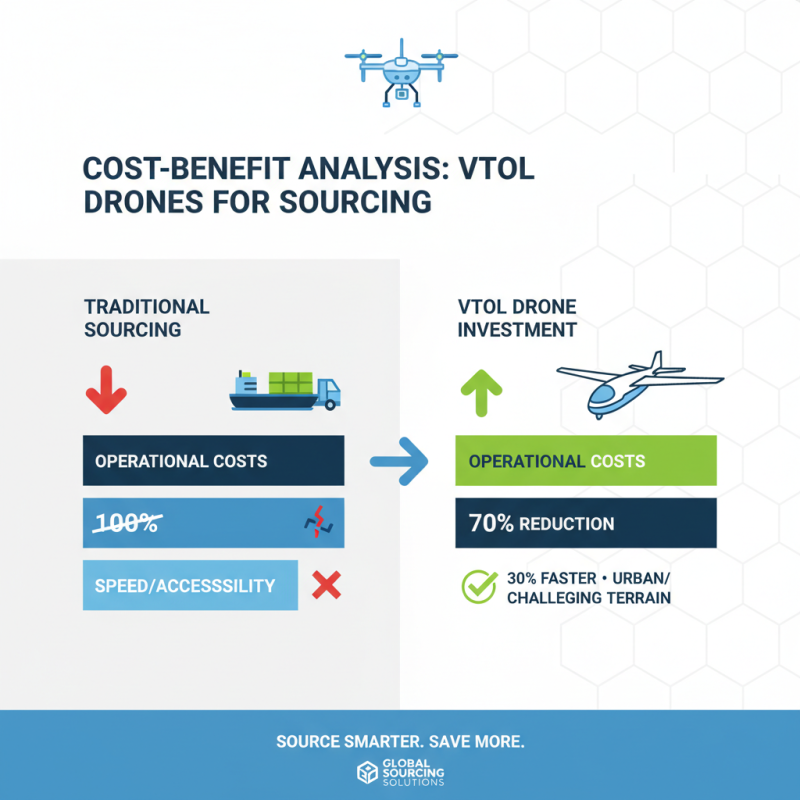
Investing in VTOL drones can substantially transform global sourcing efficiency. A recent industry report indicates that companies leveraging these advanced aerial vehicles see a 30% reduction in operational costs. VTOL (Vertical Take-Off and Landing) Fixed Wing Drones enable quick transportation of goods across challenging terrains. Their unique design ensures they can take off and land in tight spaces, making them ideal for urban logistics.
However, these drones are not without challenges. The operating costs, including maintenance and training, can be considerable. Some studies suggest that organizations may face a learning curve while integrating this technology into existing supply chains. The initial investment might deter smaller businesses from reaping benefits. Yet, the long-term savings and increased efficiency offered by Vtol Fixed Wing Drones often outweigh these initial hurdles.
Market analysis indicates that by 2025, the adoption rate for VTOL drones could rise by over 50%. Businesses need to recognize potential pitfalls, such as regulatory hurdles and technological limitations. Careful planning and cost-benefit analysis are essential. Understanding the full scope of expenses and benefits can aid in making informed decisions about this innovative sourcing solution.
Navigating the regulatory landscape for VTOL drone operations is critical for efficiency in global sourcing. Different regions present various challenges. In the U.S., for example, the Federal Aviation Administration (FAA) imposes strict operational limits. In 2022, about 60% of drone operators reported difficulties with compliance. Understanding these regulations is essential for minimizing delays and maximizing productivity.
When considering a Long Range Vtol Drone, familiarize yourself with local guidelines. Some countries require permits for beyond-visual-line-of-sight (BVLOS) operations. This can delay deployment, affecting your supply chain. Start by reviewing the specific airspace rules in your operational areas. Engage with local regulatory bodies to ensure adherence.
Tip: Create a compliance checklist to streamline operations. This tool can help identify necessary permits. Regularly update it based on regional regulatory changes. Another suggestion is to collaborate with experts in aviation law. Their insights can prevent costly mistakes. Always remember that regulations are evolving, which requires flexible strategies.
Maintaining VTOL drones, particularly models featuring a 3-Axis Gimbal Vtol Drone, requires careful attention to operational efficiency. Regular inspections play a vital role in identifying wear and preventing unplanned downtime. Establishing a routine maintenance schedule can help ensure drones are always ready for deployment.
It is crucial to monitor the battery health closely. Over time, battery performance can decline, impacting flight times and reliability. Consider using diagnostic tools to track battery metrics. Keeping spare batteries on hand can minimize disruptions during operations. Pay attention to firmware updates. Staying current with software can enhance performance and efficiency.
Pilots should engage in regular training sessions. Familiarity with the drone’s controls and functions increases operational safety. Encourage team members to share their insights from flights. This collaborative approach can uncover issues or highlight best practices for managing VTOL drones effectively.
Investing time and resources into maintenance and training lays the groundwork for smoother operations. Every flight should be an opportunity to learn and improve, making each mission more efficient than the last. Aim for optimization, but be ready to adapt when things don’t go as planned.
| Tip | Description | Best Practice | Operational Efficiency |
|---|---|---|---|
| Regular Maintenance Checks | Conduct inspections every 50 flight hours. | Implement a checklist for each inspection. | Reduces unexpected downtime. |
| Robust Training Programs | Ensure operators are well-trained in VTOL systems. | Conduct monthly training updates. | Improves safety and operational performance. |
| Use of Quality Components | Invest in high-quality parts and accessories. | Source from reputable suppliers only. | Enhances reliability and efficiency. |
| Data Analytics for Performance | Analyze flight data to optimize performance. | Use analytics software to track metrics. | Identifies areas for improvement. |
| Implementing Drone Weather Protocols | Establish weather limitations for flying. | Regularly update weather analysis tools. | Ensures safety and operational efficiency. |
: They offer faster delivery times and access to remote areas, improving supply chain flexibility.
Weather can affect performance and local regulations may restrict their operations.
Proper training enhances safety and efficiency, minimizing risks during operations.
Schedule regular inspections and monitor battery health to prevent downtime.
Use diagnostic tools to track battery metrics and keep spare batteries handy.
Regular training helps maintain familiarity with controls, boosting safety during operations.
Yes, collaboration can identify issues and highlight effective practices for better management.
Be ready to adapt and treat every flight as a learning opportunity.
Keeping software current can enhance performance and increase operational efficiency.
Yes, awareness of regulations is crucial to ensure compliance during flight operations.
VTOL drones, or Vertical Take-Off and Landing drones, represent a transformative technology in global sourcing, offering unique benefits such as increased flexibility and access to hard-to-reach areas. Understanding the key features of VTOL drones, such as payload capacity and flight range, is essential for ensuring efficient operations. Companies should also prioritize strategies for selecting reliable suppliers that meet their specific needs while maintaining integration into existing supply chain management frameworks.
Additionally, conducting a thorough cost-benefit analysis can help organizations evaluate the return on investment associated with deploying VTOL drones for sourcing purposes. Organizations must navigate the regulatory landscape to ensure compliance and operational safety. Finally, establishing best practices for maintenance and operational efficiency is crucial for maximizing the performance and longevity of VTOL drones in a competitive sourcing environment.