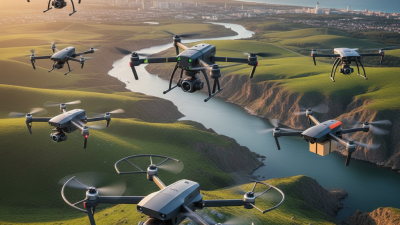
In today’s world moving at lightning speed, security really is more important than ever. You know, those surveillance drones have totally changed the game when it comes to watching over and protecting our surroundings. I read somewhere that Dr. Emily Carter, a well-known expert in drone tech at SkyGuard Solutions, mentioned that "surveillance drones boost our visibility and response times." It’s pretty clear these little flying tools are playing a huge role in keeping us safe these days.
What’s pretty cool about surveillance drones is how quickly they can cover a lot of ground. They give us real-time info that old-school methods just can’t keep up with. Law enforcement, border patrol — practically everyone is using them now. But here’s the thing: not all drones are the same. Picking the right one for your needs is super important.
With so many options out there, it’s easy to get all overwhelmed and confused. Some drones come with fancy features, while others are pretty basic. So, it’s really about figuring out what you actually need — because having all the cool tech doesn’t automatically mean you’re better protected. The key is making the right choices, not just getting the latest gadgets.
Overview of Surveillance Drones and Their Applications in Security
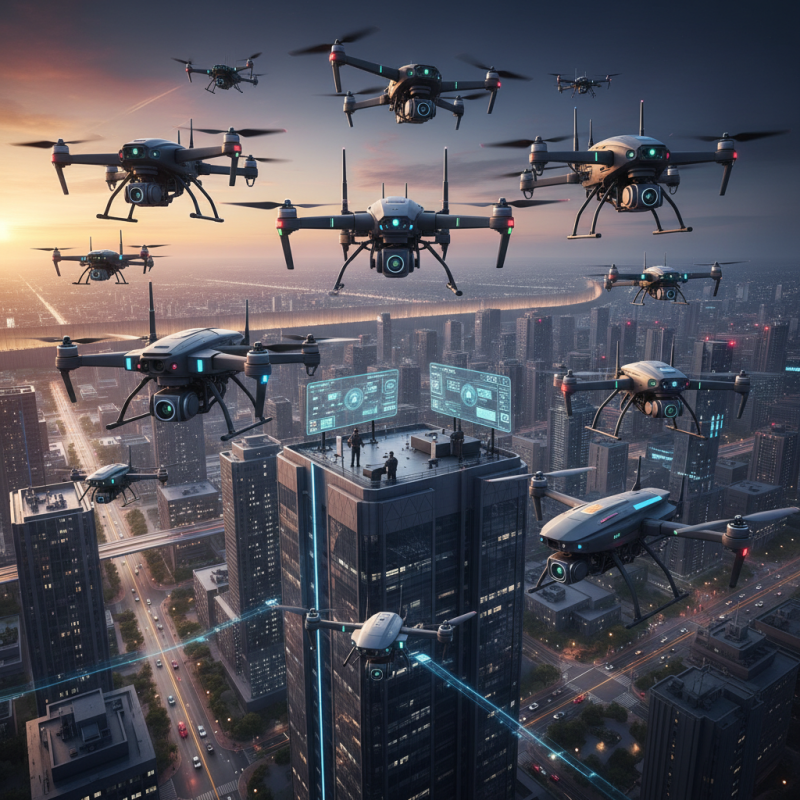
Surveillance drones have become vital tools in enhancing security. These unmanned aerial vehicles (UAVs) offer impressive capabilities, with the global drone market for security projected to grow from $12 billion in 2020 to over $29 billion by 2026, as per industry reports. They can cover large areas quickly, providing real-time video feeds. This allows for immediate response to incidents.
Many organizations use drones for monitoring critical infrastructures, such as borders, stadiums, and events. Their ability to fly at various altitudes enhances surveillance efficacy. A study by the Federal Aviation Administration highlighted drones’ effectiveness in situations where traditional surveillance methods may fail. However, there are concerns about privacy violations and data security. Striking a balance between public safety and individual privacy remains a challenge.
Despite the numerous benefits, drones may not be foolproof. Technical failures can compromise missions, and reliance on technology raises questions. In high-stress situations, operators may struggle to interpret data accurately. Continuous training for personnel is essential, yet often overlooked. As drones evolve, their integration into public safety strategies must be carefully assessed and improved.
Key Features to Consider When Choosing Surveillance Drones
When selecting surveillance drones, several key features should guide your choice.
Flight time is crucial. Many models offer flight times between 20 to 40 minutes.
Longer durations enhance coverage and reduce the need for frequent battery changes. Look for drones with robust battery life to
ensure they meet your surveillance needs.
Camera quality is another essential aspect. High-resolution cameras deliver clear images, even in low light. Some drones
offer 4K video, while others provide 1080p. An
Ai Surveillance Drone
can automatically track moving objects, providing more effective monitoring. A gimbal-stabilized camera helps minimize
blur from sudden movements. However, balancing quality with budget constraints can pose a challenge.
Lastly, consider ease of use. Some models feature user-friendly interfaces, making
them ideal for beginners. Others come with advanced functions requiring more expertise. It’s important to evaluate your
level of experience. As you weigh these factors, remember that the right drone should fit your unique
security requirements.
Top 10 Surveillance Drones for Enhanced Security Solutions
Surveillance drones are changing the way we think about security solutions. These advanced devices offer real-time monitoring and can cover vast areas. The ability to track movements from above provides an unmatched perspective for security teams. With various features, drones ensure safety in both urban and rural environments.
Many drones are equipped with high-definition cameras. Some can operate in low-light conditions, enhancing visibility at night. Other options include thermal imaging for identifying temperature variations. However, not all
Drone Surveillance Systems are perfect. Some can be limited by battery life or weather conditions. Users often face challenges such as signal interference, which can disrupt feed quality.
Choosing the right surveillance drone is essential. Factors like range, battery life, and camera capabilities should be considered. Not every drone meets the unique needs of every user. Reflecting on the effectiveness of a drone surveillance system can lead to improved security strategies. Exploring options and learning from experiences can ultimately enhance safety measures.
Comparative Analysis of Leading Surveillance Drone Models
In the realm of enhanced security solutions, the selection of surveillance drones can be overwhelming. Each model presents distinct features and capabilities. Some drones focus on high-resolution imaging, while others offer extended flight times. This diversity allows users to choose according to their specific needs. However, not all models perform equally in real-world scenarios. Battery life and signal strength can vary greatly, impacting operational effectiveness.
User reviews often highlight the importance of ease of use. Many drones come equipped with sophisticated software, but complexity can pose challenges. Intuitive controls are crucial for effective Drone Security Surveillance. Models with user-friendly interfaces can make a significant difference in urgent situations. Yet, some users find that even the best models have limitations, like poor performance in adverse weather conditions.
Durability is another essential factor. Surveillance drones should withstand various environments. However, certain models may struggle with harsh elements. Regular maintenance and thoughtful inspections are necessary for optimal performance. Ignoring these aspects can lead to unexpected failures. Ultimately, the choice hinges on a careful evaluation of each drone’s strengths and weaknesses.
Top 10 Surveillance Drones for Enhanced Security Solutions
| Model |
Camera Resolution |
Flight Time |
Range |
Features |
| Drone A |
4K UHD |
30 mins |
5 km |
Thermal Imaging, GPS |
| Drone B |
1080p |
28 mins |
10 km |
Obstacle Avoidance |
| Drone C |
2K |
35 mins |
8 km |
Real-time Streaming |
| Drone D |
4K |
25 mins |
5 km |
Night Vision |
| Drone E |
HD |
40 mins |
6 km |
Live Tracking |
| Drone F |
720p |
32 mins |
3.5 km |
FPV Mode |
| Drone G |
4K UHD |
30 mins |
15 km |
Auto Return |
| Drone H |
2K |
29 mins |
7 km |
GPS Tracking |
| Drone I |
1080p |
24 mins |
4 km |
Real-time Alerts |
| Drone J |
4K |
30 mins |
12 km |
AI Object Recognition |
Cost-Effectiveness and ROI of Surveillance Drone Implementation
Surveillance drones are increasingly popular in various security applications. They offer comprehensive monitoring with real-time data. This leads to improved safety for businesses and communities. The initial investment can seem high, but the benefits can be substantial. The potential return on investment (ROI) is a crucial factor to consider.
Implementing drones can reduce manpower costs over time. For example, fewer security personnel may be needed. Drones can cover large areas quickly, identifying threats that may otherwise go unnoticed. However, not every investment guarantees success. There can be technical challenges and integration issues with existing systems. These factors may cause unexpected expenses and delays.
Cost-effectiveness extends beyond mere purchases. Training staff to operate drones efficiently is vital. This training requires time and resources. Ongoing maintenance and software updates also add to costs. Businesses must weigh these against the long-term security improvements. Balancing these elements is essential for effective surveillance solutions.
Top 10 Surveillance Drones for Enhanced Security Solutions
This chart illustrates the cost-effectiveness scores of the top 10 surveillance drones evaluated for enhanced security solutions. The scores reflect the drones' value in investment regarding their capabilities and performance in various security applications.
Future Trends in Surveillance Drone Technology for Security
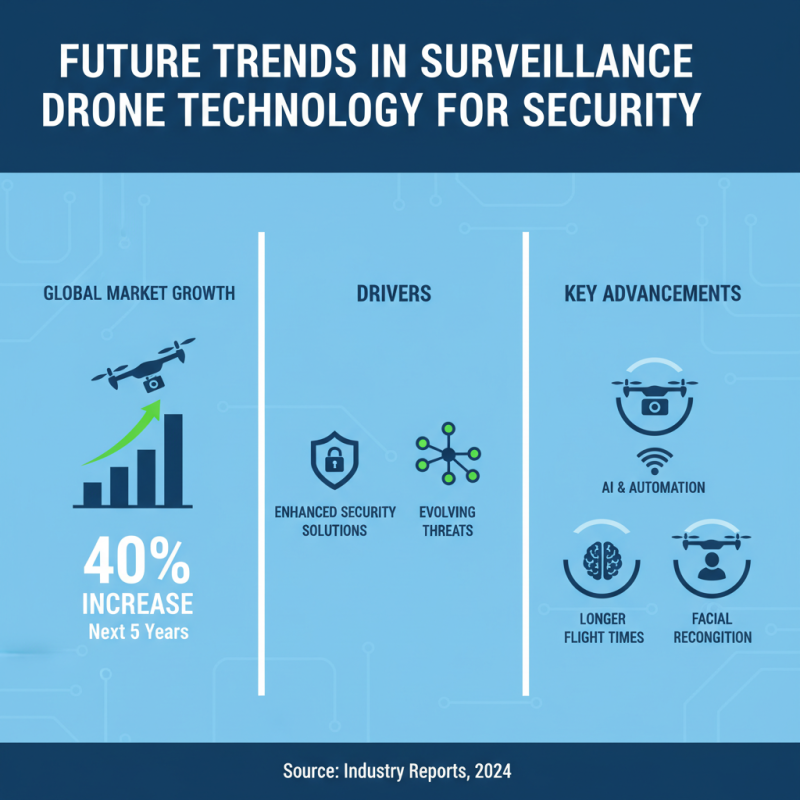
The landscape of surveillance drone technology is rapidly changing. Recent industry reports show that the global market for surveillance drones is expected to grow by over 40% in the next five years. This significant growth is driven by the increasing need for enhanced security solutions. As threats evolve, so do the technologies that can combat them.
Innovations such as high-resolution cameras and thermal imaging are becoming standard features. These enhancements allow drones to effectively monitor large areas, even in low-light conditions. However, the rise of drone use also invites concerns about privacy and data security. Questions remain about how to protect individuals from unauthorized surveillance.
Moreover, the integration of AI in drones is compelling but not without flaws. AI can improve target detection, but it also raises the risk of misidentification. There are reports suggesting that algorithms may be biased, leading to potential misjudgments. As the technology advances, industry leaders must address these ethical challenges to build public trust. The future of security drones is bright, yet complex issues loom on the horizon.
Regulatory Considerations and Ethical Implications of Surveillance Drones
As the use of surveillance drones increases, ethical considerations come into sharp focus. These devices offer enhanced monitoring capabilities. However, they also raise significant questions about privacy rights. A report from the National Institute of Justice indicates that public opinion is deeply divided on this issue. Approximately 56% of the population fears surveillance could infringe on their personal liberties.
Regulatory frameworks need to catch up with technological advancements. Many regions lack clear guidelines on drone deployment, especially concerning data collection and storage. The European Union is leading the way in establishing strict regulations. Yet, enforcement remains a challenge. Surveillance drones, particularly the Long Range Surveillance Drone type, can collect vast amounts of data, often without clear consent. Ethical implications arise when we consider ownership and control of this data.
Moreover, the risk of misuse looms large. Instances of unauthorized data sharing or hacking can have significant consequences. A survey by the Pew Research Center revealed that 70% of respondents expressed concern over the potential misuse of drone-collected data. The need for transparent policies is vital to address these issues while ensuring security is not compromised. As technology advances, the ethical discourse surrounding surveillance drones will only become more intricate.
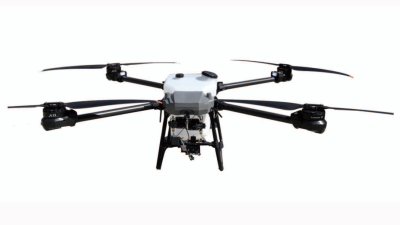
Innovative Solutions for Solar Panel Maintenance: Overview of the Solar Panel Cleaning Drone-SCL50
As the adoption of photovoltaic power generation continues to expand among large enterprises, the maintenance of solar panels has emerged as a significant concern. Research indicates that unclean solar panels can lose up to 25% of their efficiency, leading to substantial revenue losses. The innovation of the Solar Panel Cleaning Drone, specifically the SCL50 model, presents a timely solution to this pressing issue. Drones can efficiently clean solar panels, ensuring optimal energy production while significantly reducing labor costs and improving safety standards.
The SCL50 drone employs advanced technology to wash solar panels with precision, overcoming the limitations of traditional cleaning methods. Unlike human laborers or stationary robots, drones can access hard-to-reach areas and operate without disrupting the solar farm’s productivity. Furthermore, drone cleaning is eco-friendly, utilizing less water compared to conventional cleaning systems, aligning with sustainability goals of renewable energy companies. Industry analysis highlights that incorporating drone technology into maintenance practices can drastically lower operational costs—potentially saving solar operators millions annually while enhancing their competitive edge.
Adopting innovative solutions like the SCL50 not only addresses the cleanliness of solar installations but also promotes long-term efficiency and effectiveness in power generation. As companies increasingly recognize the benefits of automated cleaning systems, we can expect drones to play a pivotal role in the future landscape of solar energy maintenance. Such technology is not just a step forward; it is the future of maintaining clean, efficient solar environments.
FAQS
: Flight time is crucial. Most drones range from 20-40 minutes. Longer times enhance coverage and reduce battery changes.
High-resolution cameras provide clear images, especially in low light. Choices include 4K or 1080p models, which vary in cost.
Beginners should choose drones with user-friendly interfaces. Advanced functions may require more skill and experience to operate.
Drones can reduce manpower costs over time. Fewer security personnel may be necessary, improving overall efficiency and safety.
Integration issues with existing systems can occur. Unexpected expenses and delays can happen when implementing new technology.
Efficient operation requires proper training, which demands time and resources. Ongoing maintenance and software updates add to overall costs.
Innovations like high-resolution cameras and thermal imaging are common. They enhance monitoring ability, even in low-light conditions.
The rise of surveillance drones raises privacy and data security concerns. There is a need for measures against unauthorized surveillance.
AI dramatically improves detection but can misidentify targets. Reports show algorithms may be biased, leading to errors in judgment.
The future of security drones promises growth, yet ethical challenges linger. Addressing public trust is essential for successful implementation.
Conclusion
Surveillance drones have become pivotal tools in enhancing security solutions across various sectors. Their applications range from monitoring large public spaces to providing real-time data during emergencies. When selecting a surveillance drone, key features such as flight duration, camera quality, and range must be considered to ensure optimal functionality. A comparative analysis of the leading models highlights the strengths and weaknesses of each, providing insights for potential users.
The cost-effectiveness and return on investment (ROI) of implementing surveillance drones are significant, particularly when considering their long-term benefits in crime prevention and incident response. As technology evolves, future trends in surveillance drone capabilities, including improved AI integration and autonomous operations, promise to further enhance their effectiveness in security applications. However, users must remain mindful of regulatory considerations and the ethical implications surrounding privacy and surveillance practices.