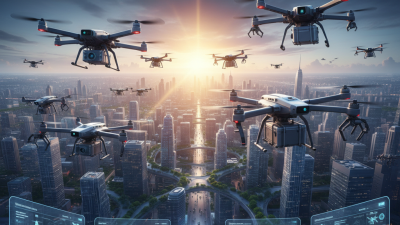
Lately, technology has really been changing the game in farming. One of the coolest innovations out there is the Spray Drone. These little guys have totally boosted how efficiently farmers can manage their crops. In fact, more and more farmers across China are starting to use spray drones for spraying pesticides and fertilizers—they’re a real game-changer. It’s all part of this bigger shift toward precision agriculture, where every little detail counts.
Looking ahead to 2026, the market for Spray Drones in China is expected to blow up. Lots of new companies are popping up, each offering different models tailored to farmers’ specific needs. For example, DJI has some pretty advanced spraying drones with smart features, and brands like XAG are focusing on autonomous tech to make farming even easier. But, of course, before jumping in, farmers really need to weigh the costs and tech specs—they’re not one-size-fits-all.
That said, it’s not all smooth sailing. There are still questions around regulations and safety concerns that come with using these drones. Plus, learning how to operate them can be a bit of a steep climb for some folks, making adoption a little challenging at first. Still, despite these hurdles, it’s pretty clear that spray drones bring a lot of benefits, and as technology continues to improve, the future of farming looks pretty exciting with all these innovations on the horizon.
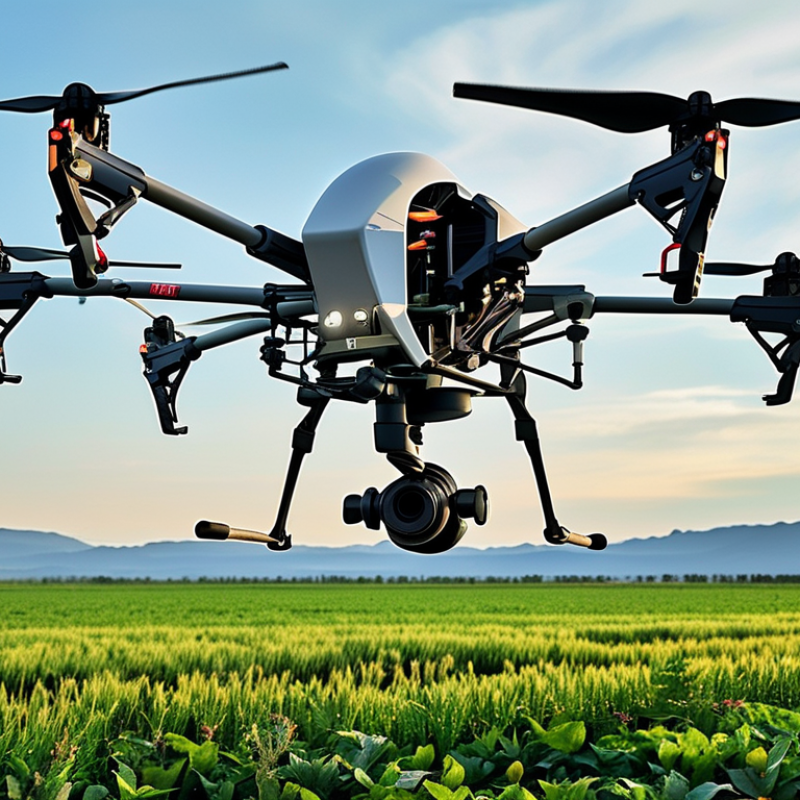
Overview of Agricultural Spray Drones in China
In recent years, agricultural spray drones have transformed farming practices in China. By 2026, this technology is expected to grow significantly. According to a report by Agricultural Technology Insights, the market for
Farm Spray Drones in China is projected to reach $1 billion, reflecting a CAGR of over 25% from 2021. Such growth indicates a rising reliance on automation in agriculture.
Farm spray drones provide several benefits, including efficient pesticide application, reduced labor costs, and environmental sustainability. These drones can cover large areas quickly, applying pesticides evenly without soil compaction. However, the integration of this technology is not without challenges. Many farmers still face technical hurdles, such as insufficient knowledge about drone operation and maintenance. Addressing these gaps is crucial for maximizing the potential of farm spray drones.
Data shows that about 30% of farmers in China express hesitance to adopt this technology. Concerns about repair costs and regulatory issues remain prevalent. Future training programs might help bridge this gap and enhance user confidence. The potential impact of farm spray drones on yields and sustainability is substantial, yet the path to widespread adoption requires careful consideration of existing barriers.
Key Features to Consider in Spray Drones
When selecting spray drones for agriculture, key features are crucial for maximizing operational efficiency. One significant aspect is payload capacity. Drones with higher payload capacities can carry more liquid, which directly affects the area they can cover. According to industry data, the Largest Spray Drone can hold over 40 liters of liquid, facilitating large-scale applications. This is particularly important for extensive fields, where minimizing refill trips is vital to save time and labor.
Another critical feature is flight time. Many advanced spray drones offer flight times of 20 to 30 minutes per charge. Farmers need drones that can operate efficiently without frequent interruptions. Moreover, the ability to fly under various weather conditions is a vital consideration. Drones with advanced stabilization technology can perform well even in windy conditions, ensuring consistent application rates.
Precision is an increasingly important factor. Drones that feature GPS mapping and variable rate technology allow for targeted spraying, reducing waste and optimizing chemical use. In a market study, it was noted that precision spraying can reduce pesticide use by up to 30%. This not only cuts costs but also lessens environmental impacts. However, achieving this precision requires proper calibration and user training. It’s a reminder that while technology is advanced, human oversight remains essential for achieving desired outcomes.
Top 10 Spray Drones for Agriculture in China 2026 - Key Features to Consider
| Model |
Spray Capacity (L) |
Flight Time (min) |
Max Payload (kg) |
Coverage Area (ha/h) |
Price (USD) |
| Model A |
20 |
25 |
5 |
8 |
5000 |
| Model B |
25 |
30 |
7 |
10 |
6500 |
| Model C |
18 |
28 |
6 |
9 |
5500 |
| Model D |
15 |
22 |
5 |
7 |
4800 |
| Model E |
30 |
35 |
8 |
12 |
7500 |
| Model F |
22 |
27 |
6.5 |
9.5 |
6200 |
| Model G |
28 |
32 |
7.5 |
11 |
7000 |
| Model H |
24 |
29 |
6 |
10 |
5800 |
| Model I |
26 |
31 |
8.5 |
11.5 |
7200 |
| Model J |
23 |
26 |
5.5 |
8.5 |
5500 |
Top 10 Spray Drones for Agriculture in China
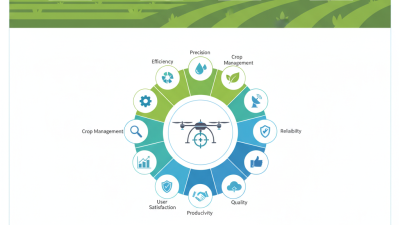
Spray drones are transforming agriculture in China. These high-tech devices support crop management and enhance efficiency. As farming becomes more complex, understanding the best options for spray drones is crucial for farmers.
Selecting a spray drone requires careful consideration. Look for models with precise spraying capabilities. This helps reduce waste and improve crop yield. Farmers should evaluate each drone's features closely. Battery life, payload capacity, and software compatibility matter.
Tips: Check for ease of use. Some drones may seem complicated at first. Look for resources to simplify operation. Read user manuals and watch tutorial videos.
Another important aspect is maintenance. Regular checks can prevent costly breakdowns. Over time, parts may wear out and require replacement. Keeping your Fertilizer Spray Drone in top shape ensures reliable performance.
Drones offer data insights for strategic farming decisions, but they aren't a complete solution. Technology should supplement traditional methods, not replace them. Balance is vital for effective agriculture in 2026.
Comparison of Spray Drone Technologies by Leading Manufacturers
The agricultural sector in China is rapidly evolving. By 2026, several manufacturers will compete in the spray drone market. Each brand boasts unique technologies designed to enhance crop management. Advanced features like intelligent navigation and automated spraying are common among leading models. However, the differences in performance and reliability remain a topic for further discussion.
Comparing these technologies reveals a wide range of capabilities. Some drones focus on high efficiency in large fields, while others excel in precision agriculture for smaller plots. The calibration of spraying systems varies greatly, affecting coverage rates and ease of use. Farmers must consider these factors when choosing a drone. The promise of reduced labor and increased yield is tempting, yet challenges in maintenance and technical support remain. A robust support system for users will determine the success of these technologies.
Potential buyers should also reflect on the integration of these drones into existing agricultural practices. Compatibility with current equipment is crucial. Understanding the learning curve associated with operating these drones cannot be overstated. While the technology shows great promise, full reliance on it without proper training might lead to suboptimal results. Adapting to new technologies requires time and patience from farmers.
Regulatory Environment for Spray Drones in Chinese Agriculture
The regulatory environment for Agri Spray Drones in China is rapidly evolving. As the country aims to modernize its agricultural practices, new regulations are emerging to ensure safety and efficiency. According to a report by the China Agricultural University, the use of drones for crop spraying is projected to increase by 30% annually from 2023 to 2026. This highlights the growing importance of regulatory oversight.
Compliance with safety standards is a priority. Operators must ensure their drones meet the design and operational guidelines set by the Civil Aviation Administration of China (CAAC). The CAAC has established protocols regarding flight permissions and operational areas. However, many farmers still lack awareness of these regulations. Training and education programs are necessary to help users understand their responsibilities.
In addition, local governments play a crucial role. Some regions have initiated pilot programs to test the effectiveness of drone technology in crop management. The outcome of these programs can inform future regulations. Yet, challenges remain in integrating drone usage with traditional farming practices. Balancing innovation with regulatory compliance will be key in shaping the future of Agri Spray Drones in China.
Future Trends in Agricultural Drone Usage in China
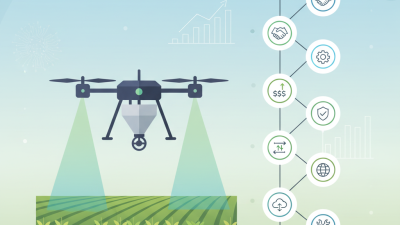
The agricultural landscape in China is rapidly evolving. By 2026, the use of spray drones is expected to become more mainstream. Farmers are increasingly recognizing the benefits of these technologies. Spray drones improve efficiency and reduce labor costs. They can cover large areas in a fraction of the time it takes traditional methods.
Tips for farmers: Start small with drone technology. Experiment with a single drone before scaling up. Understand the operating regulations in your region. Training is crucial. Using drones requires skills that may differ from conventional farming practices.
The trends indicate a shift towards precision agriculture. Farmers are expected to rely on data-driven insights to optimize crop management. However, integrating drones can be challenging. Connectivity issues in rural areas may hinder performance. Additionally, the initial investment might be a barrier for some smallholders. These factors emphasize the need for a thoughtful approach to adopting drone technology in agriculture.
Impact of Spray Drones on Crop Yields and Sustainability
The use of spray drones in agriculture has rapidly gained traction due to their ability to enhance crop yields and promote sustainability. These drones enable precise application of fertilizers and pesticides, reducing waste and minimizing environmental impact.
Farmers can efficiently cover vast fields, leading to uniform treatment and healthy crops. This technology helps ensure that every plant receives the care it needs, which can significantly boost overall productivity.
Despite the advantages, there are challenges that need reflection. Farmers must invest time in understanding drone operations and maintenance. Not all regions have access to the necessary training and resources.
Additionally, while drones improve application efficiency, reliance on technology can become problematic if equipment malfunctions occur during critical growth periods. Regions lacking internet connectivity or advanced technology may struggle to adopt this innovation fully.
Moreover, environmental impacts hinge on the type of chemicals used.
Sustainable farming practices should focus on integrating drone technology within a broader ecological framework. This includes assessing the long-term effects of chemical use on soil and water. Balancing productivity and sustainability requires careful planning and continuous evaluation of outcomes.
FAQS
: Regulations are evolving to ensure safety and improve agricultural practices. New rules are being developed as drone use increases.
The use of drones for crop spraying is projected to increase by 30% annually from 2023 to 2026.
The Civil Aviation Administration sets safety standards and operational guidelines for drone operations in agriculture.
Many farmers lack awareness of regulations. Training can help them understand their responsibilities when using drones.
Spray drones allow precise application of fertilizers and pesticides, boosting productivity and promoting healthier crops.
Farmers must learn drone operations, and not all areas have the required training or resources for effective use.
Equipment malfunctions can disrupt operations, potentially harming crop health if they occur at crucial times.
Sustainable practices should assess the long-term effects of chemicals and ensure a balanced approach to productivity and ecology.
Access to training, resources, and internet connectivity is critical for effective drone usage in farming.
It helps to understand their long-term effects on soil and water, ensuring sustainable farming practices are maintained.
Conclusion
The article "Top 10 Spray Drones for Agriculture in China 2026" provides a comprehensive overview of the evolving landscape of agricultural spray drones in China. It discusses the key features that farmers should consider when selecting a spray drone, such as payload capacity, battery life, and precision technology. The article also highlights the top ten spray drones currently available in the market, analyzing their capabilities and comparing technologies from leading manufacturers.
Moreover, it examines the regulatory environment surrounding the use of spray drones in agricultural practices and explores future trends that may influence their adoption, such as advancements in automation and data analytics. The impact of spray drones on crop yields and sustainability is also addressed, indicating their potential to revolutionize farming efficiency and environmentally friendly practices in China. Overall, spray drones are poised to play a crucial role in modern agricultural techniques, enhancing productivity while promoting sustainable farming.