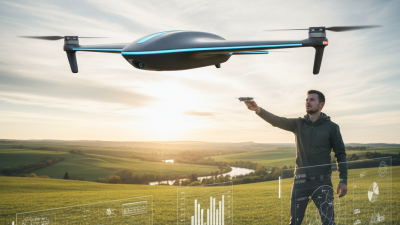
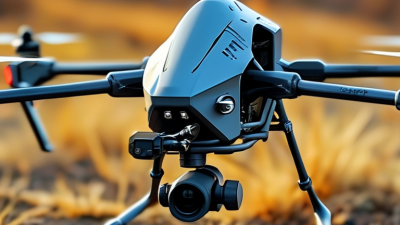
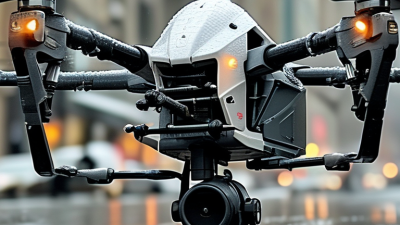
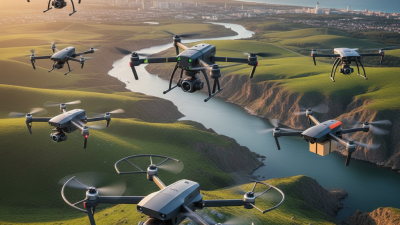
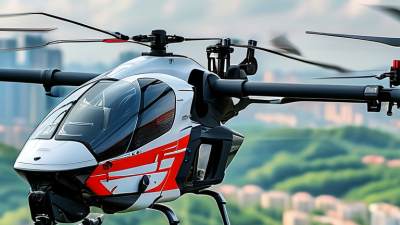
Lately, there's been a big spike in the demand for Rescue Drones around the world, especially in China. These cool gadgets have become pretty essential in emergency situations. Companies like DJI and EHang are really leading the way, creating more sophisticated tech to help with search and rescue missions. Honestly, the difference these drones can make in response times during critical moments is pretty impressive.
That said, it’s not all smooth sailing. Some models, for instance, run out of battery pretty quickly on longer missions. And the control systems can be a bit hit-or-miss depending on the manufacturer. If you’re shopping for a Rescue Drone, it’s important to keep these things in mind.
But it’s not just about the tech specs — knowing how these drones work in real life is just as important. First responders’ feedback shows a mix of pros and cons with current models. Plus, integrating drone capabilities often needs some collaboration with field experts, which can get pretty involved. So, if you’re in the market, make sure you do your homework, stay updated on the latest industry advances, and really understand what you’re getting into.
Top 10 Rescue Drones in China for Global Buyers
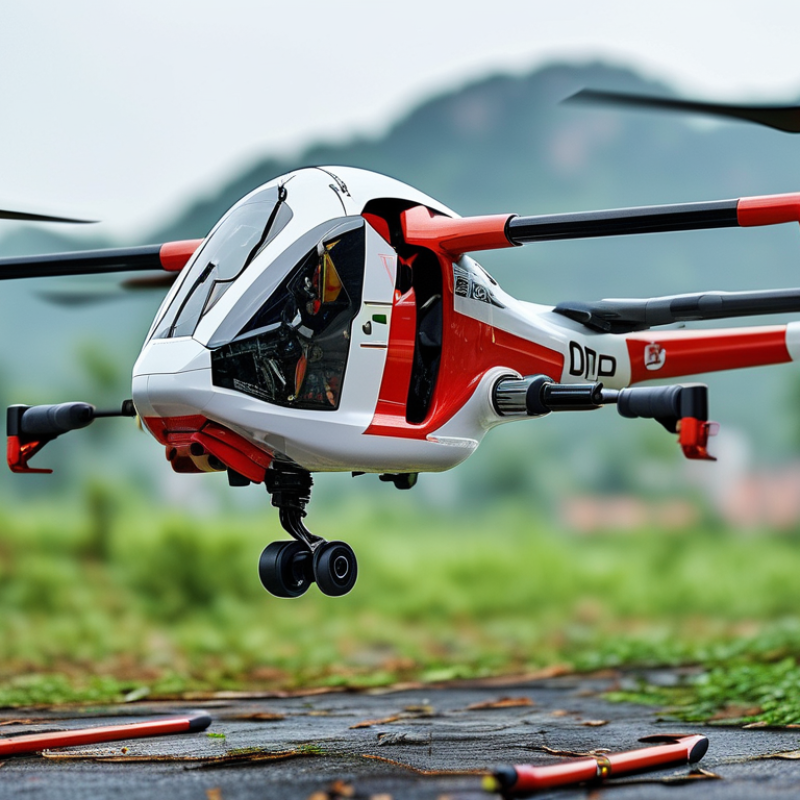
In recent years, the advancement of Rescue Drones in China has captured global interest. These unmanned aerial vehicles have become essential tools in emergency response situations. They assist first responders in locating missing persons and providing critical supplies in hard-to-reach areas. The demand for reliable rescue drones reflects a growing awareness of their potential impact in saving lives.
Chinese manufacturers have been at the forefront of this innovation. They focus on developing drones equipped with thermal imaging, real-time data transmission, and extended flight times. Some drones can carry medical supplies or deliver life-saving resources during disasters. However, challenges persist. Ensuring consistent performance in various weather conditions remains a concern. Also, the integration of new technologies often comes with a steep learning curve for operators.
The market is witnessing a mix of beginner-friendly models and advanced options for professional use. While some drones offer user-friendly interfaces, others might require significant technical expertise. Global buyers must evaluate their specific needs carefully. Selecting the right rescue drone involves balancing budget constraints with reliability and performance. Understanding the capabilities and limitations of these devices is crucial for effective deployment in real-life rescue scenarios.
Overview of the Rescue Drone Market in China
The rescue drone market in China is experiencing rapid growth. Various companies are focusing on developing innovative solutions for emergencies. These drones enhance search and rescue missions, providing real-time data and aerial support. They play a crucial role in disaster response, offering a new perspective for first responders.
China's advanced technology drives these developments. Many manufacturers are investing in research and development. This focus results in improved flight times, payload capacities, and imaging capabilities. However, challenges remain. The integration of drones with existing emergency services is still a work in progress. Regulations are evolving, and companies must navigate complex legal landscapes.
User feedback is essential for improvement. Many users appreciate the drones' efficiency but express concerns about battery life. Others highlight the need for better user interfaces. As the market continues to expand, manufacturers must listen closely. Adapting to users’ needs is key to ensuring these drones are effective tools in crisis situations.
Key Features and Specifications of Leading Rescue Drones
In recent years, rescue drones have become essential tools in emergency response. Their ability to reach difficult locations and provide crucial real-time data has transformed search and rescue operations. Many of these drones are equipped with high-resolution cameras and thermal imaging sensors. This technology helps locate missing persons in dense forests or during disasters.
The design of these drones often prioritizes durability and weather resistance. They can withstand harsh conditions, enhancing their reliability in urgent scenarios. Some models are designed to carry life-saving supplies, such as medical kits or flotation devices, making them invaluable during critical missions. However, the increasing sophistication of rescue drones also presents challenges. Operators must undergo rigorous training to ensure the effective use of each feature.
Furthermore, while many drones excel in specific environments, their performance may vary in others. Factors such as battery life, payload capacity, and signal range often complicate operation. Users should carefully consider these aspects when selecting a Fire Rescue Drone for their needs. Collaboration among emergency responders and drone manufacturers is crucial for the future of aerial rescues. Together, they can address these challenges and improve outcomes in the field.
Top 10 Rescue Drones in China for Global Buyers
| Model |
Max Payload (kg) |
Flight Time (minutes) |
Range (km) |
Camera Resolution (MP) |
Special Features |
| Model A |
20 |
40 |
15 |
12 |
Thermal Imaging |
| Model B |
25 |
50 |
20 |
16 |
Multi-Spectral Camera |
| Model C |
15 |
30 |
10 |
10 |
Auto-Pilot |
| Model D |
30 |
60 |
25 |
20 |
High Voltage Battery |
| Model E |
18 |
45 |
18 |
14 |
Real-Time Data Transmission |
| Model F |
22 |
55 |
22 |
12 |
Weather Resistant |
| Model G |
35 |
70 |
30 |
24 |
Enhanced Stability |
| Model H |
20 |
40 |
15 |
16 |
GPS Guided |
| Model I |
28 |
65 |
27 |
18 |
Lidar Capability |
| Model J |
20 |
40 |
50 |
10 |
Inflatable Canopy |
Market Leaders: The Top Brands of Rescue Drones in China
China is fast becoming a global hub for rescue drones. Various companies are leading this market, pushing innovation to new heights. They focus on developing drones that assist in emergency situations. Each brand distinguishes itself through unique features and capabilities.
Some drones excel in aerial surveillance. They offer real-time video feeds during search and rescue operations. Others are designed to transport supplies to remote areas. These specifications enhance their efficiency in critical scenarios. However, challenges remain. The integration of drones into existing rescue protocols can be complex. Training personnel to operate these drones effectively is another hurdle.
Market leaders emphasize durability and reliability in their products. Nevertheless, some users report issues with battery life during prolonged missions. Feedback suggests a need for improvements in long-range capabilities. Despite these concerns, the potential applications of rescue drones continue to inspire optimism. Their advancements could redefine how emergencies are managed, bridging gaps in traditional rescue methods.
Top 10 Rescue Drones in China for Global Buyers
This chart represents the estimated carrying capacity (in kg) of the top 10 rescue drones available in the Chinese market. The data reflects how much weight each drone can handle for rescue missions, which is crucial for their operational efficiency.
Case Studies: Successful Rescue Operations Using Drones
Drones have transformed rescue operations in China. Their ability to quickly assess situations offers critical advantages. A study indicates that drone technology can reduce response times by up to 30%. This prompt action is crucial in emergencies, where every moment counts.
The Maritime Rescue Drone has been instrumental in several real-life rescue missions. In one notable case, a drone located a missing fisherman in a vast sea area within minutes. Traditional methods would have taken hours. This efficiency highlights the growing reliance on drones for oceanic or remote rescues.
However, challenges remain. Not all areas have the necessary infrastructure for drone operations. Weather conditions can also hinder performance. Some drone operators may lack adequate training. This reflects the need for ongoing professional development in the drone industry. Despite these hurdles, the advancements in maritime rescue capabilities through drones are undeniable.
Comparative Analysis: Drone Performance Metrics and User Feedback
The Search And Rescue Drone market in China has seen remarkable growth.
Users prioritize performance metrics and real-world feedback. Drones designed for rescue operations need to deal with challenging environments,
from dense forests to urban areas. Some models excel in maneuverability, while others focus on payload capacity. Performance can vary based on design and technology used.
User feedback often highlights critical issues. Battery life can disappoint during extended operations. Some drones struggle with wind resistance, affecting operational stability.
Others are praised for their ease of use and quick deployment features. However, reliability in crucial situations remains a concern.
This leads to discussions on how manufacturers can improve these aspects, ensuring drones do not fail when lives are at stake.
Comparative analysis reveals distinct strengths and weaknesses among various models. Some offer advanced imaging, enhancing search capabilities.
Others provide robust communication systems which are vital in rescue scenarios. Yet, the balance between technology and user-friendliness poses a challenge.
Future improvements must address these gaps, creating more dependable Search And Rescue Drones for both local and international buyers.
Future Trends in Rescue Drone Technology and Global Implications
The emergence of rescue drones in China highlights significant advancements in technology. These unmanned aerial vehicles play vital roles in search and rescue operations. Equipped with thermal imaging, some drones can locate missing persons in disaster zones. Their ability to transport supplies during emergencies also demonstrates their potential.
Future trends suggest these drones will integrate artificial intelligence. Such advancements may enhance navigation and obstacle avoidance, increasing safety in critical missions. However, the reliance on technology raises questions about ethical implications. What happens if systems fail? The importance of human oversight remains crucial, as mistakes can have dire consequences.
As global buyers look to purchase rescue drones, they must consider local needs. Different terrains require tailored solutions. Understanding these factors is challenging but essential. Collaboration between countries could improve technology, making rescue operations more efficient worldwide.
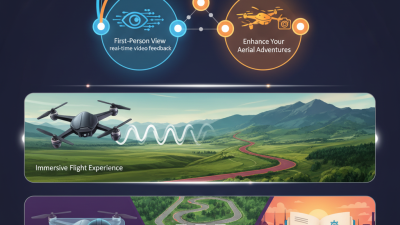
**Exploring the Benefits and Features of the 5 Inch FPV Drone for Effective Surveillance**
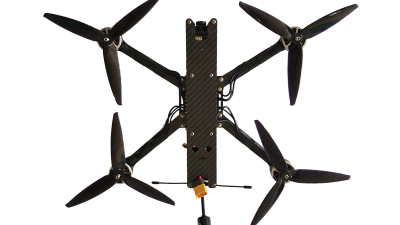
In the realm of surveillance, the 5-inch FPV drone stands out as a highly effective tool, particularly in the military context. These compact drones excel in providing real-time situational awareness, an essential element for successful operations. Their small size allows them to fly at lower altitudes, making them difficult to detect while still delivering crucial reconnaissance capabilities. This feature is especially beneficial in modern warfare, where the ability to identify enemy positions and movements can significantly impact tactical decisions.
The performance of FPV drones has been praised for its reliability and effectiveness in various applications. Whether used for reconnaissance missions or fire adjustment, the agility and precision of a 5-inch drone make it a preferred choice among operators. By integrating advanced technologies, these drones can accurately relay information, aiding in quick response and strategy formulation. Their role continues to evolve, further establishing them as invaluable assets in the dynamics of contemporary combat and surveillance scenarios.
FAQS
: The market is rapidly growing, with companies developing innovative emergency solutions.
Drones provide real-time data and aerial support, crucial for disaster response.
Manufacturers are focusing on better flight times, payload capacities, and imaging capabilities.
Integration with emergency services and navigating complex regulations are significant hurdles.
Users appreciate efficiency but have concerns about battery life and user interfaces.
Drones can reduce response times by up to 30%, offering critical advantages in emergencies.
Some areas lack infrastructure, and weather can hinder drone performance.
The integration of artificial intelligence may improve navigation and operational safety.
System failures raise questions about human oversight and potential consequences.
Buyers must consider local terrains and needs to ensure effectiveness in their operations.
Conclusion
The article "Top 10 Rescue Drones in China for Global Buyers" provides a comprehensive overview of the rescue drone market in China, highlighting its significance for both local and international stakeholders. It examines key features and specifications of the leading rescue drones, focusing on what makes them effective tools in emergency situations. Furthermore, the article delves into market leaders and the top brands dominating this sector, complemented by case studies that showcase successful rescue operations facilitated by drones.
Additionally, the piece includes a comparative analysis of drone performance metrics and user feedback to help buyers make informed decisions. It also discusses future trends in rescue drone technology, emphasizing their potential global implications. Overall, this article serves as a vital resource for understanding the evolving landscape of rescue drones in China and their future impact on rescue operations worldwide.