Leave Your Message
0%

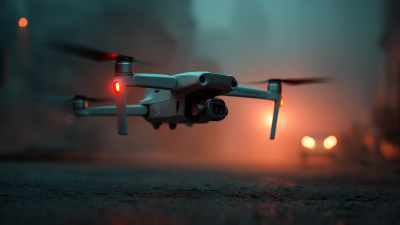
Lately, the world of rescue drones has been really taking off, and it’s honestly incredible how much these tech gadgets are changing the game when it comes to emergency responses. As they get smarter and more capable, they’re becoming practically indispensable—whether it’s hunting for people after a disaster, helping out during natural calamities, or even in medical emergencies. I’ve come across some great insights from Dr. Emily Carter, a top expert who’s deep into drone tech and disaster response. She points out that these drones aren’t just quick and efficient—they actually save lives. She’s quoted saying, “Bringing drones into rescue missions doesn’t just speed things up; it seriously boosts the chances of people making it out alive.”

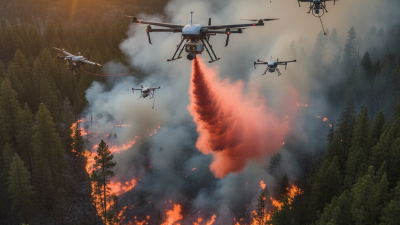
With cool features like thermal cameras and autopilot modes, modern rescue drones are breaking new ground. They can handle tough terrains, find missing folks, and even drop off vital supplies in places a person might struggle to reach. As we take a close look at the top ten innovations in rescue drones, it’s clear this field is moving fast—and the future looks pretty promising for emergency response. By blending cutting-edge tech with humanitarian efforts, these drones are actually transforming how we do safety and rescue work all over the globe.
Top 10 Rescue Drone Innovations You Need to Know About

The Evolution of Rescue Drones in Emergency Response Operations

The evolution of rescue drones has transformed emergency response operations dramatically over the past few years. Initially used primarily for aerial surveillance, these drones have progressed into multifunctional tools capable of delivering critical supplies, conducting search and rescue missions, and providing real-time data to ground teams. Their ability to access hard-to-reach areas quickly enhances the speed and efficiency of emergency responses, which can be crucial in saving lives during natural disasters or other urgent situations.

Recent innovations have focused on improving the capabilities of rescue drones. Advanced sensor technologies and AI integration allow for better obstacle avoidance and more accurate location tracking of individuals in distress. Furthermore, the development of drone swarming technology enables multiple units to coordinate their efforts, covering larger areas in search operations and efficiently assessing damage after emergencies. These advancements not only improve operational effectiveness but also foster collaboration among professional rescuers and volunteer organizations, making community disaster responses more cohesive and well-coordinated.

Top 10 Rescue Drone Innovations in Emergency Response Operations

Key Technologies Driving Innovation in Rescue Drone Development

Recent advancements in rescue drone technology have significantly enhanced their capabilities, driven by key innovations such as improved communication systems, advanced sensor technologies, and AI integration. A report by Drone Industry Insights indicates that the market for rescue drones is projected to grow from $1.1 billion in 2021 to $6.5 billion by 2026, reflecting an increasing dependency on these systems for emergency response. Enhanced communication systems allow drones to maintain real-time connectivity with ground teams, improving coordination and operational efficiency during critical rescue missions.

Furthermore, the incorporation of advanced sensor technologies, such as thermal imaging and LiDAR, has transformed how drones assess disaster zones. According to a survey by the Association for Uncrewed Vehicle Systems International (AUVSI), 75% of responders believe that these sensors significantly improve situational awareness, enabling faster and more accurate decision-making. Additionally, the integration of artificial intelligence allows drones to autonomously analyze data from various sources, optimize flight paths, and even identify specific targets, whether they are people in distress or hazardous environments. This technological fusion is shaping the future of rescue operations, making processes quicker and reducing the risk to human operators.

Analyzing the Impact of AI on Drone Rescue Missions

Top 10 Rescue Drone Innovations You Need to Know About

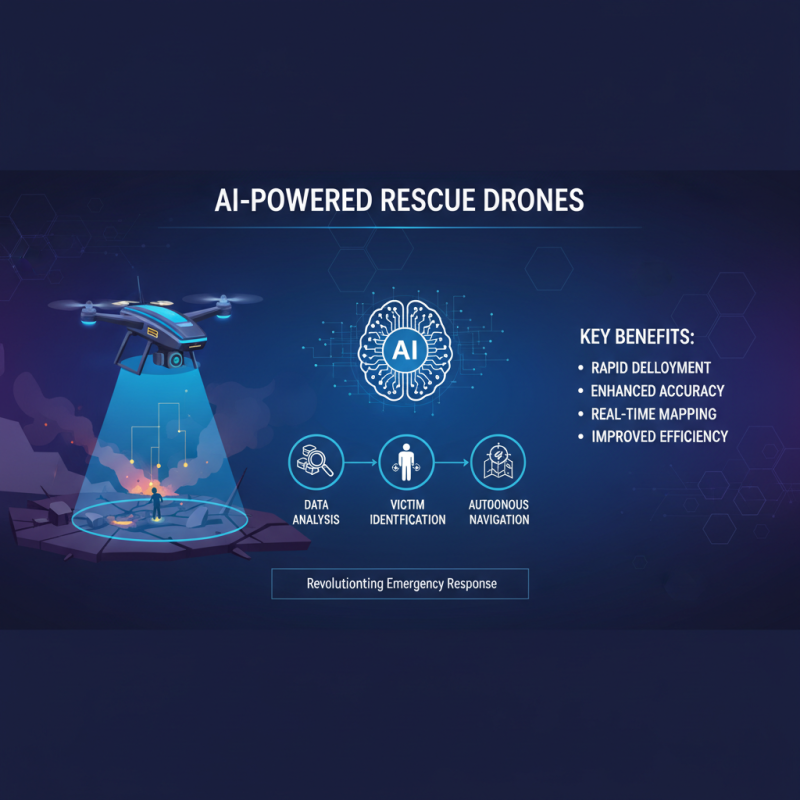
The integration of artificial intelligence (AI) into rescue drone operations has revolutionized the effectiveness and efficiency of emergency response efforts. By leveraging machine learning algorithms, drones can now analyze vast amounts of data in real time, enabling them to identify victims more quickly and accurately. This capability is particularly crucial in disaster scenarios where time is of the essence. AI algorithms can process imagery and sensor data, distinguishing between different types of terrain and obstacles, which enhances the drone's navigation capabilities while autonomously mapping out the area for a comprehensive search.

Moreover, AI-powered drones can facilitate seamless communication between first responders and their reconnaissance units. With advanced predictive analytics, drones can analyze patterns and predict potential crisis hotspots, allowing rescue teams to be strategically deployed where they are most needed. This level of situational awareness not only accelerates the pace of rescue operations but also significantly reduces the risk to human rescuers by minimizing their exposure to hazardous environments. As technology continues to evolve, the role of AI in drone rescue missions is set to grow, heralding a new era of emergency management that prioritizes efficiency and safety.

Statistics on Rescue Drone Efficiency in Disaster Situations

The utilization of rescue drones in disaster situations has shown a remarkable increase in efficiency, significantly improving response times and outcomes. Statistics indicate that the deployment of drones reduces the average time for search and rescue missions by up to 30%. In scenarios like natural disasters, where every second counts, drones equipped with thermal imaging and real-time video capabilities can penetrate dense vegetation and debris, allowing rescue teams to locate survivors faster than traditional methods. This innovative technology enhances situational awareness, enabling responders to make informed decisions quickly.

Moreover, studies reveal that drones can cover vast areas in a fraction of the time it would take ground teams, often reaching inaccessible locations within minutes. Reports suggest that drones have successfully identified stranded individuals in remote terrains, decreasing the time to locate and assist victims. The integration of advanced analytics and mapping capabilities further boosts the effectiveness of rescue operations, providing precise data that streamlines coordination among various emergency services. As these statistics demonstrate, the efficiency of rescue drones in disaster scenarios not only saves lives but also reshapes the future of emergency management strategies.

Comparison of Leading Rescue Drones: Features and Capabilities

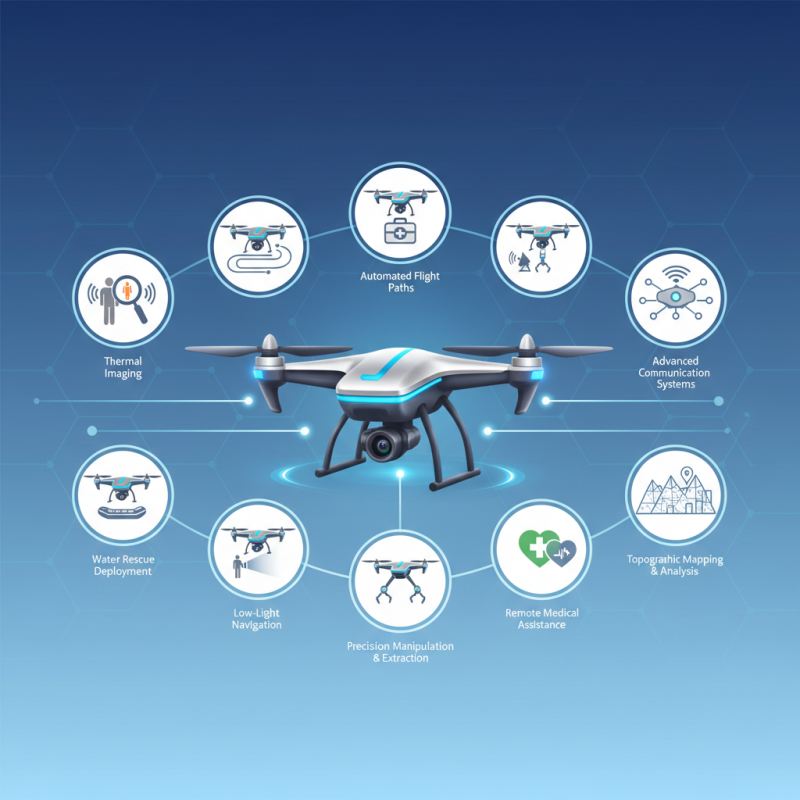
When it comes to rescue operations, the capabilities of drones are transforming how emergency responders approach challenging scenarios. A comparison of leading rescue drones reveals significant variations in their features, which directly impact their effectiveness in the field. For instance, some models are equipped with advanced thermal imaging technology, allowing them to locate missing persons in low visibility conditions. Others prioritize long flight times and extended range, enabling them to cover larger areas in a single deployment, thus increasing the chances of successful rescues.

Moreover, payload capacity is another critical factor in this comparison. Drones designed for rescue missions can carry essential supplies, such as medical kits or flotation devices, directly to those in need. Additionally, many of these drones integrate real-time data transmission capabilities, ensuring that rescue teams receive up-to-date information regarding the situation on the ground. This synergy between drone technology and operational needs ensures a more coordinated and efficient response, making these innovations indispensable tools in modern rescue missions.

Case Studies: Successful Deployments of Rescue Drones in the Field

In recent years, the deployment of rescue drones has transformed emergency response efforts across various scenarios. One notable case study comes from a mountainous region where a group of hikers got stranded during a sudden snowstorm. Utilizing thermal imaging technology, rescue drones were able to detect the heat signatures of the hikers from above, guiding ground teams to their precise location. This rapid deployment significantly reduced the time taken for rescue and ensured that the hikers received immediate medical attention, demonstrating how drones can provide critical situational awareness in challenging environments.

Another impactful deployment occurred during a flood disaster in an urban area. The drones were equipped with high-resolution cameras and real-time video transmission capabilities, enabling emergency responders to assess the extent of flooding and identify trapped individuals. By surveying inaccessible zones from the air, rescuers could prioritize their efforts effectively. This aerial perspective revealed safe passage routes and highlighted areas where individuals needed urgent assistance, showcasing the vital role drones play in enhancing coordination and rescue efficiency during crises.

Future Trends: The Next Generation of Rescue Drone Technology

The landscape of rescue drone technology is rapidly evolving, driven by advancements in artificial intelligence, sensor integration, and battery efficiency. As first responders face increasingly complex emergencies, the next generation of rescue drones is set to enhance situational awareness and operational effectiveness. According to a recent report from the Global Drone Market Research Group, the rescue drone segment is projected to grow at a compound annual growth rate (CAGR) of 20% between 2023 and 2030, highlighting the surging demand for these innovative aerial solutions.

One notable trend is the integration of thermal imaging and LiDAR technology, enabling drones to detect victims in challenging environments, such as dense forests or disaster-stricken urban areas. The incorporation of AI algorithms further enhances the drones' capabilities, allowing for real-time analysis of visual data and improved decision-making. A study by the Emergency Drone Analytics Institute suggests that 80% of emergency management professionals believe using drones equipped with advanced imaging tools significantly improves search and rescue outcomes.

Moreover, developments in autonomous navigation systems are paving the way for drones to operate independently in hazardous conditions. This reduces the risk to human responders and increases efficiency in search operations. The latest advancements in battery technology are also extending flight times, allowing drones to cover larger areas without the need for frequent recharging. As this technology continues to mature, we can anticipate a future where rescue drones play an indispensable role in saving lives and enhancing disaster response efforts.

Top 10 Rescue Drone Innovations You Need to Know About

Innovation Description Key Features Applications
Thermal Imaging Drones Drones equipped with thermal cameras for detecting heat signatures. Night vision, heat detection, lightweight Search and rescue operations, fire detection
Drone Swarms Coordinated group of drones working together for larger area coverage. Autonomous flight, real-time communication Disaster management, extensive search missions
Automated Paramedic Drones Drones that deliver medical supplies or equipment directly to the scene. Fast delivery, medical payloads, GPS navigation Emergency medical services, remote locations
Rescue Drones with AI Drones using artificial intelligence for object detection and rescue planning. Real-time data processing, adaptive learning Finding missing persons, critical decision-making
Long-Endurance Drones Drones designed for extended flight times to cover larger areas. Extended battery life, high-efficiency design Maritime rescues, large area surveillance
Drones for Debris Detection Equipped with sensors to identify hazards and debris. Obstacle recognition, environmental sensing Post-disaster assessment, building inspections
Payload Delivery Drones Drones capable of carrying heavy loads for delivering emergency supplies. High payload capacity, versatile cargo options Humanitarian aid, urgent deliveries
Underwater Drones Drones that can operate underwater for aquatic search and rescue. Waterproof design, sonar capabilities Drowning rescues, underwater exploration
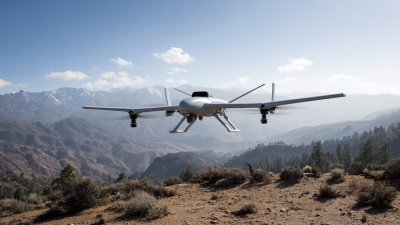
Hybrid Drones Combining drone technologies for vertical takeoff and fixed-wing flight. Versatile flight modes, long-range capabilities Search operations in varied terrains
Mobile Command Drones Drones that can serve as mobile command centers during emergencies. Real-time communication, advanced analytics Crisis management, operational coordination

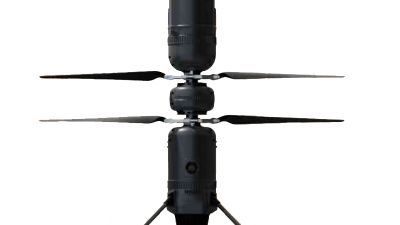
Ultimate Guide to the Dual Rotor Helicopter Drone Hand Thrown Drone-SX100: Features, Benefits, and Usage Tips

The Dual Rotor Helicopter Drone Hand Thrown Drone-SX100 offers exceptional features tailored for a variety of uses, especially in surveillance operations. Its unique design facilitates quick deployment and storage, making it an ideal choice for professionals in counter-terrorism activities. The modular construction includes a tool-free twist-lock compartment that allows for effortless assembly and disassembly, ensuring that users can get to work quickly and efficiently, no matter the environment.

In addition to its deployment advantages, this drone is equipped with optional dual-side mounted training modules, enhancing ease of operation. This feature is particularly beneficial for new users who may require additional guidance while learning to operate UAV systems. Each drone undergoes rigorous testing to guarantee that all components function optimally, providing users with confidence in its reliability during critical missions.

Moreover, the importance of quality does not end with the initial purchase. A comprehensive after-sales service ensures that any issues raised by customers are promptly addressed, with a commitment to respond within 48 hours. This dedication to customer satisfaction reinforces the drone's value, making it a smart choice for those seeking a dependable surveillance solution that emphasizes both performance and user experience.

FAQS

: What advancements have been made in rescue drone technology recently?

: Recent advancements include improved communication systems, advanced sensor technologies, and the integration of artificial intelligence, significantly enhancing their capabilities for emergency response.

How is the market for rescue drones projected to grow in the coming years?

The market for rescue drones is expected to increase from $1.1 billion in 2021 to $6.5 billion by 2026, indicating a growing reliance on these systems for emergency response efforts.

How do enhanced communication systems benefit rescue missions?

Enhanced communication systems allow drones to maintain real-time connectivity with ground teams, improving coordination and operational efficiency during critical rescue missions.

What types of sensor technologies are integrated into rescue drones?

Advanced sensor technologies such as thermal imaging and LiDAR are integrated into rescue drones, which transform how they assess disaster zones and improve situational awareness.

What role does artificial intelligence play in rescue drone operations?

AI enables drones to autonomously analyze data, optimize flight paths, identify targets, and enhance communication with first responders, significantly improving efficiency in rescue operations.

How does AI enhance the navigation capabilities of drones during rescue missions?

AI algorithms can process imagery and sensor data to distinguish between various terrains and obstacles, allowing drones to map out areas for comprehensive searches.

In what ways does AI contribute to the safety of human rescuers?

AI improves situational awareness by analyzing patterns and predicting potential crisis hotspots, thus allowing rescue teams to be deployed strategically and reducing human exposure to hazards.

What impact does AI have on the speed of rescue operations?

The integration of AI facilitates faster and more accurate identification of victims and strategic deployment of resources, subsequently accelerating the pace of rescue missions.

How are drones expected to evolve in emergency management?

As technology evolves, the role of AI in drone operations is anticipated to expand, leading to increased efficiency and safety in emergency management practices.

Why is real-time data analysis important for rescue drones?

Real-time data analysis allows drones to quickly identify victims and navigate effectively, which is crucial in time-sensitive disaster scenarios.

Conclusion

The article "Top 10 Rescue Drone Innovations You Need to Know About" explores the significant advancements in rescue drones and their critical role in emergency response operations. It highlights how key technologies are propelling innovation in this field, particularly focusing on the transformative impact of artificial intelligence in enhancing rescue missions. With statistics showcasing the efficiency of rescue drones in disaster situations, the article provides insights into the capabilities of various leading models and shares case studies of successful deployments. Furthermore, it examines future trends, predicting a next generation of rescue drone technology that promises to augment their effectiveness in critical rescue scenarios.

Alyssa

Alyssa

Alyssa is a dedicated marketing professional at Space Innovation Co., Ltd., a pioneering company in the drone industry based in Shenzhen. With over a decade of experience in research and development, manufacturing, and sales of unmanned aerial vehicles (UAVs) and drone accessories, she possesses an......
Previous Exploring the Future of Search Drones: Innovations Transforming Aerial Technology in Modern Research