In today’s rapidly changing farming world, you’ve probably noticed how Fertilizer Spray Drones are really shaking things up for traditional farmers. I remember hearing Dr. Emily Thompson, a real expert in ag tech, say once, "Fertilizer Spray Drones are changing the game when it comes to how we manage our crops." Basically, they’re making things more efficient and accurate, especially when it comes to spreading fertilizers.
Now, there are quite a few manufacturers popping up in this space, all claiming their drones are the best with cool features. But honestly, not every one of them really keeps up with what farmers need. It’s super important to check out how reliable and high-quality these companies are. Some might boast about their cutting-edge tech, but sometimes their execution falls flat. And let’s be real: buying a drone that doesn’t work as promised can lead to a lot of frustration.
So, if you’re thinking about investing in a Fertilizer Spray Drone, do your homework first. You deserve solutions that actually help you get more done. Take the time to understand what each manufacturer offers—reading reviews from other farmers and industry reports can really help you figure out which one’s the right fit for your farm’s specific needs. It’s all about finding that sweet spot between what they promise and what they actually deliver.
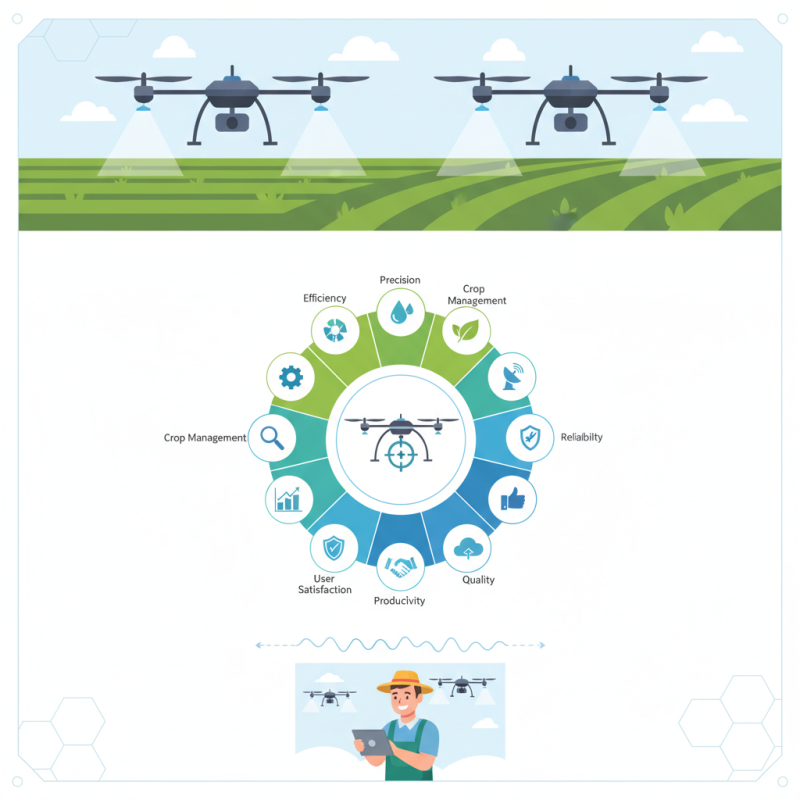
Overview of the Fertilizer Spray Drone Industry
The fertilizer spray drone industry has grown significantly in recent years. By 2025, the sector is projected to reach a market value of $3 billion. This growth is driven by increased demand for efficient agricultural practices. Drones help farmers enhance crop yield by ensuring precision in spraying fertilizers.
Adopting drone technology can lead to significant savings. Some studies indicate that drone-assisted applications can reduce fertilizer usage by up to 30%. Yet, challenges remain. Many farmers are still hesitant to transition from traditional methods. Technical issues and lack of training can hinder adoption rates.
The integration of AI and machine learning in drone technology offers exciting possibilities. These advancements improve targeting and efficiency. However, high initial costs can deter potential users. The industry must address these concerns to fully realize its potential. Balancing cost with technological benefits will be crucial for wider acceptance.
Importance of OEM and ODM in Drone Manufacturing
In today's rapidly evolving agricultural landscape, OEM and ODM play crucial roles in the development of technology like the
Fertilizer Drone.
These manufacturing approaches allow companies to create innovative solutions tailored to specific market needs. By utilizing OEM
(Original Equipment Manufacturer) and ODM (Original Design Manufacturer) services, businesses can streamline production and reduce time-to-market.
The importance of customization cannot be overstated. Farmers seek efficient and effective fertilizer drone solutions designed for various terrains and crops.
Tailored features, such as advanced spraying mechanisms and navigational systems, enhance performance. However, not every design meets the expectations of farmers.
Some drones may lack the necessary durability or efficiency. This gap highlights the importance of continual feedback in the design process.
Many industry players often overlook the potential for collaboration in innovation.
Partnerships between designers and end-users can yield breakthrough advancements. Learning from real-world applications helps improve product design.
The fertilizer drone industry is ripe for evolution, but it requires a commitment to refining existing ideas. Embracing feedback loops can lead to significant improvements,
paving the way for a more sustainable future in agriculture.
Criteria for Selecting the Top Manufacturers
Selecting the right OEM ODM fertilizer spray drone manufacturer can be challenging. There are several criteria to consider. Quality is paramount. Check their production standards. A reliable manufacturer often has robust quality control measures. This ensures that the drones function effectively under various conditions.
Next, consider their experience in the industry. Manufacturers with a longer history typically have faced more challenges and refined their products. This experience translates into better reliability. Customer support is also an important factor. Manufacturers should offer responsive after-sales service. Without it, addressing issues becomes difficult.
Lastly, assess their innovation. A commitment to research and development is vital. Manufacturers that prioritize innovation often produce more efficient and user-friendly drones. It’s important to research their latest advancements. However, do not overlook reviews from other users. Authentic feedback can reveal strengths and weaknesses, helping you make a more informed choice.
Profiles of Leading OEM ODM Fertilizer Spray Drone Manufacturers
In recent years, the demand for fertilizer Spray Drones has surged. Numerous manufacturers have entered the market, each offering unique features. Different models cater to various agricultural needs, from small family farms to large-scale operations. Understanding the landscape of OEM and ODM manufacturers can help buyers make informed decisions.
When selecting a spray drone, consider its payload capacity. This affects how much fertilizer it can carry. A drone with a larger capacity may save time and require fewer trips. Additionally, the spray technology used is crucial. Some drones utilize advanced nozzle designs for better dispersal.
Tips: Always verify the manufacturer’s track record. Look for reviews and past projects. A well-reputed manufacturer often guarantees quality and reliability. Performance in real-world conditions should be a priority. Test flights before full delivery can prevent future issues. Remember, not all manufacturers will meet your specific needs. Careful assessment is essential.
Top 10 OEM ODM Fertilizer Spray Drone Manufacturers - Market Share Distribution
Innovative Technologies in Fertilizer Drone Solutions
Innovative technologies in fertilizer drone solutions are transforming agriculture. Drones equipped with advanced sensors now optimize spray patterns. Recent reports indicate that drone usage can increase fertilizer efficiency by up to 30%. This reduction not only lowers costs but also minimizes environmental impact.
Farmers can collect real-time data through aerial imagery. This data helps identify areas that need more nutrients. However, many operators face challenges in interpreting this data effectively. Some may underestimate the training needed to operate these systems.
Tips: When considering a drone solution, invest in comprehensive training. Understand both the technology and agronomy behind it. Additionally, monitor your drone’s performance regularly. This will ensure you are making the most of the investment while adapting to changing agricultural needs. Embrace these innovations, but also be cautious of over-reliance on technology. Understanding foundational agricultural practices remains key.
Market Trends and Future Outlook for Drone Agriculture
The agricultural sector is seeing profound changes due to drone technology. Currently, the global agricultural drone market is expected to reach $6.2 billion by 2026, growing at a compound annual growth rate (CAGR) of 32%. This rise is driven by the increasing need for precision farming techniques. The Farm Spray Drone, in particular, offers significant advantages in fertilizer application, enabling farmers to cover large fields quickly and accurately.
Market trends indicate that more farmers are adopting drone technology. However, there are challenges. Not all farmers are trained to use this technology efficiently. Moreover, integration with existing farming practices can be complex. Reports show that almost 30% of farmers hesitate to invest due to concerns about operational reliability and initial costs. As technology rapidly evolves, continuous education and support will be necessary for wider acceptance.
Looking ahead, the future of drone agriculture shows promise. Innovations in battery life and AI integration will enhance performance. Nonetheless, industry experts worry about potential regulatory hurdles. As more players enter the market, maintaining quality and safety standards becomes crucial. Ultimately, while the Farm Spray Drone revolutionizes farming, adapting to these changes poses both risks and opportunities for farmers worldwide.
Top 10 OEM ODM Fertilizer Spray Drone Manufacturers You Should Know
| Manufacturer Country |
Annual Production Capacity |
Market Share (%) |
Key Features |
Price Range (USD) |
| Country A |
5000 units |
25% |
High precision spraying, Long battery life |
2000 - 5000 |
| Country B |
3000 units |
15% |
GPS tracking, User-friendly interface |
1500 - 3500 |
| Country C |
4000 units |
20% |
AI-assisted navigation, Multi-crop support |
2500 - 6000 |
| Country D |
3500 units |
18% |
Robust design, Modular components |
1800 - 4000 |
| Country E |
6000 units |
30% |
Advanced sensors, Real-time monitoring |
3000 - 7000 |
| Country F |
2500 units |
10% |
Lightweight, Cost-effective |
1200 - 3000 |
| Country G |
7000 units |
35% |
High payload capacity, Customizable |
3500 - 8000 |
| Country H |
4600 units |
22% |
Integrated app, Data analytics |
2200 - 5500 |
| Country I |
5200 units |
27% |
Weather-resistant, Extended range |
2800 - 6500 |
| Country J |
3200 units |
12% |
Smart farming solutions, Eco-friendly |
1600 - 4000 |
Challenges Faced by OEM ODM Manufacturers in the Drone Sector
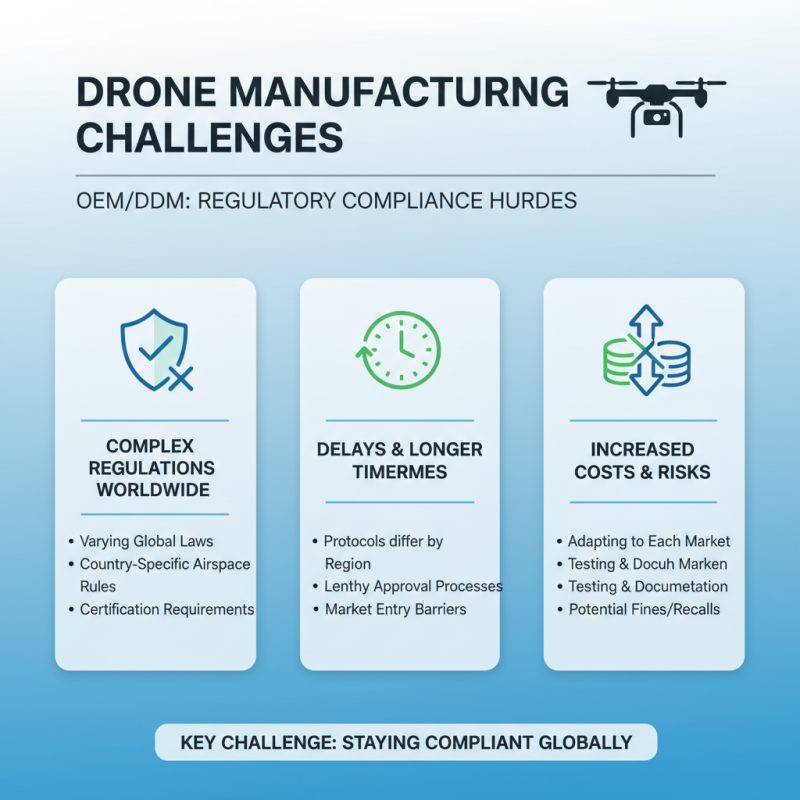
OEM ODM manufacturers in the drone sector face several significant challenges. One major issue is regulatory compliance. The drone industry is heavily regulated. Each region has different rules, making it complicated for manufacturers to adapt. This often leads to delays and increased costs for production.
Another challenge involves technological advancements. The Largest Spray Drone technology changes rapidly. Manufacturers must keep up with these changes to remain competitive. Investing in research and development is crucial. However, limited budgets can hinder this process. Many companies struggle with balancing innovation and cost-effective solutions.
Manufacturers also deal with supply chain disruptions. Sourcing high-quality components is essential for building reliable drones. However, global events can impact availability. These disruptions force companies to rethink their sourcing strategies. They must find alternative suppliers or materials, which can be time-consuming. Reflecting on these challenges is vital. Companies need to adapt and evolve to thrive in this dynamic market.
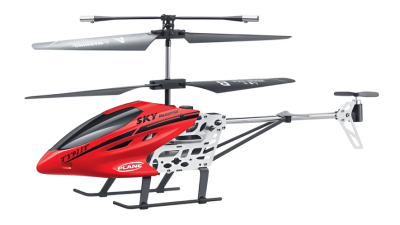
Exploring the Thrills of Flight: A Comprehensive Guide to the 3.5 Channel RC Toy Helicopter Drone-SCD35
The 3.5 Channel RC Toy Helicopter Drone-SCD35 is a captivating entry point for those looking to explore the exciting realm of remote-controlled flight. Its user-friendly features and responsive controls make it an ideal choice for both beginners and experienced hobbyists. Designed for stability and ease of use, this helicopter offers an exhilarating flight experience, allowing users to perform a variety of maneuvers with ease.
What sets the 3.5 channel RC helicopter apart is its robust construction and competitive pricing. Backed by consistent customer satisfaction, it has gained popularity in markets across various countries, including the United States, Canada, the UK, France, Spain, and Saudi Arabia. The ability to customize branding through OEM services further enhances its appeal to retailers looking to provide quality products that resonate with their audience. With its impressive performance and affordable pricing, this drone stands out as a fantastic option for those eager to delve into the thrills of flight.
FAQS
: The product aims to improve daily efficiency and convenience for users.
Follow the included instructions. Experiment with settings to find what suits you best.
Some users report initial setup challenges. Others mention battery life concerns.
Regular cleaning is essential. Keep it dry and avoid exposing it to extreme temperatures.
Yes, there is a limited warranty. Still, read the terms carefully to understand coverage.
It works well indoors and outdoors. However, extreme weather can affect its performance.
Store it in a cool, dry place. Avoid areas that may cause damage or wear.
Yes, avoid contact with water and heat. Improper use may lead to performance issues.
Check the troubleshooting guide. If unresolved, contact support for further assistance.
Conclusion
The fertilizer spray drone industry is rapidly evolving, driven by the increasing demand for efficient agricultural solutions. Original Equipment Manufacturers (OEM) and Original Design Manufacturers (ODM) play a crucial role in this sector, as they bring innovation and tailored solutions to meet diverse agricultural needs. When selecting top manufacturers, key criteria include technological advancements, production capacity, and customer support.
Leading manufacturers are making strides in integrating innovative technologies that enhance the functionality of fertilizer spray drones, such as precision mapping and automated chemical dispersal. As market trends indicate a surge in drone usage within agriculture, the future outlook is promising, despite challenges like regulatory compliance and competitive pricing. Overall, fertilizer spray drones are set to transform farming practices, offering solutions that improve crop yields and sustainability.