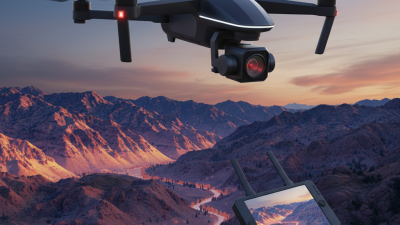
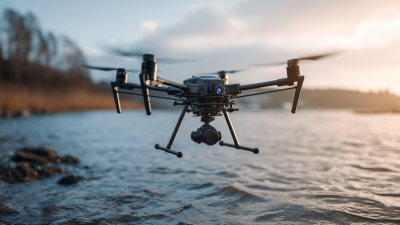
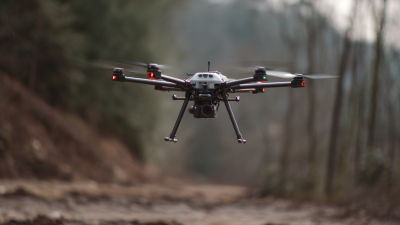
In the fast-changing world of drone tech, Thermal FPV Cameras are really shaking things up across all sorts of industries, from farming to emergency services. I mean, if you look at what MarketsandMarkets reports, the thermal imaging market is expected to hit around $8 billion by 2026 — that’s a solid sign people are getting more into these high-tech imaging tools. Experts like Dr. Angela Moore, who's pretty much a big name in thermal imaging, say that "Thermal FPV Cameras are changing how we see and understand our environment." Pretty exciting, right?
Now, don’t underestimate how important manufacturers of Thermal FPV Cameras are. Big names like FLIR Systems, DJI, and Seek Thermal are really pushing the envelope. Each one seems to have its own angle — FLIR’s sensors are perfect for search-and-rescue missions, while DJI is making thermal cameras more accessible for everyday drone users. But here’s the thing: with so many players out there, it can get pretty confusing for consumers trying to figure out which products are legit quality. It’s not always easy to tell which ones are worth your money.
And as this market keeps expanding, new challenges show up, too. Compatibility issues and performance hiccups pop up, making it all a bit tricky to navigate. That’s why it’s so important to know what you actually need before picking a thermal camera. Like Dr. Moore says, it’s not just about having the latest tech — user experience matters just as much. There’s definitely a call for more transparency and better education around these products. The future for Thermal FPV Cameras looks pretty promising, but honestly, there’s still plenty of room for improvement.
Overview of ODM and OEM in Thermal FPV Cameras
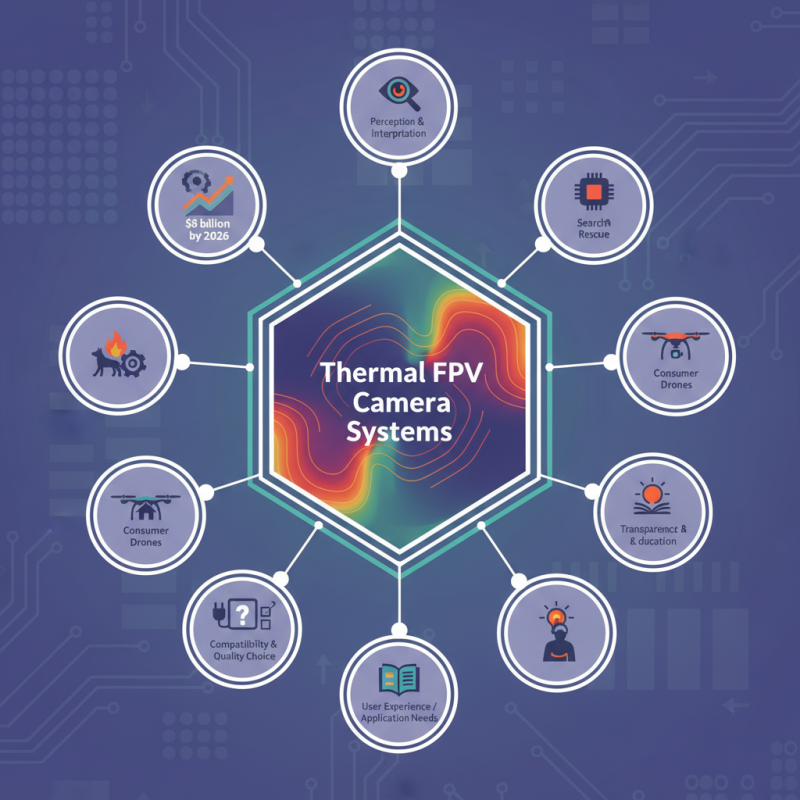
The realm of thermal FPV cameras is rapidly evolving, driven by the increasing demand for high-performance imaging solutions. ODM (Original Design Manufacturer) and OEM (Original Equipment Manufacturer) play crucial roles in this landscape. They help businesses bring innovative camera designs to market. These manufacturers focus on developing advanced technologies that enhance image clarity and thermal sensitivity. Their work is not without challenges. Many face difficulties in balancing cost and quality.
ODM partners often work closely with brands, providing end-to-end solutions. They design and deliver products based on specific requirements. This collaboration fosters creativity but may also lead to issues such as communication gaps and misaligned expectations. OEMs, conversely, specialize in producing devices based on existing designs. Their efficiency can sometimes hinder innovation, as they prioritize production speed over unique features.
In a competitive market, understanding the nuances of ODM and OEM is essential. Companies must choose wisely to avoid pitfalls. Effective partnerships hinge on mutual respect and clear communication. With the right collaboration, the potential for groundbreaking thermal FPV cameras is immense. However, ignoring these critical aspects could result in subpar outcomes. Balancing innovation with practicality remains a constant challenge in this dynamic industry.
Top 10 ODM OEM Thermal FPV Camera Manufacturers Overview
Key Features to Consider in Thermal FPV Cameras
When choosing a thermal FPV camera, several key features are paramount. The resolution is critical. High-resolution cameras provide clearer images. A resolution of at least 640x480 is common. However, many users find that 1024x768 dramatically improves visibility in complex environments. Interestingly, studies show clearer images can enhance decision-making by up to 30%.
Field of view (FOV) also plays a vital role. A wide FOV allows for broader situational awareness. When flying drones, a FOV of 90 degrees or more can reduce missed detections. Additionally, frame rate should not be overlooked. A higher frame rate, such as 30fps, ensures smoother footage. This is particularly important for fast-moving objects, as it captures more details accurately.
Battery life can affect operations too. Cameras with longer battery life allow for extended flights. Poor battery performance can result in unexpected landings. Lastly, consider the weight of the camera. Lighter cameras may offer better balance and maneuverability. Balancing these features is crucial for optimal performance. Many users still struggle to find the right combination for their specific needs.
Top 10 ODM Thermal FPV Camera Manufacturers
When looking for ODM thermal FPV camera manufacturers, consider various factors. The market features numerous players, each with distinct offerings. Quality and innovation drive these manufacturers. Research helps identify reliable suppliers for your needs. Evaluating their technology is vital. A dependable partner can enhance your
Thermal Image Drone capabilities.
Tips for choosing the right manufacturer include checking their portfolio. Look for diverse applications and customer reviews. Don’t overlook after-sales support. A great product needs great service too. Frequent communication is crucial for a successful partnership. Transparency in dealings builds trust.
Be aware that not every manufacturer meets high standards. This may lead to subpar products. Assess potential partners carefully before committing. Engage with them to understand their processes. Reflections on your choices are essential to avoid future setbacks. Quality often requires investment, so choose wisely for your Thermal Image Drone needs.
Top 10 OEM Thermal FPV Camera Manufacturers
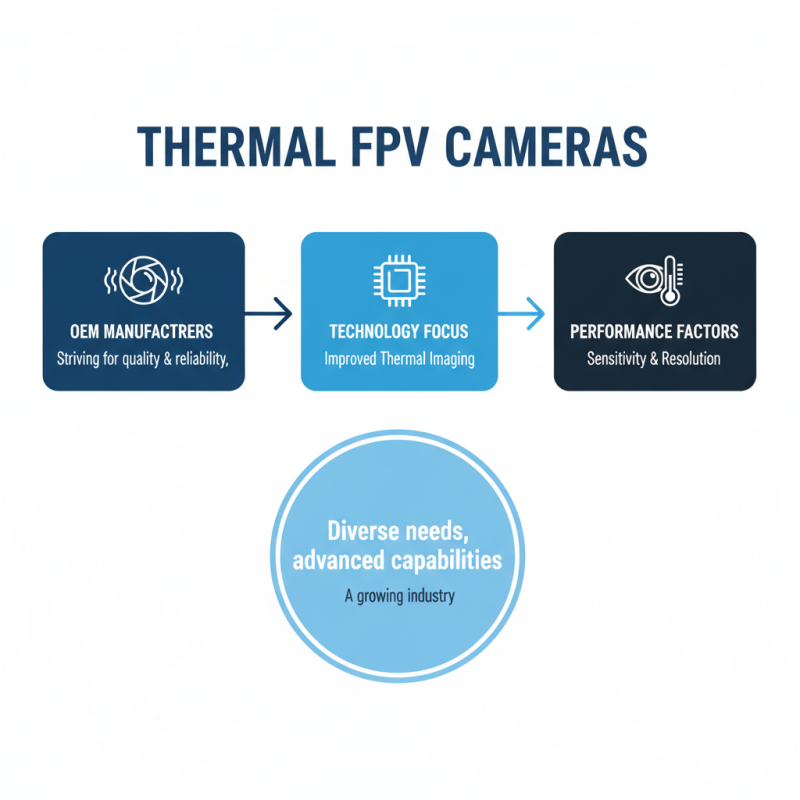
The world of thermal Fpv Cameras is vast and intriguing. Many companies are striving to produce high-quality OEM models. These manufacturers focus on creating reliable devices that can meet various consumer needs. They often emphasize thermal imaging technology's improvement in their products. Features like sensitivity and resolution can greatly influence performance.
Choosing the right OEM for a thermal FPV camera can be challenging. Not every manufacturer excels in all areas. Some may have advanced imaging options, but their customer service could be lacking. It's essential to weigh these factors before making a decision. Manufacturers offer unique strengths, yet their weaknesses can impact the overall experience.
In this evolving market, awareness of different manufacturers is key. Certain companies may excel in innovation, while others might offer more affordable solutions. Exploring options can lead to better choices. However, one must remain cautious. A comprehensive understanding of each company's reputation and offerings is needed. Poor research can result in unsatisfactory purchases.
Comparison of Pricing and Quality Among Top Manufacturers
The thermal FPV camera market is rapidly evolving. Pricing and quality vary widely among manufacturers. According to industry reports, high-quality thermal cameras typically range from $500 to $2,000. However, some budget models can be found for under $300. This pricing reflects the technology behind each camera. Higher-end units often provide superior imaging and better frame rates.
Many manufacturers focus on different aspects. Some offer exceptional resolution. Others prioritize low-light performance. It’s common for manufacturers to struggle with balancing cost and quality. A cheaper camera may lack crucial features, making it less effective in specific environments.
An interesting trend is the increasing demand for custom solutions. Many users seek ODM and OEM services. This demand has led to increased competition. Manufacturers are pushing innovation at a breakneck pace. Some have succeeded, but not all offerings meet expectations. In a crowded market, finding the right product requires careful evaluation. Each decision comes with trade-offs that impact overall performance.
Top 10 ODM OEM Thermal FPV Camera Manufacturers Comparison
| Manufacturer |
Pricing ($) |
Image Quality (MP) |
Low Light Performance (Lux) |
Customer Rating (out of 5) |
| Manufacturer 1 |
1500 |
12 |
0.02 |
4.5 |
| Manufacturer 2 |
1800 |
10 |
0.05 |
4.2 |
| Manufacturer 3 |
1200 |
8 |
0.03 |
4.8 |
| Manufacturer 4 |
1300 |
15 |
0.01 |
4.4 |
| Manufacturer 5 |
1600 |
11 |
0.04 |
4.0 |
| Manufacturer 6 |
1750 |
14 |
0.03 |
4.7 |
| Manufacturer 7 |
1550 |
10 |
0.02 |
4.3 |
| Manufacturer 8 |
1450 |
12 |
0.06 |
4.6 |
| Manufacturer 9 |
1400 |
9 |
0.02 |
4.1 |
| Manufacturer 10 |
1650 |
13 |
0.02 |
4.9 |
Trends and Innovations in Thermal FPV Camera Technology
In the rapidly evolving world of thermal FPV camera technology, innovative trends are shaping how we perceive our surroundings. High-resolution imagery is becoming the norm. Today, features like
4k Fpv Cameras offer exceptional clarity. Thermal cameras now come equipped with advanced processing capabilities. They analyze heat signature differences with impressive accuracy.
When considering thermal FPV cameras, remember to assess your specific needs. Look for features that match your application, whether for search and rescue, wildlife observation, or industrial inspections. Not every camera will suit every scenario. Perform thorough research before making a decision.
Investing in the latest technology can be tempting. Ensure that you understand how these innovations can enhance performance. However, some newly released models may have bugs or functional limitations. Seek out reviews and real-user feedback. Consider trying out demo units when possible. This proactive approach can save you time and resources in the long run.
Future Outlook for the Thermal FPV Camera Industry
The thermal FPV camera industry is evolving rapidly. Demand is increasing for advanced imaging technology. This growth is primarily driven by applications in various sectors. Industries like agriculture, security, and search and rescue are leading the way. The potential for innovation in the thermal FPV camera market is significant. Companies are exploring new materials and technologies to enhance performance.
However, the industry faces challenges. Many manufacturers struggle to keep up with technological advancements. Sourcing quality components can also be a hurdle. There is a need for reliable supply chains. Companies must focus on adapting and innovating to meet these challenges. As competition rises, attention to detail becomes crucial. Developing a well-rounded Fpv Camera Kit should involve stringent quality checks throughout the process.
Looking ahead, collaboration may be vital for success. Partnerships between technology firms and manufacturers can drive innovation. Continuous research into thermal imaging could open new avenues. The industry's future seems bright, but it requires constant effort. Stakeholders must embrace change while maintaining their core values. There's no room for complacency in this dynamic market.
Exploring the Versatility and Performance of the 15 Inch FPV Drone with 7.5kg Payload Capacity
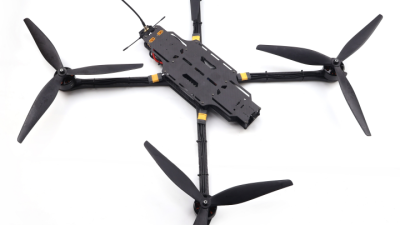
The versatility and performance of the 15-inch FPV drone with a remarkable 7.5kg payload capacity make it an outstanding choice for various applications. This drone is designed to handle a significant weight, allowing it to carry essential equipment for tasks such as aerial photography, surveying, and even search and rescue operations. Its robust construction and advanced features ensure that it operates efficiently under challenging conditions, providing users with reliable data and insights.
Moreover, the flexibility in customization options empowers customers to tailor the drone to their specific needs. Whether it's adjusting the payload configuration or modifying the drone’s features, users can create an FPV solution that fits their unique requirements. This ability to personalize enhances the drone's usability across different sectors, ensuring it meets diverse operational demands while maintaining high performance and reliability. Each unit undergoes rigorous quality control testing, ensuring that customers receive a product that meets the highest standards of excellence, solidifying the reputation of the 15-inch FPV drone as a leader in its category.
FAQS
: The service aims to provide users with helpful information and support.
You can access it through a website or mobile app.
Access is generally free; however, some features may require payment.
Topics range from technology to lifestyle, health, and education.
Customer support is available via email or chat.
Yes, user feedback is encouraged and welcomed for improvement.
If you experience issues, try refreshing the page or rebooting the app.
Yes, users typically need to be at least 13 years old.
Content is regularly updated, but there may be occasional delays.
Report the issue so the team can investigate and correct it.
Conclusion
The article provides a comprehensive overview of the ODM (Original Design Manufacturer) and OEM (Original Equipment Manufacturer) landscape in the thermal FPV camera sector, highlighting the importance of these manufacturing processes in delivering high-quality products. It emphasizes the key features to consider when selecting a thermal FPV camera, such as resolution, sensitivity, and operational range, crucial for end-users in various applications.
Furthermore, the piece presents a detailed analysis of the top 10 manufacturers in both ODM and OEM categories, comparing pricing and quality to aid consumers in making informed choices. It also explores the latest trends and innovations in thermal FPV camera technology, offering insights into the future outlook of the industry, which continues to evolve with advancements in thermal imaging and user demand.