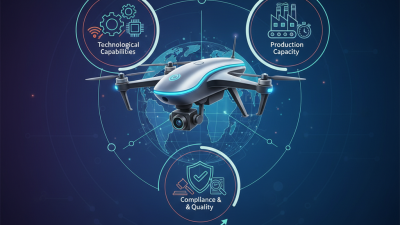
Farming drones are really shaking things up in Chinese agriculture right now. They're turning old-school farming methods into more efficient, data-driven operations—kind of like giving the industry a high-tech boost. If you check out the China Agricultural Drone Market Report, it predicts the whole sector could be worth around $5 billion by 2025, mainly because more farmers are jumping on board with this tech. Big names like DJI and XAG are leading the charge, rolling out cool new gadgets that help with crop monitoring and spraying pesticides more accurately.
These drones are a game-changer because they help farmers gather precise data and, in turn, boost crop yields. For example, DJI's Agras series is pretty popular because it’s versatile and gets the job done efficiently. That said, not everyone’s having an easy time integrating these tools. Training can be a bit of an issue, and some regions in China just aren’t quite ready for these innovations yet.
As the world looks for reliable farming solutions, it’s super important to get familiar with the top 10 farming drones available in China. Each one has its own set of features—and maybe some drawbacks too. Making informed choices like this can really push sustainable farming forward. But at the same time, the industry still needs to work on overcoming hurdles like education gaps and accessibility to make sure everyone benefits.
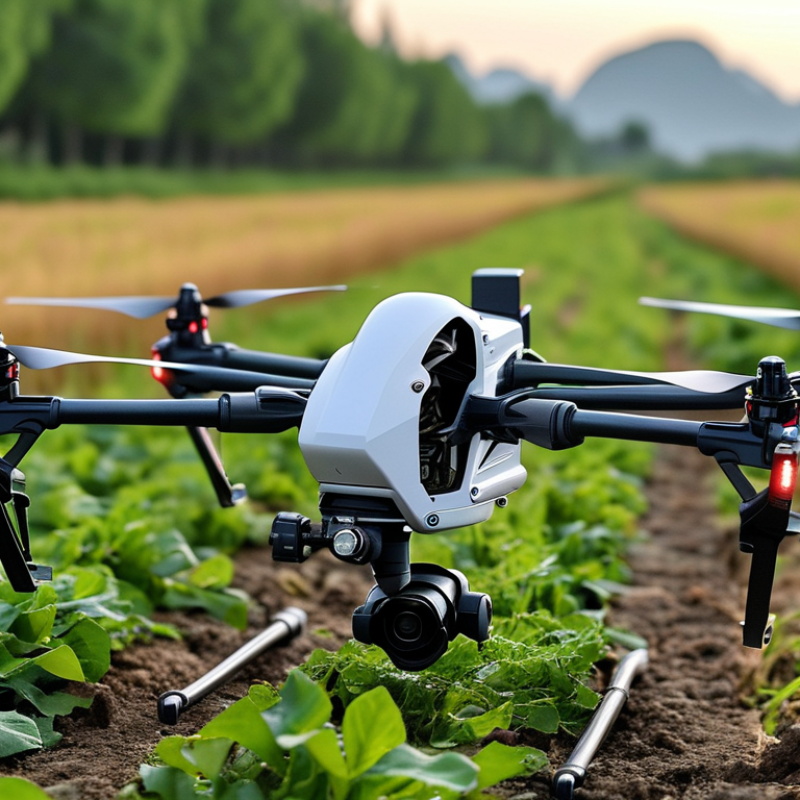
Overview of Agricultural Drones in China
The agricultural drone market in China is rapidly expanding. The country has invested heavily in agricultural technology, with a specific focus on drones for farming. According to a recent report, China's agricultural drone market is expected to grow by over 25% annually, reaching a valuation of approximately $4.5 billion by 2025. This growth is driven by the need for efficient crop monitoring and the application of pesticides.
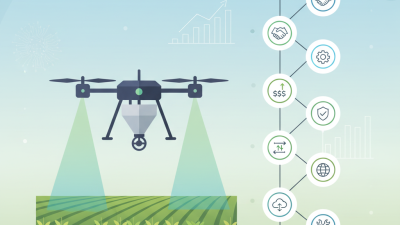
Farmers benefit from drones through precision agriculture. These drones allow for detailed mapping of fields, enabling farmers to identify nutrient deficiencies and pest infestations. Reports indicate that using drones can increase crop yields by 15-20%. However, challenges remain, such as the need for regulatory frameworks regarding drone usage in farming. Not all regions have adopted these technologies equally, and training for farmers still needs improvement.
The integration of AI technology into drones further enhances their efficiency. Drones equipped with AI can analyze data and provide insights in real-time. Yet, farmers often report difficulties in understanding and interpreting this data. Balancing technology with practical farming knowledge is crucial for maximizing the benefits of agricultural drones. The path forward will require ongoing innovation and education in this high-tech farming landscape.
Key Features to Consider When Choosing a Farming Drone
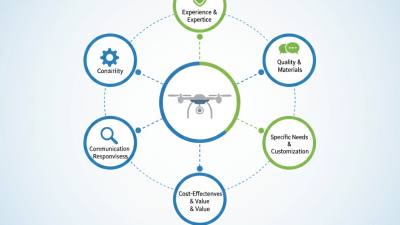
When selecting a farming drone, a few key features demand close attention. First and foremost, consider the drone's payload capacity. This determines how much equipment or chemicals it can carry. Drones designed for crop spraying typically require a higher capacity. In contrast, drones intended for crop monitoring might handle less weight.
Another essential feature is flight time. Longer flight times enable drones to cover larger areas without needing to recharge. Aim for a model with a flight time of 30 minutes or more. Battery life can affect the efficiency of farming operations. It's also worthwhile to think about the drone's sensor technology. Advanced sensors can provide valuable data for crop health assessment.
Additionally, ease of use is vital. Some drones come with user-friendly interfaces, which are particularly beneficial for farmers unfamiliar with technology. An intuitive design minimizes training time. Durability is also significant. Drones operating in outdoor environments should withstand harsh weather. Choosing robust materials ensures long-term reliability. It can be tempting to rush into a purchase, but thoughtful consideration of these features leads to better outcomes.
Top 10 Farming Drones in China for Global Buyers
| Model |
Payload Capacity (kg) |
Flight Time (min) |
Max Range (km) |
Camera Resolution (MP) |
Price (USD) |
| Model A |
10 |
30 |
5 |
20 |
2000 |
| Model B |
15 |
28 |
6 |
24 |
2500 |
| Model C |
20 |
35 |
8 |
30 |
3000 |
| Model D |
25 |
32 |
7 |
36 |
3500 |
| Model E |
30 |
40 |
10 |
42 |
4000 |
| Model F |
18 |
29 |
4 |
28 |
2200 |
| Model G |
22 |
34 |
9 |
33 |
3200 |
| Model H |
16 |
27 |
3 |
26 |
1800 |
| Model I |
20 |
33 |
6 |
30 |
3000 |
| Model J |
24 |
38 |
9 |
35 |
3600 |
Top 10 Farming Drones: A Detailed Comparison
The market for farming drones in China is rapidly growing. Recent reports indicate that the agricultural drone market is projected to reach USD 3 billion by 2025. Precision farming is a key driver for this growth, as farmers seek to enhance crop yields while reducing costs. Drones provide real-time data on field conditions, allowing farmers to make informed decisions.
When comparing the top farming drones, several factors must be considered. Payload capacity, flight time, and sensor technology lead the discussion. Some drones can carry pesticides or fertilizers, improving efficiency. Others focus on imaging technology for crop monitoring. Data accuracy is crucial; some drones report disparities in sensor performance, which can affect crop assessment.
Despite advancements, there are challenges. Many users report difficulties in integrating drone data with existing farming systems. Regulatory barriers can also hinder adoption. As farmers become more reliant on technology, the demand for user-friendly interfaces increases. Continuous improvements in drone design and software will be necessary to meet these needs.
Innovative Technologies in Chinese Farming Drones
The rise of innovative technologies in Chinese farming drones is reshaping agriculture. A recent report by the China Agricultural Drone Market indicates a significant growth rate of 25% annually. Drones are now equipped with advanced sensors, allowing precise crop monitoring and health assessment. These advancements help farmers save resources while increasing yields.
One notable feature is real-time data analysis. Drones collect information on soil quality, moisture levels, and pest presence. Farmers are leveraging this data to make informed decisions. Additionally, automated spraying technology enhances efficiency. A study found that drone-assisted spraying can reduce chemical use by up to 40%. This not only cuts costs but also supports sustainable farming practices.
However, challenges remain. High initial costs deter some farmers from adopting this technology. Additionally, regulatory barriers can complicate drone usage in certain regions. Continuous training and support are essential for widespread integration. Reflecting on these issues highlights the need for ongoing dialogue and improvement in this evolving field.
Market Trends in Agricultural Drone Adoption in China
China's agricultural drone market is expanding rapidly. According to a report by ResearchAndMarkets, the adoption of drones in agriculture is expected to grow significantly. It suggests a CAGR of over 25% in the next five years. Farmers are increasingly recognizing the value of drones for precision agriculture. They help in monitoring crop health and improving yield efficiency.
Usage trends indicate that smaller farms are beginning to adopt drone technologies. Approximately 40% of drone buyers are now small to medium-sized farms. This shift highlights a democratization of technology, making it accessible for various farm sizes. However, many still face challenges. Technical know-how remains a barrier, and insufficient training can limit effectiveness. Drones are not a one-size-fits-all solution; their success often relies on the operator's skill.
The integration of drones into agricultural practices is still in its early stages. While China's market is poised for growth, issues like regulatory hurdles need attention. Farmers are looking for reliable data, yet not all drones provide the same quality of insights. Understanding these limitations is crucial for making informed decisions about drone adoption in agriculture.
Guidelines for International Buyers of Chinese Farming Drones
When considering the purchase of farming drones from China, it’s essential to understand the market landscape and product specifications. International buyers should assess the capabilities of various models. Look for features such as payload capacity, endurance, and GPS accuracy. Each model offers different features that cater to specific agricultural needs. Understanding these specifications can guide buyers toward making informed decisions.
The regulatory framework in China impacts drone manufacturing. Buyers must ensure compliance with international standards for farming drones. It’s advisable to request detailed product documentation, including compliance certificates. Manufacturers often provide insights about their production processes. This information can reveal product reliability. Engaging with suppliers can clarify potential concerns and foster trust.
Investing in farming drones can be a cost-effective solution for modern agriculture. However, buyers should be cautious of overly optimistic performance claims. Verifying customer reviews and seeking product demonstrations are effective strategies. Obtaining support services, such as spare parts availability and technical assistance, enhances the overall experience. Ultimately, balancing innovation and practicality is key in selecting the right farming drone.
Future Prospects of Farming Drones in Global Agriculture
The integration of farming drones in global agriculture presents a significant shift. These drones offer precision in crop monitoring and pesticide application. With real-time data, farmers can make informed decisions. This technology enhances productivity and resource management. However, the initial investment can be daunting for some farmers, especially in developing regions.
Farming drones also face regulatory hurdles. Different countries have diverse regulations that impact their operation. Understanding local laws is crucial for effective implementation. Furthermore, the technology can be complex. Farmers may require training to maximize the potential of these drones. As such, collaboration with agriculture experts is essential.
The future prospects for farming drones are promising yet uncertain. Advances in AI and machine learning could further improve efficiency. On the other hand, reliance on technology poses risks. Issues like data security and equipment failure need consideration. Striking the right balance between technology and traditional methods will shape the agricultural landscape.
FAQS
: Payload capacity determines how much weight a drone can carry for tasks like spraying or monitoring.
Longer flight times allow drones to cover more land without recharging, improving efficiency.
Advanced sensors collect data on crop health, which is crucial for effective monitoring and decision-making.
User-friendly interfaces can minimize training time, especially for farmers not familiar with technology.
Drones must be made from robust materials to withstand harsh outdoor environments for long-term reliability.
Yes, many users face difficulties in combining drone data with existing agricultural management systems.
Buyers should check product capabilities, compliance certificates, and seek detailed product documentation.
Verifying customer reviews and requesting product demonstrations can help assess reliability and performance.
Buyers should be cautious of overly optimistic claims, as real-world performance may differ.
Choosing the right drone requires a mix of advanced technology and practical usability to meet specific farming needs.
Conclusion
This article provides a comprehensive overview of farming drones in China, highlighting their significance in modern agriculture. It discusses the key features to consider when selecting a farming drone, such as payload capacity, flight time, and precision technology. A detailed comparison of the top 10 farming drones showcases the advancements and innovative technologies that enhance efficiency and productivity for farmers.
Moreover, the article examines market trends related to agricultural drone adoption in China and offers guidelines for international buyers interested in entering this sector. The future prospects of farming drones are also explored, emphasizing their potential impact on global agriculture by improving crop management and sustainability. Overall, farming drones represent a critical development in enhancing agricultural practices worldwide.