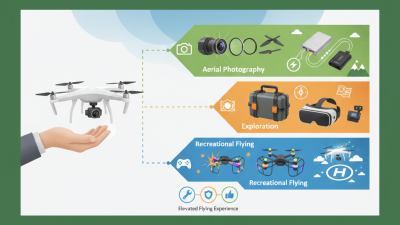
As more and more industries lean on technology to boost efficiency, drone attachments are really making a difference for global sourcing. Companies around the world are jumping on the drone bandwagon, using them for all sorts of things like managing inventories and even transportation. The cool part? The right attachments can seriously boost what these drones can do, opening up a bunch of new possibilities.
Take logistics, for example — when drones are fitted with special payload attachments, things get a lot smoother. They can carry heavier loads, which makes deliveries faster and easier. But honestly, not every company really knows how to make the most of these attachments. Sometimes, if they're not aligned right or used improperly, it can cause hiccups in operations. That’s why proper training and guidance are super important.
A lot of businesses might skip over some of the challenges that come with adding drone attachments into their workflow. Transitioning to new tech isn’t just plug-and-play — it needs some careful planning. When companies really get a good handle on both the upsides and the potential snags, they can make smarter choices. Putting the right drone attachments to work can help them grow, all while avoiding unnecessary setbacks. This piece is here to give you some useful insights on how to get the most out of these handy tools.
Key Drone Attachments for Enhanced Sourcing Capabilities
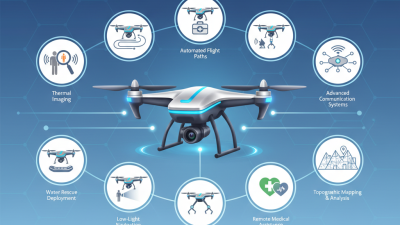
In today's fast-paced global sourcing environment, drone technology is revolutionizing supply chain management. Key attachments can enhance the capabilities of drones, increasing efficiency and accuracy in various tasks. For instance, thermal cameras enable better surveillance and monitoring of large areas. These devices can identify temperature variations, useful for inspecting warehouses and shipping containers. According to a recent report, 65% of supply chain professionals believe drones can significantly reduce operational costs.
Another important attachment is the LiDAR system. This technology provides precise 3D mapping of landscapes, crucial for logistics planning. Companies can optimize routes, leading to faster delivery times. Research indicates that organizations using drone LiDAR experience a 30% increase in project efficiency. Such advancements highlight the importance of integrating advanced drone attachments in sourcing strategies.
Drone Rc Drone configurations with specialized payloads also enhance data collection. They can gather information on inventory levels, helping businesses maintain optimal stock levels. However, implementing these technologies isn't without challenges. Training staff and adapting existing processes require careful planning. Embracing these innovations can lead to better sourcing decisions and improved competitive advantage, but organizations must remain aware of the complexities involved.
Understanding the Importance of Drone Attachments in Global Sourcing
Understanding the importance of drone attachments in global sourcing is crucial for businesses looking to enhance efficiency. Recent industry reports indicate that drone technology can cut supply chain costs by up to 30%. This statistic underscores the value of optimized drone use in sourcing activities. Attachments like thermal cameras and advanced sensors allow businesses to monitor logistics in real-time, identifying potential issues before they escalate.
Last year, data revealed a significant rise in the use of drones for delivery. Companies integrating attachments, such as GPS trackers, improved their route management. This fueled their ability to serve customers faster and more effectively. However, it's important to remember that not all attachments will suit every operation. Businesses should test different configurations to discover the best fit for their unique needs.
Tips: Evaluate your sourcing requirements carefully. Understand the types of attachments that can complement your drone capabilities. Consider the benefits of using a Sar Drone—Search And Rescue Drone—especially in emergency situations. This specialized attachment is not widely implemented yet, but its potential impact on logistics is worth exploring.
Types of Attachments for Drones Used in Supply Chain Management
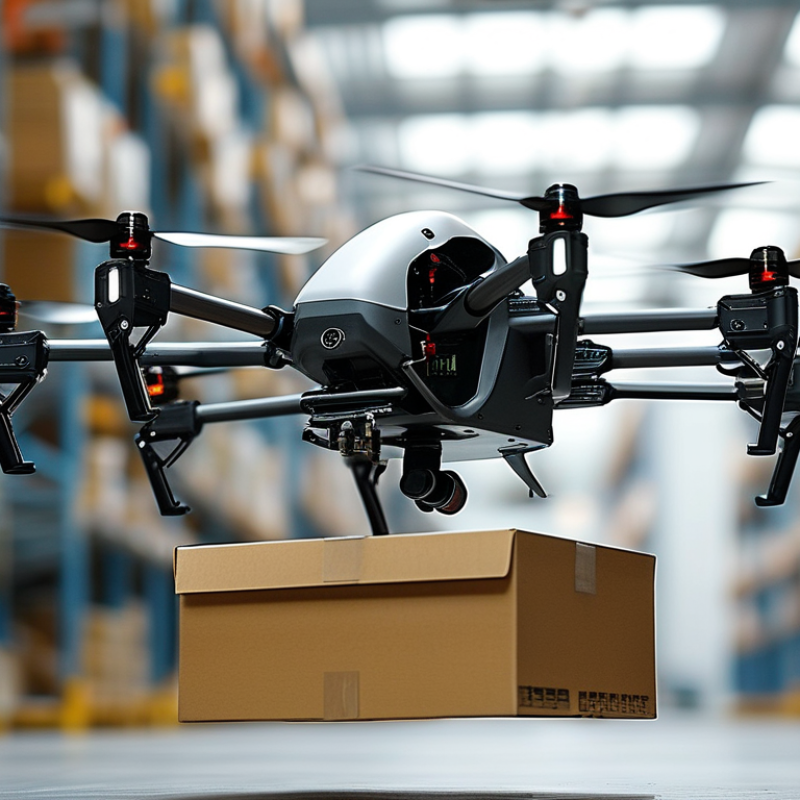
In supply chain management, drone technology has revolutionized logistics. Different attachments enhance drones for diverse tasks. Payload delivery systems are crucial for transporting goods. A recent industry report indicates that drones with effective attachments can reduce delivery times by up to 30%. This efficiency is vital for meeting modern consumer demands.
Camera systems are another attachment type. They provide real-time monitoring and data collection. Drones equipped with high-resolution cameras can survey large areas quickly. This capability helps in inventory management and loss prevention. However, integrating this technology into existing systems poses challenges. Not all businesses have the resources to adapt to such innovations efficiently.
Another useful attachment is the thermal sensor. These sensors identify product conditions during transit. Companies report a 20% decrease in spoilage using this technology. While the benefits are clear, not every operation is ready to invest in a comprehensive
Drone Kit. Some may find the learning curve steep when implementing these advanced solutions. Addressing these gaps is essential for maximizing the potential of drone attachments in supply chains.
Evaluating the Efficiency of Drone Attachments for Logistics Tasks
The logistics industry is evolving rapidly. Drone attachments are becoming central in streamlining supply chain operations. They can enhance the efficiency of transporting goods across difficult terrains and urban environments. Precision in delivery is paramount. Drones equipped with various attachments can carry different payloads, from light packages to heavier loads.
However, challenges remain. Efficiency does not solely depend on drone capabilities. Weather conditions and battery life can impact operations. Additionally, attachments may not always perform as expected under heavy loads. Testing is crucial to ensure reliability. Many factors require consideration before deploying drones for logistics tasks.
Customization is necessary for effectiveness. One attachment may not suit all needs. Businesses must evaluate their specific requirements. Some may need temperature-controlled transport, while others might prioritize speed. Understanding these variables is vital for maximizing the potential of drone logistics. Exploring innovative designs and enhancements can lead to better solutions.
Top Drone Attachments for Global Sourcing Needs
This chart evaluates the efficiency of various drone attachments utilized for logistics tasks, showcasing the estimated impact on delivery speed (in hours) and payload capacity (in kg).
Innovative Technologies in Drone Attachments for Sourcing Operations
Innovative technologies in drone attachments are shaping sourcing operations across various industries. According to a report by Markets and Markets, the drone market is expected to reach over $42 billion by 2025. This growth is driven by advancements in drone accessories that enhance functionality. For instance, Fpv Drones equipped with thermal sensors enable precise inspections of hard-to-reach areas. These attachments improve efficiency by reducing time spent on manual inspections, an approach that can take hours.
Additionally, payload technologies are evolving to meet diverse sourcing needs. Sensors, cameras, and even soil probes can now be integrated into drone systems. A 2022 analysis by McKinsey highlights how drone attachments improve data collection, providing real-time insights that companies can use for better decision-making. Yet, integrating these technologies poses challenges. The learning curve can be steep, and businesses must invest in proper training to maximize the potential of these attachments.
Moreover, reliable data transmission remains a critical issue. If the connection drops, the entire operation can be compromised. Companies must weigh the benefits against the possible disruptions that may arise as drone technology continues to evolve. Only by embracing these innovations can sourcing operations truly transform, but ongoing adaptation is necessary to harness their full potential.
Best Practices for Integrating Drone Attachments into Sourcing Strategies
Integrating drone attachments into sourcing strategies presents unique opportunities and challenges. Recent studies indicate that drones are transforming traditional sourcing practices, especially in supply chain management. For example, a report from the World Economic Forum shows that logistics companies utilizing drone technology have achieved a 15% reduction in delivery times. This increase in efficiency can optimize inventory management and improve customer satisfaction.
To effectively incorporate drone attachments, companies should assess their specific needs. Equipment choices must align with the company’s operational goals. A 2022 survey by the Drone Manufacturers Alliance revealed that nearly 60% of businesses expect to enhance sourcing accuracy with aerial inspections. This expectation emphasizes the importance of proper training and integration within teams. Addressing potential gaps in expertise may prove crucial as technology evolves.
Adopting drone technology is not without pitfalls. Companies must navigate regulatory environments and public perceptions. Understanding these dynamics is essential for successful implementation. A critical analysis of available data can reveal insights into potential risks. Balancing innovation with caution should be a priority for effective sourcing strategies.
Future Trends in Drone Attachments for Global Sourcing Applications
The future of drone attachments is shaping the landscape of global sourcing. As industries evolve, drones are becoming a vital tool for logistics and supply chain efficiency. New attachments enhance the functionality of drones for various applications. Payload systems, for instance, allow drones to transport materials over long distances. This feature can significantly reduce transportation costs and time.
Innovation in technology is driving the development of specialized attachments. Sensors and imaging devices are increasingly being integrated into drones. These attachments enable real-time monitoring and assessment of goods during transit. The application of artificial intelligence within these systems can improve decision-making in logistics. It also raises questions about data security and the reliability of automated processes.
Companies must evaluate the implications of drone technology carefully. While efficiency gains are clear, potential risks include equipment failures and cybersecurity threats. Balancing these challenges with the benefits will require ongoing assessment. Adaption to changing regulations will be essential. The future holds great promise, but organizations must be prepared to navigate its complexities.
The Ultimate Guide to Flying the 3.5 Channel RC Toy Helicopter Drone-SCD35: Tips, Tricks, and Features
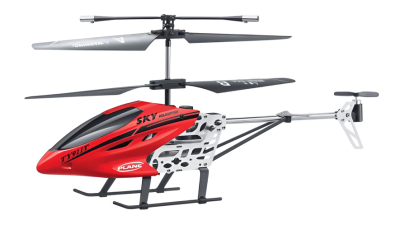
The ever-growing popularity of remote-controlled (RC) helicopters has made them a staple in the world of toy drones, with particular fascination for 3.5 channel models. These helicopters are designed to provide an engaging flying experience for both beginners and seasoned enthusiasts. The 3.5 channel RC toy helicopter embodies an ideal combination of user-friendly features, stability, and maneuverability. They have gained recognition for their ability to perform mid-air stunts while being easy enough for novices to control. According to recent industry reports, the global market for toy drones is projected to experience significant growth, driven by advancements in technology and increased consumer interest in aerial toys.
SPACE offers a noteworthy 3.5 channel RC toy helicopter that stands out due to its competitive pricing and superior quality. This model has garnered praise from users across various countries, including the United States, Canada, and numerous European nations. This helicopter is specifically designed to enhance the flying experience with features like high stability, responsive controls, and durable construction, making it suitable for indoor and outdoor use. As documented in market research, products that emphasize quality and user satisfaction often see higher retention and referral rates, further solidifying their place in the competitive landscape of RC toys.
Incorporating features like LED lights and a simple charging mechanism, the 3.5 channel RC toy helicopter from SPACE caters to a wide audience. Not only does it provide hours of entertainment, but it also serves as an excellent educational tool for those interested in the mechanics of flight. As this sector continues to evolve, innovations in design and technology are expected to further enhance user experiences, making flying RC helicopters more accessible and enjoyable than ever before.
FAQS
: Key attachments include thermal cameras, LiDAR systems, and payload delivery systems. Each enhances drone efficiency and accuracy.
They monitor large areas and detect temperature changes, aiding in warehouse and container inspections.
LiDAR offers precise 3D mapping, which helps optimize delivery routes and improves project efficiency.
Yes, many professionals believe drones can significantly lower operational costs in supply chain management.
Camera systems allow real-time monitoring, assisting in inventory management and loss prevention.
Yes, training staff and adapting existing processes can be complex and require careful planning.
Payload systems enable drones to transport goods quickly, reducing delivery times by up to 30%.
Potential issues include equipment failures, cybersecurity risks, and the costs of new technology.
Addressing knowledge gaps and investing in staff training are essential for leveraging drone attachments effectively.
Innovations in sensors, AI applications, and adapting to regulations will shape the future of drone logistics.
Conclusion
Drone attachments are rapidly transforming global sourcing capabilities by enhancing the efficiency and effectiveness of supply chain management. In recent years, the importance of these specialized attachments has grown, as they enable drones to perform a variety of logistics tasks, from aerial surveillance to the transportation of goods. Understanding the different types of drone attachments available is crucial for organizations looking to optimize their sourcing operations.
Innovative technologies continue to drive advancements in drone attachments, allowing for greater integration into sourcing strategies. Evaluating the efficiency of these attachments can reveal best practices to maximize their potential. As the landscape of global sourcing evolves, future trends indicate a shift towards more versatile and automated drone attachments, which will play a critical role in streamlining sourcing processes and improving overall logistics performance.