In recent years, the Industrial Drone market has really taken off. Companies all around the world are racing to come up with new, innovative solutions. As Michael Wong, a pretty well-known expert in drone tech, put it, "Industrial Drones are completely changing the game by boosting efficiency and safety." It’s a clear sign of how much this industry is evolving.
China is definitely leading the charge here. Their manufacturers are pushing the limits, creating some pretty advanced models for all kinds of industrial uses. Whether it’s farming or construction, these drones are becoming pretty much essential tools. And we’ve seen a handful of companies stand out as major players, showcasing some seriously impressive tech.
That said, it’s not all smooth sailing. The rapid growth also brings its own set of challenges—like quality control and making sure they’re following the regulations. While some companies really shine, others are still catching up. It’s important to recognize both the wins and the setbacks as this industry keeps moving forward. So, as we look at the top ten Chinese custom industrial drone manufacturers, let’s dive into what they’re innovating, their potential, and areas where they could do a bit better.
Overview of the Industrial Drone Market in China
The industrial drone market in China is experiencing significant growth. In 2020, the sector was valued at approximately $1.9 billion, and it is projected to reach over $5 billion by 2025. This surge is attributed to various sectors adopting drone technology for efficiency and cost savings. Industries such as agriculture, construction, and logistics are particularly leading this change.
In agriculture, drones enhance precision farming. They assist in monitoring crop health and optimizing resource usage. A report indicated that drone adoption in agriculture could reduce operational costs by around 20%. However, challenges persist, including regulatory barriers and data security concerns. Some regions have strict regulations governing drone flights, impacting how companies can deploy their technologies.
Moreover, the logistics sector is tapping into drone capabilities for swift deliveries. Last-mile delivery solutions have become a focal point. Reports suggest that integrating drones could cut delivery times by over 30%. Nonetheless, infrastructure for drone operations is lacking in many areas. Addressing these issues will be crucial for the market's continued growth and sustainability.
Top 10 China Custom Industrial Drone Manufacturers You Should Know
| Rank |
Company Type |
Annual Revenue (Approx.) |
Key Markets |
Specialization |
| 1 |
Commercial |
$120M |
Agriculture, Surveillance |
Precision Agriculture |
| 2 |
Civil |
$90M |
Construction, Mapping |
3D Mapping |
| 3 |
Military |
$200M |
Defense, Surveillance |
Reconnaissance Drones |
| 4 |
Logistics |
$70M |
Urban Delivery |
Last-Mile Delivery |
| 5 |
Telecommunications |
$60M |
Network Inspection |
Cell Tower Inspection |
| 6 |
Environmental |
$40M |
Wildlife Monitoring |
Conservation Efforts |
| 7 |
Mapping |
$50M |
Geospatial Data |
Surveying and Mapping |
| 8 |
Research |
$30M |
Climate Studies |
Data Collection |
| 9 |
Agricultural |
$80M |
Farming |
Crop Monitoring |
| 10 |
Energy |
$100M |
Renewable Energy |
Wind Farm Inspection |
Key Factors Driving the Growth of Drone Manufacturers in China
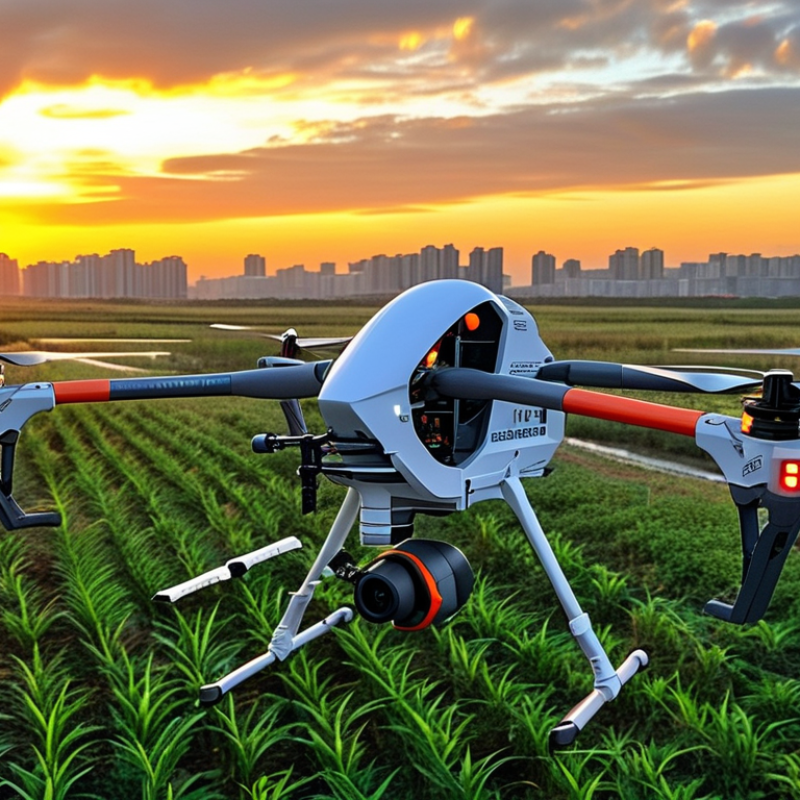
The growth of drone manufacturers in China is fueled by several key factors. The demand for Industrial Quadcopter Drones has surged. Recent data suggests that the market size for commercial drones in China is expected to exceed $8 billion by 2025. This demand is driven by sectors such as agriculture, construction, and logistics. Drones are essential for enhancing efficiency and reducing costs in these industries.
Technological advancements play a significant role as well. Manufacturers are investing heavily in R&D to improve flight capabilities and payload capacity. Enhanced battery life and improved sensors contribute to better performance. According to industry reports, the adoption of drones in precision agriculture has increased by over 30% annually. This showcases the effectiveness of Industrial Quadcopter Drones in providing real-time data to farmers.
Regulatory support is another important aspect. The Chinese government is creating policies that facilitate drone development and integration into various sectors. Despite advancements, challenges remain. Limited awareness and regulatory hurdles can hinder small manufacturers. Continuous education and collaboration among industry players are necessary to overcome these obstacles. The future of drone manufacturing in China certainly looks promising, but reflection on these challenges is essential for sustainable growth.
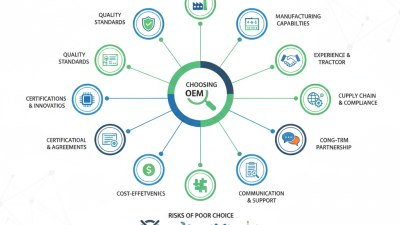
Criteria for Selecting Top Custom Industrial Drone Manufacturers
Selecting the right custom industrial drone manufacturer is crucial. Various factors determine the best fit for specific needs. Consider their production capabilities. A manufacturer should offer a range of customized designs. Reports indicate that market demand for tailored drones is rising annually by 15%. Versatility in manufacturing processes is key.
Evaluate the technological expertise of the company. Manufacturers should be proficient in Drone Rc Drone technology. This includes advanced sensor integration, flight stability, and payload capacity. Industry benchmarks suggest 70% of top-tier drones should have cutting-edge features. Check their compliance with safety regulations too. A solid track record in meeting standards is essential.
Customer support should not be overlooked. A manufacturer should provide comprehensive service post-purchase. Regular maintenance and timely upgrades keep the drones functional. In a recent survey, 65% of users reported dissatisfaction due to poor after-sales service. Engaging with manufacturers' reviews can offer insights. Look for feedback on reliability and performance. Remember, not all manufacturers deliver consistently. Reflect on these aspects when making your choice.
Profiles of Leading Custom Drone Manufacturers in China
China has emerged as a powerhouse in the custom drone manufacturing sector. Reports indicate that the market size for commercial drones in China is expected to reach $17 billion by 2025. This growth is driven by various industries, including agriculture, logistics, and surveillance. Leading manufacturers are innovating rapidly, offering tailor-made solutions that cater to specific needs, such as payload capacity and flight endurance.
When looking for a drone manufacturer, consider their experience in your specific industry. Some may excel in agricultural applications, while others might focus on logistics or security. Examine the technological capabilities they offer. Advanced features like AI integration and real-time data processing can be game-changers, enhancing drone performance significantly.
Tips: Always review each manufacturer's portfolio. Look for case studies that showcase their products in action. Additionally, ask about post-purchase support and training. A strong support system is vital for the successful deployment of custom drones. Keep in mind that not every manufacturer will meet your needs perfectly. Choosing the right partner requires thorough research and sometimes trial and error.
Top 10 Custom Industrial Drone Manufacturers in China - Market Share
Technological Innovations by Chinese Drone Companies
In the rapidly evolving drone manufacturing landscape, Chinese companies are leading the way through significant technological innovations. These advancements directly impact various industries, including agriculture, logistics, and public safety. Industry reports indicate that the global drone market is projected to reach $43 billion by 2024, a testament to the increased demand for UAVs and associated technologies.
One innovative area is the development of the Sar Drone, or Search and Rescue Drone. This technology showcases how drones enhance emergency response capabilities. Equipped with thermal imaging and high-resolution cameras, these drones can locate individuals in distress more effectively than traditional methods. Studies highlight that search operations using drones can reduce rescue times by up to 30%.
While progress is impressive, challenges remain. The integration of AI in drones, for instance, presents hurdles in reliability and accuracy. Data shows a 20% error rate in object recognition under certain conditions. Manufacturers must navigate these issues to ensure high performance in critical applications. Continuous improvement in software and hardware will be crucial as the industry moves forward. These developments reflect the dynamic nature of drone technology and the commitment of manufacturers to innovation and safety.
Market Applications of Custom Industrial Drones in Various Sectors
Custom industrial drones are revolutionizing various sectors, enhancing efficiency and transforming traditional practices. In agriculture, drones monitor crop health, assess irrigation needs, and optimize pesticide application. This precision farming approach minimizes resource use and increases yield.
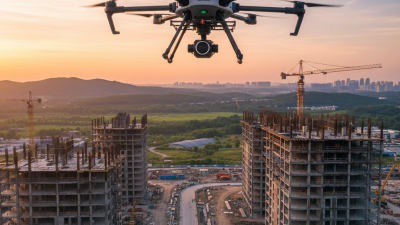
In construction, drones facilitate site inspections and surveying. They provide real-time data, allowing project managers to make informed decisions. However, relying solely on drone data can lead to oversight. Ground inspections are still essential to validate findings.
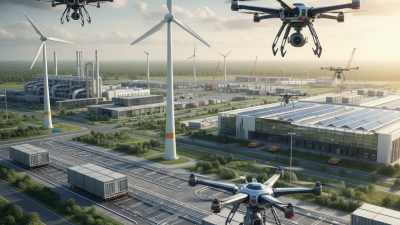
In the energy sector, drones inspect pipelines and wind turbines. They detect issues early, reducing downtime and maintenance costs. Despite their value, drone operations can be affected by weather conditions. It's vital to schedule flights during optimal weather.
Tips: Ensure that your team receives proper training on drone handling and data analysis. This enhances safety and operational efficiency. Regularly update your drone technology to keep up with industry standards. Lastly, always maintain compliance with local regulations regarding drone usage.
Future Trends in China's Custom Industrial Drone Industry
China's custom industrial drone industry is experiencing rapid evolution. Recent reports show the market is projected to grow at a rate of over 20% annually. The rise in demand is driven by sectors such as agriculture, logistics, and construction. By 2027, it is expected that the market value will reach approximately $7 billion. This trend highlights the increasing integration of drone technology in various industries.
Technological advancements are crucial in shaping the future of this sector. For instance, improvements in battery life and payload capacities allow drones to perform more complex tasks. Moreover, manufacturers are increasingly offering customizable solutions, such as Drone Kits, allowing users to tailor drones to specific operational needs. However, the industry faces challenges. Regulatory hurdles and safety concerns are still prevalent. Stakeholders must navigate these issues while striving for innovation. Ongoing collaboration among regulatory bodies and manufacturers is essential for sustainable growth.
As the market matures, we also see a shift in consumer expectations. Businesses are looking for drones that not only perform efficiently but also provide robust data analysis capabilities. Future developments will likely focus on integrating AI and IoT technologies within these systems. This integration promises to enhance operational efficiency, although it requires careful consideration of cybersecurity risks. The balance between innovation and safety will define China's custom industrial drone landscape in the coming years.
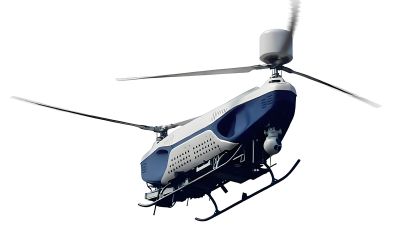
Revolutionizing Logistics: Insights from Industry Reports on the STD300 Cargo Drone's 300KG Maximum Payload Capacity
The logistics industry is undergoing a transformative shift with the advent of advanced cargo drones like the STD300, which boasts a maximum payload capacity of 300KG. According to recent industry reports, the demand for efficient, cost-effective delivery solutions has surged, particularly in hard-to-reach or emergency scenarios. The STD300's impressive features including a long range, robust wind resistance, and the ability for shipborne takeoff and landing make it an ideal choice for various applications such as high-altitude reconnaissance and material delivery.
Data indicates that the cargo drone market is projected to witness substantial growth, with an anticipated compound annual growth rate (CAGR) of over 25% in the coming years. The STD300 not only meets the needs for large payload transportation but also offers versatility with its unmanned helicopter design optimized for diverse operational conditions. This adaptability positions the STD300 favorably within the logistics sector, particularly for organizations looking to enhance their supply chain efficiency while minimizing operational costs.
Furthermore, the drone's compact layout and the capability for formation flight add to its operational efficiency, allowing multiple units to work collaboratively to cover larger areas and fulfill higher delivery demands. As companies strive for innovation in logistics, products like the STD300 are set to revolutionize the landscape, making cargo delivery faster, safer, and more reliable than ever before.
FAQS
: In 2020, the market was valued at around $1.9 billion.
It is expected to exceed $5 billion by 2025.
Agriculture, construction, and logistics are the main sectors adopting drones.
Drones assist in monitoring crop health and optimizing resource usage.
Drone adoption can reduce operational costs by approximately 20%.
Regulatory barriers and data security concerns are significant challenges.
Drones can significantly reduce delivery times, possibly by over 30%.
Many areas lack the necessary infrastructure for effective drone deployment.
Consider their industry experience and technological capabilities.
Review their portfolio and ask about post-purchase support and training.
Conclusion
The article "Top 10 China Custom Industrial Drone Manufacturers You Should Know" provides a comprehensive overview of the rapidly evolving industrial drone market in China. It highlights the key factors driving growth, such as technological advancements and increasing demand across various sectors. The criteria for selecting top custom industrial drone manufacturers are discussed, along with profiles of prominent players within the industry.
Significant technological innovations by Chinese companies are reshaping the landscape of industrial drones, enabling applications in agriculture, construction, and logistics, among others. The future trends indicate a continued expansion of the market as companies leverage advancements in AI and automation, ensuring that the custom industrial drone industry remains at the forefront of modern technology.