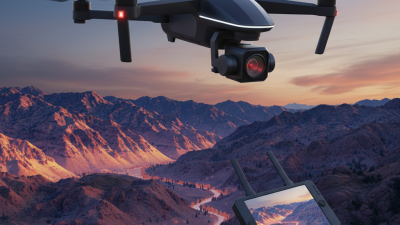
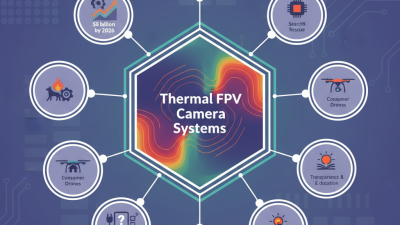
Thermal FPV cameras have really started to make a big splash across all kinds of industries—think search and rescue missions, agriculture, and even building inspections. I mean, a recent report from MarketsandMarkets predicts that the global thermal imaging market will hit around $8.2 billion by 2025. And honestly, a big reason for this growth? Tech keeps getting better and more advanced. Experts keep pushing the idea that these cameras are super important for improving how we understand what's happening around us. Dr. Jane Simmons, who’s a thermal imaging pro at Infrared Solutions, even says, “The Thermal FPV Camera is truly transforming how we see thermal data.” It’s pretty exciting stuff, right?
As demand keeps climbing, it’s pretty important to get a good grasp of what Thermal FPV Cameras can do. Basically, they turn heat signals into visual images, so operators can remotely spot things like heat leaks in buildings or hot spots in electrical wiring—stuff you wouldn’t notice just by looking. But, of course, it’s not all smooth sailing. These cameras can be costly, and figuring out how to use them properly takes some training.
In this fast-moving field, having a reliable and accurate Thermal FPV Camera is a must. Just keep in mind, not all models are created equal. Sadly, some products just don’t live up to the hype, so it’s really worth doing your homework before buying. Chatting with experts can really help you make smarter choices and avoid the disappointment of getting a camera that doesn’t quite measure up.
What is a Thermal FPV Camera?
A thermal FPV camera is a specialized device used to detect and visualize heat signatures. Unlike standard cameras, these devices capture infrared radiation emitted by objects. This makes them ideal for applications like search and rescue, wildlife observation, and building inspections. The ability to see in complete darkness or through smoke is a key feature of thermal cameras.
These cameras work by converting thermal energy into visible images. The sensor inside detects temperature differences and creates a color-coded image based on that heat data. The hotter an object, the brighter it appears. However, achieving accurate thermal imaging can be tricky. Various factors, like distance and environmental conditions, can affect the readings. Users must understand how to interpret the results effectively for their specific needs.
In practice, thermal cameras have limitations. They can't provide detail like visible light cameras. The images may be grainy or lack clarity depending on the model and settings. Additionally, while they excel at detecting heat, subtle temperature differences might be overlooked. Knowing these aspects is essential for anyone looking to utilize thermal FPV technology effectively.
Principles of Infrared Imaging in Thermal Cameras
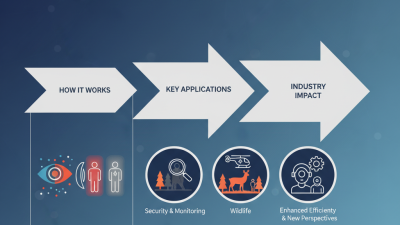
A thermal FPV camera operates on the principles of infrared imaging. Unlike regular cameras, these devices detect infrared radiation emitted by objects. This radiation corresponds to the heat, allowing thermal cameras to create images based on thermal signatures. For example, humans and animals emit more heat than the environment, making them stand out in thermal images.
When using a Thermal Image Drone, understanding the temperature differences is vital. The camera will display variations in colors, often representing cooler areas in blue or purple and warmer ones in red or yellow. This allows users to identify hot spots, which is useful in various applications.
Tips for effective thermal imaging include maintaining a steady flight and avoiding sudden movements. Changes in altitude can also affect readings. It's essential to familiarize yourself with the drone's operating environment. Practice helps you interpret images accurately. Always analyze the surrounding context before making conclusions based solely on thermal images.
Thermal Camera Temperature Sensitivity Comparison
This bar chart displays the temperature sensitivity of different types of thermal cameras, showcasing how different technologies perform in terms of detecting minute temperature differences.
Components and Functionality of Thermal FPV Cameras
Thermal FPV cameras are specialized tools that capture images based on temperature differences. They work by detecting infrared radiation emitted by objects. These cameras convert this data into visible images, which helps identify heat sources. The main components of a thermal FPV camera include the lens, sensor, and display unit. The lens focuses incoming thermal radiation onto the sensor, which translates it into an electronic signal.
Sensors in thermal cameras are crucial. They convert heat patterns into visual representations. Different types of sensors can affect image clarity and accuracy. A high-resolution sensor can provide clearer images, but it may also be more expensive. The display unit shows the processed images in real time, enabling users to make quick decisions. However, images may not always be perfect. Factors like environmental conditions can impact performance.
Another key component is the power supply. Thermal FPV cameras require a reliable power source for optimal functionality. Battery life can vary, and monitoring power levels is essential. Overall, understanding the components of thermal FPV cameras helps users appreciate their functionality. Proper use can lead to improved results, but challenges remain. Each component plays a role, and effective integration is crucial for success.
Common Applications of Thermal FPV Cameras in Various Industries
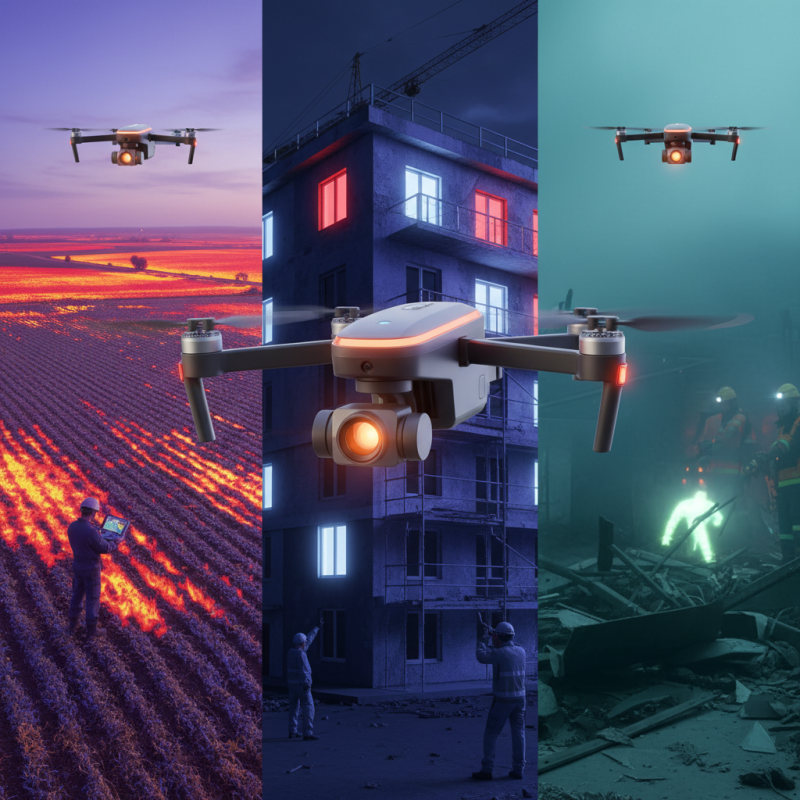
Thermal Fpv Cameras are becoming essential in various industries. Their ability to detect heat signatures makes them useful for different applications. In security, these cameras identify intruders in complete darkness. They help protect facilities, ensuring peace of mind for property owners.
In construction, thermal FPV cameras assist in identifying insulation issues. This can lead to energy savings and improved building efficiency. A project manager may find hidden leaks before they become significant problems. Regular thermal inspections yield great long-term benefits.
Tips: When using a thermal FPV camera, ensure proper calibration. Take time to learn the camera's settings. Understanding the nuances can enhance your inspection skills. Experience matters in optimizing results. Practice in different environments to gain confidence. Always review footage carefully; sometimes, things aren't as they seem. Thermal technology is powerful but requires a keen eye for detail.
What is a Thermal FPV Camera and How Does It Work? - Common Applications of Thermal FPV Cameras in Various Industries
| Application Area |
Description |
Common Uses |
Benefits |
| Firefighting |
Identifying hotspots in combustible materials. |
Search and Rescue, Wildfire Management |
Improved Safety, Faster Response Times |
| Building Inspections |
Detecting heat leaks and insulation issues. |
Energy Audits, Roof Inspections |
Energy Savings, Preventing Damage |
| Electrical Inspections |
Finding overheating components in electrical systems. |
Routine Maintenance, Hazard Prevention |
Increased Reliability, Reduced Downtime |
| Agriculture |
Monitoring crop health and irrigation efficiency. |
Crop Scouting, Livestock Monitoring |
Optimized Resource Use, Increased Yields |
| Law Enforcement |
Surveillance and monitoring suspects or scenes. |
Search Operations, Crowd Control |
Enhanced Situational Awareness, Evidence Collection |
Key Differences Between Thermal and Traditional FPV Cameras
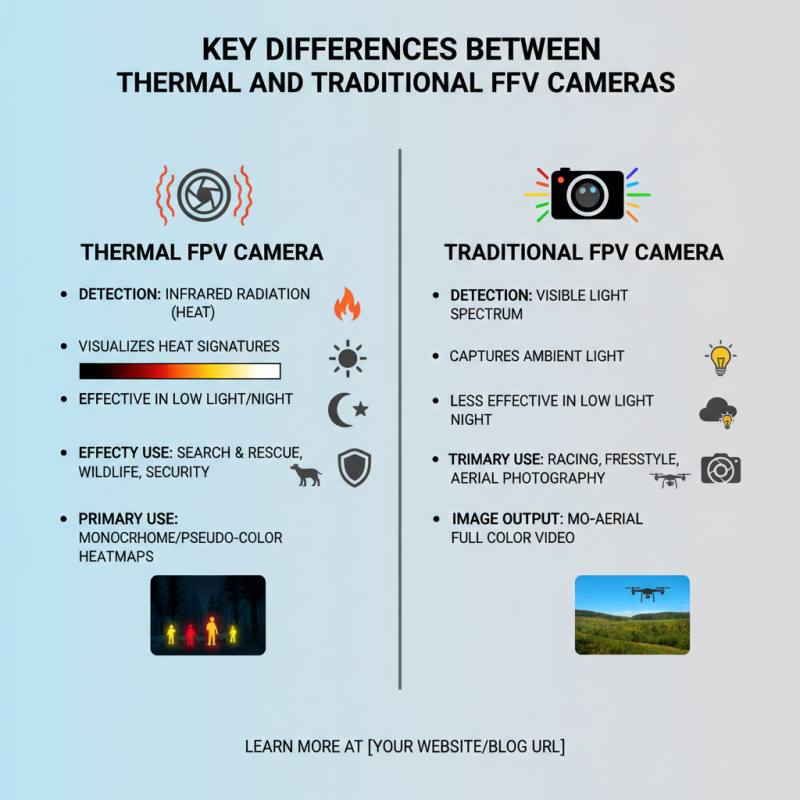
Thermal FPV cameras offer a unique advantage over traditional models by capturing infrared radiation. This capability allows them to visualize heat signatures, making them ideal for various applications, including search and rescue operations. In contrast, traditional FPV cameras operate primarily in the visible spectrum. They rely on ambient light, making them less effective at night or in low-light conditions.
One notable difference is in image clarity. Thermal cameras generally produce images that highlight heat variations. These images can sometimes appear less detailed than those from a 4k Fpv Camera, which captures sharp, colorful visuals. Consequently, the choice between these two types of cameras depends heavily on the intended use. While thermal cameras excel in detecting living beings or overheating machinery, traditional cameras provide a clearer view for recreational purposes.
Thermal FPV cameras can also be more challenging to interpret. Users may require training or experience to recognize the significance of the heat patterns displayed. It’s crucial to have a solid understanding of thermal imaging to make effective use of these devices. Sometimes, relying on the latest technology, such as a 4K FPV camera, without understanding the underlying principles can lead to misinterpretation during critical moments.
Resolution and Sensitivity in Thermal Imaging Technology
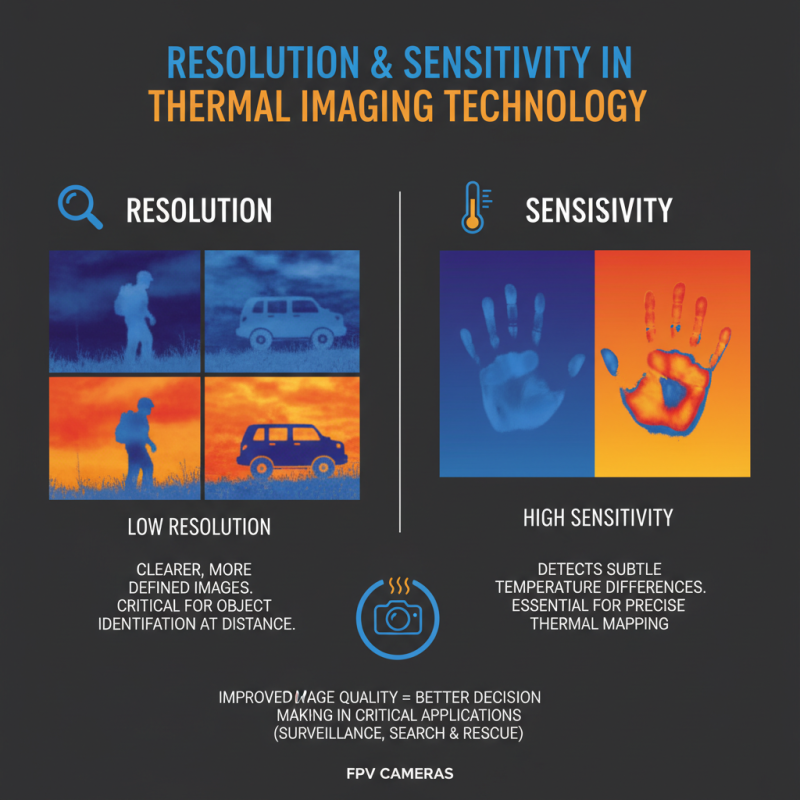
Thermal imaging technology offers crucial insights in various fields, from surveillance to search and rescue operations. The resolution and sensitivity of thermal FPV cameras play a vital role in the quality of the images they produce. Higher resolution allows for clearer and more defined images, which can be critical in identifying objects or people at a distance. In practical terms, this means being able to discern details that lower-resolution cameras might miss.
Sensitivity is equally important. It refers to the camera's ability to detect slight differences in temperature. A sensitive thermal FPV camera can identify subtle heat signatures, which is essential when locating a missing person or inspecting industrial equipment. With a good Fpv Camera Kit, users can benefit from enhanced thermal sensitivity, leading to more effective monitoring and analysis.
However, achieving the perfect balance between resolution and sensitivity is not always straightforward. Higher resolution can sometimes lead to a decrease in sensitivity. Users must carefully consider their specific needs and applications when selecting a thermal camera. Understanding these aspects is crucial for maximizing the efficacy of thermal imaging applications.
Emerging Trends and Developments in Thermal FPV Camera Technology
The thermal FPV camera market is rapidly evolving. Recent reports show a projected growth rate of 12% annually. This growth points to increasing applications across various sectors. From industrial inspections to wildlife monitoring, thermal imaging plays a critical role. The ability to visualize heat signatures provides unparalleled insight.
New trends are emerging in thermal FPV technology. Improved sensor resolution is a key focus. Devices are now able to detect smaller temperature differences, enhancing image clarity. This advancement aids professionals in making informed decisions. Additionally, the integration of artificial intelligence is notable. AI helps in analyzing thermal data quickly and accurately, improving outcomes.
Challenges remain evident in this field. Affordability continues to be a barrier for widespread adoption. Many organizations struggle to justify the costs. Moreover, environmental factors can impact performance. Inconsistencies in image quality arise from various atmospheric conditions. These issues highlight the need for ongoing research and development. Innovators must address these shortcomings while enhancing functionality.
Conclusion
A Thermal FPV Camera is a specialized imaging device designed to detect infrared radiation, allowing users to visualize temperature variations in the environment. These cameras operate on the principles of infrared imaging, capturing thermal energy emitted by objects and converting it into visible images. The main components include thermal sensors, lenses, and onboard processors that work together to produce real-time thermal imagery.
Common applications of Thermal FPV Cameras span various industries, including surveillance, firefighting, and agricultural monitoring. Unlike traditional FPV cameras that rely on visible light, thermal cameras provide critical insights in low-light or obscured conditions. Additionally, advancements in resolution and sensitivity are enhancing the effectiveness of thermal imaging technology, while emerging trends continue to push the boundaries of what these cameras can achieve, making them invaluable tools across multiple sectors.