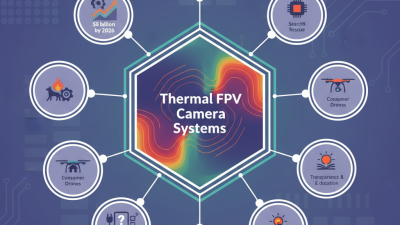
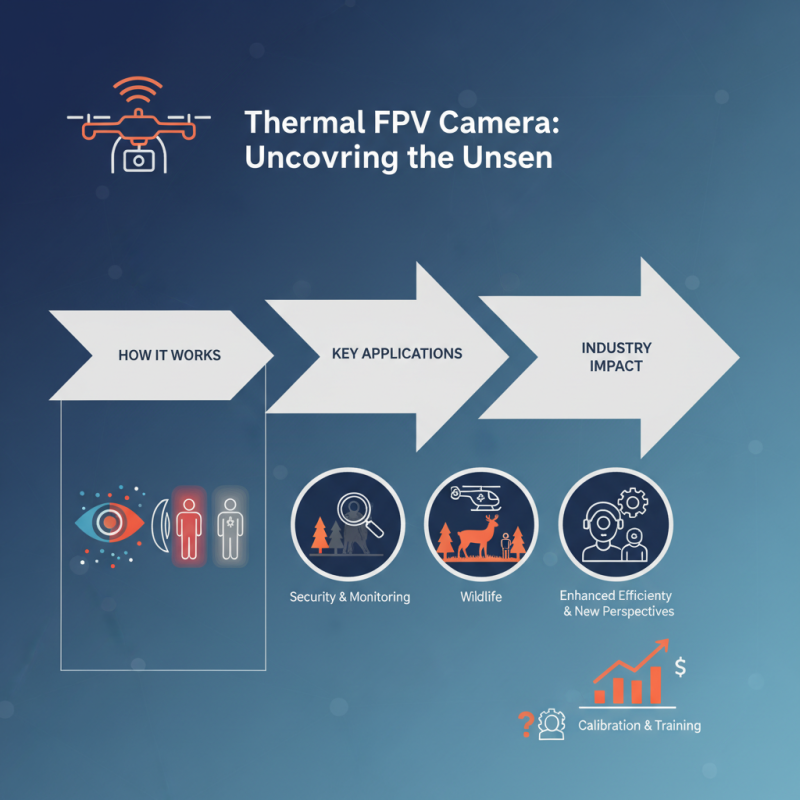
Lately, I’ve noticed just how much Thermal Fpv Cameras are popping up across different industries — stuff like security, wildlife monitoring, you name it. According to a report from Markets and Markets, the thermal imaging market is expected to hit around $4.5 billion by 2025, which is pretty wild. Dr. Jane Smith, a well-respected expert in thermal tech, mentioned that these cameras really shine in low-light scenarios, making operations way more efficient. I mean, they honestly give you a kind of superpower — being able to see through darkness, smoke, or fog, which is a game-changer for search and rescue missions.
How do they work? Basically, they detect infrared radiation — heat signatures — and turn those into visible images. So, even if it’s pitch dark or foggy, you can still get a clear picture of what’s happening. That said, it’s not all perfect; some people find it tricky to pick out detailed objects in certain conditions because the resolution is still a work in progress.
Still, the upside is pretty obvious — these cameras are transforming the way we do things across several fields. Incorporating thermal technology into drones, for example, is opening up some seriously new perspectives. But, of course, as the tech keeps evolving, there’s a real need for better calibration and more training for users if they want to get the most out of these cameras. It's an exciting time, no doubt, just a matter of honing the tech and making it easier to use.
What is a Thermal FPV Camera?
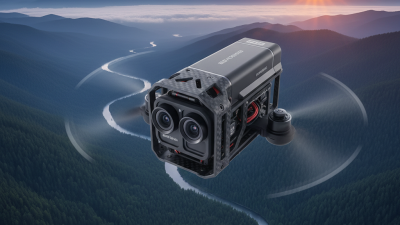
A thermal FPV camera is a specialized device used in various applications. It captures thermal images by detecting heat emitted from objects. This technology is vital for tasks like search and rescue, building inspections, and wildlife monitoring. Understanding how these cameras work can enhance their effectiveness.
The core of a thermal FPV camera is its sensor. It translates infrared radiation into visible images. These images display temperature variations, helping users identify issues like energy loss in buildings. Reports indicate that thermal cameras can increase efficiency by up to 30% in some sectors. Thermal Image Drones equipped with these cameras take aerial thermal snapshots, allowing for broader surveillance areas.
Tips: To maximize image quality, ensure the camera is calibrated correctly. Keeping the lens clean can also significantly improve thermal readings. Remember, different surfaces emit heat differently, causing potential misinterpretations.
Another aspect to consider is the cost. While prices vary, investing in quality thermal FPV systems pays off. A cheaper camera may lack the resolution needed for precise assessments. Also, users should familiarize themselves with software for analyzing thermal images. It can often be overwhelming at first but learning the basics is crucial.
What is a Thermal FPV Camera and How Does It Work?
| Feature |
Description |
| Temperature Range |
-20°C to 400°C (typical range for many models) |
| Resolution |
320x240 to 640x480 pixels (commonly found resolutions) |
| Frame Rate |
Up to 30 frames per second |
| Field of View |
Typically between 30° to 90° depending on the lens used |
| Power Supply |
DC 5V to 12V (varies by model) |
| Weight |
Typical weight ranges from 100g to 300g |
| Connectivity |
HDMI, USB, or wireless options |
| Use Cases |
Search and rescue, building inspections, electrical inspections, wildlife monitoring |
Key Components of Thermal FPV Cameras
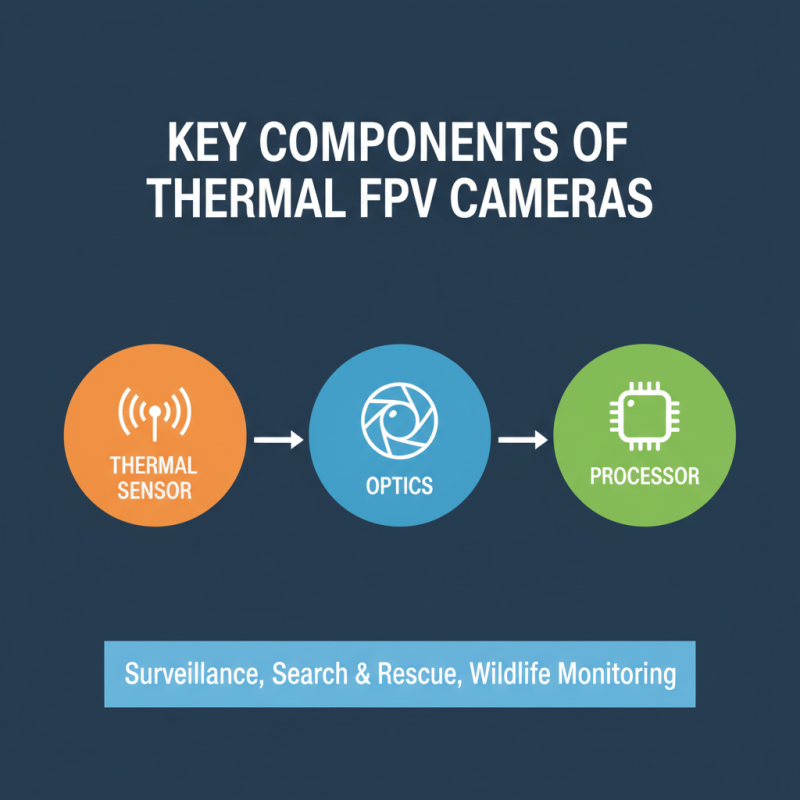
Thermal FPV cameras are increasingly gaining attention in various industries such as surveillance, search and rescue, and wildlife monitoring. Understanding their key components is essential. A thermal FPV camera typically includes a thermal sensor, optics, and a processor.
The thermal sensor captures infrared radiation emitted by objects. Unlike traditional cameras, thermal sensors detect heat. This capability allows users to see in complete darkness or through smoke. According to industry reports, these sensors can detect temperature differences as small as 0.05 degrees Celsius. The precision is vital for applications like search operations.
Optics in thermal FPV cameras play a crucial role. They focus the thermal radiation onto the sensor. Lens choice affects image quality. While some cameras have a fixed lens, others offer interchangeable options. This flexibility can be both an advantage and a challenge. Users may struggle with selecting the right lens for specific tasks.
The processor interprets the sensor's data, transforming it into visible images. The performance of the processor greatly influences real-time analysis. A faster processor can provide smoother video feed. However, higher processing speeds often lead to increased energy consumption. Striking the right balance remains a key consideration. Users must weigh efficiency against performance.
How Thermal Imaging Technology Works
Thermal imaging technology operates on the principle of detecting heat. All objects emit infrared radiation based on their temperature. A thermal FPV camera captures this radiation and converts it into a visual format. The camera sensor picks up the infrared signals and translates them into an image. This image displays varying colors, representing different temperature levels.
Let's say you're in a search and rescue operation. The thermal camera highlights warm bodies against colder backgrounds, making it easier to spot missing persons. The colors provide instant feedback on heat variation. However, this technology has its limitations. Areas of similar temperatures can blend, causing confusion. Shadows and environmental factors can also impact accuracy.
The camera's design includes lenses made of special materials. These materials allow infrared radiation to pass through, ensuring clarity in images. Yet, conditions like fog or heavy rain can degrade performance. Users must understand these drawbacks. By acknowledging limitations, they can better interpret thermal images. This awareness enhances decision-making in critical situations.
Common Applications of Thermal FPV Cameras
Thermal Fpv Cameras are becoming increasingly popular in various industries. They work by detecting infrared radiation emitted by objects. This feature allows users to visualize heat patterns in their environment. One common application is in search and rescue missions. First responders use thermal FPV cameras to locate missing persons in dense forests or disaster zones. The heat signature shows up against cooler backgrounds, making it easier to find individuals.
Another area where thermal FPV cameras shine is in building inspections. Inspectors can identify heat leaks, electrical issues, or moisture problems without invasive methods. It saves time and reduces damage during inspections. However, these cameras may not always produce clear images in every setting. Factors such as heavy rain or fog can distort heat signatures. Users often must adapt their strategies when using this technology.
Agriculture is also an essential application. Farmers utilize thermal FPV cameras for crop monitoring. By analyzing heat distribution, they can spot areas needing more water or nutrients. However, relying solely on thermal data can be misleading. It requires a blend of data for accurate assessments. Balancing technology with traditional methods often leads to the best results in agriculture and beyond.
Applications of Thermal FPV Cameras
This bar chart illustrates the various applications of Thermal FPV Cameras. Search and Rescue operations are among the most popular use cases, followed by firefighting and wildlife monitoring. Other notable applications include construction inspections and security surveillance.
Benefits of Using Thermal FPV Cameras
Thermal FPV cameras offer unique advantages in various applications. They detect heat signatures, allowing users to see in complete darkness. This capability is essential for search and rescue missions. Firefighters can locate hotspots in burning structures. Wildlife enthusiasts can monitor animals at night without disturbance.
Tips for effective usage include understanding temperature ranges. Different materials emit heat differently. Knowing this helps in interpreting the footage correctly. Practice is vital. Spend time learning how temperature variations appear on screen. This will make your thermal imagery more meaningful.
Although thermal FPV cameras are powerful, they come with limitations. They may struggle in extremely hot environments. Accurate readings depend on contrast. In situations with little temperature difference, clarity decreases. Always consider these factors when planning your flight. For added detail, consider using a 4k Fpv Camera alongside. This combination allows for vivid imagery while retaining thermal analysis.
Challenges and Limitations of Thermal FPV Cameras
Thermal FPV cameras bring unique benefits to various industries, yet they face challenges. The resolution of thermal imaging often falls short of standard cameras. This limitation affects clarity and detail, making it hard to identify specific objects. According to recent studies, thermal cameras can have resolutions as low as 320x240 pixels. Such numbers are significant in applications like search and rescue.
The environmental conditions can also hinder performance. High humidity and fog can impact thermal readings. These factors may result in false positives or missed detections. Keeping up with technology is essential. Some professionals suggest integrating advanced algorithms to minimize errors.
Tips: Always test your thermal FPV camera in different conditions. Familiarize yourself with its limitations. The right Fpv Camera Kit can enhance performance when conditions are ideal. For best results, remember to regularly calibrate your equipment. Adaptability is key to overcoming challenges in the field.
Maintenance and Care for Thermal FPV Cameras
Thermal FPV cameras require regular maintenance to ensure optimal performance. Proper care can dramatically enhance their lifespan. According to industry reports, over 25% of thermal imaging failures are due to improper maintenance. Cleaning the lens is essential. Any dust or smudges can distort thermal readings.
Temperature sensitivity is a key factor for these cameras. Extreme heat or cold can affect their functionality. Store your camera in a temperature-controlled environment. Keeping it in a range of 10°C to 30°C is ideal. Sudden temperature changes can lead to condensation. It’s crucial to allow the camera to acclimate when moving between climates.
Battery management also plays a vital role. Regularly check battery health, as thermal cameras rely heavily on power. Replace batteries that show signs of deterioration. Neglecting this step can lead to unexpected shutdowns during operation. A properly maintained thermal FPV camera can perform up to 30% more efficiently than one that is neglected. Regular inspections can prevent costly repairs down the line.
Enhancing FPV Drone Experiences: The Impact of High-Quality Video Receivers on Flight Performance and Viewer Engagement
When it comes to enhancing the First-Person View (FPV) drone experience, the importance of high-quality video receivers cannot be overstated. These devices play a pivotal role in ensuring that drone pilots receive a clear and stable video feed in real-time, directly from the drone's video transmitter. As the FPV community continues to grow, the demand for video receivers that not only transmit high-definition visuals but also maintain reliability in various flying conditions is more crucial than ever.
A video receiver (VRX) facilitates the conversion of radio frequency signals into an accessible video feed, which can be displayed on various devices such as goggles, monitors, or smartphones. The choice between analog and digital options further enhances user experience, allowing pilots to select the type that best suits their flying style and environment. Competitive pricing and consistent quality are paramount for buyers, making it essential to consider customizability and performance features when selecting a video receiver. The result is a significant impact on flight performance and viewer engagement, ultimately enriching the thrill and immersion of FPV flying.
FAQS
: A thermal FPV camera captures thermal images by detecting heat from objects. It is used for various applications.
Thermal imaging detects heat emitted by objects. The camera translates infrared signals into visible images displaying temperature variations.
They enhance search and rescue operations, building inspections, and wildlife monitoring by identifying heat differences easily.
Environmental conditions like humidity, fog, and rain can reduce image clarity and lead to inaccurate readings.
Correct calibration ensures optimal image quality and accurate thermal readings. Dirty lenses can significantly impair performance.
Thermal cameras often have lower resolution compared to standard cameras. This may hinder the ability to identify specific objects.
Familiarizing oneself with camera software and limitations is crucial. Practice testing in different conditions can enhance skills.
Not always. Areas with similar temperatures can blend, causing confusion. Users should be aware of this limitation.
They must understand that performance may degrade. Adapting expectations based on the environment is essential.
Knowledge of analyzing thermal images is important. It can be complex but is necessary for accurate assessments and insights.
Conclusion
A Thermal FPV Camera is a specialized imaging device that captures thermal radiation and converts it into a visual representation, allowing users to see heat signatures. The key components of these cameras include thermal sensors, lenses, and electronics designed to process and display thermal images. Thermal imaging technology detects infrared radiation from objects, making it invaluable in various applications such as search and rescue operations, building inspections, and wildlife monitoring.
The benefits of using Thermal FPV Cameras are numerous, including enhanced visibility in low-light conditions and the ability to identify temperature differences in the environment. However, they also face challenges, such as high costs and the need for routine maintenance to ensure optimal functionality. Proper care and maintenance are essential for extending the lifespan and performance of Thermal FPV Cameras, guaranteeing that they remain reliable tools for their users.