Lately, we've been seeing a real game-changer in aerial surveillance—the rise of the Reconnaissance Drone. Dr. Emily Chang from AeroIntelligence? She puts it quite simply: these drones give us unmatched awareness and intel. Honestly, it’s pretty impressive how much they’re shaking up everything from military ops to keeping tabs on the environment.
Basically, a reconnaissance drone is packed with high-tech imaging gear. It can take super-clear pictures from really high up and cover big chunks of land pretty quickly. That makes them perfect for collecting data fast. But, of course, it’s not all smooth sailing—there are concerns about keeping data secure and making sure we’re respecting ethical boundaries. As drone tech keeps advancing at a rapid pace, folks are starting to debate issues around privacy and rules of the game.
Getting to know these drones a bit better helps us understand what they can do, and where their limits are. They’re definitely boosting efficiency, but they also make us think about how surveillance impacts our sense of privacy and accountability. It’s a balancing act — technology moving forward, but ethical questions lingering in the background. It’s a fascinating, if sometimes complicated, space to watch unfold.
What is a Reconnaissance Drone?
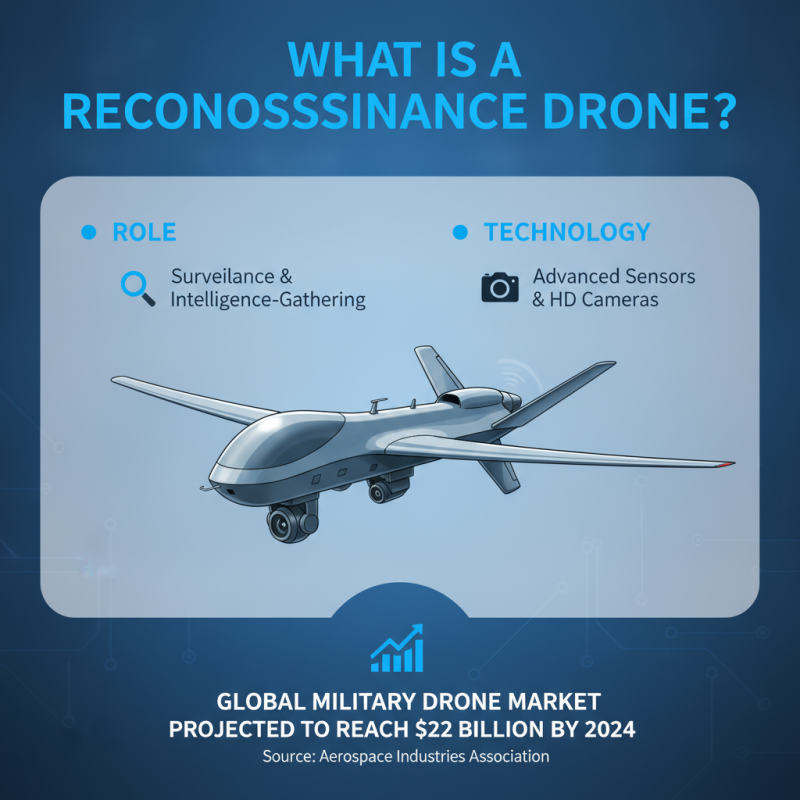
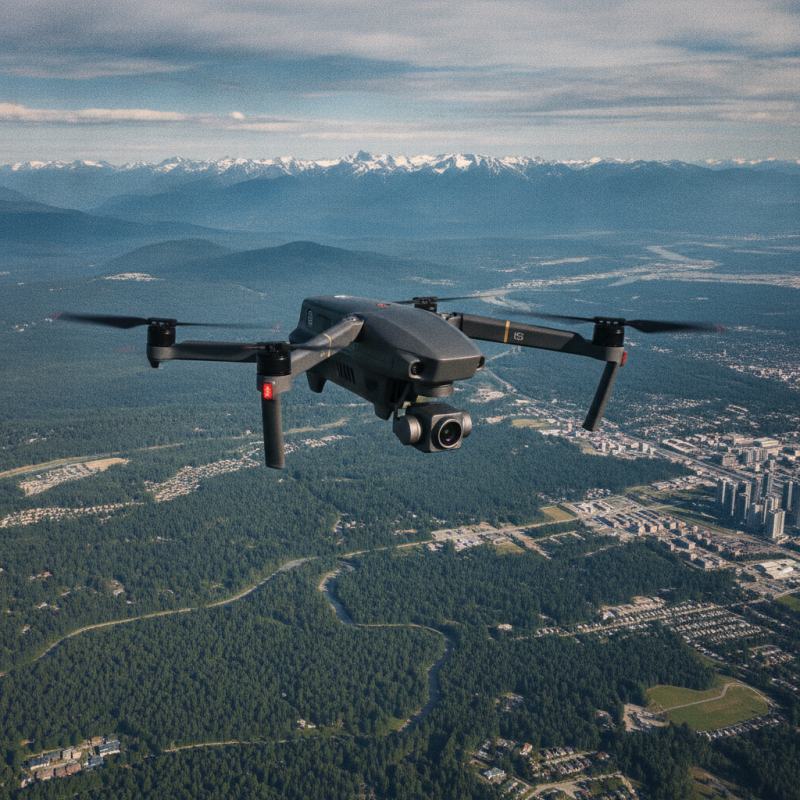
Reconnaissance drones play a vital role in modern surveillance and intelligence-gathering missions. These unmanned aerial vehicles (UAVs) are equipped with advanced sensors and cameras to capture high-resolution images and videos. According to a report by the Aerospace Industries Association, the global military drone market is projected to reach $22 billion by 2024, underscoring the growing reliance on such technologies.
Typically, reconnaissance drones operate at high altitudes. They can provide real-time data analysis to military commanders, helping them make informed decisions. These drones use infrared sensors and radar technologies, which enhance their capabilities in various weather conditions. However, they also face challenges. Issues like electronic warfare can interfere with their operations, limiting their effectiveness in certain scenarios.
While the advantages of reconnaissance drones are clear, ethical considerations arise. The potential for privacy infringements is significant. As these drones become more widespread, debates about their use in civilian areas intensify. The balance between security and individual rights remains a critical topic of discussion, requiring ongoing reflection and policy review.
Key Components of Reconnaissance Drones
Reconnaissance drones play a crucial role in surveillance and data collection. These aerial vehicles are designed to gather intelligence without putting personnel at risk. Their key components greatly enhance their effectiveness in various environments.
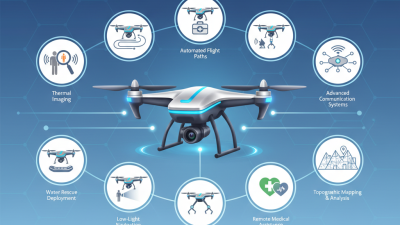
One vital component is the high-resolution camera. This camera captures detailed images from great distances. Some drones even use infrared technology, allowing them to operate in low-light conditions. Sensors are another important feature. They can detect movement, temperature, and even chemical signatures. Drones equipped with GPS systems can navigate precisely and follow planned flight paths.
Indoor Reconnaissance Drones are increasingly popular. They help explore buildings and structures where traditional methods are impractical. These drones are often smaller and more maneuverable. Their design allows for operation in confined spaces.
However, the technology isn’t perfect. Signal loss and environmental obstacles can disrupt their operations. Reflecting on these limitations is crucial for further development. Understanding how to enhance performance in challenging conditions is vital for future advancements in reconnaissance technology.
Types of Reconnaissance Drones and Their Uses
Reconnaissance drones play a pivotal role in modern surveillance and intelligence gathering. These aerial vehicles are designed to collect data without being detected. They come in various types, each with distinct uses tailored to specific needs.
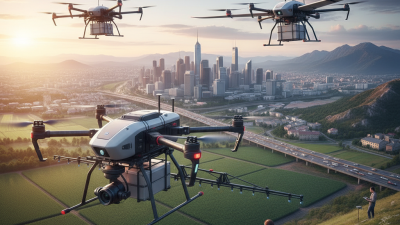
One significant type is the fixed-wing reconnaissance drone. This design allows for longer flight times and extended range. It captures high-resolution images and videos, making it ideal for military and research applications. In contrast, multi-rotor drones are versatile and can hover in place. They are often used for urban mapping and agriculture. Each type serves its unique purpose in gathering critical information.
Tips: When selecting a reconnaissance drone, consider its flight time and camera capabilities. These features will determine how effectively it meets your needs. Additionally, understanding the local regulations on drone use is crucial. Many areas have specific rules governing their operation. This compliance ensures safe and responsible flying.
It's important to remember that reconnaissance drones are not infallible. Weather conditions, like strong winds or rain, can affect their performance. Users must stay prepared for unexpected challenges. A Drone Rc Drone may impress with its technology, but it demands skill and careful planning. Keeping these factors in mind will enhance the effectiveness of any reconnaissance mission.
How Reconnaissance Drones Collect Information
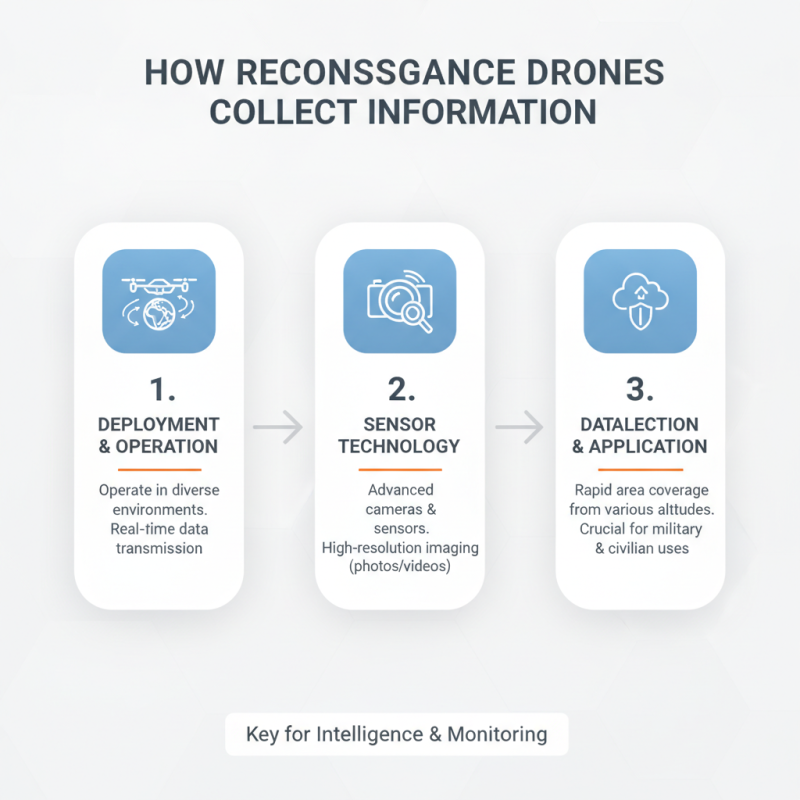
Reconnaissance drones are sophisticated tools used for gathering vital information. They operate in various environments, collecting real-time data. Equipped with advanced sensors, these drones can capture high-resolution images and videos. This data is essential for both military and civilian operations. Their ability to fly at different altitudes helps in covering large areas quickly.
These drones collect information using several methods. Optical sensors and thermal imaging cameras provide detailed surveillance capabilities. Some drones utilize synthetic aperture radar to detect targets even in poor visibility. They often relay this information back to operators instantly, ensuring timely decision-making. The integration of AI algorithms enhances the analysis process, making sense of vast amounts of data efficiently.
However, the reliance on drones raises questions. Are we losing the human touch in reconnaissance? The potential for errors exists, especially in complex environments. While reconnaissance drones offer advantages, there is a need to balance technology and human oversight. As drones evolve, practices must be scrutinized to improve reliability. The SAR Drone is one such example, highlighting the multifaceted uses of drone technology in real-world applications.
The Technology Behind Reconnaissance Drones
Reconnaissance drones are equipped with advanced technology that enables them to gather crucial intelligence. These devices often use high-resolution cameras and infrared sensors to capture images and data from the ground. According to a report by the North American Aerospace Defense Command, drone technology has improved significantly, with military drones reaching altitudes of 60,000 feet. This allows them to cover vast areas quickly and efficiently.
The technology behind reconnaissance drones typically includes GPS systems and real-time data transmission capabilities. They can operate autonomously or be remotely piloted. The integration of AI enhances their ability to analyze data as it is collected. A 2022 industry report showed that the reconnaissance drone market is projected to grow by 15% annually. This growth reflects the increasing reliance on aerial surveillance for security and reconnaissance purposes.
Despite these advancements, challenges remain. Weather conditions can affect the performance of reconnaissance drones. Additionally, data security is a concern. Protecting the information gathered is essential to prevent misuse. Enthusiasts often explore building their
Drone Kit for educational purposes, but this also raises questions about safety and regulation. Balancing innovation with these challenges is crucial for the future of reconnaissance technology.
Challenges and Limitations of Reconnaissance Drones
Reconnaissance drones offer strategic advantages in various fields. However, they face several challenges and limitations. One major issue is data overload. With high-resolution cameras and advanced sensors, drones collect vast amounts of data. An analysis by the International Journal of Aerospace Engineering indicates that over 70% of this data goes unanalyzed, stressing the need for effective data processing techniques.
Another challenge is the regulatory environment. Different countries have distinct laws governing drone operations. A report from the European Union Aviation Safety Agency highlights that 60% of operators struggle with compliance. This inconsistency can lead to operational delays and legal complications. Furthermore, environmental factors can impact drone performance. Weather conditions, such as high winds and heavy rainfall, significantly reduce flight time and data collection efficacy, according to the Federal Aviation Administration.
Security is also a pressing concern. Drones are susceptible to hacking, which can compromise sensitive information. Reports indicate that cyber-attacks on drones have risen by 25% over the past two years. As reconnaissance drones become more widespread, addressing these vulnerabilities is crucial for ensuring reliability.
What is a Reconnaissance Drone and How Does It Work? - Challenges and Limitations of Reconnaissance Drones
| Feature |
Description |
Challenges |
Limitations |
| Altitude |
Typically operates at altitudes between 500 to 15,000 feet. |
Reduced effectiveness in densely populated urban environments. |
Limited operational range depending on the model. |
| Sensors |
Equipped with high-resolution cameras and infrared sensors. |
Need for advanced image processing and interpretation. |
Costly sensor technology can limit deployment. |
| Flight Duration |
Operating time can range from 2 to 24 hours. |
Environmental factors can impact flight stability. |
Batteries limits can restrict mission scope. |
| Data Transmission |
Real-time data streaming capabilities. |
Vulnerability to jamming and interception. |
Latency can affect operational effectiveness. |
| Cost |
Prices can vary from thousands to millions of dollars. |
Budget constraints can affect acquisition. |
Maintenance and operational costs can be high. |
Future Trends in Reconnaissance Drone Development
The future of reconnaissance drone development is an exciting prospect. Emerging technologies, such as artificial intelligence and enhanced sensors, will revolutionize these devices. Drones will become smarter, able to process data in real-time. This could improve the accuracy of surveillance missions significantly.
Increasingly, drones will have longer flight times and greater payload capacities. This will allow for more advanced imaging equipment and extended operational ranges. Moreover, miniaturization of components might lead to more discreet reconnaissance options. Yet, ethical considerations and privacy concerns arise as capabilities expand. There is a fine line between security and invasion of privacy.
As drones evolve, the integration of machine learning could be transformative. These drones may identify patterns, detect threats, and even predict movements autonomously. However, with such advancements come risks. The possibility of misuse exists, prompting calls for regulations. Striking a balance between innovation and ethical use will be essential for the future of reconnaissance drones.
Future Trends in Reconnaissance Drone Development
FAQS
: They use high-resolution cameras and infrared sensors to gather intelligence.
They can reach altitudes of up to 60,000 feet.
The integration of artificial intelligence improves their data analysis during collection.
Drones collect vast amounts of data, with over 70% often going unanalyzed.
Different countries have varying laws, leading to compliance issues for 60% of operators.
High winds and heavy rains can significantly reduce flight time and data gathering efficiency.
Drones are vulnerable to hacking, which can compromise sensitive information.
Yes, protecting gathered information is essential to prevent misuse.
It is expected to grow at an annual rate of 15% due to increasing surveillance needs.
Building drone kits raises questions about safety and conflicting regulations.
Conclusion
A reconnaissance drone is an unmanned aerial vehicle (UAV) designed for gathering intelligence and surveillance data. These drones are equipped with key components such as cameras, sensors, and communication systems, which enable them to collect a wide range of information from various environments. There are different types of reconnaissance drones, each serving unique purposes, from military operations to environmental monitoring.
Reconnaissance drones utilize advanced technology to collect and transmit data in real-time, allowing operators to make informed decisions. However, they face challenges including privacy concerns, technical limitations, and the need for robust cybersecurity measures. As technology evolves, the future of reconnaissance drones looks promising, with trends pointing toward enhanced capabilities, improved autonomy, and broader applications in both civilian and governmental sectors.