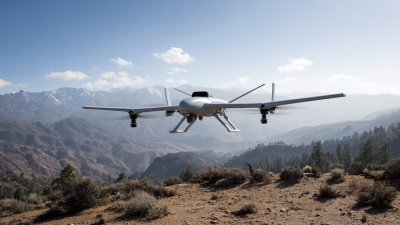
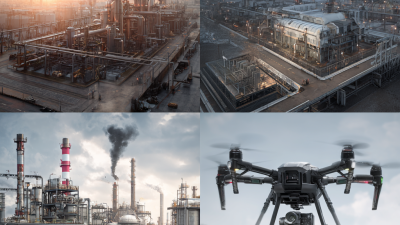
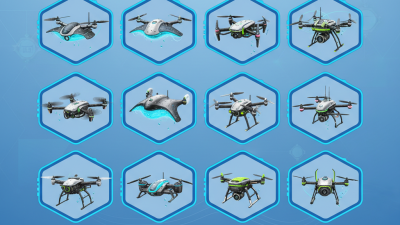
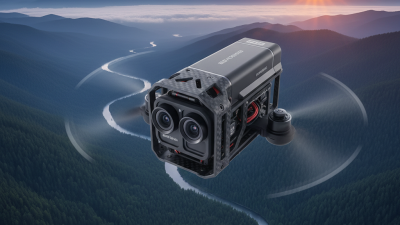
Lately, there's been a big jump in demand for cool, innovative tech across different industries. And if you look at the numbers, like from MarketsandMarkets, the drone market’s projected to hit around $43 billion by 2024—that’s pretty nuts! This kind of growth really shows just how important it is to understand exactly what you need when you're picking a drone manufacturer. Now, a Hand-Thrown Drone? It’s got some pretty awesome perks. Its portability and being super easy to use really make it a versatile tool for all kinds of tasks.
Teaming up with an ODM OEM manufacturer can help you nail down those specific business needs. Lots of companies are now craving custom solutions to stand out from the crowd. A custom Hand-Thrown Drone can seriously boost your operational game. But, heads up—finding the right partner is a big deal. Some manufacturers might promise you quick turnarounds but skimp on quality checks, and that’s a problem. You’ve gotta stay sharp and do your homework when looking into these partnerships.
Going with an experienced manufacturer usually pays off—less hassle, better support, and overall better results. It’s a good idea to dig into reports, case studies, and reviews to get a clear picture. For entrepreneurs especially, spending the time to pick the right ODM OEM partner for Hand-Thrown Drones can really make a difference when it comes to future success and innovation. Bottom line? Don’t rush the choice—your business will thank you!
Understanding ODM and OEM in the Drone Manufacturing Industry
In the drone manufacturing industry, ODM (Original Design Manufacturer) and OEM (Original Equipment Manufacturer) play vital roles. Choosing between these options shapes your business strategy.
ODM provides a complete service from design to production. They create unique products under your brand.
This can save time and reduce costs. OEM focuses on manufacturing products designed by another company. They offer flexibility to customize existing designs.
Understanding these distinctions helps in making informed decisions.
When selecting a drone manufacturer, consider the following tips. Evaluate your target market's needs. Customize features that align with customer expectations.
Cost efficiency is crucial. An ODM may reduce upfront investments, while an OEM offers more control.
This could influence product quality and delivery time. Assess your long-term vision for branding and product development.
It's important to reflect on your current capabilities.
Are you ready to invest in design or stick to manufacturing?
Weigh the advantages and drawbacks of each model. Some businesses find ODM too limiting, while others appreciate the support.
Trends in technology and consumer preferences shift often. Flexibility in your choice is necessary.
Benefits of Choosing Hand-Thrown Drones for Diverse Applications
Hand-Thrown Drone have gained popularity across various industries. They are lightweight, portable, and easy to deploy. This makes them ideal for applications like agriculture, search and rescue, and event monitoring. Businesses can benefit from their fast setup and accessibility. However, users must ensure they understand the operational limits and best practices.
One appealing aspect of hand-thrown drones is their user-friendly design. They usually require minimal training for staff. This can lead to quick integration into existing workflows. In agriculture, for instance, farmers can assess crop health rapidly. However, there may be challenges, such as battery life and payload capacity. Users must carefully calibrate their expectations and consider these limitations.
These drones excel in environments where traditional drones may struggle. Dense forests or urban landscapes can hinder larger aircraft. Hand-thrown drones can navigate these spaces better. Their compact nature allows them to get closer to targets. Yet, reflective surfaces can cause issues with signal. Recognizing such potential pitfalls is crucial for effective usage.
Key Features to Look for in a Drone Manufacturer
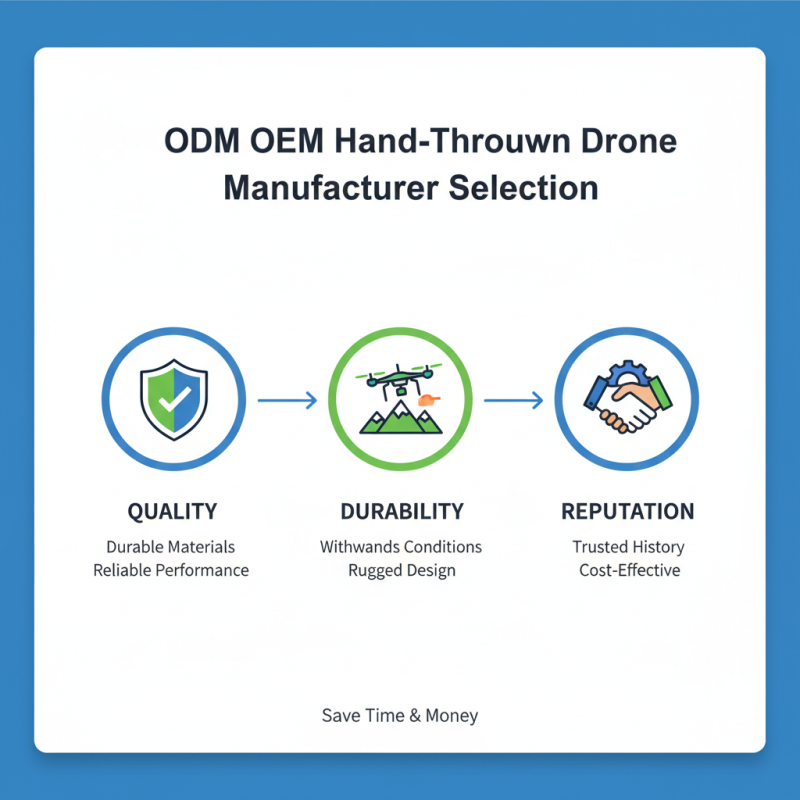
When selecting an ODM OEM hand-thrown drone manufacturer, several key features stand out. Quality is paramount. Look for manufacturers that prioritize durable materials and reliable performance. Drones should withstand various conditions. A manufacturer’s reputation for quality can save businesses time and money.
Customization options are also vital. Different industries have unique needs. A good manufacturer offers tailored solutions. This flexibility can enhance your drone's functionality. Flexibility allows you to create a product that meets specific demands.
Tips: Always request samples to assess quality. This helps you gauge if the manufacturer meets your standards. Additionally, explore their customer service responsiveness. Inefficient communication can lead to misunderstandings down the line.
Collaboration is crucial. Your manufacturer should be open to feedback. Sometimes, prototypes may need adjustments. A lack of collaboration can result in unsatisfactory products. Look for partners who value your input and make necessary changes.
The Role of Customization in ODM and OEM Drone Solutions
Customization plays a vital role in the world of ODM and OEM drones. Every business has unique needs that can’t be met by standard market options. Customizing Drones Controlled By Hand can enhance their usability and effectiveness. Companies often require specific features, like enhanced camera capabilities or unique flight patterns. Tailored solutions can address these specific business requirements perfectly.
Additionally, the manufacturing process offers flexibility. Partners can help refine designs and functionalities. They can also guide businesses through the numerous options. This process can sometimes spark confusion. Not every choice leads to the best solution. Open dialogue with manufacturers is essential. Companies should be ready to rethink their requirements as they learn about new technologies and features.
Moreover, successful customization doesn’t happen overnight. It requires careful planning and testing. Businesses might face delays or unexpected challenges. Each prototype may reveal new insights. Such reflections on the process can lead to better final products. Engaging with an ODM or OEM manufacturer means having a collaborative journey in creating effective drones controlled by hand. Each step of this journey offers chances for improvement and innovation.
Cost-Effectiveness of Partnering with ODM OEM Manufacturers
In today’s competitive market, cost-effectiveness is key when selecting a manufacturing partner. ODM and OEM manufacturers provide unique advantages for businesses. These manufacturers often achieve a 30% reduction in production costs compared to traditional methods. This is primarily due to their economies of scale and established supply chain networks.
Using ODM and OEM services can also save significant time. A recent industry report indicated that companies using these manufacturers reduced product development time by up to 40%. This means faster entry to the market, which is crucial in the ever-changing tech landscape. However, not all ODM and OEM manufacturers deliver equal quality, which can be a risk.
Investing in partnerships with select ODM OEM drone manufacturers can benefit your business. Cost savings can be redirected into marketing or research and development. Yet, it is crucial to vet manufacturers thoroughly. Quality control and consistent communication remain fundamental challenges in these partnerships. Balancing cost and quality should drive your decision-making process.
Cost-Effectiveness of ODM/OEM Hand-Thrown Drone Manufacturers
This chart illustrates the cost-effectiveness of partnering with ODM/OEM manufacturers for hand-thrown drones across different aspects such as Production Costs, R&D Expenses, Operational Efficiency, and Time to Market.
Quality Assurance and Testing Standards in Drone Production
When choosing an ODM OEM hand-thrown drone manufacturer, understanding quality assurance and testing standards is crucial. The drone industry is highly competitive, with a projected market growth of 13.9% annually over the next five years. Quality assurance is not just a checkbox; it should ensure that every drone, including models like the
Drone Rc Drone, meets strict safety and performance standards. As per the latest industry reports, 30% of drone failures are linked to inadequate testing processes. This highlights the importance of comprehensive evaluations.
Manufacturers must incorporate rigorous testing protocols. These include flight stability, battery life, and material durability tests. Regular assessments can prevent issues that could arise during real-world usage. A lapse in testing could lead to product recalls or, worse, safety incidents. It’s essential for businesses to partner with manufacturers committed to high testing standards.
Tips: Look for manufacturers that provide detailed testing reports. Examine their certification processes. Also, consider asking for feedback from other clients about their experiences. This can reveal insights into the manufacturer’s commitment to quality. Testing should not be just a formality; it should reflect reliability and safety standards in products like the Drone RC Drone.
Future Trends in Hand-Thrown Drones and Their Impact on Businesses
The future of hand-thrown drones is promising. These devices are becoming more advanced and versatile. Their applications in search and rescue operations are particularly notable. SAR drones can quickly reach hard-to-access areas in emergencies. They can cover large areas, providing real-time data to rescue teams. This capability saves precious time and lives.
Businesses are starting to embrace these innovative drones. They see potential in emergency response as well as surveillance. However, there are challenges to consider. The technology is evolving rapidly, but integration into existing systems can be clunky. Some teams may struggle with training. Costs can also be a concern. As more companies explore hand-thrown drones, they must prioritize effective training and budget planning.
Yet, the excitement around hand-thrown drones is palpable. Industries are racing to harness their potential. This can lead to impressive benefits if properly implemented. But if not, the technology could fall short of expectations. Businesses should stay adaptable to navigate this evolving landscape.
Innovative Transport Drone Solutions for Efficient Delivery in Disaster Relief Operations
In recent years, the role of transport drones in disaster relief operations has become increasingly significant, providing innovative solutions for efficient delivery. These unmanned aerial vehicles (UAVs) are specially designed to carry a wide range of goods, including medical supplies and crucial materials, to locations that are often hard to access due to natural disasters. According to a report by the Federal Aviation Administration (FAA), the drone service market is projected to reach $43 billion by 2024, highlighting the growing importance of UAVs in various sectors, particularly in emergency response scenarios.
Transport drones offer numerous advantages over traditional ground transportation methods. They can operate in challenging terrains, bypassing obstacles that would otherwise hinder ground vehicles. For instance, a study by the International Disaster Emergency Committee revealed that drone deliveries could reduce logistics times by up to 60%, ensuring that critical supplies reach affected populations quickly. Furthermore, the cost-effectiveness of these UAVs makes them an appealing option for organizations focused on disaster relief, as costs associated with traditional logistics often escalate in emergency situations.
The ability of transport drones to carry heavy loads and deliver essential supplies not only enhances efficiency but also transforms the landscape of emergency logistics. Their deployment in real-time situations, such as delivering food, medical aid, and shelter materials during crises, showcases how technology can play a vital role in saving lives. As advancements in drone technology continue, we can expect to see an expanded use of transport drones in disaster relief operations, further revolutionizing the efficiency and effectiveness of humanitarian responses.
FAQS
: Think about your interests. Consider time and budget. Start with something easy.
Set small goals. Celebrate little wins. Join a community for support.
Yes, breaks help improve focus. Step away, stretch, or grab a snack.
Use planners or apps. Prioritize tasks daily. Avoid multitasking; it’s less efficient.
Take a deep breath. List tasks. Break them into smaller, manageable parts.
Change your environment. Try freewriting or drawing. Sometimes a walk helps.
It boosts confidence. You meet new people. It can lead to unexpected opportunities.
Set boundaries during work hours. Make time for yourself and loved ones.
Reflect on what went wrong. Use failure as a learning experience. It's okay to try again.
Keep a tidy space. Use lists or digital tools. Regularly declutter your mind and surroundings.
Conclusion
In today's rapidly evolving drone manufacturing industry, choosing an ODM or OEM hand-thrown drone manufacturer can significantly benefit businesses across various sectors. Understanding the distinctions between ODM (Original Design Manufacturer) and OEM (Original Equipment Manufacturer) is crucial, as it allows companies to leverage customized solutions that meet their unique needs while also incorporating the latest design features and technologies.
Hand-thrown drones offer unparalleled versatility and ease of use, enabling diverse applications from agriculture to surveillance. When selecting a manufacturer, businesses should look for key features such as quality assurance processes, stringent testing standards, and cost-effectiveness. As the demand for hand-thrown drones continues to rise, staying ahead of future trends will be vital for businesses aiming to maximize their operational potential and enhance their competitive edge in the market.