Hey, in the fast-changing world of tech, industrial drones are really shaking things up across a bunch of industries. I’ve been involved in the drone scene for over ten years now, and honestly, Space Innovation Co., Ltd. has really positioned itself as a leader in this space. They focus on everything from researching and developing to manufacturing and selling UAVs and drone accessories. Looking ahead to 2023, making the most of what industrial drones can do isn’t just a nice bonus — it’s pretty much a must if companies want to stay competitive.
A well-known expert in drone tech, Dr. Emily Carter, stresses how crucial it is to stay adaptable, saying, “Maximizing the potential of industrial drones really comes down to smart planning and always pushing for innovation.” We totally get that here at Space Innovation, and our goal is to give our clients all the tools and insights they need to get the most out of their drone operations. By combining the latest tech with our years of experience, we’re here to help businesses overcome the hurdles and catch the opportunities that come with adding drones into their workflows.
So, in this article, I’ll share ten key tips to help organizations make their drone operations run smoothly and efficiently in the year ahead.
Understanding the Key Applications of Industrial Drones in Your Operations
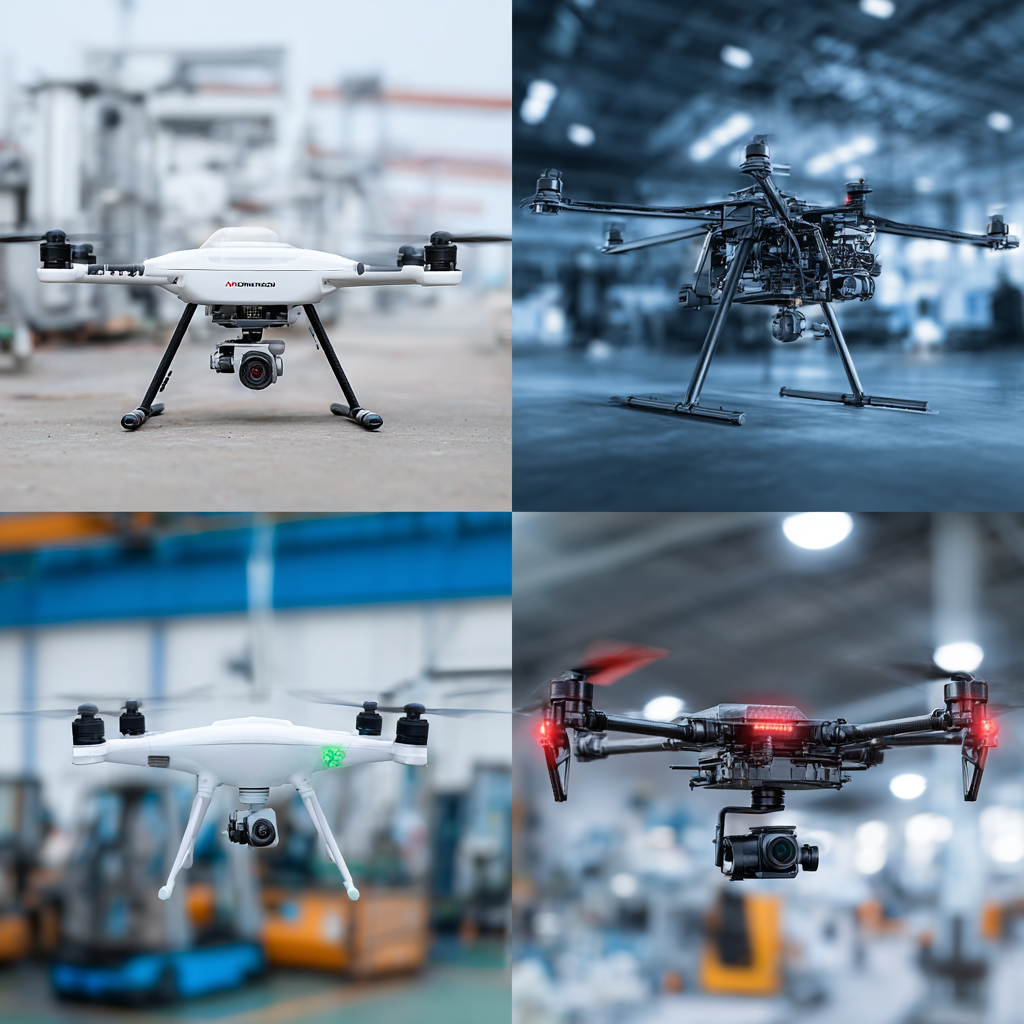 Industrial drones are revolutionizing various sectors by enhancing operational efficiency and expanding applications. In 2023, understanding the key applications of these drones is crucial for businesses looking to maximize their potential. The use of industrial drones spans several areas, including agriculture, construction, logistics, and inspection services. These applications allow for real-time data collection, mapping, and monitoring, significantly improving decision-making processes and reducing operational costs.
As the industrial drone market continues to grow, driven by advancements in technology and the increasing demand for efficient solutions, businesses must stay informed about their capabilities. The global drone market is projected to reach $56.429 billion by 2032, with a compound annual growth rate of 21.2%. This robust growth underscores the importance of integrating drones into various operations as they enhance productivity and provide innovative solutions tailored to industry needs. By leveraging the full range of applications that industrial drones offer, companies can not only increase their operational efficiency but also maintain a competitive edge in a rapidly evolving market.
Choosing the Right Drone Technology for Your Specific Needs
Choosing the right drone technology for specific industrial needs is critical for maximizing operational efficiency in 2023. According to a report by MarketsandMarkets, the global commercial drone market is expected to reach $12.5 billion by 2025, with a significant portion of this growth driven by industries such as agriculture, construction, and logistics. Selecting the appropriate drone requires careful consideration of factors like payload capacity, flight time, and the specific applications—be it surveying, monitoring, or delivery.
For instance, agriculture companies looking to utilize drones for precision farming would benefit from multi-spectral cameras, which can provide insights into crop health and optimize yield. On the other hand, construction firms might prioritize drones with advanced mapping capabilities and real-time data transmission to streamline project management and reduce costs. According to a study by PwC, integrating drone technology can lead to a reduction in operational costs by up to 35% in some scenarios, underscoring the importance of aligning drone specifications with business goals for improved efficiency and productivity.

Implementing Best Practices for Data Collection and Analysis
In the rapidly evolving landscape of industrial drones, implementing best practices for data collection and analysis is crucial for maximizing efficiency. One of the fundamental tips is to define clear objectives before deploying drones. Understanding the specific data needed, whether it be for surveying, inspections, or mapping, helps in calibrating the drone's sensors effectively. This preparation can lead to more accurate and relevant data, ultimately driving better decision-making.
Another vital aspect is ensuring data integrity during collection. Regular maintenance of drones, along with routine checks on software and hardware, safeguards against potential errors that could compromise data quality. Additionally, utilizing advanced data processing tools can streamline analysis and make the extraction of meaningful insights more efficient. For instance, employing AI algorithms can assist in interpreting vast datasets quickly, helping businesses respond to insights in real-time.
Lastly, training the operators on best practices is key to optimizing performance. Experienced pilots can navigate complex environments more effectively while ensuring compliance with regulations. By investing in continuous education, organizations empower their teams to leverage drone technology to its fullest, leading to improved operational efficiency and productivity.
Training Your Team for Optimal Drone Operation and Safety
In 2023, training teams for optimal drone operation and safety is crucial as industrial drones become more integrated into various sectors. According to industry reports, the global drone market is expected to reach $42.8 billion by 2025, highlighting the importance of skilled personnel to maximize efficiency and safety. Companies like Space Innovation Co., Ltd., with over a decade of experience in the UAV sector, recognize that comprehensive training programs play a pivotal role in enhancing operational capabilities while ensuring compliance with safety regulations.
Recent developments in drone operations, such as Safe Pro Group's successful training sessions with the Philippine military on drone operations and AI analysis, underscore the need for continuous education and practical engagement. The focus on real-world applications, including how to handle various conditions, reflects an industry trend toward incorporating advanced technologies like reinforcement learning to improve flight safety, particularly during critical landing phases. As organizations progressively adopt drone technology for diverse applications, from forestry monitoring to disaster response, investing in well-structured training initiatives will ensure both safety and effectiveness in drone operations.
Integrating Drones into Existing Workflow Systems for Enhanced Efficiency
Integrating industrial drones into existing workflow systems can significantly boost operational efficiency. According to a report by MarketsandMarkets, the drone service market is projected to grow from $14 billion in 2022 to over $63 billion by 2026, highlighting the increasing adoption of drone technology across various sectors. One effective strategy for integration is to leverage drones for data collection and analysis, enabling companies to make informed decisions faster. For instance, drones equipped with advanced imaging technology can quickly survey large areas, providing real-time data that can be used for everything from agricultural monitoring to infrastructure inspections.
Furthermore, establishing seamless communication between drones and existing management systems is crucial for maximizing their potential. A study by Deloitte revealed that organizations that successfully integrate drones into their workflows experienced up to a 30% reduction in operational costs. By utilizing software that allows for the synchronization of drone data with enterprise resource planning (ERP) systems, businesses can enhance their project management capabilities, streamline operations, and minimize downtime. This integration not only improves productivity but also enables companies to harness the full benefits of drone technology, driving innovation in their operations.
Efficiency Metrics of Industrial Drones in 2023
This bar chart illustrates the key efficiency metrics gained by integrating industrial drones into existing workflow systems in 2023. The data highlights improvements in time savings, cost efficiency, data accuracy, and safety measures across various applications.
Evaluating and Maintaining Drone Performance for Long-Term Success
Evaluating and maintaining drone performance is crucial for ensuring long-term success in industrial applications. According to a report by the Association for Unmanned Vehicle Systems International (AUVSI), the commercial drone market is projected to reach $43 billion by 2024. This rapid growth necessitates a focus on both performance monitoring and maintenance strategies to maximize operational efficiency. Regularly assessing key performance indicators (KPIs), such as battery life, payload capacity, and flight speed, allows companies to identify potential bottlenecks or inefficiencies.
Moreover, adhering to manufacturer maintenance schedules and conducting thorough post-flight inspections can significantly enhance drone longevity. A study from the Federal Aviation Administration (FAA) indicated that well-maintained drones have a 30% lower failure rate compared to those with inconsistent upkeep. Implementing predictive maintenance practices—such as using data analytics to forecast potential issues—can further minimize downtime and ensure reliable performance. By prioritizing these evaluation and maintenance strategies, industries can leverage the full capabilities of their drones, driving productivity and achieving a competitive edge in the market.
Exploring the Innovative Features of the Height Fixing RC Drone - SCD01 for Aerial Photography and Beyond
The Height Fixing RC Drone - SCD01 ushers in a new era for aerial photography enthusiasts and hobbyists alike. Designed with innovative features that enhance stability and image clarity, this drone caters to individuals looking to capture stunning visuals from the sky. Its height-fixing capability allows for precise control and steady shots, making it ideal for both novice and experienced photographers. With the SCD01, users can effortlessly shoot breathtaking landscapes, dynamic events, or create unique content for their personal projects.
In addition to its sophisticated design and technology, the SCD01 emphasizes user-friendly operation, ensuring that anyone can enjoy the thrill of flying without extensive training. SPACE has recognized the growing demand for consumer drones, leading them to craft models like the SCD01 that balance performance and accessibility. As recreational drone usage thrives globally, the compliance with safety guidelines and individual pilot registration remains paramount, allowing enthusiasts to explore the skies responsibly. With its appeal reaching countries such as the USA, UK, and Canada, the SCD01 stands as a testament to SPACE’s commitment to delivering quality drones that enrich personal experiences in aerial photography and beyond.
FAQS
: Integrating drones into workflow systems can significantly boost operational efficiency by enabling faster data collection and analysis, improving decision-making, and allowing for real-time monitoring across sectors such as agriculture and infrastructure.
The drone service market is projected to grow from $14 billion in 2022 to over $63 billion by 2026.
Companies that successfully integrate drones into their workflows can experience up to a 30% reduction in operational costs and improved productivity through enhanced project management and streamlined operations.
Seamless communication between drones and existing management systems maximizes the potential of drone technology, allowing for better data synchronization and efficient operation management.
Key performance indicators to monitor include battery life, payload capacity, and flight speed, which help identify inefficiencies and potential bottlenecks.
Adhering to manufacturer maintenance schedules and conducting thorough post-flight inspections can result in a 30% lower failure rate for well-maintained drones compared to those with inconsistent upkeep.
Predictive maintenance practices, such as using data analytics to forecast potential issues, can minimize downtime and ensure reliable performance, thus enhancing operational efficiency.
By fully integrating drones into their operations, companies can unlock new capabilities and efficiencies that drive innovation and provide a competitive edge in the market.
Drones equipped with advanced imaging technology collect data efficiently over large areas, which aids in informed decision-making and enhances operational insights.
The commercial drone market is projected to reach $43 billion by 2024.
Conclusion
In the rapidly evolving landscape of 2023, maximizing efficiency with industrial drones is crucial for operations across various sectors. Understanding the key applications of industrial drones tailored to specific operational needs is essential. Choosing the right drone technology is a significant first step, followed by implementing best practices for data collection and analysis to enhance decision-making processes. Moreover, training your team for optimal drone operation and safety will ensure smooth integration into existing workflow systems, ultimately boosting productivity.
At Space Innovation Co., Ltd., with over a decade of experience in the drone industry, we emphasize innovation as our core competitive advantage. By continuously evaluating and maintaining drone performance, we can secure long-term success and provide businesses with cutting-edge solutions that leverage industrial drones for efficiency and growth.