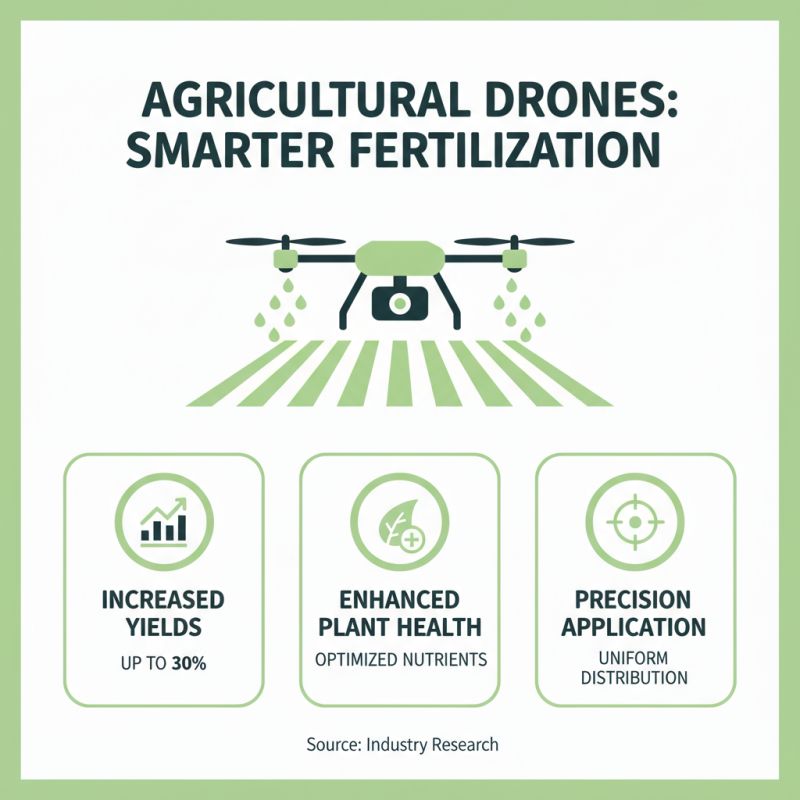
You know, the world of agriculture is changing pretty fast these days. One of the coolest new gadgets farmers are trying out is the Fertilizer Spray Drone. It’s not just some passing trend either — it really is shaking things up when it comes to managing crops. These drones can cover huge areas in no time and apply fertilizer evenly, which helps crops grow better and faster.
But, honestly, it’s not just plug-and-play. Using a Fertilizer Spray Drone takes some careful planning. Farmers have to think about weather, what kind of crops they’re growing, and the health of their soil. It’s not a guaranteed win, and there are some tricky stuff like cost and maintenance to keep in mind. Plus, not everyone has the resources or funds to jump into it right away.
And here’s the thing — these drones need to be operated by people who really know what they’re doing. Having the right expertise makes all the difference because a mistake could mean uneven fertilizer spread or even harming the crops instead of helping. As more farmers start adopting this new tech, ongoing education will be key. Making sure everyone knows how to use these drones properly will really decide if they stick around and make a real difference in farming long-term.
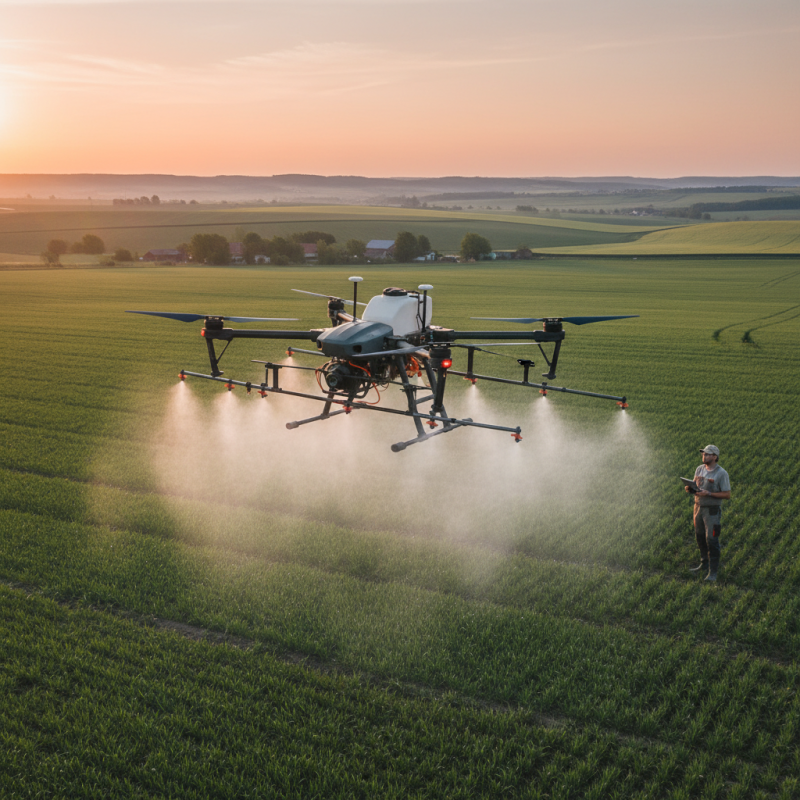
A fertilizer spray drone is an innovative tool transforming agriculture. It can precisely apply fertilizers to crops, optimizing resource use. These drones operate based on GPS and advanced sensors, enabling accurate targeting of specific areas within a field.
According to a report by Research and Markets, the global agricultural drone market is projected to reach $5.61 billion by 2026. This growth reflects the increasing adoption of technology in farming practices. The Fertilizer Drone not only enhances efficiency but also reduces the risk of over-applying chemicals. This can lead to healthier crops and improved yields.
However, using fertilizer spray drones is not without challenges. Farmers must understand how to calibrate the technology. Misuse can lead to uneven application and waste of resources. Additionally, initial equipment costs can be a barrier for smaller farms. Ensuring that operators are trained is crucial for maximizing the benefits of this technology.
Fertilizer spray drones are transforming modern agriculture. These drones are equipped with advanced technology that enhances efficiency and precision in crop nutrient management. Key components of fertilizer spray drones include high-capacity tanks, spray nozzles, GPS systems, and sensors. High-capacity tanks can hold large volumes of fertilizer, allowing for fewer trips to refill. Spray nozzles ensure even distribution, reducing waste and maximizing effectiveness.
GPS systems help in mapping fields accurately. This allows drones to navigate and spray with precision. Sensors gather real-time data on plant health and soil conditions. This data can inform fertilizer applications, ensuring optimal usage based on crop needs. Research shows that drones can reduce fertilizer use by up to 30%, minimizing environmental impact while enhancing yield.
Tips: Ensure the drone is calibrated correctly. Proper calibration prevents over-application, which can harm both crops and the environment. Regular maintenance of the drone’s components is essential for longevity and reliability. Drones can be expensive, and improper care can lead to costly repairs. Monitoring spray patterns can also help identify areas that need adjustment, enhancing performance and crop responses.
Fertilizer Spray Drone have become essential tools in modern agriculture. These drones efficiently distribute fertilizers over large fields. Using GPS technology, they navigate specific areas, ensuring precise application. A small drone can cover a vast area in a short time. This reduces labor costs and time spent on manual spraying.
The basic mechanism of a spray drone involves several components. Drones are equipped with tanks to hold the liquid fertilizer. High-quality nozzles help to atomize the fertilizer into fine droplets. This promotes better absorption by crops. Many drones also include sensors that monitor crop health. Farmers can adjust fertilizer types and amounts based on real-time data.
There are challenges too. Not all drones can manage difficult terrains or adverse weather. Calibration is crucial for optimal performance. A poorly calibrated spray drone might deliver uneven coverage. Issues like drifting may lead to wastage. These factors need careful consideration for effective use.
Fertilizer spray drones are transforming agriculture with precision and efficiency. Research from industry experts indicates that these drones can increase crop yields by up to 30%. They apply fertilizers more uniformly than traditional methods. This helps optimize nutrient distribution, which in turn enhances plant health.
The use of Farm Spray Drones reduces labor costs significantly. Farmers can cover large areas in a fraction of the time required by manual spraying. For instance, a drone can spray about 10 acres in just 30 minutes. Traditional methods may take hours with multiple workers. Using drones also minimizes the environmental impact by reducing chemical runoff. Reports suggest that drone application can lower fertilizer usage by 20% through precise targeting.
However, not all farms may benefit equally from this technology. Initial investment costs can be high, especially for smaller operations. Additionally, operators need proper training to maximize efficiency. When misused, drones may lead to uneven coverage or damage crops. Adopting this innovative approach requires careful planning and consideration of unique farm conditions.
Fertilizer spray drones are transforming modern agriculture. These advanced tools help farmers apply nutrients efficiently over large areas. The drones can cover more ground than traditional methods. They allow precise targeting, minimizing waste and environmental impact.
One significant application is in large-scale crop management. Farmers can use these drones for even distribution of fertilizer. This approach reduces labor costs and increases crop yield potential. The Largest Spray Drone models can carry substantial payloads of liquid nutrients. They navigate tricky terrains easily, optimizing field assessments.
Some challenges still exist. Operators need proper training to handle these drones. Technical issues may arise, and there can be occasional miscalculations in fertilizer quantity. Regular calibration of the drone's systems is necessary to ensure accuracy. Despite these concerns, the benefits of fertilizer spray drones are undeniable. They represent a leap toward more sustainable farming practices.
Fertilizer spray drones are revolutionizing agriculture, but they face notable challenges. One major limitation is battery life. Many drones can only operate for 20 to 30 minutes before needing a recharge. This restricts the area that can be covered in one flight. A study by the Agricultural Drones Association indicates that this can lead to inefficient application over large fields.
Another challenge is regulatory restrictions. In several regions, regulations limit where and how drones can be used. Farmers must navigate local laws that often require permits and training. According to the World Agricultural Organization, compliance can delay operations by weeks, significantly impacting planting cycles.
Additionally, precision is essential when applying fertilizers. Drones must calibrate their spray systems to avoid over or under-fertilization. Research shows that improper application can result in an estimated 20% increase in fertilizer waste. This not only affects crop yields but also raises environmental concerns. Effective training and technology updates are vital to overcoming these hurdles. Addressing these limitations will enhance the utility and effectiveness of fertilizer spray drones in modern farming.
Fertilizer spray drones are becoming essential in modern agriculture. Their ability to cover large fields quickly saves both time and labor costs. As technology advances, we see exciting trends shaping their future.
Enhanced precision is one area gaining attention. Drones are evolving with better sensors and AI systems. These improvements help optimize fertilizer usage, ensuring crops receive the right nutrients.
Farmers can reduce environmental impact while maximizing yield.
Another trend involves the integration of data analytics. Drones collect valuable information about soil health and crop conditions.
This data can provide insights for targeted applications. However, there's a learning curve for farmers. Understanding the data and making informed decisions can be challenging.
Training programs are emerging, but they need refinement to be truly effective.
Sustainability is a growing focus. Eco-friendly fertilizers and biodegradable materials are on the rise.
Drones could play a pivotal role in this shift. Yet, some concerns linger regarding system reliability. Delays and malfunctions can affect crop health.
Farmers must weigh the benefits against potential drawbacks. Addressing these issues will be crucial for widespread adoption.
: Fertilizer spray drones use GPS technology to navigate and apply fertilizers efficiently over large fields.
They can increase crop yields by up to 30% and apply fertilizers more uniformly than traditional methods.
A drone can spray about 10 acres in just 30 minutes, significantly faster than manual spraying.
They have tanks for liquid fertilizer, high-quality nozzles for atomization, and sensors for monitoring crop health.
Yes, challenges include managing difficult terrains and adverse weather, as well as the need for precise calibration.
Operators need proper training to ensure efficiency and prevent issues like uneven coverage or crop damage.
Yes, drones can lower pesticide runoff and reduce fertilizer usage by 20% through precise application.
They should evaluate initial investment costs and the specific needs of their farms for optimal benefits.
Not necessarily. Smaller farms may face challenges with high initial costs and need careful planning to adapt.
A poorly calibrated drone can lead to uneven fertilizer distribution and potential crop damage, which needs to be avoided.
A Fertilizer Spray Drone is an advanced agricultural tool designed to optimize the application of fertilizers across farmlands. These drones typically consist of key components such as precision spraying mechanisms, GPS navigation systems, and effective sensor technologies, allowing for targeted and efficient fertilizer distribution. The working mechanism involves the drone flying over crops and systematically spraying fertilizers at predetermined rates, ensuring even coverage while minimizing wastage.
The advantages of using Fertilizer Spray Drones include increased efficiency, reduced labor costs, and improved crop yields, making them a valuable asset in modern farming. Their applications extend to various agricultural sectors, from large-scale farms to smaller plots, ultimately revolutionizing how fertilizers are administered. However, challenges such as high initial costs, regulatory issues, and the need for technical expertise can limit their widespread adoption. As technology advances, the future trends in Fertilizer Spray Drones promise further enhancements in performance and accessibility, paving the way for sustainable agricultural practices.