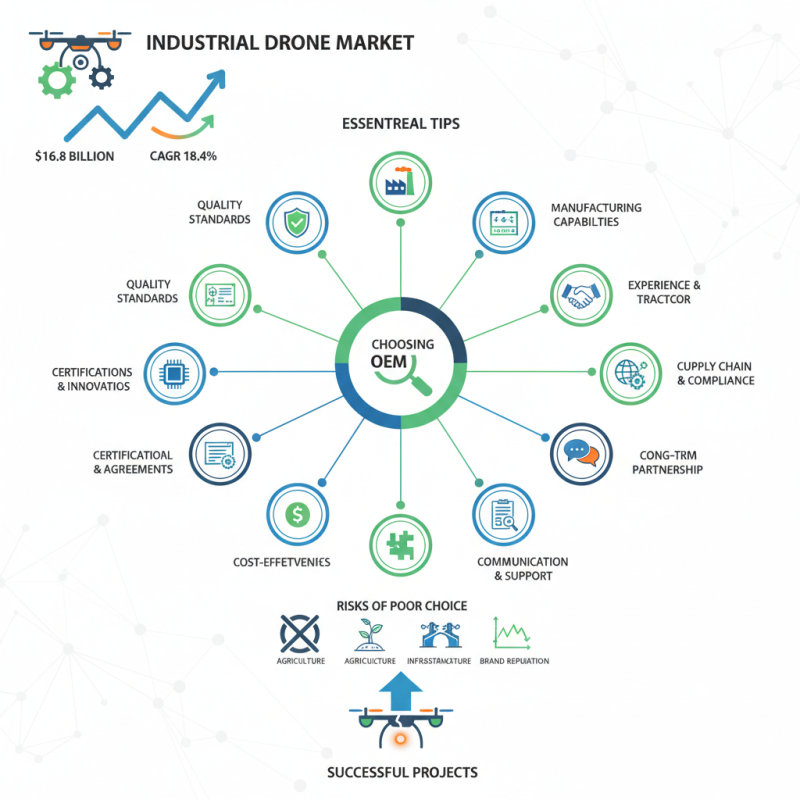
You know, the Industrial Drone market is really booming right now. I came across a report from Fortune Business Insights that pegged it at around $16.8 billion back in 2021. And get this — it’s expected to grow at about 18.4% each year from 2022 all the way through 2029. That kind of growth opens up some pretty exciting opportunities, especially if you're thinking about teaming up with OEM manufacturers over in China.
But here’s the thing — picking the right OEM partner for your industrial drones isn’t just a walk in the park. Not every manufacturer out there can hit the high standards of quality that this industry demands. Cutting corners or ending up with inconsistent quality can be a huge problem, especially in vital areas like farming tech or infrastructure checks. Think about it — your equipment’s gotta be precise and dependable. If you go for the wrong partner, it could seriously hurt your brand’s reputation.
A lot of companies struggle to find manufacturers that truly fit the bill. With so many options on the table, it can feel overwhelming trying to figure out who’s truly reliable. That’s why focusing on the right factors, like experience, technology, and trustworthiness, is so important. Making a wrong choice could cost you big time down the line. Honestly, the future of your drone projects might depend on making smart decisions now.
Understanding the Role of OEM Manufacturers in Drone Industry
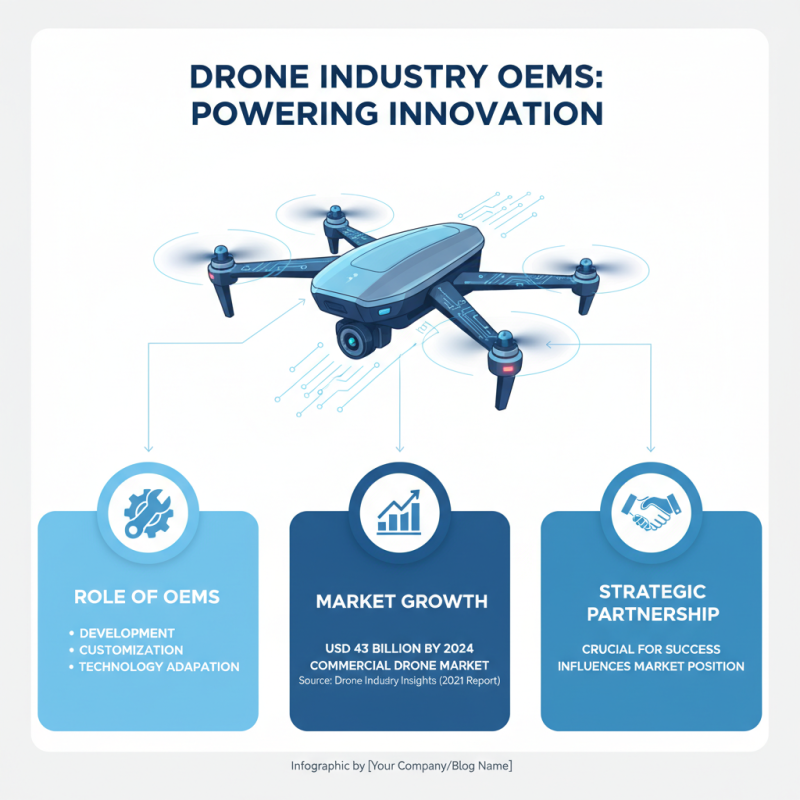
In the rapidly evolving drone industry, OEM manufacturers play a pivotal role. They are integral in developing and customizing technologies for specific needs. A 2021 report by Drone Industry Insights indicated that the commercial drone market is expected to reach USD 43 billion by 2024. Clearly, collaboration with the right OEM can significantly influence a company’s market success.
OEM manufacturers provide tailored solutions. Their expertise can enhance product performance, reduce costs, and speed up time-to-market. For instance, choosing an OEM that specializes in Industrial Quadcopter Drones can lead to better drone specifications and capabilities. However, not all manufacturers deliver the same standard. A lack of quality control can result in unreliable products. Companies should scrutinize their potential partners' production processes to mitigate this risk.
Understanding the terms of collaboration is crucial. Clear communication ensures that both parties align on goals. The choice of materials, production timelines, and post-production support must be discussed thoroughly. While many OEMs promise high-quality products, it's essential to conduct due diligence. Poor choices can lead to frustrating setbacks. With the correct manufacturer, firms can harness the full potential of industrial drones.
Key Considerations When Evaluating Drone Manufacturer Credentials
When selecting an OEM China industrial drone manufacturer, it's crucial to evaluate their credentials carefully. A manufacturer’s experience in the industry speaks volumes. Look for companies with a proven track record. They should have been in the drone market for several years. Check their portfolio and past projects. This will help you gauge their expertise.
Quality certification is another important factor. A reliable manufacturer should possess relevant industry certifications. This ensures they adhere to safety and quality standards. Ask for documentation that proves these credentials. Don't hesitate to seek third-party verification if necessary.
Beyond qualifications, consider their communication skills. A responsive manufacturer is essential for collaboration. Gauge their willingness to discuss your needs. Establishing clear communication can prevent misunderstandings later. Evaluate their support services as well. Good manufacturers provide after-sales support that you can count on. Remember, it’s not just about making a sale; it’s about building a relationship.
Assessing the Technological Expertise of Potential Manufacturers
When selecting an OEM China industrial drone manufacturer, assessing technological expertise is crucial. High-quality drones require advanced engineering and development capabilities. Research reports indicate that about 75% of successful drone projects rely on robust technological foundations. Manufacturers should demonstrate a strong commitment to innovation. Look for evidence of investment in R&D and technology upgrades.
Tip: Review the manufacturer's track record for developing Drone Rc Drone solutions. Have they launched new models recently? Check if they have patents or industry certifications. These factors signal a proactive approach toward technology.
Assess their partnerships with tech firms and universities. Collaborations can enhance a manufacturer's technological edge. Consider how frequently they update their equipment and software. Reports suggest that manufacturers who continuously refine their offerings maintain competitive advantages.
Tip: Seek customer reviews addressing technical support and service reliability. A company’s ability to respond to issues swiftly can significantly impact your operations. Pay attention to case studies showcasing their technological implementations. This can provide insight into their solutions and expertise.
Exploring Certification and Compliance Standards for Industrial Drones
When considering an OEM China industrial drone manufacturer, certification and compliance standards are crucial. The drone industry is continuously evolving. Regulatory bodies are establishing strict certification processes to ensure safety and reliability. According to a recent industry report, over 70% of drone failures in operations arise from non-compliance with these standards.
Before choosing a manufacturer, examine their certifications. Look for adherence to ISO and other relevant industry standards. This ensures that the drone meets safety and performance requirements. Additionally, inquire about the quality management systems in place. A robust system indicates a commitment to quality.
Tip: Collaborate with manufacturers who prioritize transparency in their certification processes. They should provide evidence of adherence to local and international standards.
Understanding the compliance landscape is vital. This includes knowing what regulations specifically apply to industrial drones, such as permissions for SAR Drone operations. Many manufacturers may claim compliance; however, it is essential to verify their claims through third-party audits.
Consider the potential pitfalls. Not all manufacturers keep up with evolving regulations. Ensure you have a clear understanding of compliance requirements relevant to your operations. This diligence can prevent costly mistakes in the future.
Evaluating Manufacturer's Production Capacity and Supply Chain Efficiencies
Evaluating a manufacturer’s production capacity is crucial in the drone industry. According to a report by Drone Industry Insights, the global drone market is expected to reach $42.8 billion by 2025. This growth demands that manufacturers keep pace with production. It is essential to assess how quickly a manufacturer can scale production of their Drone Kit. You want a partner capable of meeting your requirements efficiently.
Supply chain efficiency also plays a pivotal role. A comprehensive analysis of supply chain logistics can reveal potential delays and risks. The International Data Corporation (IDC) indicates that supply chain disruptions cost companies approximately $6 trillion annually. Understanding a manufacturer’s sourcing strategies is key. Are they relying on local suppliers, or do they have a global network? Local suppliers may offer quicker turnaround times, but global networks can provide competitive pricing.
Amidst these efficiencies, reflection is necessary. Not every step in a manufacturer’s process will be perfect. There may be bottlenecks at different stages. A manufacturer’s experience in overcoming these challenges can often be a telling factor. Engaging in open conversations about weaknesses may lead to stronger long-term partnerships. Ultimately, assessing production capacity and supply chain efficiency will determine the right fit for your needs.
Reviewing Customer Support and After-Sales Service Options
When selecting an OEM drone manufacturer in China, customer support and after-sales service are crucial factors. A study from Drone Industry Insights indicates that 72% of companies prioritize reliable customer service when making purchasing decisions. Many manufacturers provide limited support after a sale. This can lead to significant issues.
Look for manufacturers that offer clear communication channels. Real-time support can make a difference when problems arise. Some companies have 24/7 customer service, while others operate on business hours. Ensuring you have access to assistance during critical times is necessary.
Consider the warranty and service options offered. A good warranty often reflects manufacturer confidence in their products. According to market reports, 30% of companies report dissatisfaction due to inadequate warranty coverage. Make sure to clarify what the warranty includes. Ask about repair times and availability of spare parts. A prompt response can mean reduced downtime for your operations.
10 Essential Tips for Choosing an OEM China Industrial Drone Manufacturer
| Aspect |
Importance Level |
Recommended Practices |
| Customer Support |
High |
24/7 support, multilingual options |
| After-Sales Service |
High |
Clear warranty terms, repair service |
| Response Time |
Medium |
Response within 24 hours |
| Technical Support |
High |
Dedicated tech team for troubleshooting |
| Training Programs |
Medium |
User manuals, online training sessions |
| Spare Parts Availability |
High |
Fast access to needed components |
| Documentation |
Medium |
Comprehensive guides and manuals |
| Customization Options |
Medium |
Options for tailored solutions |
| Regulatory Compliance |
High |
Adherence to local and international standards |
Analyzing Costs and Pricing Structures of Drone Manufacturing Services
Choosing an OEM manufacturer for industrial drones in China requires careful consideration, especially regarding costs and pricing structures. According to recent industry reports, drone manufacturing costs can vary widely. On average, a basic commercial drone can range from $200 to over $1,500. Prices depend on features and technology used.
When assessing potential manufacturers, it's important to ask about minimum order quantities. Some suppliers may require large orders, significantly increasing upfront costs. Smaller orders can lower risk, but they may result in higher per-unit prices. Remember, customization will also impact costs. A unique design often means higher fees. Tip: Always request detailed quotes that break down costs associated with materials, design, and labor.
Quality assurance should not be overlooked. Low prices can be tempting but might hint at compromised quality. Look for manufacturers with clear certifications and testing processes. A report from the Drone Manufacturers Association shows that manufacturers with serious quality control procedures have a defect rate below 2%. Tip: Prioritize quality over cost for long-term savings. A well-made drone can reduce warranty claims and increase customer satisfaction.
Cost Analysis of Different Industrial Drone Manufacturing Services
Maximizing Firefighting Efficiency: The Role of Heavy Payload 50KG Drone Technology in Modern Fire Suppression
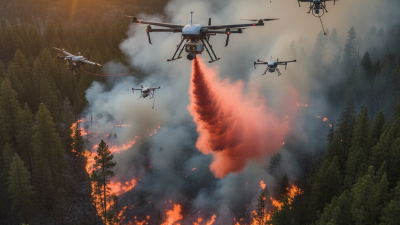
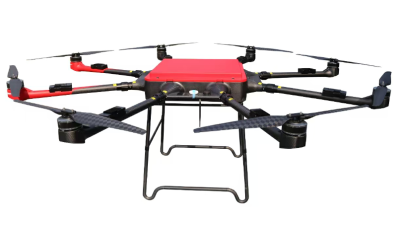
In recent years, the integration of drone technology into firefighting strategies has revolutionized the way emergencies are managed, particularly with the introduction of heavy payload drones capable of carrying up to 50 kilograms. These advanced firefighting drones are designed to tackle various situations effectively, including building fires, forest fires in remote areas, and large-scale urban incidents. By carrying either significant amounts of water or specialized firefighting bombs weighing between 20-30 kilograms, they offer unprecedented support to ground crews during critical rescue operations.
One of the standout features of these heavy payload drones is their ability to connect with fire trucks or draw water directly from nearby sources such as lakes or pools, allowing for continuous fire suppression without relying solely on terrestrial resources. Furthermore, the incorporation of tri-optics payload cameras enhances reconnaissance capabilities, enabling firefighters to obtain real-time data on fire dynamics both during the day and night. This not only aids in identifying target areas for firefighting but also allows for strategic planning and decision-making with minimal risk to human personnel.
According to industry reports, the increasing adoption of drone technology in firefighting is expected to boost operational efficiency significantly, reducing response times by up to 30%. In environments where fires can spread rapidly, such as mountains, basins, and deserts, the ability to deploy a heavy payload 50kg drone can mean the difference between containment and catastrophic loss. With ongoing advancements in drone technology and payload capabilities, the role of these aerial vehicles in modern fire suppression techniques is becoming ever more critical.
FAQS
: This category often features daily use items and seasonal goods. They appeal to a broad audience.
Check for user reviews online. Look for product descriptions that detail materials and manufacturing methods.
Yes, many products use eco-friendly materials. However, always verify the claims made by sellers.
Product releases can vary widely. Some may come out weekly, while others might appear seasonally.
Read the return policy carefully. Sometimes, items may not meet expectations upon arrival.
Counterfeits can occur in popular categories. Always buy from reputable sources and check for authenticity.
Regularly check websites and subscribe to newsletters. Sales can be infrequent and often unexpected.
Contact customer service immediately. They typically have protocols for returns or exchanges.
Many forums and communities offer advice. Engaging with others can provide different perspectives.
Size options can vary. Always refer to sizing charts provided by sellers for accurate measurements.
Conclusion
When choosing an OEM manufacturer for industrial drones, it’s essential to understand the intricate role these manufacturers play in the drone industry. Evaluating their credentials, including technological expertise and adherence to certification and compliance standards, is crucial to ensuring a reliable partnership. Additionally, assessing a manufacturer’s production capacity and supply chain efficiencies will help determine their ability to meet demand and deliver quality products.
Furthermore, customer support and after-sales service are vital factors that can significantly impact your experience post-purchase. Analyzing costs and pricing structures is also important to align your budget with the services offered. By considering these key aspects, you can make an informed choice in selecting a capable OEM manufacturer that meets the specific needs of your industrial drone projects.