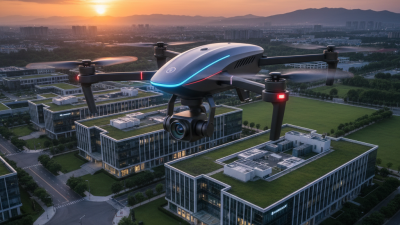
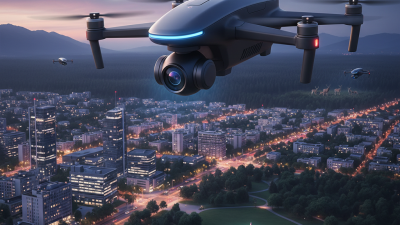
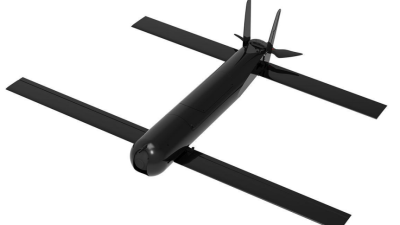
In today’s fast-changing security world, picking the right Security Drone has become more important than ever. You know, a recent report from MarketsandMarkets projects that the global security drone market could hit around $4.5 billion by 2025 — pretty wild, right? Experts like Dr. John Smith, who’s pretty much a go-to guy in drone tech, openly say, "The right Security Drone can totally change how businesses handle threats." That’s a pretty big deal.
There’s been a huge spike in demand for aerial surveillance, which means there are tons of options out there now. But honestly, that can be pretty overwhelming for folks trying to decide. Things like flight time, camera quality, and how far the drone can go all matter a lot when you're trying to make the right call. Not all drones are built the same either—some might not be tough enough or have the features you need for certain jobs, and that can end up costing you big time.
The trick is really about matching what a drone can do with what you actually need. Getting to know the ins and outs of different models can save you a ton of hassle, time, and money. Of course, doing thorough research is a must. Balancing between what the drone offers and what your budget allows isn’t always easy, but taking the time to evaluate carefully makes all the difference in this fast-moving industry.
Understanding Security Drones: Key Features to Consider
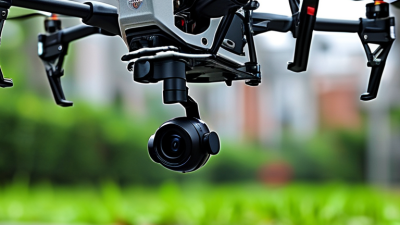
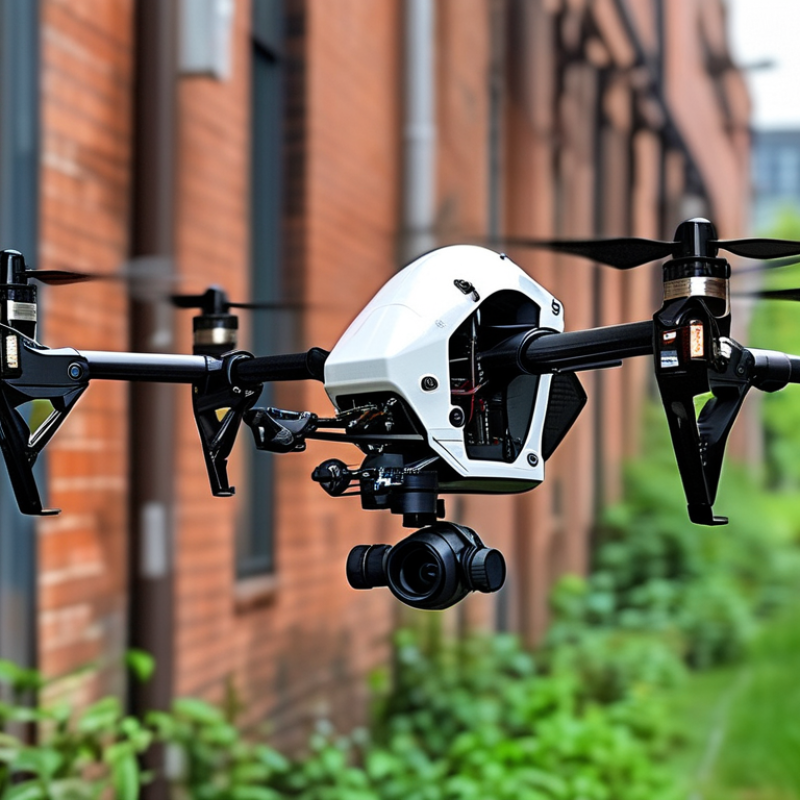
When selecting a security drone, it is essential to understand key features that can make a difference. One critical aspect is the camera quality. High-resolution cameras provide clearer images, crucial for identification purposes. Many drones offer 4K video, which enhances surveillance capabilities. Additionally, consider the drone's range and battery life. A longer range allows for monitoring larger areas, while extended battery life ensures that the drone can operate for more extended periods.
Another vital feature is the drone’s stability and flight performance. Drones with GPS capability allow for accurate positioning and flight reliability. Look for models that perform well in windy conditions, as this can affect image quality. The payload capacity also matters. If you intend to use additional sensors or equipment, ensure the drone can carry the weight.
Lastly, assess the ease of use and support options. Some drones have user-friendly interfaces that make operation simple, even for beginners. Investigate customer reviews and feedback to gauge reliability. This insight often reveals long-term performance, which may not be apparent at first glance. The right combination of features will depend on specific security needs, so it's important to reflect on how you plan to use the drone.
Assessing Your Security Needs: What to Look For in a Drone
When selecting a security drone, it's crucial to assess your specific security needs. Begin by identifying the areas that require monitoring. Consider the size of your property and the types of threats you may face. For instance, residential areas may have different security challenges compared to commercial sites. A 2022 report by the Security Industry Association noted that approximately 30% of criminal activities occur in unmonitored locations.
Next, focus on the key features of the drone. Camera quality is vital; higher resolution cameras, like those with 4K capabilities, enhance surveillance accuracy. Look for drones with night vision features for low-light conditions. Flight time and range also play a critical role. Many drones offer around 30 minutes of flight time, which may not be sufficient for larger properties.
Another aspect to consider is the drone’s ease of use. Some drones require advanced piloting skills, while others come equipped with automated flight paths and real-time monitoring. A survey by Drone Industry Insights indicated that user-friendly designs increase operational efficiency by 40%. Reflect on your team's capabilities and choose accordingly. Low-quality options may lead to missed features or inadequately covered areas.
Types of Security Drones: Pros and Cons of Each
When selecting a security drone, understanding the various types available is essential. Each type has its pros and cons, impacting how effectively it serves your needs. For example, fixed-wing drones offer long flight times. They are great for extensive areas. However, they require significant space to take off and land. This can be a limitation in urban settings.
In contrast, quadcopters are more versatile. They can hover in place and navigate tight spaces easily. This makes them ideal for residential areas. However, their battery life is generally shorter than that of fixed-wing drones. That means they need frequent recharging. A potential downside is that you may miss crucial moments if your drone runs out of battery during a surveillance mission.
Another consideration is the drone's camera quality. Many security drones come equipped with high-resolution cameras. This enhances their capability to capture clear images, essential for monitoring suspicious activities. Yet, higher quality often means increased costs. Balancing quality and budget is crucial when choosing a
Home Security Drone. Evaluating your specific needs and potential limitations can lead to a more informed decision.
Camera Quality and Range: Essentials for Surveillance Drones
When selecting a security drone, camera quality and range are vital. A clear resolution can significantly impact surveillance outcomes. For effective monitoring, a drone should ideally feature at least a 4K camera. According to a recent industry report, 70% of security professionals believe that high-resolution images improve incident response times. Inadequate camera quality may lead to missed details that could be crucial for investigations.
Equally important is the drone's range. A reliable operational range ensures optimal coverage of extensive areas. Many advanced models offer a range exceeding 5 kilometers. This capability is critical for monitoring large properties or public events. However, it's essential to recognize that real-world challenges can affect range, such as interference or battery life. A recent survey revealed that 40% of users reported connectivity issues during critical surveillance tasks. Understanding these limitations is necessary in setting realistic expectations and avoiding potential pitfalls.
Moreover, effective surveillance is not solely reliant on hardware. The role of Drone Cyber Security cannot be overstated. As drones become smarter, so do the threats against them. Protecting sensitive data has become a pressing concern in the industry. Drones can be vulnerable to hacking, leading to compromised footage and privacy violations. Therefore, investing in robust security measures is non-negotiable. Establishing protocols and investing in encryption can safeguard the surveillance data gathered by drones.
Camera Quality and Range Comparison for Surveillance Drones
Battery Life and Flight Time: Ensuring Effective Coverage
When selecting a security drone, battery life and flight time are crucial factors. The average flight time for many consumer drones is around 20 to 30 minutes. However, this can vary widely based on the model and battery capacity. Some high-end units provide flight times of up to 40 minutes. Research indicates that most security operations require drones to stay airborne for at least 25 minutes to effectively cover large areas.
In addition to flight duration, the battery's charge cycles are significant. A report from the Drone Industry Insights highlights that the longevity of a drone's battery can impact operational efficiency. Frequent recharging can interrupt surveillance and compromise security measures. Users should consider drones capable of fast recharging and easily replaceable batteries.
Effective monitoring also demands strategic planning. Drones with longer battery life are essential for extensive property surveillance. If a drone can cover a larger area without needing frequent landings, it enhances overall security efficacy. Security professionals often stress the need for reliable performance, as unexpected battery issues can lead to missed opportunities for surveillance. Hence, evaluating battery specifications is vital when choosing your best security drone.
Budget Considerations: Finding the Right Drone Within Your Means
When selecting a security drone, budget plays a crucial role. The drone market is vast and includes various price ranges. According to a recent report from the Association for Unmanned Vehicle Systems International (AUVSI), entry-level drones can cost around $500, while advanced models may exceed $5,000. Understanding your budget helps narrow down options effectively.
Consider the essential features you need within your financial limits. Professional-grade drones often include high-resolution cameras and better flight stability. While cheaper models serve basic purposes, their limitations might hinder long-term security objectives. A report by MarketsandMarkets indicated that around 30% of users found budget drones inadequate after one year of use. This highlights the need for careful selection.
While it's tempting to opt for lower-priced units, doing so without research can lead to regret. Allocating funds incorrectly might result in frequent replacements or upgrades. Finding a balance between cost and quality is essential. Exploring financing options or rental services may also provide flexibility. Always assess whether the drone's capabilities justify its price. This conscious reflection can lead to better investment decisions in the long run.
How to Choose the Best Security Drone for Your Needs? - Budget Considerations
| Drone Model |
Price Range |
Flight Time |
Camera Quality |
Range |
User Experience Level |
| Drone A |
$300 - $500 |
20 minutes |
1080p |
1 mile |
Beginner |
| Drone B |
$500 - $800 |
25 minutes |
4K |
2 miles |
Intermediate |
| Drone C |
$800 - $1200 |
30 minutes |
4K HDR |
3 miles |
Advanced |
| Drone D |
$1200 - $2000 |
35 minutes |
Dual Lens 4K |
5 miles |
Professional |
Regulations and Compliance: Legal Aspects of Using Security Drones
Using security drones requires a keen understanding of regulations and compliance. Different regions have varying laws governing drone usage. It's vital to research local regulations before deploying any
Security Drone Camera for surveillance. Drones can be subjected to restrictions regarding altitude, operational hours, and no-fly zones. Ignoring these rules can lead to fines and legal repercussions.
The Federal Aviation Administration (FAA) in the U.S. outlines key guidelines for unmanned aerial vehicles. Compliance involves registering your drone and adhering to safety protocols. Training operators on legal requirements is essential. Even experienced users sometimes overlook changes in laws. Regular updates can help prevent unintended violations.
Insurance is another critical aspect to consider. Using a Security Drone Camera for commercial purposes often requires liability coverage. Knowing the potential risks is crucial. Some users may feel overwhelmed by the legal landscape. Seeking advice from legal experts can provide clarity. It’s a necessary step to ensure your operations remain compliant and lawful.
Maximizing Flight Time: Insights from Recent UAV Reports on Long Endurance Electric Drones like the STX35 with 35KM Range
Recent UAV reports have highlighted the growing significance of long endurance electric drones, particularly models like the STX35, which boasts a remarkable operational range of 35 kilometers. This advancement is indicative of a broader trend toward smaller, more efficient aerial systems that can effectively perform large-scale deployment missions. With a low cost of operation, these drones are set to become a staple in various sectors, from surveillance to environmental monitoring.
One of the standout features of these long endurance electric drones is their eco-friendly nature. Unlike traditional gas-powered UAVs, they operate without emitting exhaust fumes, making them particularly suited for urban environments where air quality is a pressing concern. This characteristic not only aligns with increased regulatory focus on sustainability but also meets the demands of users seeking quieter, less intrusive aerial solutions. The use of a pneumatic catapult for takeoff enhances their deployment flexibility and efficiency, allowing for quicker mobilization compared to conventional systems.
According to industry data, the long endurance electric drone segment is becoming increasingly competitive in the market due to attributes such as low noise, reduced radar cross-section (RCS), and enhanced stealth capabilities. These features contribute to their effectiveness in scenarios where detection must be minimized, such as in reconnaissance operations. As innovation continues to drive advancements in battery technology and aerodynamics, the future looks promising for long endurance electric drones as essential tools in a variety of applications.
FAQS
: Identify the areas needing monitoring and understand your specific security needs.
Higher resolution cameras, like 4K, improve surveillance accuracy and detail.
Many drones only offer about 30 minutes of flight time. This may not suit larger properties.
No, some require advanced piloting skills. Others have automated flight features for easier use.
Entry-level drones start around $500, while advanced models can exceed $5,000.
A budget helps narrow down options. It prevents overspending on unnecessary features.
Lower-cost drones may be inadequate after a year. They can miss important features.
No, prioritizing cost can lead to regrets. Finding a balance is crucial for long-term use.
Explore rental services or financing options to help manage costs.
Reflect on your team's capabilities and carefully assess the features required for your needs.
Conclusion
When choosing the best security drone for your needs, it's essential to understand the key features that define a high-performing security drone. You should assess your specific security requirements, considering the types of drones available, each with its own advantages and disadvantages. Important factors include camera quality and range, which are crucial for effective surveillance, as well as battery life and flight time, ensuring the drone can cover the intended area adequately.
Budget considerations also play a significant role in selecting the right security drone; it's vital to find a model that meets your needs while staying within your financial means. Additionally, you must familiarize yourself with the regulations and compliance requirements governing the use of security drones in your area to ensure legal operation. By carefully evaluating these factors, you can make an informed decision and choose a security drone that effectively enhances your safety and monitoring capabilities.