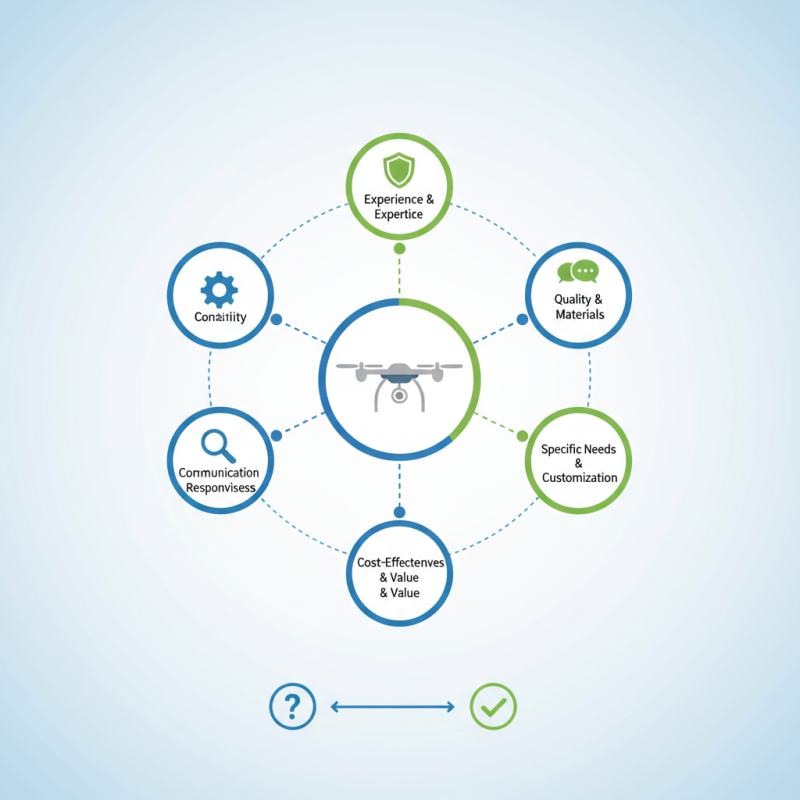
Picking the right OEM custom Farming Drones manufacturer can honestly be quite a task. With so many options out there, each claiming they’re the best, it can feel a bit overwhelming. The trick is to find a manufacturer that really matches your specific needs. A good starting point? Look into how much experience they have in the field. If they’ve been around for a while, chances are they understand the ins and outs of farming drones better than some newer companies just getting started.
Quality’s super important here. You want to go for manufacturers who use top-notch materials in their drones. Sure, cheaper options might save you some bucks upfront, but they could end up causing trouble down the line. And don’t forget to check out customer reviews — those can give you a pretty good idea of how reliable and effective their drones really are.
Oh, and communication matters too! A solid manufacturer should be quick to respond to your questions and clear about what they offer. Long delays or vague replies can be frustrating and might lead to bigger headaches later on. So, take your time and evaluate all these factors before making a call. It’s worth the effort to avoid costly mistakes down the road.
Understanding OEM Custom Farming Drones: Key Features and Benefits
When exploring OEM custom farming drones, understanding their key features and benefits is essential. These drones often come with advanced sensors that collect valuable data. This data helps farmers monitor crops effectively. With precise mapping capabilities, drones can identify areas that require attention. This not only saves time but also optimizes resource usage.
Another feature worth noting is customization. OEM manufacturers allow adjustments to suit specific farming needs. This flexibility can lead to better integration with existing farming systems. Drones can also carry different payloads, such as fertilizers or pesticides, enhancing their utility in agricultural operations. However, finding the right balance between features and cost can be challenging. Businesses must reflect on their unique needs before making a decision.
While OEM custom farming drones offer many advantages, potential buyers should remain cautious. The learning curve associated with these technologies can be steep. Intuitive interfaces might not exist in all models. Farmers may need training to maximize their investment. Drones can improve efficiency, but there are hurdles to overcome. Taking the time to research and assess various options will pay off in the long run.
Identifying Your Farming Needs: Customization Requirements for Drones
Understanding your farming needs is crucial when selecting OEM custom farming drones. Each farm has unique requirements. Evaluate what specific tasks you wish the drones to perform. Do you need them for crop monitoring, pesticide spraying, or perhaps soil analysis? Each application demands different features.
Consider the size of your farm. Large fields may require drones with extended flight times. Smaller farms might benefit from more compact models. Think about the terrain as well. Hilly areas may need more robust drones that can navigate challenging landscapes.
Tips: Create a list of features you need. Do you want high-resolution cameras for mapping? Or enhanced durability for difficult weather? Clearly identify these needs. Compare manufacturers based on customization options. Some may offer tailored solutions, while others stick to standard features.
Assess the cost versus the benefits of each option. Some drones might seem cheaper but lack essential functionalities. Finding the right balance can be tough. Keep refining your needs as you learn more about Drones And Farming. Regularly revisit your requirements to ensure they still align with emerging technology.
How to Choose the Right OEM Custom Farming Drones Manufacturers? - Identifying Your Farming Needs: Customization Requirements for Drones
| Feature |
Importance Level |
Customization Options |
Manufacturer Capability |
| GPS Accuracy |
High |
High-Precision Sensors |
Yes |
| Payload Capacity |
Medium |
Custom Payload Options |
Yes |
| Battery Life |
High |
Long-Range Batteries |
Yes |
| Software Integration |
High |
Custom Software Solutions |
Yes |
| Camera Quality |
Medium |
High-Resolution Cameras |
Yes |
Evaluating Potential Manufacturers: Research and Reputation Assessment
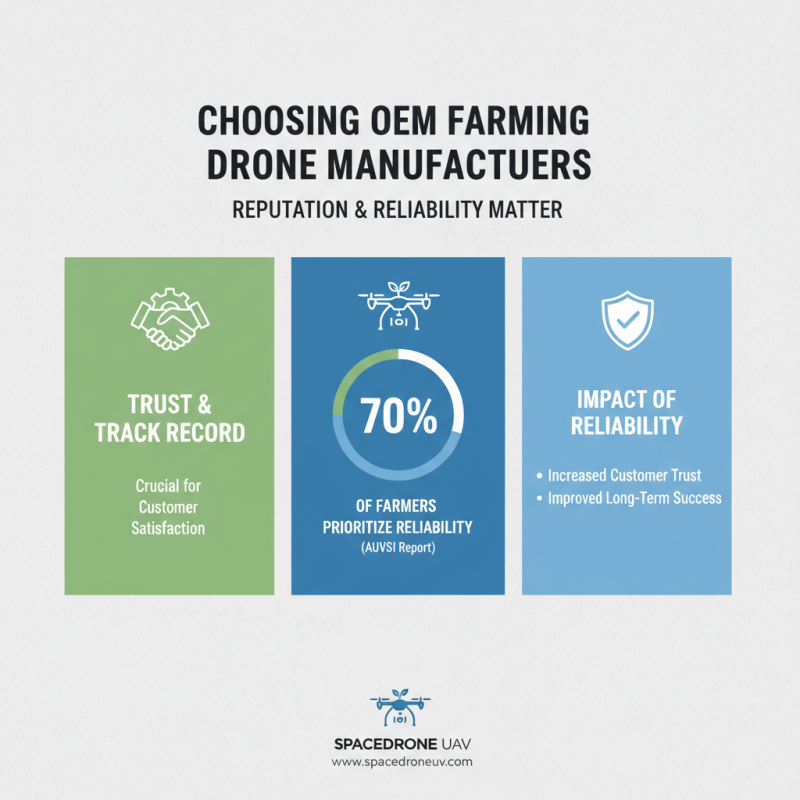
When selecting OEM custom farming drones manufacturers, assessing their reputation is crucial. A report from the Association for Unmanned Vehicle Systems International (AUVSI) highlights that 70% of farmers who use Ag Drones prioritize reliability in their manufacturers. This suggests that a company’s track record can significantly impact customer satisfaction and trust.
It's vital to conduct thorough research on potential manufacturers. They should have a well-documented history of successful drone deployments. Evaluating customer testimonials and case studies can provide valuable insights. A study by Research and Markets indicates that 32% of agricultural drone failures stem from poor manufacturer support. This statistic underscores the importance of assessing a manufacturer's service quality and responsiveness.
Transparency in manufacturing practices is another important factor. A lack of clear information can raise red flags. For instance, if a manufacturer does not disclose sourcing details, it may reflect a lack of accountability. Engaging with existing customers can reveal hidden issues. Relying on third-party reviews can also help identify any recurring problems. It’s clear that evaluating manufacturers requires a multifaceted approach, focusing on reputation and the tangible experiences of others.
Key Questions to Ask Manufacturers: Ensuring Quality and Compliance
When choosing OEM custom farming drone manufacturers, it is crucial to ask the right questions. The quality of the drones greatly impacts operational efficiency. According to a report, 70% of farmers noted improved crop yield with the right technology. Ensure manufacturers adhere to predetermined quality standards. Understanding their certifications is vital. Ask about their compliance with industry regulations.
Inquire about their previous projects. It helps to evaluate their experience. For instance, a manufacturer with experience in precision agriculture is preferable. Ensure they can provide case studies or testimonials from satisfied clients. Transparency is key in this industry.
Assessing the materials used in drones also matters. Lightweight yet durable materials enhance the drone's performance. A study found that drones made with advanced composites can improve flight time by 25%. However, some manufacturers may cut corners to reduce costs. This could compromise drone quality. Asking about their sourcing practices is essential. By raising these questions, one can better gauge the commitment to quality and compliance.
Assessing Technical Support and After-Sales Services
When evaluating OEM custom farming drone manufacturers, assessing technical support and after-sales services is crucial. A recent industry report revealed that 75% of farmers consider after-sales support critical in their purchasing decisions. Access to quality technical support can prevent downtime, which can significantly impact crop yields.
Farmers want quick responses. Many report that slow technical support costs them money. A seamless communication channel with manufacturers can help address issues, whether related to software updates or hardware failures. Not every manufacturer excels in this area. A study indicated that only 60% of drone users were satisfied with their provider's service. This highlights the need for careful selection.
Investing in Fire Drones also requires weighing after-sales services. Proper training and user manuals are essential. Some manufacturers provide online webinars and resources, while others lack comprehensive support. Understanding these differences can lead to better outcomes. Farmers should seek providers that offer ongoing consultation and timely repairs to maximize their investment.
Comparing Pricing Models: Cost vs. Value in OEM Drone Manufacturing
When selecting OEM custom farming drones manufacturers, pricing models become crucial. It's essential to compare costs and the value they deliver. Lower costs might suggest a bargain, but do they offer quality? Consider the materials used in these Agro Drones. Cheaper options may use lower-grade components, leading to more repairs down the line.
Another aspect to ponder is service support. A higher price may include comprehensive customer service. This can prove invaluable during critical farming seasons. Think about what happens when a drone malfunctions. A reliable manufacturer stands by its product, offering timely assistance.
Lastly, remember that not all pricing reflects inherent value. Sometimes, you pay for branding rather than actual innovation. Take time to evaluate the technology behind the Agro Drones. Does it align with your specific farming needs? In the journey of selecting the right manufacturer, it’s essential to weigh these factors carefully. Costs shouldn't overshadow the importance of long-term value.
Reviewing Case Studies: Successful Partnerships in Drone Manufacturing
When selecting an OEM custom farming drone manufacturer, studying successful case studies can provide valuable insights. According to a recent report from the Association for Unmanned Vehicle Systems International, 70% of farms using drones noted increased efficiency in their operations. This statistic illustrates the impact of well-chosen partnerships in the drone manufacturing sector.
For instance, in one case, a partnership between a tech firm and a farming cooperative led to a specialized drone designed for crop monitoring. Data showed that this collaboration reduced overhead costs by 25%. Such results highlight the importance of choosing manufacturers that understand specific agricultural needs. Yet, not all collaborations yield success. Some farms reported that a lack of clear communication led to delays in drone delivery and inadequate support.
Another example includes a recent collaboration between a start-up and an established manufacturer. They developed a system that optimizes pesticide application. However, initial trials revealed that the drone's sensors failed under high humidity. This setback emphasizes the need for rigorous testing before full deployment. Quality control must be a priority for any manufacturer selected.
Analysis of Key Factors in Choosing OEM Custom Farming Drone Manufacturers
Exploring the Benefits and Applications of High Frequency Tuners for Drones: The SHF170 Revolution
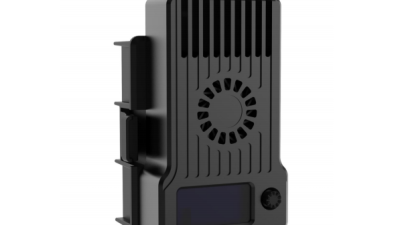
High-frequency tuners have emerged as a pivotal accessory for enhancing drone performance, particularly in the realms of video transmission and overall flight efficiency. These components focus on improving the video signal quality and stability, allowing drone operators to achieve clearer and more reliable footage even in challenging environments. By mitigating signal interference and optimizing frequency channels, high-frequency tuners significantly elevate the user experience, making them an essential part of any serious drone setup.
In addition to improving video performance, high-frequency tuners contribute to extended flight endurance. As drones face various obstacles that may disrupt signal quality, the integration of a tuner can ensure consistent communication between the drone and its remote control. This stability not only preserves the integrity of the video feed but also enhances the control range and responsiveness, crucial for both recreational and professional drone pilots. As the drone technology market continues to evolve, the adoption of high-frequency tuners is becoming increasingly prevalent, driving innovation and enhancing capabilities in aerial applications.
FAQS
: Common products include electronics, clothing, and home goods. Some unique items can also be found online.
Use secure websites. Check reviews and return policies. Trust your instincts when something feels off.
Contact the seller for updates. Be patient, as delays can happen. Sometimes, systems face unexpected issues.
Yes, many sellers accept returns. Review the return policy carefully. Conditions may vary, and some items are final sale.
Use strong passwords and enable two-factor authentication. Avoid sharing sensitive information when not necessary.
Document the damage with photos. Contact the seller immediately for assistance. Have a clear expectation of resolution.
Possible hidden fees include shipping costs and taxes. Always review your order total before completing a purchase.
Use price comparison tools online. Check multiple websites to find the best deals. Sometimes, prices may vary significantly.
Use the "forgot password" feature. Follow the prompts to reset your password. Make sure to use a memorable yet secure password.
Public Wi-Fi may not be secure. Avoid entering personal details or making purchases while connected. Consider using a VPN for extra security.
Conclusion
Choosing the right OEM custom farming drones manufacturer requires a thorough understanding of the unique features and benefits these specialized drones offer. Farmers must first identify their specific agricultural needs to ensure that the drones are customized effectively for their operations. Evaluating potential manufacturers involves extensive research into their reputation and experience in the industry. Asking pertinent questions about quality compliance, as well as assessing the level of technical support and after-sales services, is crucial for a satisfactory partnership.
Additionally, it’s essential to compare pricing models to understand the cost versus value of OEM drone manufacturing. Learning from case studies showcasing successful partnerships can provide valuable insights. Ultimately, a well-informed decision can significantly enhance operational efficiency by integrating the right farming drones into agricultural practices.