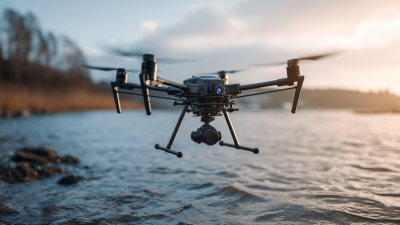
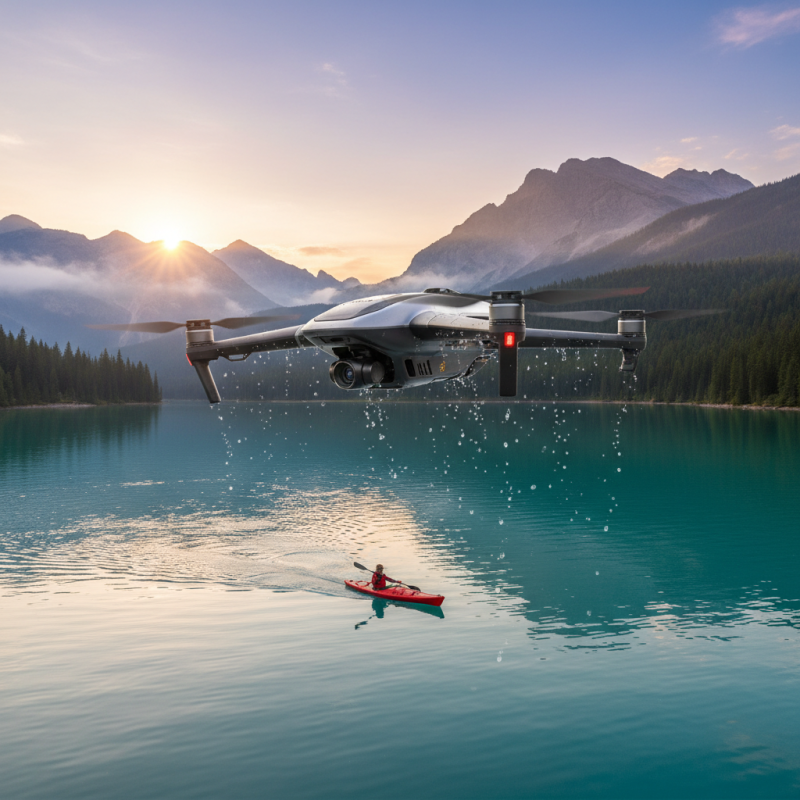
When you're into capturing stunning aerial shots in all kinds of environments, having a waterproof drone is pretty much a game-changer for adventure lovers. These days, waterproof drones are becoming super popular, and honestly, they've pretty much reshaped how we explore. Imagine flying above a gorgeous lake, getting those epic views of rugged coastlines, or even spotting wildlife in their natural hangout — all without worrying about water wrecking your gear. Picking out the right waterproof drone can seriously level up your outdoor adventures, but let’s be real — it can also be kinda overwhelming trying to sort through all the options out there.
In this quick guide, I’ll walk you through the main things to think about when choosing the best waterproof drone for your flying adventures. We’ll talk about things like how sturdy it is, its waterproof ratings, battery life, and what kind of camera it has — because all those bits really matter if you want to get the most bang for your buck. Whether you’re a seasoned pro or just starting out and eager to hit the skies, having the right info will help you make smarter choices. That way, you can enjoy exciting flights—rain or shine—without a second thought.
Waterproof drones have become essential tools for aerial photography enthusiasts who seek to capture stunning images in diverse environments. Aerial photography often occurs near bodies of water or in unpredictable weather conditions, making the ability to withstand moisture a critical consideration. With waterproof drones, photographers can venture into rainy terrains, coastal areas, or even capture stunning shots over water, without the constant worry of damaging their equipment. This unique capability allows for greater creative freedom and the opportunity to explore unconventional photographic landscapes.
Moreover, the advantages of waterproof drones extend beyond just weather resilience. They also provide additional confidence to users in various shooting scenarios, especially in adventurous settings where splashes or sudden downpours might occur. Such drones not only help prevent costly repairs or replacements but also enhance safety, as users feel more empowered to operate their drones in challenging conditions. In essence, understanding the importance of waterproof features not only elevates the quality of aerial photography but also enriches the overall experience for both hobbyists and professionals alike.
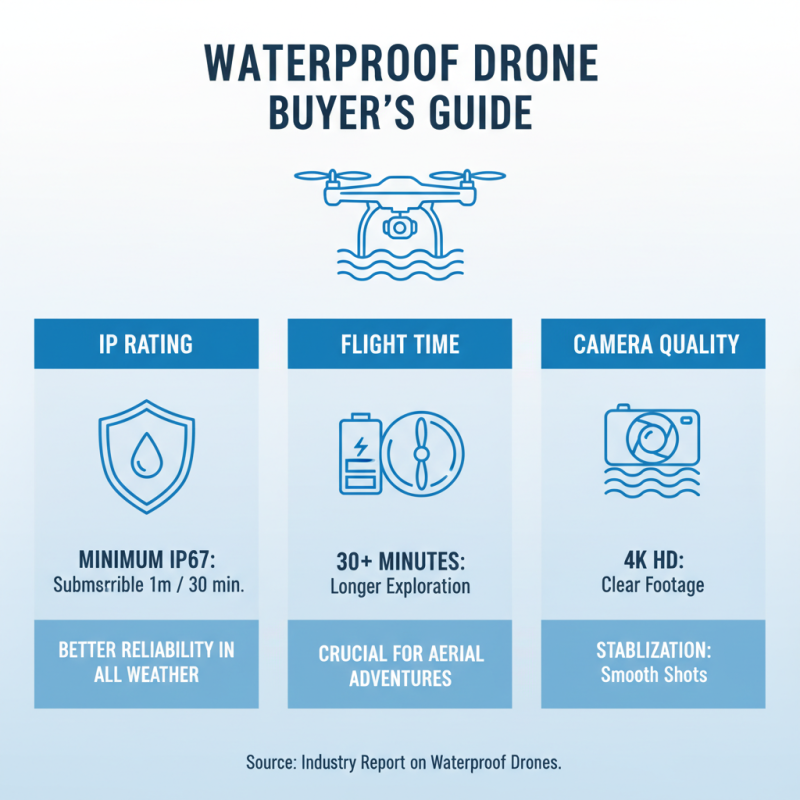
When selecting a waterproof drone for your aerial adventures, it's crucial to consider several key features that will enhance performance and durability. First, ensure that the drone has an IP rating of at least IP67, which indicates it can withstand immersion in water up to 1 meter for 30 minutes. According to a recent industry report, drones with higher waterproof ratings tend to offer better reliability in challenging weather conditions, making them ideal for both recreational and professional use.
Another vital aspect is the build quality. Drones with reinforced materials such as high-quality plastics or carbon fiber are not only lighter but also more resilient against harsh environments. Additionally, look for models equipped with waterproof gimbals and cameras that can capture clear footage even in wet conditions. Data shows that drones with these enhancements have significantly lower maintenance costs over time.
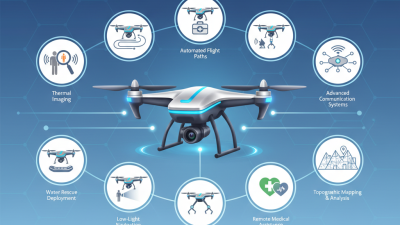
Tips: Before making a purchase, assess your specific needs. If you’re planning to shoot coastal landscapes or conduct search and rescue missions, opting for a drone with advanced stabilization and longer battery life can be beneficial. Moreover, consider the range of the drone's remote control, as a greater range ensures you can operate safely from a distance while maintaining control over the craft, even in unpredictable weather.
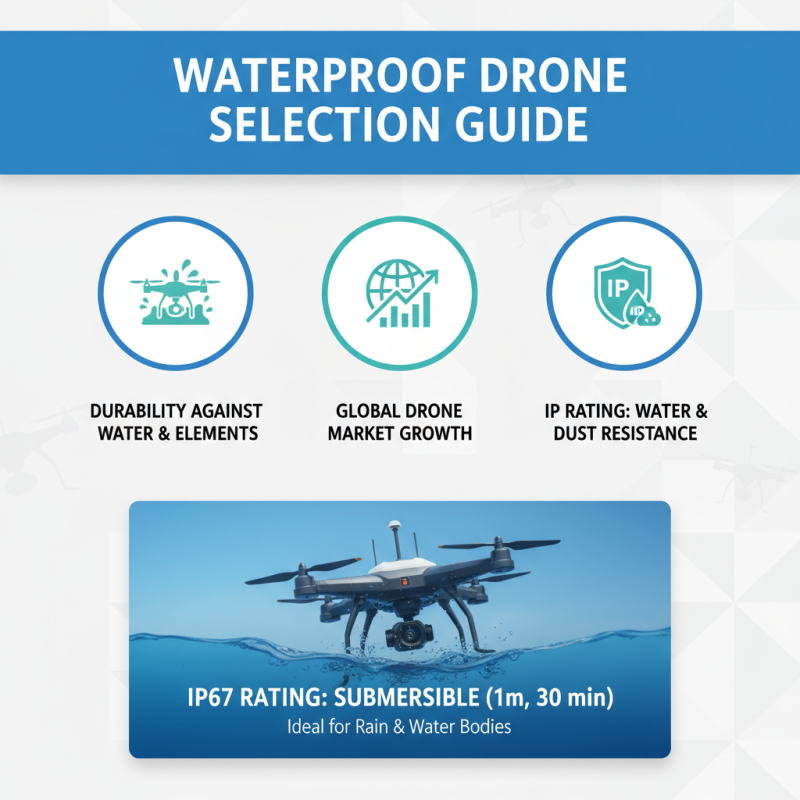
When selecting a waterproof drone for outdoor enthusiasts, evaluating its durability against water and various environmental elements is crucial. According to recent industry reports, such as those from Drone Industry Insights, the global drone market is projected to grow significantly, with a rising demand for drones capable of withstanding challenging conditions. This trend emphasizes the importance of understanding a drone's IP (Ingress Protection) rating, which indicates its resistance to water and dust. For instance, a drone with an IP67 rating can withstand immersion in water up to a meter for 30 minutes, making it suitable for use in rainy weather or near water bodies.
Additionally, the materials used in drone construction play a vital role in its overall durability. Many manufacturers are now incorporating advanced composites and corrosion-resistant materials to enhance resilience against aggressive environmental factors like saltwater or extreme thermal conditions. A study by ResearchAndMarkets indicates that drones with enhanced durability features could see a market increase of up to 25% in sales over the next five years, signifying a shift towards demand for more robust aerial platforms. Evaluating these factors will ensure aerial adventurers can capture breathtaking shots without the worry of equipment failure due to water exposure or harsh elements.
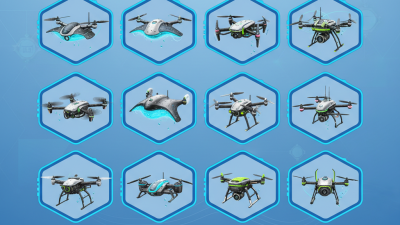
When choosing the best waterproof drone for your aerial adventures, it’s essential to compare various popular models on the market. According to a recent industry analysis, the waterproof drone market is projected to grow significantly, with sales expected to exceed $1 billion by 2025. This escalation is driven by the increasing demand for versatile drones capable of operating in challenging weather conditions, particularly for recreational and professional use in fields such as photography, surveying, and search-and-rescue missions.
When comparing models, consider key features such as flight duration, camera quality, and the extent of waterproofing. For example, some drones are designed to withstand light rain, while others can endure complete submersion. The IP rating is crucial here; a drone with an IP67 rating, for instance, means it’s dust-tight and can survive immersion in water for a specified duration. Moreover, flight performance, control range, and ease of use should also weigh heavily in your decision-making process.
Tips: Always check user reviews and expert opinions regarding the durability and performance of the drone in real-world conditions. Additionally, consider the availability of customer support and spare parts, as these factors can significantly impact your experience post-purchase. Don't overlook necessary accessories such as landing gear designed for wet conditions and protective cases that keep your drone safe when not in use.
When selecting the best waterproof drone, assessing battery life and flight time in wet conditions is crucial for ensuring a successful aerial adventure. Research indicates that most drones have a marked decrease in performance when exposed to moisture. According to a recent study by the Drone Industry Insights, battery efficiency can drop by up to 30% in rainy or humid environments. This reduction significantly impacts flight duration, making it essential for users to choose models specifically designed to operate effectively in such conditions.
Moreover, wet conditions can lead to increased weight due to water absorption, further affecting battery life. Industry reports suggest that an optimal waterproof drone should have a flight time of at least 20 minutes under standard conditions to compensate for the decreased performance in wet weather. Monitoring weather forecasts and understanding how atmospheric conditions affect battery technology can help enthusiasts plan their flights better. Using drones with high-capacity batteries and advanced power management systems can also enhance overall performance, allowing for longer flight times and safer operations in challenging environments.
Maintaining your waterproof drone is essential to ensure its longevity and optimal performance. After each flight, it’s crucial to clean the drone thoroughly to remove any saltwater, mud, or debris that may have accumulated during your aerial adventures. Start by rinsing the drone with fresh water to eliminate corrosive elements, particularly if you have flown in saltwater conditions. Use a soft cloth or brush to gently clean all surfaces, paying close attention to the propellers and camera lens. Make sure to dry the drone completely before storing it, as moisture can lead to mold and other damage.
In addition to regular cleaning, it’s important to inspect your drone for any signs of damage or wear after each flight. Check the seals and compartments to ensure they remain watertight, as even the slightest breach can compromise the drone's waterproof capabilities. Regularly update the firmware and calibrate the sensors as recommended by the manufacturer to keep your drone functioning smoothly. Lastly, store your drone in a cool, dry place away from direct sunlight when not in use to prevent any unnecessary wear and tear. Following these maintenance tips will help keep your waterproof drone in excellent condition for all your future adventures.
When considering flying drones in wet environments, it is crucial to understand the legal frameworks governing their use. The Federal Aviation Administration (FAA) in the United States, for example, emphasizes the necessity of adhering to specific regulations that apply to drone operations, especially in challenging weather conditions. According to a recent report by the Association for Unmanned Vehicle Systems International (AUVSI), nearly 60% of drone operators reported uncertainty regarding regulations for aerial activities during rain or near water bodies. This highlights the ongoing need for clear guidelines to ensure safety and compliance while operating drones in such environments.
Additionally, many jurisdictions require pilots to have a Remote Pilot Certificate and may impose restrictions on drone activities in areas prone to inclement weather. Understanding local ordinances, especially in coastal areas and places with strict environmental protections, is paramount. Research conducted by the Drone Industry Association indicates that nearly 40% of drone mishaps are attributed to negligence in understanding local legalities, leading to not only potential fines but also risks to public safety. As an emerging field, ensuring responsible drone use in wet environments is not just about choosing a waterproof model but also being fully informed about the legal liabilities and requirements before taking to the skies.
| Drone Model | Waterproof Rating | Flight Time (minutes) | Camera Resolution | Weight (grams) | Legal Considerations |
|---|---|---|---|---|---|
| Model A | IP67 | 30 | 4K | 800 | No FAA registration needed |
| Model B | IP68 | 25 | 1080p | 700 | Must adhere to local waterway regulations |
| Model C | IP65 | 35 | 4K | 900 | Check local laws for flying near water |
| Model D | IP66 | 28 | 720p | 850 | Registration may be required |
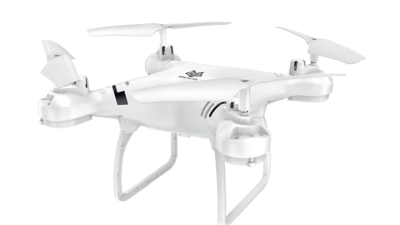
The FPV Remote Control Drone - SCD12 has emerged as a premier choice for both aerial photography enthusiasts and racing aficionados. With its sophisticated features, such as high-definition cameras and agile maneuverability, this drone allows users to capture stunning aerial shots while enjoying a thrilling flying experience. According to a recent market report, the global consumer drone market is projected to grow by over 13% annually, driven by the increasing popularity of recreational drone usage for photography and videography.
Recreational drones, or hobby drones, serve an essential role in the world of aerial photography. They enable users to explore their creativity and capture breathtaking landscapes from unique perspectives. The FPV Remote Control Drone - SCD12 is particularly appealing due to its ease of use and advanced capabilities, making it suitable for both beginners and seasoned pilots. This versatility highlights the importance of user-friendly design in appealing to a wider audience, as studies suggest that approximately 34% of drone users engage in photographic activities during their flights.
Moreover, the growth of the aerial racing community has further fueled interest in high-performance drones. The SCD12's rapid response system and high-speed features make it ideal for racing enthusiasts looking to enhance their skills and compete at various levels. As the drone ecosystem evolves, regulatory bodies are working to establish guidelines that ensure safety while encouraging recreational use. As a result, engaging in these activities remains exhilarating and within the bounds of legal compliance, reinforcing the thrill of piloting.
: When selecting a waterproof drone, consider its durability against water and environmental elements, the IP rating indicating its water and dust resistance, materials used in construction, and key features like flight duration, camera quality, and ease of use.
An IP67 rating indicates that a drone is dust-tight and can withstand immersion in water up to one meter for 30 minutes, making it suitable for use in rainy conditions or near water bodies.
The material used in a drone's construction affects its durability against environmental factors, such as saltwater and extreme temperatures. Advanced composites and corrosion-resistant materials enhance resilience and prolong the drone's lifespan.
To maintain your waterproof drone, clean it thoroughly after each flight to remove saltwater, mud, or debris, rinse with fresh water, dry it completely, and inspect for any signs of damage.
After flying in saltwater, it’s crucial to rinse the drone with fresh water to eliminate corrosive elements that could damage it, and then dry it thoroughly before storage.
Consider accessories like landing gear designed for wet conditions and protective cases to keep your drone safe when not in use, as these can enhance your overall experience and safety.
The increasing demand for versatile and robust waterproof drones indicates a significant market growth, suggesting that investing in a durable drone with high-performance features may provide better long-term satisfaction.
It’s advisable to inspect your drone for damage or wear after every flight, checking seals and compartments for any breaches that could compromise its waterproof capabilities.
Yes, the availability of customer support and spare parts is crucial, as these factors can significantly impact your user experience and ensure you can resolve any issues promptly after purchase.
When choosing a Waterproof Drone for aerial photography, it's essential to understand its significance, especially when capturing stunning images in challenging environments. Key features to consider include the drone's design for water resistance, camera quality, and stability during flights in wet conditions. Durability against water and other elements is crucial, as is evaluating the battery life and flight time, which can be impacted by exposure to moisture.
Additionally, proper maintenance after use ensures the longevity of your Waterproof Drone. Regular cleaning and inspections can prevent damage from water exposure. Lastly, be aware of the legal considerations when flying drones in wet environments, as local regulations may dictate where and how you can operate your drone. With these insights, you can select the best Waterproof Drone suited for your aerial adventures.