In today’s super competitive market, picking the right Commercial Drone can really make a difference for your business. Honestly, with so many options out there, it can feel pretty overwhelming. Each drone has different features, capabilities, and price points, so understanding what sets them apart is super important.
When you're choosing a commercial drone, you gotta think about what you actually need it for. Are you planning to use it for photography, surveying, or inspections? Different tasks mean different specs. For example, maybe you need a drone with a really high-res camera or one that can stay in the air longer. Also, don’t forget to check if the drone complies with your local laws and regulations.
Experience really counts here too. Taking the time to do some research upfront can save you from making costly mistakes later on. A lot of folks tend to forget how important after-sales support is — having a manufacturer that actually backs you up is a game-changer. At the end of the day, your choice of drone isn’t just about getting the job done now — it’s about setting your business up for future success.
Understanding Your Business Needs for a Commercial Drone
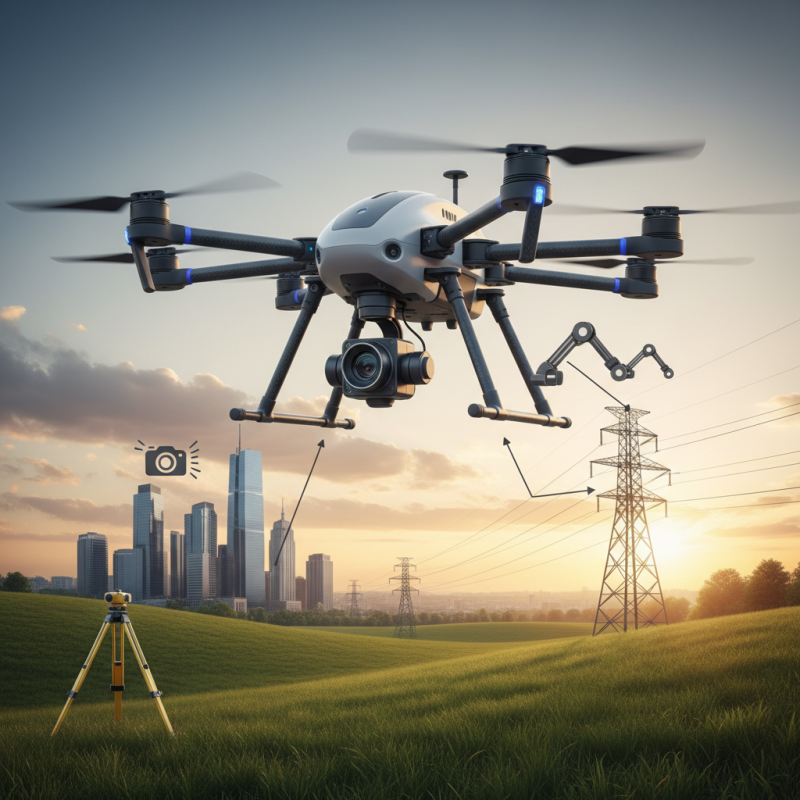
When selecting a commercial drone, understanding your business needs is crucial. Different industries have unique requirements that can significantly influence your choice. For instance, agriculture may require drones with advanced sensors, while real estate may prioritize high-resolution cameras. Start by listing specific tasks you plan to accomplish using a drone.
Tips: Evaluate the terrain and climate where you will operate the drone. This ensures you choose a model that performs well in your conditions. A thorough analysis of your operational needs will guide you toward the right specifications. Consider battery life, payload capacity, and flight range when analyzing options.
It’s valuable to reflect on any gaps in your current operations. Are you currently missing efficiency in data collection? Do you need improvements in marketing visuals? Identifying these areas can help focus your search. Gathering feedback from team members can also clarify what features matter most to them.
Tips: Research available payload options and flight accessories. This can enhance your drone’s capabilities. Don’t rush this decision; a hasty choice could lead to ineffective results. Finding the right drone can create opportunities but requires careful consideration of your specific business landscape.
Types of Commercial Drones Available for Different Industries
Selecting the right commercial drone can significantly impact
your business operations. Various industries utilize different types of
Commercial Uav
s, each tailored to specific needs. For instance, agricultural drones
are designed for precision farming. According to a report by MarketsandMarkets, the agricultural drones market
is expected to reach $1.5 billion by 2025. These UAVs
help farmers monitor crop health and optimize input usage.
Construction and mapping industries benefit from aerial surveying drones.
These UAVs provide high-resolution images and allow for more efficient site inspections. Research from
Drone Industry Insights indicates that the construction sector’s drone market could surpass
$11 billion by 2028. However, challenges remain.
The accuracy of drone data is crucial, and errors in data capturing can lead to costly mistakes.
Furthermore, emergency services increasingly rely on drones for search and rescue missions.
These commercial UAVs offer real-time surveillance and rapid deployment capabilities. Yet, human oversight
is essential in critical situations—automation cannot replace human judgment. It’s vital to continuously assess the
effectiveness of drone applications and upgrade technology as needed. The drone landscape is evolving, and so must
your understanding of its potential and limitations.
Key Features to Consider When Selecting a Drone
When selecting a commercial drone, understanding key features is essential. The payload capacity is crucial. Drones with a higher payload can carry special sensors or cameras. For instance, some industry studies indicate that drones with a payload capacity exceeding 10 kg are preferred for large commercial applications. This ensures versatility across various projects, from agriculture to construction.
Flight time is another critical factor. Many commercial drones offer a flight time of 30 to 60 minutes. Drones with longer battery life reduce downtime. Sufficient flight time allows for extensive surveying or inspections. A study found that businesses prefer drones with at least 40 minutes of flight duration. This balance of power and efficiency significantly impacts operational productivity.
Additionally, consider the ease of use. Drones equipped with advanced flight planning software simplify operations. As the market grows, technical support becomes vital for many businesses, especially those new to drone technology. The complexity of features can overwhelm users. Not all teams may have the expertise to leverage the full potential of Large Commercial Drones. Investing in training could solve this, but it's essential to factor in these additional costs when making a drone choice.
Evaluating Drone Performance and Specifications
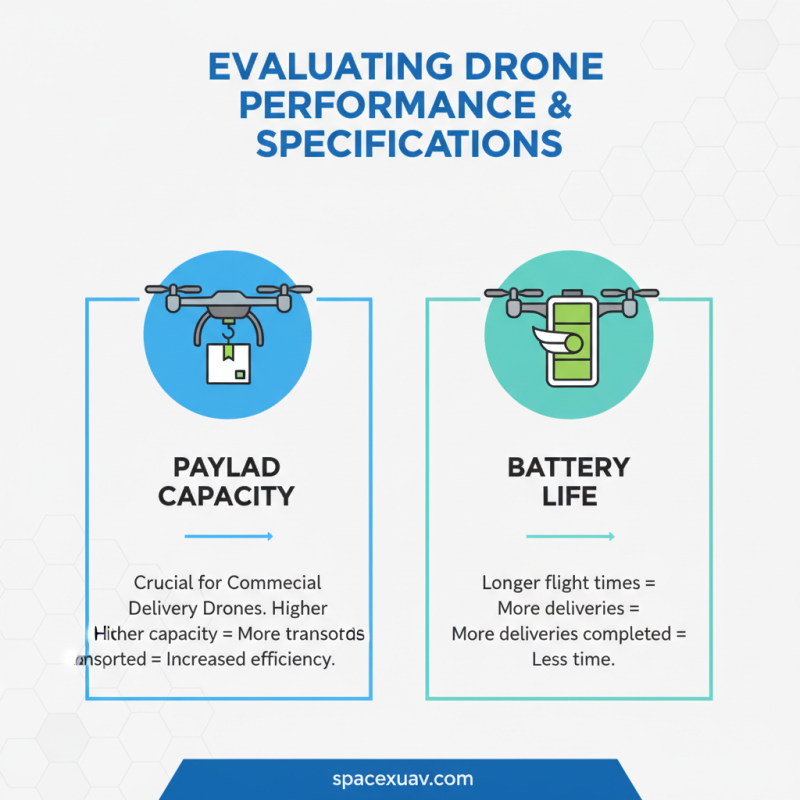
When evaluating drone performance and specifications, key factors come into play. Payload capacity is crucial for any business using Commercial Delivery Drones. A drone with a higher payload can transport more goods, increasing efficiency in delivery operations. Battery life also matters; longer flight times mean completing more deliveries in less time.
Another important aspect is the drone's range. A greater range allows businesses to reach distant customers, expanding service areas. Additionally, consider the drone's built-in technology. Features like GPS, collision avoidance systems, and high-resolution cameras can enhance performance. These technologies ensure safer flights and better data collection, which is essential for commercial applications.
Reflecting on these specifications can uncover areas for improvement. Not all drones will meet every business's needs. Some might excel in payload but lack in battery life. Evaluating these trade-offs is essential to find the right commercial delivery drones for your unique requirements. Balancing performance with specifications can lead to better operational decisions.
Assessing Regulatory Compliance and Licensing Requirements
When selecting a commercial drone, understanding regulatory compliance is crucial. Various jurisdictions have distinct licensing requirements. In the United States, for instance, the FAA mandates remote pilot certification under Part 107. It is essential to complete a knowledge test that covers airspace rules, weather factors, and drone operations. Reports suggest that nearly 30% of commercial drone operators lack full awareness of these regulations, leading to potential legal issues.
Compliance extends beyond initial licensing. Drones must often meet specific safety and maintenance standards. According to industry research from the Association for Unmanned Vehicle Systems International, non-compliance can incur fines up to $30,000. Moreover, registration of drones weighing over 0.55 pounds is required. This can seem overwhelming, especially for new businesses venturing into aerial services.
Reflection on these regulatory aspects is necessary. Some operators might overlook state-level regulations, which can differ significantly. For instance, restrictions may exist on flying near populated areas or specific types of infrastructure. Staying updated on regulatory changes is just as important as obtaining a license. Neglecting these factors could jeopardize operational continuity and safety in the long run.
Comparing Costs and Budgeting for Your Drone Purchase
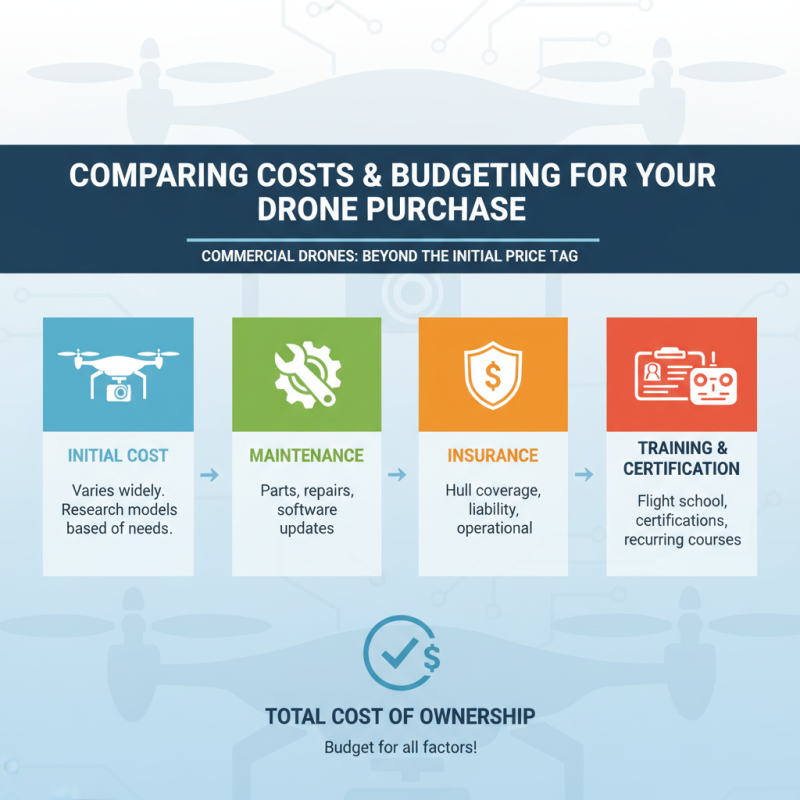
When considering the costs for a commercial drone, it’s essential to analyze your needs. Drones come at various price points. The initial cost isn't the only factor. Maintenance, insurance, and training add to the overall expense. Understanding these elements helps in budgeting effectively.
Budgeting requires attention to detail. Expenses can vary greatly depending on the drone's capabilities. Higher-end models might improve efficiency but will tax your finances significantly. It’s crucial to assess projected returns on investment. Calculate potential savings or earnings from using a drone. Will it reduce labor costs? Will it enhance service delivery?
Reflect on your current operations. Are you ready for the shift toward drone integration? Not every business will find drones beneficial. Before spending, gather data and feedback from your team. Make informed decisions to ensure your investment pays off in the long run.
Identifying Reliable Suppliers and After-Sales Support
When selecting a commercial drone, assessing suppliers is essential. Reliable suppliers offer not just quality products but also solid after-sales support. A recent industry report indicates that 65% of businesses emphasize post-purchase assistance. This support can range from technical troubleshooting to software updates, crucial for maintaining operational efficiency.
Many companies overlook the importance of after-sales service. A faulty drone can lead to significant downtime. According to a survey, 78% of drone users experienced issues that required supplier intervention within the first year. This emphasizes the need for dependable customer care. Engaging with suppliers that have a robust reputation can mitigate risks associated with operational setbacks.
Prioritizing suppliers with experience creates a safety net. Seek those recognized in the industry, as they often provide better training and support. Some users report that they chose their Drone Rc Drone based on supplier reviews and service history. In the end, choosing wisely influences not just your initial investment but your long-term success.
Exploring the Best Features of the Waterproof Drone SPF1 for an Enhanced Fishing Experience
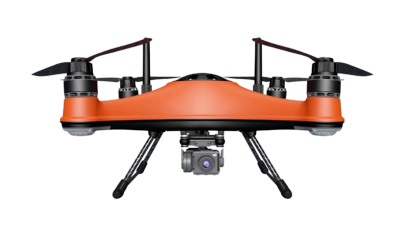
The waterproof drone SPF1 is revolutionizing the fishing experience by offering features that genuinely enhance the capabilities of fishermen. This remarkable drone stands out in a crowded market, designed specifically to excel in aquatic environments. Its waterproof design not only allows it to withstand harsh weather conditions but also enables fishermen to take full advantage of its capabilities without fear of damaging the device. With the ability to deliver bait over distances of 400 yards in just a few minutes, the drone transforms the way anglers approach their craft, making it easier to reach potential fishing spots that were previously inaccessible.
Equipped with a strong propulsion system, this drone effortlessly lifts substantial bait to target larger game fish lurking in deep waters. What sets it apart from other drones is its advanced technology that allows fishermen to read tides and scan for schools of fish high above, all through high-resolution live streaming video. This feature provides invaluable insights into underwater activity, significantly increasing the chances of a successful catch. With its user-friendly setup and operation, the waterproof drone SPF1 empowers fishermen to enhance their fishing experience like never before, combining innovation with practicality to redefine the future of fishing.
FAQS
: Payload capacity determines how much weight a drone can carry. Higher capacity allows for larger sensors or cameras.
Flight time affects how long drones can operate. Longer flight times reduce downtime and allow for extensive missions.
Most commercial drones have a flight time between 30 to 60 minutes. Many users prefer a minimum of 40 minutes.
Drones with user-friendly flight planning software are preferred. Complicated features may confuse inexperienced users.
Many businesses new to drones may struggle without support. Access to assistance can ease the learning curve.
GPS, collision avoidance, and high-resolution cameras are essential. They improve safety and data collection during operations.
Assess payload capacity, battery life, and range. Consider how these factors fit your business needs for optimal performance.
Not every drone meets every need. Reflect on strengths and weaknesses to find the best fit for your operations.
Yes, investing in training can enhance knowledge and skills. This may involve additional costs but leads to better usage.
Consider the balance between features like payload and battery life. Trade-offs may require prioritizing specific operational needs.
Conclusion
When selecting a commercial drone for your business, it's crucial to start by understanding your specific operational needs. This involves identifying the types of commercial drones that cater to different industries, whether it's agriculture, construction, or surveillance. Key features such as flight time, payload capacity, and camera quality should be prioritized based on your requirements.
Furthermore, evaluating the performance and specifications of potential drones will help ensure they meet your operational goals. Compliance with regulatory standards and obtaining necessary licensing is essential to avoid legal pitfalls. Additionally, budgeting for the purchase and considering the long-term costs associated with maintenance and upgrades are important factors. Finally, sourcing drones from reliable suppliers and ensuring they offer robust after-sales support can significantly impact your drone's effective integration into your business operations.