When you're choosing a Motor Brushless Drone, it's really important to think about what you actually need and prefer. As John Wilson from DroneTech Innovations, a pretty well-known expert, points out, “Picking the right brushless drone is all about finding that sweet spot between what it does well and what you actually want to use it for.” That’s a good reminder that you should fully understand what you’re looking for.
Think about what you plan to do with it. Are you into capturing epic aerial shots, or maybe racing it around? Every purpose calls for different features. For example, if you want a lightweight model, it might be super nimble but might not last as long on a single charge. On the flip side, a sturdier drone could stay in the air longer but might be a bit trickier to handle.
Don’t forget to check out the features that matter most to you. Things like camera quality, how far it can fly, and battery life can really vary from one model to another. Sure, many brands throw around impressive specs, but real-world performance can sometimes be a different story. Reading reviews and real user experiences can help you spot potential issues before you buy. At the end of the day, picking the right Motor Brushless Drone should really be about what fits your needs and what you’re hoping to do with it.
Understanding Brushless Drones and Their Advantages
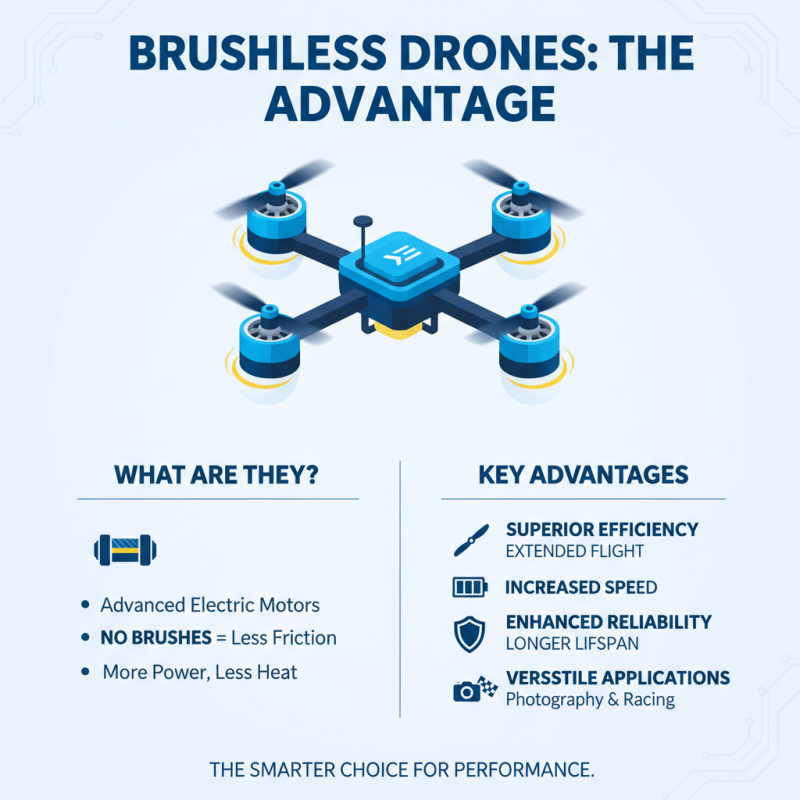
Understanding brushless drones is crucial when selecting the ideal model for your needs. Brushless motors offer superior efficiency and longevity compared to brushed motors. They generate more power without overheating, making them perfect for various applications, from photography to racing. The advantages are clear: extended flight times, increased speed, and reliability.
For those new to drones, it’s essential to consider what you'll use the drone for. For aerial photography, prioritize stability and camera quality. If racing excites you, then focus on agility and speed. Each purpose demands different specifications.
**Tip:** Read user reviews and watch comparison videos online. They provide insight into real-world performance.
With a Motor Drone Brushless, maintenance is also simpler. They require less frequent servicing, saving you time and effort. Consider this; if you're not careful, you may overlook battery care, which affects performance.
**Tip:** Always check battery health and storage methods. This reinforces reliability in your flying experience. Understanding these details can lead you to a better choice.
Key Factors to Consider When Choosing a Brushless Drone
When choosing a brushless drone, several key factors come into play. The first is the purpose of your drone. Are you using it for aerial photography, racing, or simply for recreational flying? Identifying the primary use helps narrow down your options. Trajectory control and stability are also crucial. Brushless motors provide better efficiency. However, not all drones offer the same level of responsiveness.
Battery life is another vital consideration. Drones with high-quality batteries can fly longer. This means more time to capture stunning footage or enjoy flying. However, remember that battery life can vary with weather conditions and usage patterns. A durable drone with a strong frame will withstand minor crashes. But, lightweight materials can enhance agility. Each choice has its trade-offs.
Finally, think about the weight and size of the drone. Larger drones may offer steadiness but can be cumbersome to transport. Smaller drones are easily portable but may lack power. Finding the right balance is essential. Researching user reviews and expert opinions can provide insights. However, everyone has different priorities. Trusting your instincts while considering these factors will lead to a more satisfying choice.
Assessing Your Budget and Price Range for a Brushless Drone
When evaluating your budget for a brushless drone, it’s essential to understand your priorities. Brushless drones can range widely in price, from a few hundred dollars to several thousand. Determine how much you are willing to spend before diving into specifications. Consider not just the Drone Motor, but also features like camera quality, flight time, and build material.
Many users make the mistake of focusing solely on price alone. A cheaper drone may have a less reliable drone motor, impacting performance and lifespan. Think about your specific needs. Are you using the drone for casual fun, or do you need professional-quality footage? Factor in potential additional costs, such as spare parts and accessories.
Don’t forget to assess long-term value instead of just the initial purchase price. Often, spending a little more initially can save you money down the road. Research the performance and reliability of various models before making commitments. Experienced users often stress the importance of investing in durability, especially with critical components like the drone motor. Getting the best value means more than just choosing the lowest price; it’s about finding the balance that meets your needs.
Price Range Distribution of Brushless Drones
Evaluating Flight Time and Battery Life of Brushless Drones
When evaluating brushless drones, flight time and battery life are key factors. A high-quality drone typically offers between 20 to 30 minutes of flying time on a single charge. Data indicates that brushless motors can enhance efficiency, leading to longer flight durations. However, battery size and weight also play crucial roles. Larger batteries may extend flight time, yet they can add weight and impact maneuverability.
The choice of battery chemistry is essential too. Lithium polymer (LiPo) batteries are standard for many drones because of their light weight and high energy density. Reports suggest that drone models with 4S or 6S LiPo batteries boast improved performance. Yet, these batteries require careful management. Over-discharging can lead to a shortened lifespan and diminished performance.
For enthusiasts considering a Motor Mini Drone, keep in mind that flight duration should align with your intended use. If you plan to capture aerial footage, a longer battery life will enhance your experience. However, it's worth noting that many drones fall short of their advertised flight times in real-world conditions. Pilot skills, weather, and payload all affect performance. Understanding these nuances will help you make a well-informed decision.
Camera Quality and Features: Picking the Right Option for You
When selecting a brushless drone, camera quality plays a crucial role. Key features, such as resolution and sensor type, significantly impact the final output. Reports indicate that drones with 4K cameras have become standard. They deliver stunning images and smooth video footage. A good quality lens enhances image sharpness, particularly in high-contrast scenes.
Consider the importance of stabilization technology. Gimbals can eliminate shaky shots, making your footage look professional. Some drones offer advanced options, like dual stabilization systems, which are crucial for aerial photography. Industry insights show that drones with such features have seen a 30% increase in consumer preference.
**Tips:** Look for drones with adjustable camera settings. This allows you to optimize for different lighting conditions. Also, think about the drone’s weight. Heavier models might carry more advanced cameras but can be less agile in wind. Finally, always check user reviews and sample footage to gauge real-world performance and reliability.
How to Choose the Best Brushless Drone for Your Needs? - Camera Quality and Features: Picking the Right Option for You
| Model |
Camera Resolution |
Flight Time |
Range |
Weight |
Features |
| Drone A |
4K (3840 x 2160) |
30 minutes |
1.5 km |
750 g |
GPS, Follow Me, Waypoints |
| Drone B |
1080p (1920 x 1080) |
25 minutes |
800 m |
600 g |
Obstacle Avoidance, Auto Return |
| Drone C |
2.7K (2560 x 1440) |
40 minutes |
2 km |
800 g |
Live View, Gesture Control |
| Drone D |
4K (3840 x 2160) |
28 minutes |
3 km |
950 g |
Follow Me, FPV Mode |
Durability and Build Quality: What to Look For in a Drone
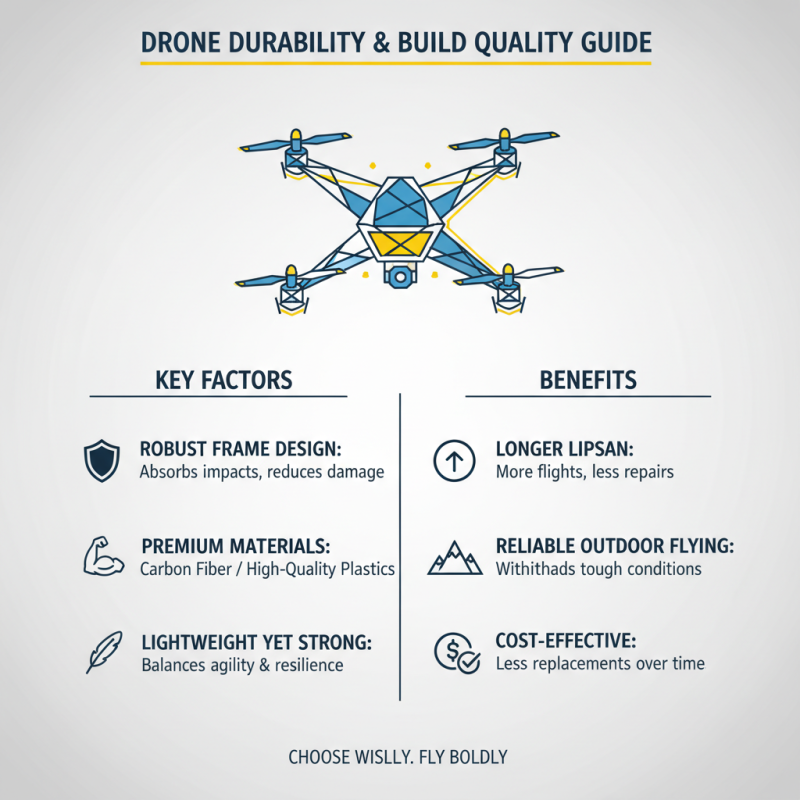
When choosing a brushless drone, durability and build quality are critical factors. A well-built drone can withstand the rigors of outdoor flying. Look for materials like carbon fiber or high-quality plastics. These materials offer strength while keeping the drone lightweight. A robust frame can absorb minor impacts, reducing the risk of damage.
Inspect the drone's components, including the motors and propellers. Quality motors will ensure efficient flight and longevity. Propellers should be balanced and made from durable materials to avoid breakage. Don't overlook the landing gear; it needs to be resilient to handle rough landings. Each component contributes to the overall durability of the drone.
You might find that not all drones look equally sturdy. Some may seem lightweight but can perform well. This often leads to disappointment when they can't handle demanding conditions. Consider reading user reviews and experiences before making your choice. Real-world feedback is valuable. Analyze the pros and cons to determine what best fits your flying style.
User Reviews and Recommendations: Making an Informed Decision
When exploring brushless drones, user reviews play a crucial role. They offer insights that can lead to informed decisions. According to a recent industry report, 68% of drone enthusiasts rely on online reviews before purchasing. The personal experiences shared by users can highlight both strengths and weaknesses of a model. Common praise often revolves around flight time and stability, while negatives can include ease of use and customer support responses.
Focusing on the technical aspects, the Drone Electric Motor performance is essential. Most users mention that efficiency in motors significantly impacts their experience. A report indicated that brushless motors can increase efficiency by up to 20%. This means longer flight times and better handling. Yet, not all brushless drones come with reliable motors. Users should be diligent in assessing third-party reviews, looking for discussions on motor performance.
Many buyers overlook the importance of battery type when evaluating drones. User feedback often reveals that battery life varies greatly. Reviews can shed light on real-world performance rather than manufacturer claims. This discrepancy can lead to frustration. Engaging with user forums and reading multiple reviews can help buyers gain a broader perspective. This approach allows potential drone owners to consider their needs carefully before making a decision.
Exploring the Capabilities and Applications of the Heavy Payload Electric Drone - SEM60
The Heavy Payload Electric Drone, particularly the SEM60, represents a significant advancement in drone technology, especially in its ability to support disaster relief and logistics operations. With the increasing frequency of natural disasters, the reliance on drones for effective material transportation has become paramount. According to industry reports, the drone market is projected to reach a valuation of $63.6 billion by 2025, with heavy payload drones playing a crucial role in this growth, particularly in humanitarian and logistical applications.
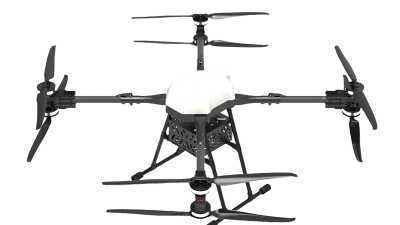
Designed with 4 axis and 8 propellers, the SEM60 is engineered for resilience and versatility. Its waterproof construction and foldable arms make it an ideal solution for all-weather flight, allowing it to operate efficiently in diverse environments. The drone's body, composed of lightweight but durable carbon fiber material, enhances its performance while maintaining a maximum take-off weight of 120kg at zero altitude. This capacity enables it to transport essential supplies, including food, medical kits, and equipment, during emergency situations, bridging gaps in accessibility that traditional vehicles might face.
As the demand for efficient delivery systems surges, especially in sectors like healthcare and disaster response, heavy payload drones like the SEM60 are becoming indispensable. The ability to carry significant loads over challenging terrains not only accelerates response times but also optimizes resource distribution in crises. Emerging technologies and innovations in drone design continue to redefine the landscape of aerial logistics, with heavy payload capacity leading the charge in future applications.
FAQS
: Brushless drones offer better efficiency, longer flight times, increased speed, and improved reliability. They are ideal for various applications.
Consider the purpose of your drone. For photography, focus on stability and camera quality. For racing, prioritize speed and agility.
Battery care is crucial. Neglecting it can lead to poor performance and short lifespan. Regularly check battery health for reliable flying.
Brushless drones vary in price. Setting a budget helps you find models suited to your needs without overspending or compromising quality.
Look beyond price. Consider features like camera quality, flight time, and potential extra costs for parts and accessories needed.
Typical flight time is 20 to 30 minutes. Battery size impacts this, but larger batteries can add weight and affect maneuverability.
Lithium polymer (LiPo) batteries are recommended. They are lightweight and efficient, but require careful handling to avoid damage.
Yes, many drones don’t meet advertised flight times in real conditions. Factors like pilot skills and weather affect actual performance.
Many focus solely on price, ignoring the reliability and durability of crucial components like the drone motor. A smart choice considers long-term value.
Research various models for performance and reliability. Invest a bit more initially to avoid long-term costs and enhance your flying experience.
Conclusion
Choosing the best Motor Brushless Drone requires a thorough understanding of its advantages over traditional drones. Brushless motors offer greater efficiency, longer flight times, and reduced maintenance. When selecting a drone, important factors to consider include your specific needs, budget, and features such as camera quality and flight duration. It's essential to evaluate the durability and build quality as well, ensuring the drone can withstand different conditions.
Additionally, reviewing user feedback can provide valuable insights into the performance and reliability of various models. By assessing these key aspects, you can make an informed decision that aligns with your requirements and enhances your flying experience with a Motor Brushless Drone.