Picking the right Drone Kit can really make a difference, whether you're into capturing stunning aerial shots, racing, or just having fun flying. These days, with drones getting super popular, the options out there can feel a bit overwhelming. Every Drone Kit seems to come with its own set of features aimed at different needs—so it’s easy to get lost in the sea of choices.
A good starting point? Think about what you actually want to do with your drone. Are you looking to snap epic landscapes, or maybe you’re all about the adrenaline rush of racing? Pinning down your goals will help you figure out what kind of kit makes sense. A beginner-friendly Drone Kit is gonna look pretty different from one meant for pros.
Also, keep your skill level in mind. A lot of folks end up buying complicated Drone Kits, only to find out they’re pretty tough to handle. So, it’s really worth taking a moment to consider what you truly need. Some packages might seem tempting because they have lots of features, but honestly, you might never even use most of them. Thinking about what’s important for your flying style will help you make a smarter choice. In the end, a well-chosen Drone Kit can bring a lot of joy and even help you learn new skills along the way.
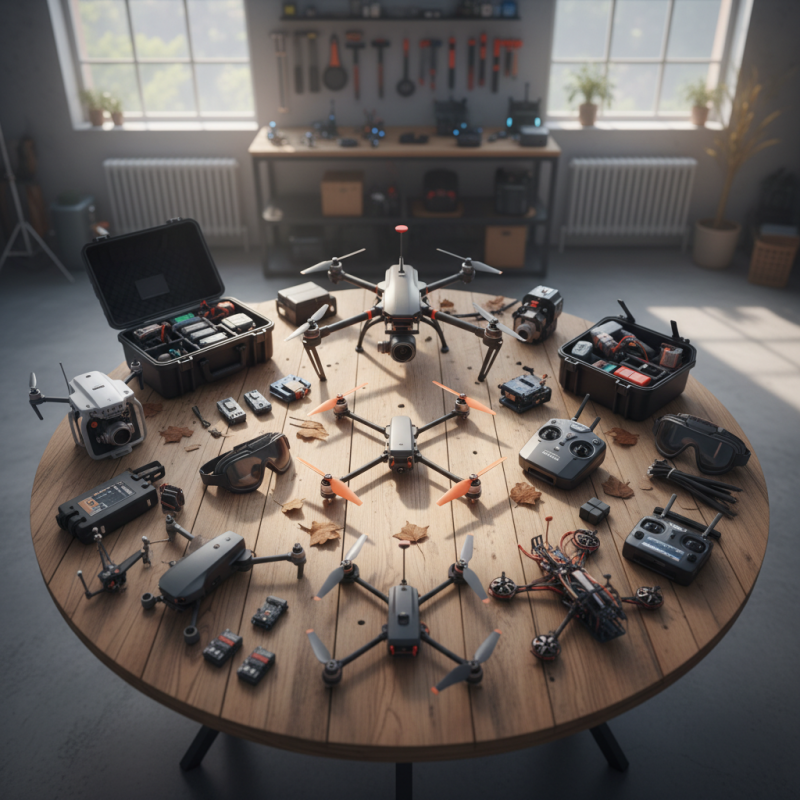
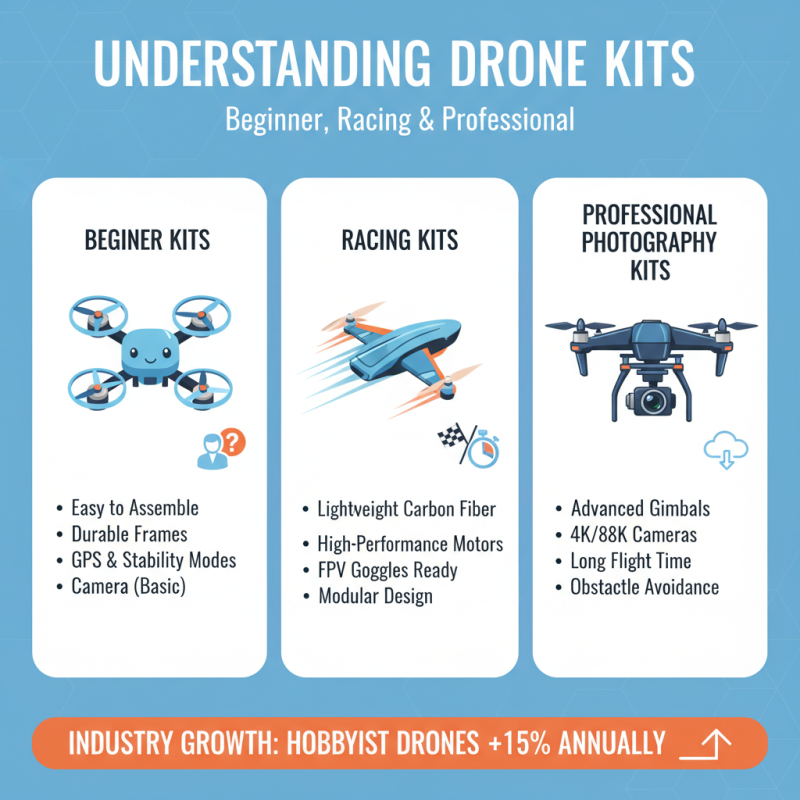
When exploring the drone market, it’s essential to understand the variety of drone kits available. These kits typically fall into three main categories: beginner kits, racing kits, and professional photography kits. Each type serves specific user needs based on skill level and intended use. According to a recent industry report, hobbyist drones are expected to grow by over 15% annually, emphasizing their increasing popularity.
Beginner kits usually include everything needed to start flying. They typically come with a straightforward manual and user-friendly controls. These kits often feature durable builds, capable of withstanding beginner mistakes. Racing kits are designed for speed and agility. They feature specialized designs and components to optimize performance. Enthusiasts can fine-tune these drones for competitive racing.
Professional photography kits focus on high-quality cameras and stabilization technology. These kits may include multiple lenses and advanced gimbal systems to ensure smooth footage. According to experts, nearly 70% of drone users leverage these kits for aerial photography and videography.
Tips: Take time to assess your flying skills. Always read user reviews to gather insights about performance and reliability. Don't forget to consider maintenance costs when choosing a kit. Reflect on your long-term goals with drones, as they may influence your choice.
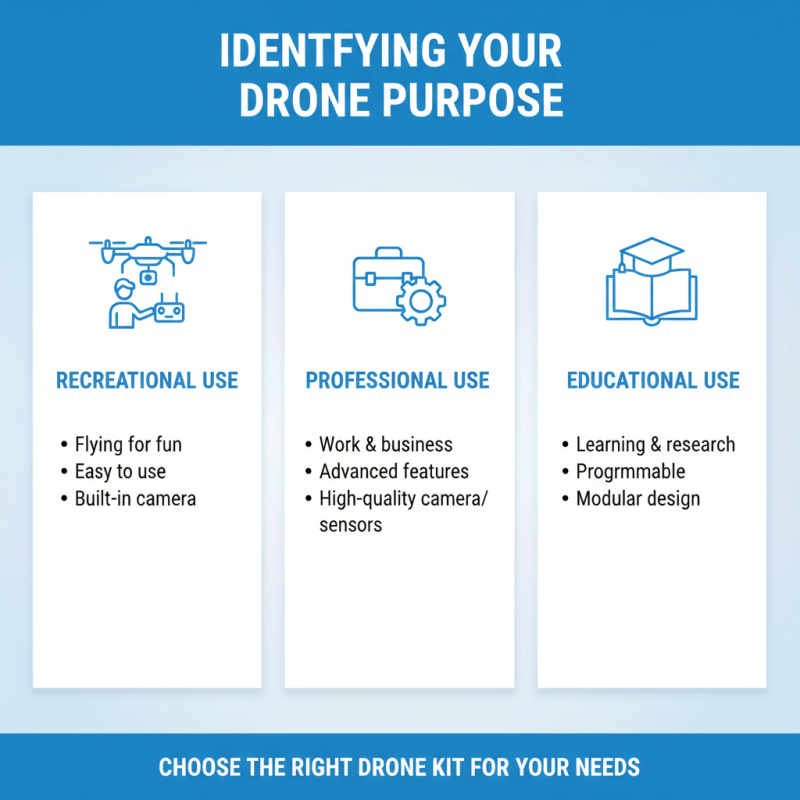
When selecting a drone kit, understanding your purpose is crucial. Are you flying for fun, work, or education? Each use demands different features and specifications.
For recreational use, look for user-friendly models. These drones are usually lightweight and have stable flight modes. They may not offer advanced features but should ensure enjoyable flying experiences. This way, beginners can learn without feeling overwhelmed.
For professionals, consider drones with advanced cameras and GPS capabilities. These features are essential for aerial photography or surveying tasks. It's also beneficial to check the range and battery life to suit your specific needs.
Educational purposes require drones with programmable features. Students can learn about coding and robotics through hands-on experience. Look for kits that come with detailed instructions and additional resources. This approach fosters engagement and deeper understanding.
Tips: Test flight time is essential. Ensure the drone fulfills its intended purpose. Take time to read reviews and seek advice when possible. Each category comes with unique expectations, so reflect on your needs before deciding.
When selecting a drone kit, considering key features is essential. Start with the drone’s camera quality. A high-resolution camera enhances your footage. Look for HD or 4K options to capture stunning visuals. Battery life is another critical factor. Drones with longer flight times allow for extended shooting experiences. Aim for a kit that offers at least 20 minutes of flight time.
Flight range matters too. Some drone kits support longer distances, giving you more freedom to explore. Check the kit's stability features. Advanced stabilization systems reduce shaky footage. This is crucial for capturing smooth, professional-looking video.
Tips: Think about your skill level. Beginners may prefer simpler controls. More advanced users might want additional features. Research compatibility with software for editing and enhancing your footage. Finally, consider customer reviews to gauge reliability. Reading about real users’ experiences can guide you in making the right choice. The right Drone Fpv Kit can enhance your aerial photography skills significantly.
Budgeting for a drone kit requires careful thought. Prices can vary greatly based on features and quality. Entry-level models may cost around a few hundred dollars. In contrast, advanced kits can reach several thousand. How much you need depends on your goals.
Consider what you'll use the drone for. Casual hobbyists might not need expensive equipment. Budget-friendly drones can be sufficient for simple tasks. On the other hand, serious enthusiasts or professionals need higher quality. Investing in better cameras or specialized features is essential for high-quality work.
Don't forget about hidden costs. Accessories like extra batteries, chargers, and insurance can add up quickly. It’s wise to set aside funds for these extras. Reflect on your spending limits and prioritize features that truly matter for your needs. Making a hasty purchase without proper consideration may lead to buyer's remorse.
| Drone Type | Price Range | Features | Payload Capacity | Flight Time |
|---|---|---|---|---|
| Beginner | $100 - $300 | Basic camera, Beginner-friendly controls, GPS | 0.5 kg | 10 - 20 minutes |
| Hobbyist | $300 - $600 | High-resolution camera, Longer flight time, Advanced controls | 1 kg | 20 - 30 minutes |
| Professional | $600 - $1500 | 4K or higher camera, Extended range, Real-time data transmission | 2 kg | 30 - 40 minutes |
| Industrial | $1500 and above | Thermal imaging, Heavy-lift capabilities, Advanced autonomy | 5 kg | 40 - 60 minutes |
When choosing a drone kit, evaluating brand reputation and customer reviews plays a crucial role. A reputable brand typically assures quality and service. According to a recent industry report, nearly 75% of consumers prioritize established brands when purchasing technology products. This preference often translates into higher customer satisfaction and better support after the sale.
Customer reviews provide insight into the user experience. Reports suggest that 80% of potential buyers read reviews before making a decision. They reveal aspects like ease of use, reliability, and the quality of the Fpv Drone Kit. Authentic feedback can expose issues that might not be apparent in the product specifications alone. Customers often highlight specific features they appreciate or criticize, helping you assess whether a particular kit meets your expectations.
It's also important to consider the limitations mentioned in reviews. Some users point out that a highly rated FPV drone kit may not be user-friendly for beginners. Others note that while the drone performs well, the customer support may lag in responsiveness. Balancing these insights with brand reputation can lead to a more informed decision.
When venturing into the world of drones, understanding local regulations is crucial. Each region has specific laws governing drone usage. Knowing these rules can save you from hefty fines or legal troubles. This is especially important for beginners investing in a Mini Drone Kit. Always check for restrictions before taking off.
Tips: Familiarize yourself with the local airspace rules. Are there no-fly zones? What about altitude limits? Many areas have specific guidelines for how high you can fly. Pay attention to these details.
Safety should be a priority. Always conduct a pre-flight check. Make sure your drone is in good condition. This includes checking battery levels and propellers. If you're unsure about anything, consult online resources or local experts. This practice prevents accidents and promotes safe drone operations.
Tips: Join local drone clubs or online forums. They can provide insights into the best practices for flying. A community can enhance your knowledge and increase safety awareness. Always stay informed and connected.
Choosing the right drone kit is crucial. After-sales support can significantly impact your experience. A solid warranty provides peace of mind. If anything goes wrong, you want a quick resolution. This is especially true for complex gadgets like a Racing Drone Kit.
Consider the customer service reputation of the seller. Are they easily reachable? Quick responses can be a sign of reliability. A delay in support can leave you frustrated, especially when you need help fast. You may find yourself unable to fly or troubleshoot an issue. This can ruin your day.
Take time to read reviews regarding after-sales support. Users often share their experiences with claims and repairs. Reflect on these insights to guide your choice. A strong support system can make your hobby more enjoyable. It’s not just about the drone itself; it’s also about the backup you receive.
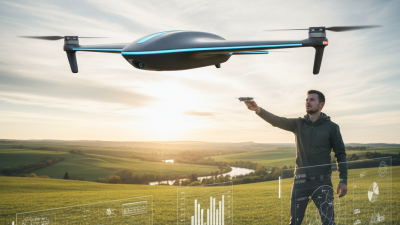
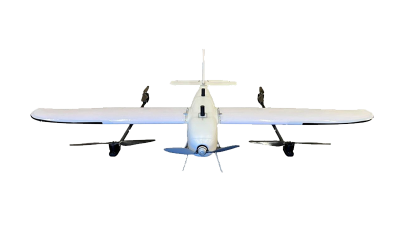
The rise of hybrid drone technology marks a significant advancement in the field of Unmanned Aerial Vehicles (UAVs). Central to this evolution is the VTOL (Vertical Takeoff and Landing) fixed-wing drone, which seamlessly combines the vertical agility of multirotors with the extended range and efficiency characteristic of traditional fixed-wing aircraft. This innovative design empowers drones to operate in a variety of environments, making them ideal for numerous applications, especially where space is limited.
One of the standout features of such a hybrid craft is its ability to take off and land in confined spaces, akin to multirotors, while transitioning to a horizontal flight mode for expansive coverage. For instance, a newly designed VTOL fixed-wing UAV can sustain a flight duration of up to 1.5 hours with a payload capacity of 0.7 kg. This capability makes it exceptionally valuable for tasks such as agricultural monitoring, enabling farmers to observe vast fields from above efficiently, as well as delivering small packages to remote areas that are otherwise hard to access. Furthermore, these drones are adept at creating high-precision maps and 3D terrain models, which are crucial for various industries including construction, environmental monitoring, and land surveying, thus highlighting the transformative potential of hybrid drone technology in today's aerial solutions landscape.
: A reputable brand usually ensures better quality and service for customers.
About 80% of buyers read reviews to understand a product's user experience before purchasing.
Reviews often highlight ease of use, reliability, and product quality that may not be in specifications.
Yes, some kits may not be beginner-friendly or may have slow customer support.
Good after-sales support ensures quick resolution of issues, enhancing overall satisfaction.
A solid warranty provides peace of mind and quick resolutions for any problems that arise.
Check if the seller is easily reachable and responds quickly, as this indicates reliability.
Many users share experiences that can indicate the effectiveness of after-sales support.
Consider both the brand's reliability and specific feedback from users to make an informed choice.
Strong support can make flying more enjoyable and provides backup when needed.
When choosing the best drone kit for your needs, it is essential to understand the various types available on the market. Start by identifying your primary purpose—whether for recreational, professional, or educational use—as this will significantly influence your selection. Consider key features such as camera quality, flight time, and ease of use, which are vital for enhancing your flying experience.
Budget is another critical aspect; determine how much you are willing to invest in a drone kit to ensure you get the right balance of quality and affordability. Additionally, evaluate the reputation of brands and customer reviews to make informed decisions. Being aware of local regulations and safety guidelines for drone operation is crucial for responsible flying. Finally, after-sales support, including warranty and customer service, plays a significant role in your overall satisfaction with the drone kit you choose.