Leave Your Message
0%

In today’s world, where security really matters, using a Surveillance Drone can make a pretty big difference. John Smith, who’s a top expert in drone tech and the Chief Engineer at SkyWatch Systems, really hits the nail on the head when he says, "Surveillance Drones are changing the way we watch over and protect large areas." It’s a good reminder of just how important drones are becoming in modern security setups.

These drones come with some pretty cool features for different environments. High-res cameras and real-time monitoring really boost safety efforts. They can cover huge stretches of land in no time, helping emergency response teams get there faster. Plus, their precision makes surveillance much more effective. But, of course, bringing this technology into play isn’t always smooth sailing. There are privacy concerns to consider, and people operating these drones need proper training to use them effectively.

Also, keep in mind that how well these drones work can depend a lot on the tech itself and where you’re deploying them. Each situation needs some careful planning and tweaks. Jumping into this new tech can definitely boost security, but it raises some important questions too. Are we really ready to handle all the challenges that come with it? The trick is to strike a good balance between using cutting-edge tech and respecting ethical boundaries.
Why Choose Surveillance Drones for Your Security Needs?

Benefits of Using Surveillance Drones for Enhanced Security

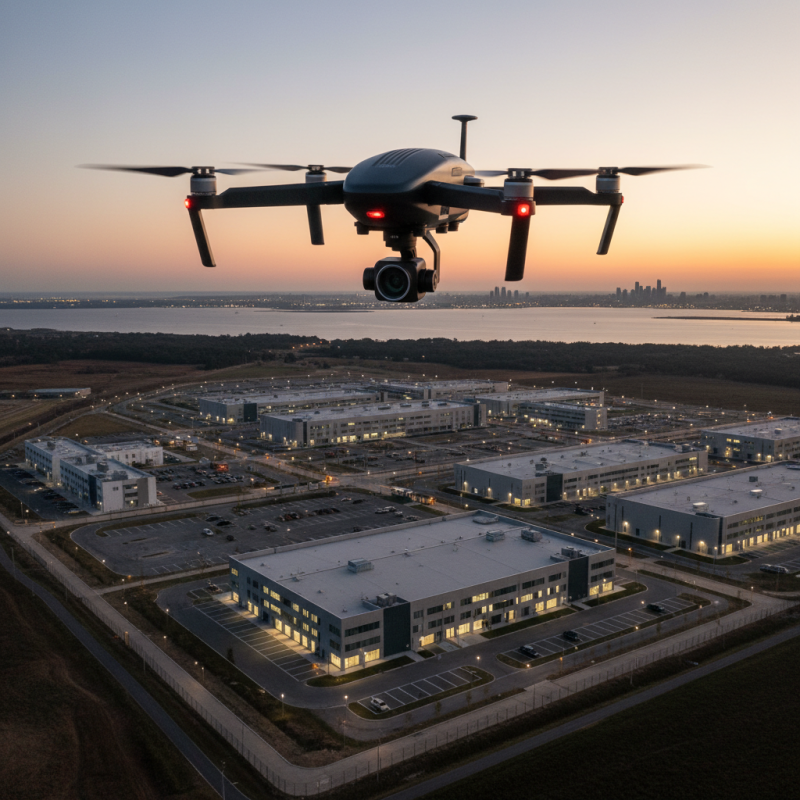
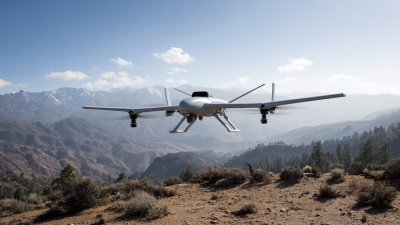
Surveillance drones have emerged as powerful tools for enhancing security. They offer real-time monitoring, which is crucial for immediate threat detection. An Ai Surveillance Drone can cover large areas quickly, providing a comprehensive view of environments that traditional methods cannot achieve. This allows security teams to respond faster to incidents.

These drones are equipped with high-definition cameras and advanced sensors. This technology captures detailed images, even in low-light conditions. Users can access live feeds from their smartphones, giving them peace of mind. The flexibility of drone deployment means they can be moved to different locations as needed, adapting to changing security requirements.

However, the integration of surveillance drones is not without challenges. Maintaining the technology requires specialized training. There can be a learning curve for operators, which might delay initial effectiveness. Privacy concerns also arise, necessitating clear policies and guidelines. Organizations must consider these factors to balance security benefits with ethical implications.

Comparative Analysis: Drones vs. Traditional Security Methods

Surveillance drones have emerged as a compelling alternative to traditional security methods. Unlike fixed cameras, drones provide flexibility. They can cover vast areas quickly. This capability makes them ideal for large properties or events. Traditional security often relies on human monitors, which can miss crucial details. A Drone Surveillance System is adept at capturing real-time footage, offering a more comprehensive view.

However, the technology is not without challenges. Weather conditions can disrupt drone performance. Additionally, operators must be trained to navigate these devices effectively. While drones enhance surveillance capabilities, they still demand human oversight. A blend of human and technology may yield the best results. The ease of deployment is a notable advantage. Drones can be set up rapidly, whereas traditional methods may require extensive infrastructure.

Despite their benefits, drones can raise privacy concerns. Misuse of footage could invade personal space. Organizations must implement strict guidelines to address these issues. Establishing protocols can enhance the reliability of a Drone Surveillance System. A thoughtful approach ensures that these tools contribute positively to security needs.

Key Features to Look for in Surveillance Drones

Why Choose Surveillance Drones for Your Security Needs?

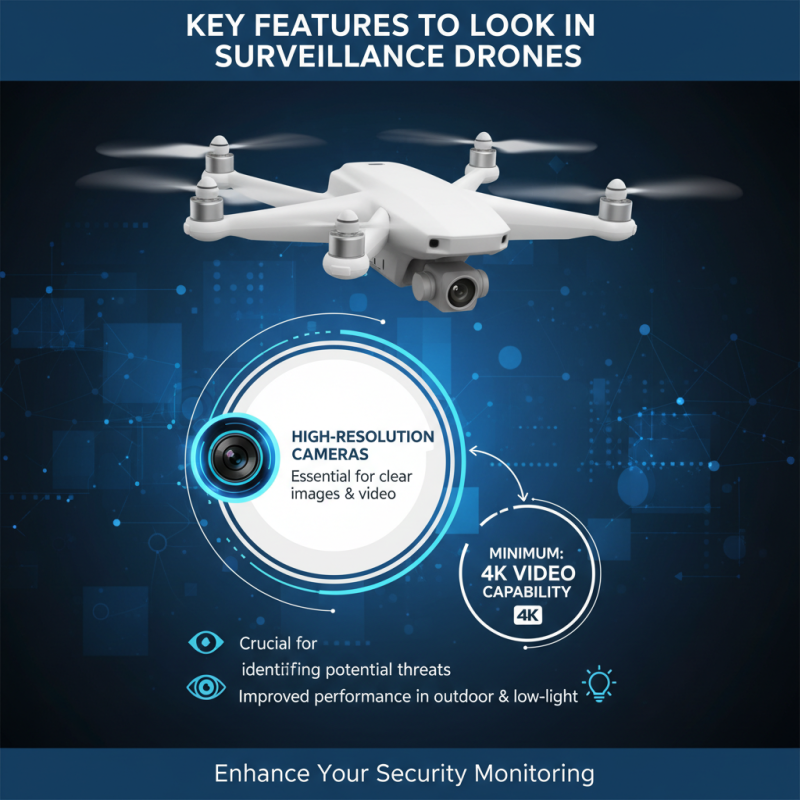
When selecting a surveillance drone, certain features are crucial for effective security monitoring. High-resolution cameras are essential. They provide clear images and video footage, crucial for identifying potential threats. Look for at least 4K video capability. This resolution makes a significant difference in outdoor or low-light conditions.

Stability is another important aspect. A drone equipped with advanced stabilization technology will perform better in windy conditions. This ensures the camera remains steady, capturing clear and usable footage. Battery life matters, too. A drone with a longer flight time allows for extended monitoring sessions, reducing the need for frequent recharges.

Tips: Always check the drone's range. A greater operating range gives you flexibility. Also, consider using drones with night vision capabilities. They can enhance security during nighttime operations. Remember, while camera quality is vital, so is ease of use. Choose a model that beginners can operate easily for quick deployment.

Keep in mind that technology can fail. Regular maintenance and software updates are essential. Review your drone's footage regularly. This helps to identify any areas for improvement in your security measures.

Application Areas for Surveillance Drones in Security

Surveillance drones have become essential tools in various security applications. In urban settings, they monitor large crowds during public events. These drones can provide real-time video feeds, enhancing situational awareness for law enforcement. Their ability to cover vast areas quickly makes them invaluable during emergencies.

Drones also play a critical role in perimeter surveillance for industrial sites. They inspect fences and monitor for unauthorized entry. Their thermal imaging capabilities detect movement even in low-light conditions. In rural areas, drones assist in agricultural security. They can identify unauthorized gatherings or potential threats to crops promptly.

While drones offer numerous advantages, challenges remain. Technical failures can lead to blind spots. Privacy concerns can spark debates over their use in public spaces. Addressing these issues is crucial for broader acceptance. Balancing security needs with respect for individuals is an ongoing conversation.

Potential Challenges and Solutions in Using Drones

Using surveillance drones can enhance security measures. Yet, challenges can arise. Understanding and addressing these obstacles is crucial for effective operation.

One challenge is regulatory compliance. Different regions have varying laws regarding drone usage. Failing to keep up with these regulations can lead to penalties. Stay informed about local laws to avoid complications.

Another issue involves privacy concerns. Using drones may unintentionally invade personal spaces. To navigate this, establish clear protocols. Communicate effectively with the community. Building trust fosters understanding about Drone Security Surveillance practices.

Lastly, technical failures can occur. Drones may experience battery issues or connectivity problems. Regular maintenance and testing are essential. Implement a schedule to check drone functionalities. This proactive approach ensures reliability in security operations.

Tips:
- Train staff on drone regulations.
- Create a communication plan with the community.
- Regularly inspect and maintain drone equipment.

Legal and Ethical Considerations for Surveillance Drone Use

The use of surveillance drones raises significant legal and ethical questions. As these devices gain popularity, compliance with local laws becomes paramount. Regulations often vary by jurisdiction, which can create confusion. Operators need to understand airspace restrictions and privacy laws. Ignorance is not an excuse. Failure to adhere can lead to serious repercussions.

Ethically, the implications of surveillance must be acknowledged. Drones, such as the Long Range Surveillance Drone, can inadvertently invade personal privacy. This creates a moral dilemma. How do we balance security needs with individuals' rights? Many people express concerns about constant monitoring. The fear of misuse looms large. Trust between the community and authorities is essential.

Looking through a practical lens, thoughtful implementation is required. Operators must consider transparency measures. Public awareness about drone usage can alleviate fears. Training for drone operators should emphasize ethical responsibilities. We can't overlook how these technologies shape societal norms. Engaging the community in conversations about surveillance can help build understanding.

Future Trends in Surveillance Drone Technology for Security

Why Choose Surveillance Drones for Your Security Needs?

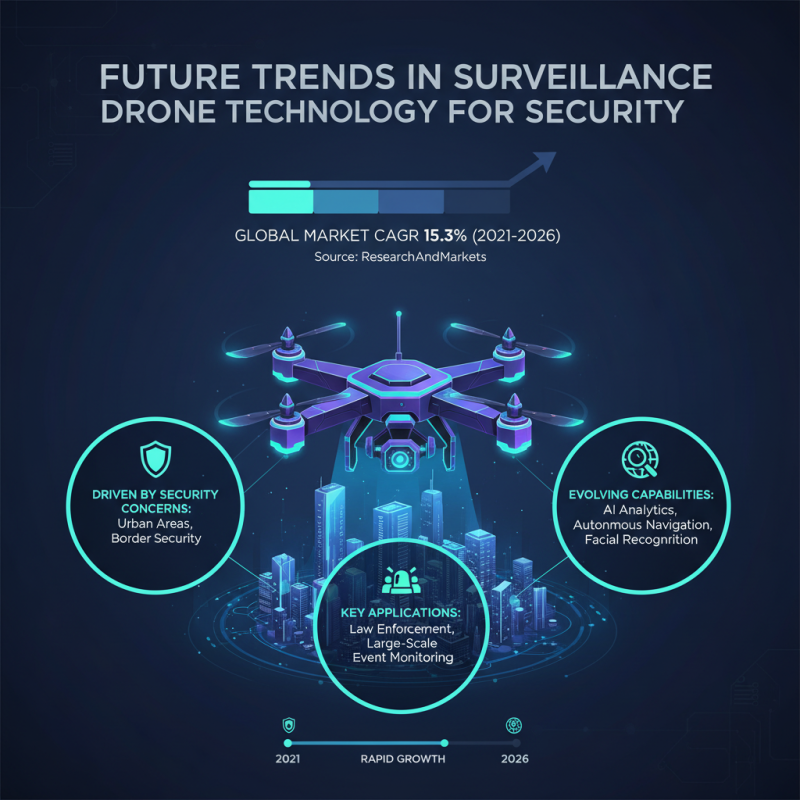
The future of surveillance drone technology is both promising and complex. According to a recent report by ResearchAndMarkets, the global surveillance drone market is projected to grow at a compound annual growth rate (CAGR) of 15.3% from 2021 to 2026. This rapid growth is driven by a surge in security concerns, particularly in urban areas. Drones have become essential tools for law enforcement, border security, and even large-scale event monitoring.

As technology advances, the capabilities of surveillance drones are expanding. New models now feature real-time data processing and advanced sensor technology, allowing for clear image capture, even in low-light conditions. A study by MarketsandMarkets emphasizes that the integration of artificial intelligence (AI) and machine learning is crucial for enhancing drone efficiency. However, not all organizations are ready to adopt these innovations. Challenges remain, from regulatory hurdles to privacy concerns that may impede growth.

Despite the advantages, there are reflections needed on the ethical implications of using surveillance drones. The balance between safety and invasion of privacy is delicate. In some cases, transparency in drone operations is lacking, raising suspicions among communities. As the market evolves, stakeholders must prioritize ethical considerations while harnessing technological advancements. This will ensure that the benefits of surveillance drones do not come at the cost of public trust.

The Essential Role of the SPD4 Waterproof Drone in Enhancing Water Rescue Operations

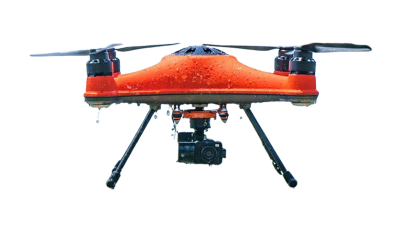
In emergency situations such as floods or natural disasters, effective rescue operations are vital for saving lives. The SPD4 waterproof drone plays an essential role in enhancing these water rescue efforts, providing immediate support where traditional methods may falter. Designed specifically for challenging environments, this drone is impervious to water and dust, making it an invaluable tool for conducting operations in adverse weather conditions.

The SPD4's innovative features ensure that it can take off, land, and navigate on water without risking damage to its electronic components. This capability is crucial for water search and rescue missions, as well as for surveying and monitoring operations that require functionality in rain or snowy conditions. Its corrosion-resistant design guarantees long-lasting performance, allowing rescue teams to focus on their mission without worrying about the reliability of their equipment. With the SPD4, responders can effectively monitor water bodies, assess the situation, and execute timely rescues, dramatically improving the chances of saving those in peril.

FAQS

: How do surveillance drones enhance public safety in large crowds?

: They provide real-time video feeds, improving situational awareness for law enforcement during events.

What are the thermal imaging benefits of surveillance drones?

Drones detect movement in low-light conditions, crucial for securing industrial sites and monitoring perimeters.

Why might people have concerns about surveillance drones?

The fear of constant monitoring and potential privacy invasions creates mistrust among community members.

How do legal regulations affect drone operators?

Operators must comply with local laws regarding airspace and privacy, or face serious repercussions for violations.

What ethical dilemmas are associated with drone surveillance?

Balancing security needs with individual rights is challenging, raising questions about privacy and misuse.

How important is public awareness in drone usage?

Educating the public about drone operations can help alleviate fears and build trust in the community.

What future trends are expected in surveillance drone technology?

Advanced sensors and AI integration will drive growth, enhancing efficiency and image quality in various conditions.

What challenges do organizations face with new drone technology?

Regulatory hurdles and privacy concerns may impede the adoption of advanced surveillance capabilities.

Why is transparency essential for drone operations?

Lack of transparency can lead to community suspicions, hindering trust between authorities and the public.

How can the ethical considerations in drone use be prioritized?

Engaging communities in conversations about surveillance can help balance technological benefits with public trust.

Conclusion

Surveillance drones have emerged as a powerful tool for enhancing security measures across various sectors. Their ability to cover large areas quickly and provide real-time data significantly outperforms traditional security methods, such as static cameras and human patrols. Key features to look for in surveillance drones include high-resolution cameras, thermal imaging capabilities, and automated flight patterns, which can adapt to different environments and scenarios.

However, the use of surveillance drones is not without challenges. Issues such as privacy concerns and potential regulatory obstacles must be addressed through ethical considerations and clear legal frameworks. As technology evolves, we can anticipate future trends that will further enhance the effectiveness and integration of surveillance drones in security strategies, ultimately revolutionizing how we approach safety and surveillance.
Lucas

Lucas

Lucas is a dedicated marketing professional at Space Innovation Co., Ltd., a leading player in the drone industry based in Shenzhen for over a decade. With a deep technical understanding of unmanned aerial vehicles (UAVs) and drone accessories, he plays a pivotal role in bridging the gap between......
Previous How to Choose the Best Drone Kit for Your Needs?