Leave Your Message
0%

In today’s fast-changing business world, companies are always on the lookout for smarter ways to boost efficiency and get more done. One trend that’s been catching on lately is the Industrial Drone. These high-tech flying machines are really changing the game across different fields—from farming to construction. They can quickly gather data and handle tasks that used to take forever and needed lots of manual effort.

What makes Industrial Drones so effective is their precision and flexibility. For example, you can do aerial surveys in just a few minutes, giving you real-time info that helps businesses make smarter choices. Companies like SkyTech Innovations have jumped onboard and are using these drones to streamline their operations. But, it’s not all smooth sailing—adopting this tech requires a good understanding of the challenges involved.

There are definitely hurdles, like making sure you’re following all the regulations and training staff properly. Not every company is ready to dive headfirst into this new tech just yet. Thinking through these aspects can really help organizations figure out the best way to bring Industrial Drones into their workflows. Overall, taking the time to carefully plan will make the whole process go much more smoothly—and lead to better results.
Why Choose Industrial Drones for Your Business Needs?

Benefits of Industrial Drones in Data Collection and Analysis

Why Choose Industrial Drones for Your Business Needs?

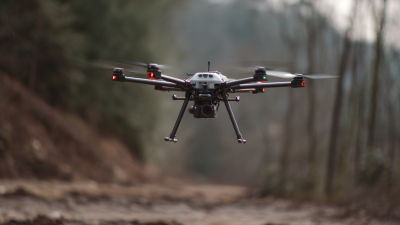
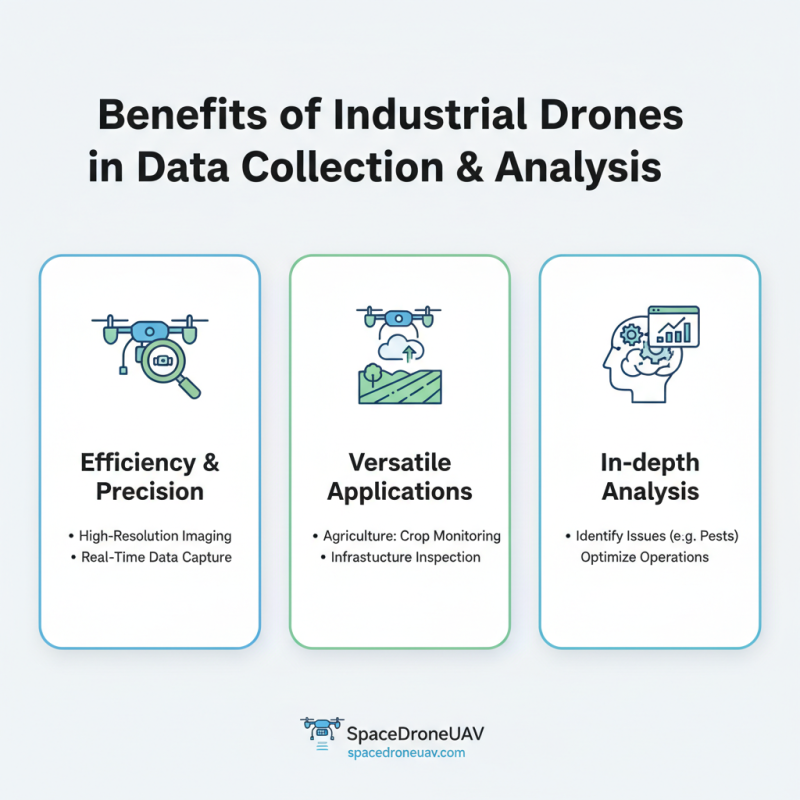
Industrial drones are revolutionizing data collection across various industries. These advanced tools, particularly the Industrial Quadcopter Drone, offer unparalleled efficiency and precision. They can capture high-resolution images and data in real time, which is critical for monitoring large areas quickly. For instance, in agriculture, drones can assess crop health and identify issues like irrigation problems or pest infestations.

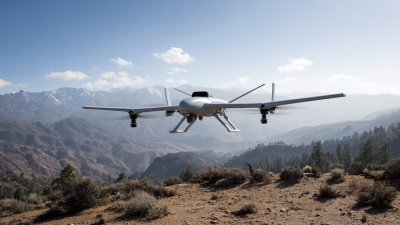
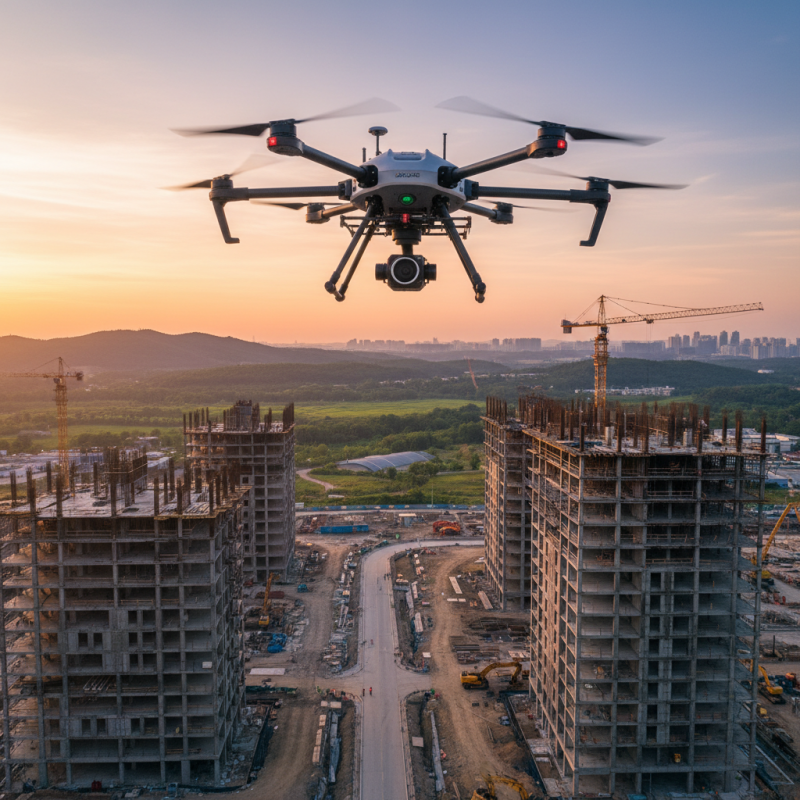
The ability to conduct aerial surveys and gather data from otherwise inaccessible locations is a game changer. Drones are not limited by terrain, making them ideal for construction sites, forests, and remote areas. With sophisticated sensors, they can analyze environmental conditions and provide insights that guide decision-making. However, there remains a learning curve associated with drone technology. Businesses must address challenges like data management and interpretation skills.

Another vital aspect is the accuracy of the data collected. While drones can minimize human error, results can vary based on conditions and equipment used. This highlights the importance of proper training and integrated systems. Businesses must invest in understanding how to maximize the benefits of the Industrial Quadcopter Drone. Adopting this technology is not just about acquiring tools but also about enhancing skills and adapting to new data landscapes.

Cost Efficiency: Reducing Operational Expenses with Drones

Industrial drones are revolutionizing how businesses manage operations. Their ability to perform various tasks can lead to significant cost savings. For instance, aerial surveys and inspections can be conducted faster than traditional methods. This efficiency directly reduces labor costs and project timelines.

Implementing drones can also minimize the need for heavy equipment. In agriculture, drones can monitor crop health without the expense of machinery. The precision they offer allows for targeted interventions, resulting in less waste. Moreover, drones can access hard-to-reach areas, which can save both time and money.

However, the initial investment in drone technology may seem substantial. Not every business may be ready to adopt this technology fully. There are considerations regarding training and maintenance. Companies must evaluate their specific needs before making the leap. Embracing this change requires thoughtful planning and a willingness to adapt.

Enhancing Safety: Minimizing Risks in Hazardous Environments

Industrial drones are revolutionizing safety in hazardous environments. They can access hard-to-reach areas without putting human lives at risk. Think about a construction site with unstable structures. Instead of sending workers into danger, drones can survey the scene. This use of technology minimizes accidents and injuries effectively.

Employing drones also reduces the exposure of workers to hazardous materials. For example, in factories with chemicals, drones can conduct inspections from a safe distance. They gather data quickly, ensuring timely intervention when necessary. But, not all drone operations are seamless. Technical malfunctions can occur, leading to setbacks. This reality emphasizes the need for thorough training and maintenance to ensure reliability.

While drones enhance safety, they also demand a reflective approach. Companies must evaluate their drone strategies regularly. Are these tools improving safety as intended? Gathering feedback from workers on the ground can provide valuable insights. This acknowledgment of flaws can drive better practices and ensure that drone usage aligns with safety goals.

Improving Project Timelines: Faster Surveying and Monitoring

Industrial drones are revolutionizing project timelines in various sectors. Utilizing advanced technology, these drones enable faster surveying and monitoring. For instance, a construction site can be assessed in hours instead of days. This efficiency helps project managers to make timely decisions.

With tools such as Drone Rc Drone, teams can quickly gather accurate data. High-resolution images and real-time video feeds allow for precise evaluations. However, reliance on technology can lead to overconfidence. Teams may neglect traditional methods of verification, resulting in potential oversights. Balancing drone data with on-the-ground assessments is crucial.

Moreover, training personnel to operate drones effectively also poses challenges. Inadequate training can lead to mishaps, which may delay projects. Organizations must ensure their staff are well-versed in drone technology. Collaboration between drone operators and project leaders enhances overall effectiveness. Adopting this blend of technology and human insight will refine project outcomes.

Precision Agriculture: The Role of Drones in Crop Management

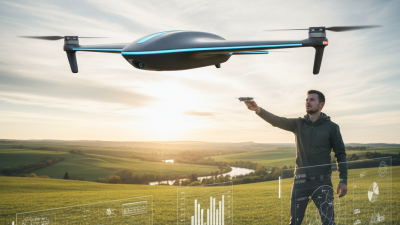
Drones have revolutionized precision agriculture, transforming how farmers manage crops. These devices provide real-time aerial imagery. This helps farmers monitor plant health effectively. By analyzing data from drone flights, farmers can detect issues early. This includes pest infestations and soil deficiencies. Timely interventions can save resources and boost yields.

Farmers use drones for precise mapping. This enables accurate assessments of crop growth stages. Drones can also assist in targeted spraying. This reduces chemical usage and minimizes environmental impact. However, not all crops respond the same way to drone-assisted management. Frustrations may arise when results aren’t as expected. It's essential to adapt drone strategies based on specific crop needs.

Some farmers might overlook the learning curve associated with drone technology. Understanding how to operate these devices is vital but challenging. Incorporating drones like the Sar Drone, which is primarily used for search and rescue, can enhance emergency responses on farms. However, challenges in navigating regulations and operational principles remain. Continuous education and training are key to overcoming such hurdles.

Regulatory Compliance: Navigating Drone Usage in Industrial Sectors

Why Choose Industrial Drones for Your Business Needs?

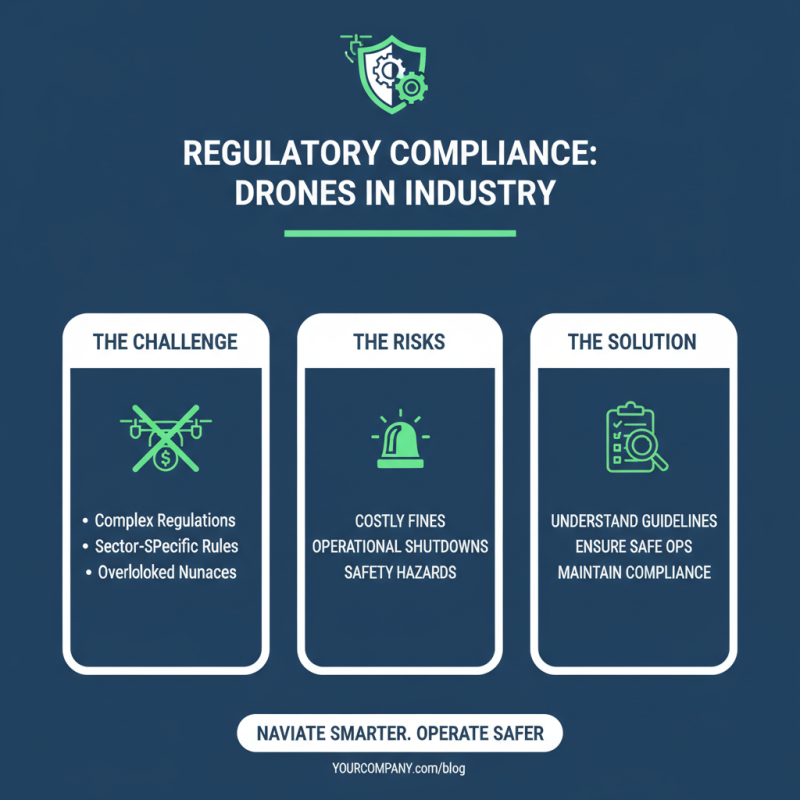
Navigating the regulatory landscape is crucial for businesses adopting industrial drones. Each sector may have specific guidelines. Understanding these rules ensures safe and compliant operations. Many companies overlook the nuances in regulations. This can lead to costly fines or even operational shutdowns.

In numerous regions, proper licensing is required before drone usage. Companies must also ensure pilots are trained and certified. This emphasizes the importance of ongoing education. Regulations can change frequently, making it vital to stay informed. Regularly consulting legal experts can provide guidance. They can offer insights into evolving drone laws.

Moreover, industries such as construction and agriculture face unique compliance challenges. Site assessments may require detailed reporting. Failing to document operations accurately can lead to severe penalties. Thus, businesses must implement robust tracking and reporting systems. This proactive approach can help mitigate risks associated with non-compliance and foster a culture of accountability.

Market Growth: Trends and Projections for the Drone Industry in 2023

The drone industry is witnessing remarkable growth in 2023. New trends indicate increased adoption across various sectors. Businesses are exploring these unmanned aerial vehicles for enhanced efficiency. The need for accurate data collection is driving demand. More companies are investing in Drone Kits for customized solutions.

Projections suggest a significant rise in market value. Government regulations are easing for commercial applications. Industries like agriculture, construction, and logistics have found new uses for drones. Aerial inspections and crop monitoring are common now. However, challenges remain. The learning curve can be steep for new users. Integrating drone kits into existing workflows is often complex.

The importance of training cannot be overlooked. Skilled operators are essential for maximizing drone capabilities. As the technology improves, expectations grow. Drones are expected to be faster and more reliable. Investing in quality drone kits is crucial. Companies need to ensure their equipment can meet future demands. The drone industry's evolution is exciting yet demanding.

Innovative Solutions for High-Rise Building Maintenance: The Cleaning Drone SCL30 Revolutionizing Exterior Upkeep

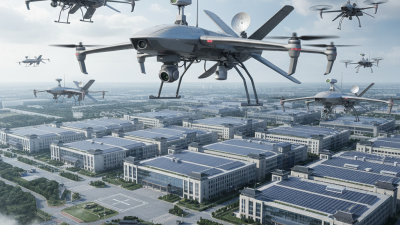
The introduction of cleaning drones, specifically designed for high-rise building maintenance, marks a significant advance in the way exterior upkeep is performed. Unlike traditional manual cleaning methods, these innovative unmanned aerial vehicles (UAVs) present a safer and more eco-friendly alternative. Their design enables them to efficiently access hard-to-reach areas, such as the towering facades of skyscrapers and intricately designed architectural structures, which are typically hazardous for human cleaners.

These cleaning drones stand out for their competitive pricing and superior performance, making them an attractive option for building maintenance services. Each unit undergoes rigorous testing to ensure reliability and efficacy before reaching the market, guaranteeing that customers receive high-quality products. Furthermore, customization options for OEM and ODM orders cater to specific needs, allowing businesses to tailor solutions that fit their unique requirements. The combination of efficiency, safety, and adaptability positions cleaning drones as a revolutionary tool in the realm of exterior maintenance for modern architecture.

FAQS

: How do drones reduce operational costs?

: Drones perform tasks faster than traditional methods, leading to reduced labor costs and shorter project timelines.

What benefits do drones offer in agriculture?

They monitor crop health precisely, reducing machinery expenses and minimizing waste through targeted interventions.

Are there challenges with adopting drone technology?

Yes, the initial investment is high, and companies must consider training and maintenance before fully adopting drones.

How do drones improve project timelines?

Drones can assess construction sites in hours, allowing project managers to make quicker decisions than conventional methods.

What risks come with relying solely on drone data?

Overconfidence in technology may lead teams to overlook traditional verification methods, resulting in potential oversights.

Why is training important for drone operators?

Inadequate training can lead to accidents, which may delay projects. Proper training is essential for effective drone use.

What is a key regulatory consideration for drone users?

Companies must understand specific guidelines for their sector to avoid fines and ensure safe operations.

How often do drone regulations change?

Regulations can change frequently, so staying informed and consulting legal experts is crucial for compliance.

What documentation is necessary when using drones?

Accurate reporting and tracking systems are vital to avoid penalties and ensure accountability in operations.

What may hinder the successful integration of drones in businesses?

Companies may struggle with the initial investment and need to plan thoughtfully to adapt to this technology.

Conclusion

Industrial drones offer a multitude of benefits that can significantly enhance business operations across various sectors. They excel in data collection and analysis, providing high accuracy and efficiency that aid in informed decision-making. By reducing operational costs, these drones improve cost efficiency while minimizing risks in hazardous environments, thus enhancing safety for workers. Additionally, they facilitate faster surveying and monitoring processes, which in turn helps improve project timelines.

In the agricultural sector, industrial drones play a crucial role in precision agriculture, allowing for effective crop management and monitoring. As industries increasingly adopt drone technology, navigating regulatory compliance becomes essential to ensure safe and legal operations. With the drone industry projected to grow significantly in 2023, companies can leverage these advancements to stay competitive and innovative in their respective fields.
Alyssa

Alyssa

Alyssa is a dedicated marketing professional at Space Innovation Co., Ltd., a pioneering company in the drone industry based in Shenzhen. With over a decade of experience in research and development, manufacturing, and sales of unmanned aerial vehicles (UAVs) and drone accessories, she possesses an......
Previous How to Choose the Right OEM Custom Drone FPV Kit Suppliers for Your Needs?