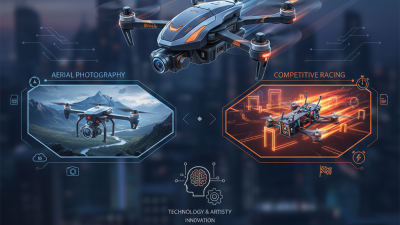
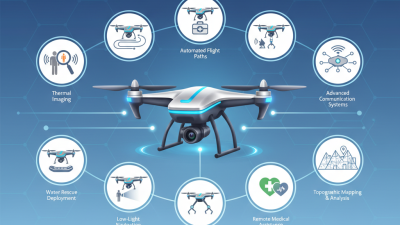
FPV drones, like the ones you can check out [here](https://www.spacedroneuav.com/fpv-drone-1), give you this wild new way to see the world—kind of like viewing adventures from a whole new perspective. When you’re up in the sky, it’s hard not to feel this incredible rush of freedom, right? Every flight is a little different, with its own set of challenges and surprises that keep things exciting. But honestly, a lot of folks don’t really talk about how tricky it can be to learn how to fly one at first.
These drones are seriously immersive—they let you capture stunning shots from angles you'd probably never even think of. Sure, crashes and slips happen from time to time, but the real thrill is in getting better at control and nailing those flights. With an FPV drone, you can explore big open landscapes or buzzing city streets, creating memories that stick with you.
Of course, since tech is moving so fast these days, picking the right drone can feel a bit overwhelming. Doing your homework—reading reviews, checking out trusted brands—is super important if you wanna avoid headaches and get something reliable. Ultimately, starting with an FPV drone can lead you to some pretty amazing adventures and totally new ways of seeing the world.
Why FPV Drones Enhance Aerial Adventure Experiences
FPV drones are revolutionizing aerial adventures by providing an immersive experience that traditional drones cannot match. With the ability to see the world from a pilot's perspective, FPV drones enhance thrill-seeking while capturing stunning visuals. The sensation of flying through the air creates an adrenaline rush. This unique viewpoint makes every flight an adventure, whether you're racing through forests or gliding above landscapes.
When flying FPV, it’s important to stay safe and aware. Always check the weather before heading out. Windy days can complicate control. Beginners should practice in open, safe areas to gain confidence. Even experienced pilots can face challenges. Obstacles can be hidden in unexpected places, so maintaining focus is key.
Consider investing some time into learning about your drone's controls and settings. Adjusting camera angles can significantly change your viewing experience. Experiment with different flight paths for varied footage. Remember, the thrill is in the flight. Embrace the mistakes and learn from each flight experience, as they only add to your adventure. Keep refining your skills. That way, each adventure becomes more rewarding than the last.
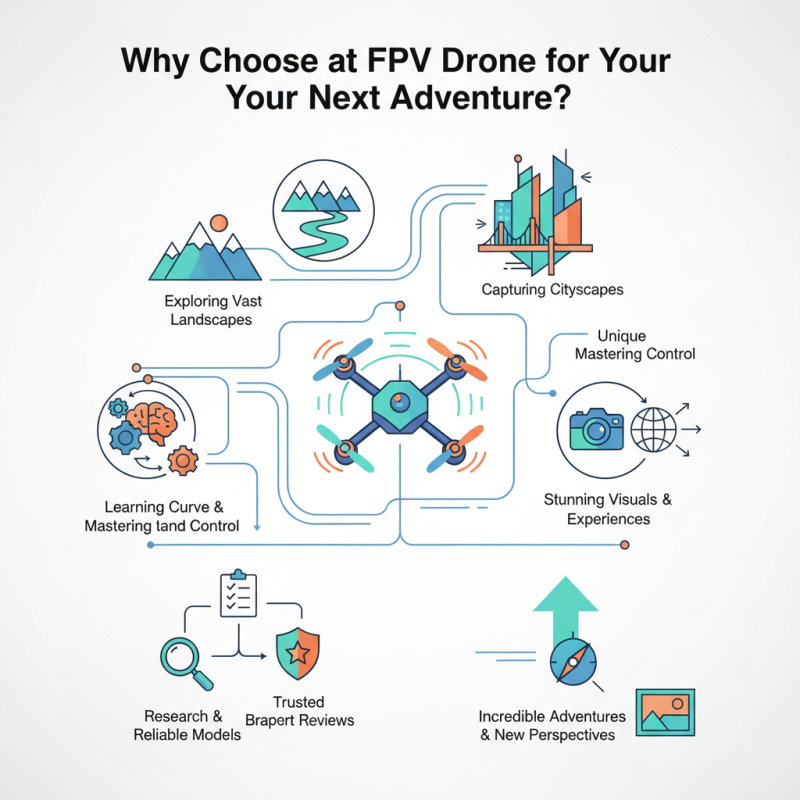
Why Choose an FPV Drone for Your Next Adventure?
This chart illustrates the key benefits of using FPV drones during aerial adventure experiences. The data represents how adventurers perceive the enhancement of their experience through various aspects such as thrill, accessibility, and engagement.
Comparative Analysis: FPV Drones vs. Traditional Drones
FPV (First Person View) drones offer a unique flying experience compared to traditional drones. While traditional drones typically feature a bird’s-eye view, FPV drones immerse the pilot in the flight, providing a real-time video feed. According to a recent industry report, the global FPV drone market is expected to grow by 18.5% annually. This growth highlights the increasing demand for immersive and engaging experiences in drone technology.
The advantages of FPV drones come with challenges. Their speed and agility can be intimidating for beginners. Compared to traditional drones, which often emphasize stability, FPV drones require hours of practice. Data shows that more than 60% of FPV pilots report initial difficulties in controlling their devices. However, dedicated training can lead to increased skill and enjoyment.
Tips for beginners: start with simulated training environments. These offer a safe way to learn without risking damage. Focus on mastering basic maneuvers before attempting complex aerial tricks. Remember, patience is essential. Enjoy the learning process, and don’t rush progress. The more you practice, the more natural flying will become.
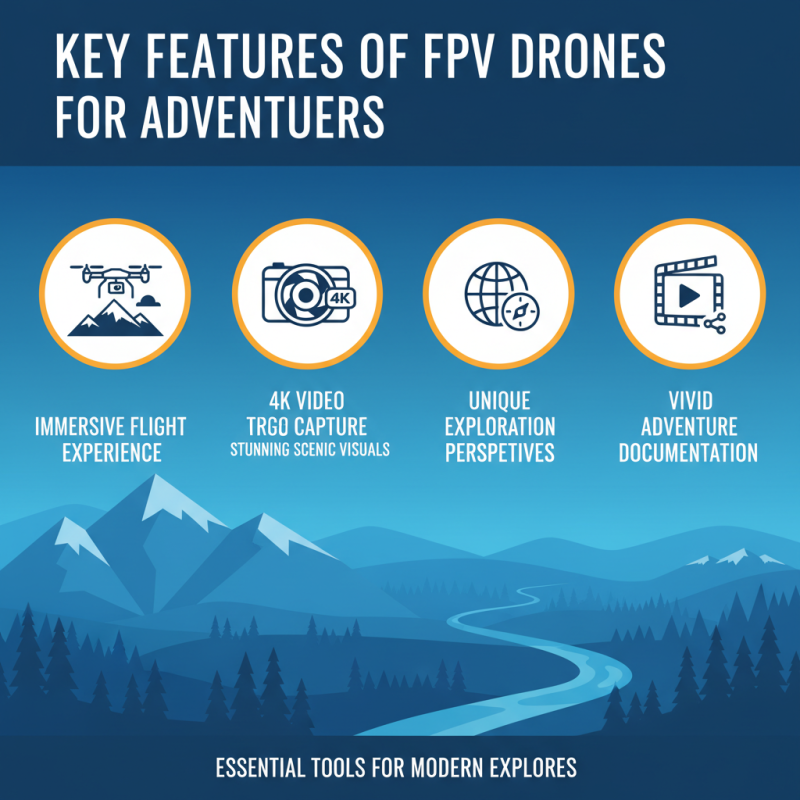
Key Features of FPV Drones for Adventurers
FPV drones are becoming essential tools for adventurers. They offer unique perspectives on exploration. The immersive experience is unmatched. Flying with a 4k Fpv Drone lets users capture stunning visuals of scenic landscapes. High-definition video feeds enhance every journey. This technology helps adventurers document their exploits more vividly.
One major feature is low-latency video transmission. This allows real-time viewing of footage as it’s captured. Studies indicate that drones with advanced transmission systems can reduce latency to under 20 milliseconds. This benefit is crucial for navigating difficult terrains. Additionally, most FPV drones are built to withstand tough conditions. From wind to moisture, they are designed for durability. However, flying in extreme conditions can expose weaknesses. Pilots must often adjust settings for weather variations.
Battery life presents another challenge. Many FPV drones offer around 20-30 minutes of flight time. While this is sufficient for short trips, longer excursions require spare batteries. A deeper understanding of power management is vital for experienced users. Ultimately, the journey with an FPV drone is as much about mastery as it is about adventure. Capturing breathtaking moments while learning to navigate complex technology creates a rewarding experience.
The Role of FPV Technology in Real-Time Navigation
FPV (First-Person View) drones have transformed the way we experience flight. With real-time navigation, these drones offer an immersive perspective that traditional drones cannot match. Pilots wear goggles that deliver a live feed from the drone's camera. This makes it feel like they are soaring through the air. Such technology is not just fun; it enhances navigation accuracy.
Navigating through challenging environments is now easier with FPV technology. The clear visuals help pilots dodge obstacles and capture stunning landscapes. This experience is not without challenges, though. Signal loss or interference can lead to sudden drop-offs in the flight path. Users must remain vigilant and prepared for unpredictable situations. Planning the route ahead of time can help mitigate some risks.
While the thrill of flying an FPV drone is undeniable, it comes with a learning curve. Understanding how to react quickly during unexpected occurrences is crucial. Continuous practice leads to better control and smoother navigation. Many pilots learn from their mistakes, refining their skills over time. Embracing these challenges can lead to rewarding adventures in the skies.
Safety and Regulations: Flying FPV Drones Responsibly
Flying FPV drones offers excitement, but it requires responsibility.
Safety is paramount when navigating the skies. According to the Federal Aviation Administration (FAA), in 2020, the number of registered drones in the U.S. exceeded 1.7 million. This growth has intensified the need for clear regulations. Operators must comply with local laws to ensure safe flying experiences.
Understanding airspace classification is vital. FPV drone users should avoid no-fly zones, such as near airports and crowded areas. The FAA emphasizes that drone operators can only fly their crafts within visual line of sight. This guideline can affect adventure plans, as it limits distances. Safety is everyone's responsibility; disobeying these regulations can lead to costly fines or dangerous situations.
Moreover, safety precautions include pre-flight checks. Always inspect your Drone Rc Fpv before launching. Ensure all components are secure. Weather conditions should also be assessed; flying in strong winds or rain increases risks. Setbacks may arise, but responsible flying ensures longer-lasting enjoyment. Drones are fun, but safety must always come first.
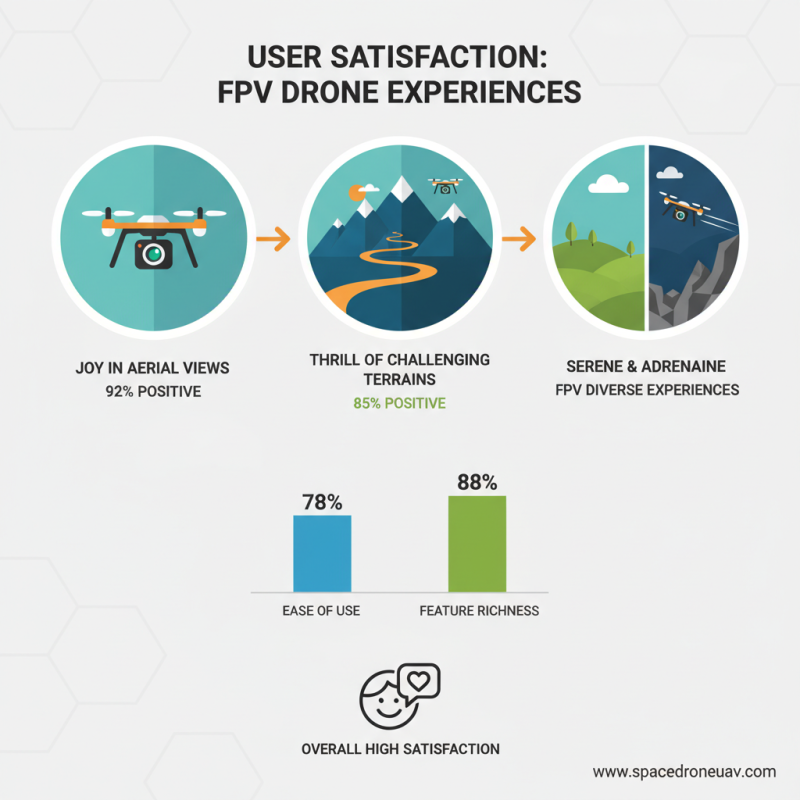
User Satisfaction: Survey Data on FPV Drone Experiences
User satisfaction surveys reveal fascinating insights into FPV drone experiences. Many users express joy in capturing breathtaking aerial views. A high percentage of respondents noted the thrill of navigating their Rc Fpv Drone through challenging terrains. These experiences range from serene landscapes to adrenaline-packed moments.
However, not every flight goes smoothly. Issues like signal loss and battery life can hinder experiences. Users have reported frustration when their drone unexpectedly loses connection or when batteries drain faster than anticipated. These hiccups can be disheartening, but they also encourage pilots to improve their skills.
In addition to challenges, many enthusiasts find community support invaluable. Online forums and local clubs provide advice and troubleshooting tips. Users often share strategies for enhancing performance and extending flight time. This collective knowledge builds a sense of camaraderie among FPV pilots, turning challenges into shared learning experiences.
Future Trends in FPV Drone Technology for Explorers
Advancements in FPV drone technology have significantly transformed the exploration experience. The latest reports reveal a growing market, expected to reach $2.5 billion by 2026. This growth reflects a broader interest among adventurers looking for immersive aerial perspectives. High-definition cameras and real-time streaming are now standard features. These capabilities enhance the thrill of discovery. Fpv Duo Drone models, equipped with dual cameras, capture diverse angles, making every adventure unforgettable.
Battery life is another critical factor. Many modern FPV drones offer flight times exceeding 30 minutes. However, these advancements do come with challenges. Pilots must manage battery health and understand the need for regular maintenance. Data shows that 20% of drone users face issues with battery longevity. Proper care can significantly improve performance. Thus, knowledgeable users stay ahead.
Emerging technologies like artificial intelligence are also shaping FPV drones. AI can assist in navigation, obstacle detection, and even automated filming. As promising as these developments sound, they are not foolproof. Drones may fail to recognize unexpected obstacles, leading to potential accidents. Therefore, continuous learning about drone behavior and technology is essential for explorers. Embracing these innovations can elevate the adventure while ensuring safety and reliability in the skies.
FAQS
: FPV drones offer unique perspectives and immersive experiences during exploration.
It allows real-time viewing, crucial for navigating difficult terrains.
Many FPV drones offer about 20-30 minutes of flight time.
Spare batteries are necessary for extended trips.
Signal loss and battery issues can hinder flight experiences.
Community support through forums and clubs offers advice and tips.
Wind and moisture can expose weaknesses in drone durability.
It helps extend flight time and enhance overall flying experience.
Frustration can arise from issues, but it prompts skill improvement.
Sharing strategies and experiences in the community strengthens connections.
Conclusion
FPV drones have revolutionized the way adventurers experience aerial exploration, offering immersive perspectives and enhanced navigation capabilities. Unlike traditional drones, FPV drones provide real-time video feeds, allowing pilots to navigate challenging terrains with precision and excitement. Their key features, such as agility and responsiveness, make them perfect for those seeking an adrenaline-filled experience in remote locations.
Moreover, responsible flying practices and adherence to safety regulations are crucial for ensuring the enjoyment of FPV drone enthusiasts. Survey data indicates high user satisfaction, highlighting the growing popularity of FPV technology among explorers. As advancements continue to be made in FPV drone technology, the future holds promising trends that will further enrich aerial adventures, making it an ideal choice for thrill-seekers and hobbyists alike.