Lately, there's been a real surge in demand for custom rescue drones—it's pretty impressive. According to a report from Drone Industry Insights, the global market for these rescue drones is expected to grow at nearly 30% annually, and by 2025, it could hit around 1.5 billion dollars. These drones are actually pretty game-changing in emergency situations—they provide crucial aerial views and quick help when seconds count. As industry expert Dr. Emily Carter puts it, 'The right ODM rescue drone can really boost efficiency during rescue missions.'
Choosing a supplier that offers custom ODM rescue drones isn’t just a minor detail—it’s a big deal, especially when you're dealing with disaster response, search and rescue tasks, or even SAR drone applications. Off-the-shelf options can often fall short because they don’t quite match specific operational needs. Going for a tailored setup, on the other hand, can mean better flight times, higher payload capacity, and stronger data transmission—basically, it makes a huge difference when lives are on the line. So, investing in a customized solution can really pay off.
That said, it’s worth noting that not all suppliers are created equal. Some products might not be as reliable or innovative as you'd hope. So, doing your homework—researching options and chatting with experts—is absolutely key before making a choice. Sure, balancing cost and quality can be tricky, but making the right call can lead to far better outcomes when every second matters in saving lives.
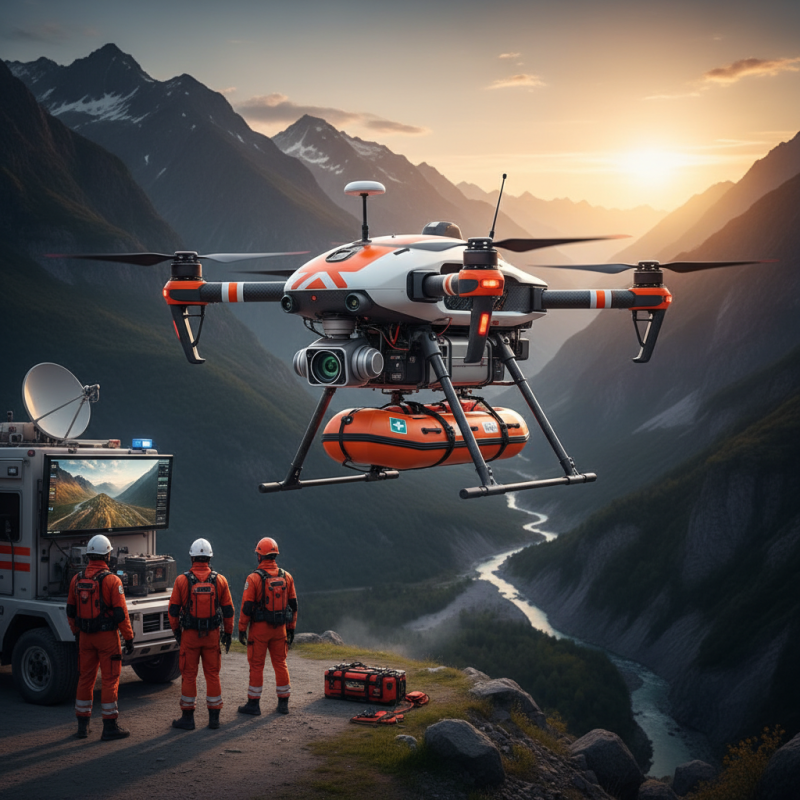
Understanding the Role of ODM in Drone Manufacturing
In the rapidly evolving landscape of drone technology, the role of ODM (Original Design Manufacturer) is critical. ODM suppliers specialize in designing and manufacturing customized
Rescue Drones tailored to specific needs. This specialization allows for innovative designs that enhance operational efficiency.
When selecting a rescue drone, factors like payload capacity, flight duration, and features are vital. ODMs work closely with clients, often leading to better outcomes than off-the-shelf products.
Outsourcing to an ODM can bridge the gap between generic models and specific requirements. Many clients initially seek standard solutions but later realize the need for unique functionalities. For instance, a rescue drone could require specific sensors for different environments. An experienced ODM can deliver these customizations efficiently.
However, there can be challenges in communication and expectations. Some clients may not fully articulate their needs, leading to mismatched designs.
Ultimately, the relationship between the client and the ODM is essential. A reliable ODM should not only focus on manufacturing but also on understanding and adapting to client needs. While the advantages are significant, potential pitfalls exist.
Navigating these complexities is crucial in the pursuit of an effective rescue drone solution.
Advantages of Choosing Custom ODM Rescue Drones
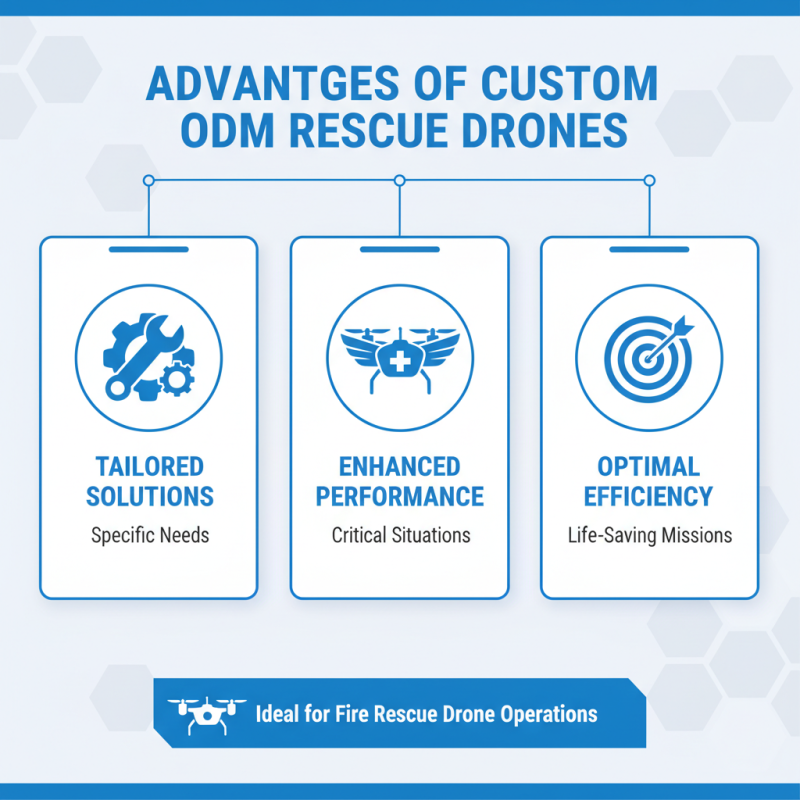
Custom ODM rescue drones offer tailored solutions for specific needs. These drones are designed with unique specifications that enhance their performance in critical situations. When looking for Fire Rescue Drone options, having a customized product means you can align the drone’s features with your operational requirements. This ensures that you get the most efficient technology available for life-saving missions.
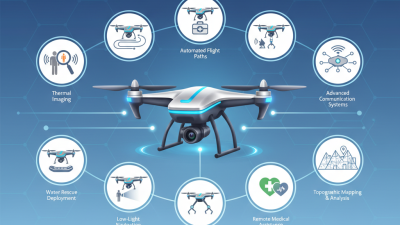
Choosing a custom ODM supplier gives you the advantage of flexibility. You can request specific payload capacities, sensor types, and flight durations. This level of customization allows rescue teams to have drones that meet the exact challenges they face. For instance, if a specific area is prone to forest fires, outfitting your drone with advanced thermal imaging can significantly improve operational effectiveness.
Tip: Always assess the supplier's experience in the rescue drone market. Look for their past projects and client feedback. This can indicate how reliable their products will be in real-world scenarios.
Custom drones can sometimes require longer lead times. Planning ahead is essential to integrate them into your operations smoothly. If you have existing drones, evaluate how new technologies from ODM suppliers can enhance your current fleet. A thoughtful reflection on your needs will empower you to make informed choices.
Key Features to Look for in ODM Drone Suppliers
When selecting ODM rescue drone suppliers, it's essential to focus on specific features. Reliability is key in rescue operations. Ensure that the drones have robust flight capabilities, even in harsh weather. Look for drones with high-quality imaging systems. These systems provide clear visuals for effective situational assessments. Drones with real-time data transmission can also enhance decision-making during emergencies.
Another important feature is customization. An ideal supplier should offer tailored solutions, adapting drones to your unique needs. This customization can involve modifying payload capacities or integrating specific sensors. Suppliers with a proven track record in emergency scenarios demonstrate their commitment to quality. Check for their experience in various rescue missions. This experience can significantly influence the performance of their drones.
Lastly, support and maintenance services matter. A reliable supplier should provide ongoing technical support. This includes regular maintenance and software updates. Assessing reviews and testimonials can offer insights into their credibility. Focus on their response times and problem-solving capabilities. These aspects reflect a supplier’s dedication to ensuring operational efficiency.
Evaluating Supplier Capabilities and Experience
When considering custom ODM rescue drone suppliers, evaluating their capabilities and experience is crucial. First, look at their design expertise. A strong track record in creating innovative drone solutions speaks volumes. Suppliers should demonstrate their ability to customize features based on specific rescue needs. Assess their production process, too. Efficient manufacturing ensures timely delivery, critical in emergencies.
Experience matters significantly. Suppliers with years in the industry understand challenges. They've likely navigated various terrains and situations. Check their portfolio for past projects. Look for case studies highlighting successful rescue missions. This provides insight into their problem-solving skills and reliability. A seasoned supplier will have feedback from real-world scenarios, reflecting their adaptability.
Communication is key in these partnerships. Suppliers should be transparent about their process and timelines. They should welcome questions, showcasing their expertise. If a supplier hesitates to share information, it may raise flags. Also, consider their support system. Robust post-sale support ensures drones operate efficiently when needed. This combination of experience, capability, and communication can lead to fruitful collaborations, securing better outcomes for rescue operations.
Importance of Customization in Rescue Drones
Customization plays a vital role in the development of rescue drones. When facing emergencies, situations can vary greatly. A one-size-fits-all approach often fails to meet unique needs. Custom ODM rescue drones can be designed to adapt to specific operational environments. For instance, a Maritime Rescue Drone must withstand harsh sea conditions. Standard drones may struggle with water resistance and navigation.
Consider the technology involved in creating these specialized drones. Enhanced sensors, improved communication systems, and tailored payload capacities are essential. Customization allows for the integration of tools specific to maritime rescue, such as thermal imaging and life-saving equipment. These features are crucial in time-sensitive scenarios. However, customizing drones can also pose challenges. It requires a deep understanding of both user requirements and technological capabilities.
Collaboration with experienced suppliers ensures that their expertise aligns with your mission goals. Quality assurance must be prioritized during the design process. Relying on experienced ODM partners can enhance reliability and performance. However, it’s essential to critically evaluate the end product. Will the drone perform as expected in real-world situations? Customization should not compromise reliability. Hence, balancing innovation with practicality is crucial for effective rescue operations.
Rescue Drone Customization Needs
This chart compares the various performance metrics of standard and custom ODM (Original Design Manufacturer) rescue drones. The first bar for each category represents the features of standard drones, while the second bar shows the enhanced capabilities achievable through customization.
Cost Benefits of Partnering with ODM Suppliers
Choosing a custom ODM rescue drone supplier can lead to substantial cost savings. By partnering with these specialized manufacturers, you can reduce initial investment costs. Customize drones tailored to specific rescue needs. This approach eliminates unnecessary features, making it more efficient.
Many factors contribute to cost benefits. ODM suppliers often have experience in the industry. They understand the nuances of drone technology and its application in rescue missions. With their expertise, you gain access to innovative designs. This can enhance performance while minimizing development costs.
Involvement with ODM suppliers might present challenges. The process can be complex and requires clear communication. You must articulate your needs effectively. This can sometimes lead to misunderstandings or delays. However, the long-term financial gains are often worth the effort.
Future Trends in ODM Drone Development and Technology
The landscape of ODM rescue drone technology is rapidly evolving.
Custom ODM rescue drone suppliers are increasingly pivotal in shaping future developments. According to a recent industry report,
the global drone market is projected to reach $43 billion by 2025,
with a significant portion earmarked for search and rescue applications. This statistic underscores the growing reliance
on advanced aerial technology in emergency situations.
Emerging trends reveal that the integration of AI and machine learning
into Search And Rescue Drones
is becoming more prevalent. These technologies improve the efficiency of drone operations, enabling faster data analysis and real-time decision-making.
However, as we embrace these advancements, we must reflect on potential challenges. Data security and the ethical use of drone technology pose ongoing concerns.
Balancing innovation with responsible application is crucial.
Furthermore, the push for autonomous drones is expanding. Research indicates that by 2026,
nearly 30% of rescue missions may utilize fully autonomous drones.
Such a shift raises questions about human oversight and accountability. Despite the promising advancements,
the path forward requires thoughtful consideration of the ethical implications of these technologies.
Engaging with reputable ODM suppliers can help navigate this complex landscape effectively, ensuring that technological growth aligns with societal values.
Maximizing UAV Utility: Insights and Innovations from the 2023 Industry Report on the Long Endurance Electric Drone STX35 with 35KM Range
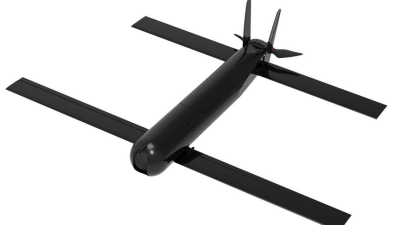
The 2023 Industry Report highlights the growing prominence of long endurance electric drones like the STX35, which boasts an impressive 35KM operational range. These UAVs represent a remarkable innovation in unmanned aerial systems, offering significant advantages over traditional gas-powered models. Their design focuses on efficiency, with a pneumatic catapult takeoff system that enhances deployment capabilities while minimizing operational footprint. With dimensions that are compact and costs that are lower, these drones are positioned to become a favorable choice for various applications, particularly in sectors requiring extensive surveillance or monitoring.
In addition to their economic viability, long endurance electric drones are designed for low noise operation and reduced radar cross-section (RCS), making them hard to detect. This feature is invaluable for missions that demand stealth, enabling large-scale deployments in sensitive environments or urban settings where discretion is necessary. Unlike conventional drones, these electric systems do not emit exhaust fumes, making them an eco-friendly alternative that aligns with the growing trend towards sustainability in aerospace operations. According to industry studies, this eco-conscious approach not only helps reduce pollution in urban areas but also enhances community acceptance of drone technology, paving the way for broader integration into public spaces.
By embracing innovations that focus on utility and environmental considerations, stakeholders can harness the full potential of these advanced UAVs, leading to new operational paradigms in both public and private sectors. As reported, the advancements in battery technology and aerodynamics are likely to further extend the range and capabilities of electric drones, solidifying their place as a crucial asset in modern aerial operations.
FAQS
: Custom rescue drones offer tailored solutions that enhance performance in critical situations for specific needs.
Customization allows for specific payload capacities and sensor types, ensuring drones meet unique operational challenges.
Evaluate the supplier's experience, past projects, and client feedback to gauge reliability.
Custom drones may require longer lead times and necessitate careful planning for smooth integration.
Experienced suppliers can align their expertise with your mission goals, enhancing reliability and performance.
Enhanced sensors and tailored communication systems are crucial for specific operational environments and needs.
Trends include AI integration and the rise of fully autonomous drones for rescue operations, posing ethical questions.
Data security and ethical use of drone technology are ongoing concerns as advancements continue.
Evaluating new technologies from ODM suppliers can enhance the capabilities of your current drone fleet.
Customization should maintain reliability; it's crucial not to compromise performance in rescue operations.
Conclusion
Choosing custom ODM (Original Design Manufacturer) rescue drones can significantly enhance operational efficiency and effectiveness in emergency situations. ODMs play a crucial role in drone manufacturing by designing and producing drones tailored to specific needs, which often leads to advanced features that standard models lack. The advantages of opting for custom-designed rescue drones include improved functionality, specialized equipment for diverse rescue settings, and greater adaptability to unique rescue scenarios.
When selecting ODM suppliers, it's essential to evaluate their capabilities and experience in the industry, as well as the level of customization they offer. Such customization ensures that the rescue drones meet specific operational requirements, thereby optimizing performance. Additionally, partnering with ODM suppliers can provide cost benefits through streamlined production processes. As technology evolves, keeping an eye on future trends in ODM drone development can help organizations stay at the forefront of innovative rescue solutions, ultimately enhancing their response capabilities in critical situations.