When you're trying to step up your aerial game, picking out the right drone accessories can totally make a difference. Whether you're a seasoned pro or just starting out, there's so many options out there that let you tweak and improve your drone to fit exactly what you want to do. From bumping up battery life to adding some seriously cool camera gear, these little upgrades are key to making sure you get the most out of every flight.
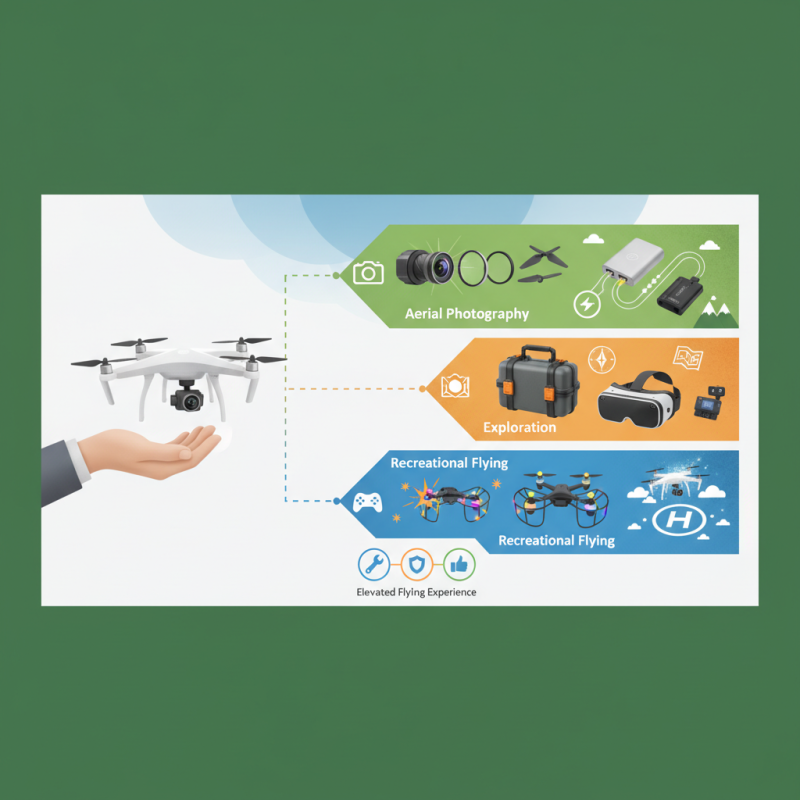
The first thing to think about when choosing accessories is what you actually wanna get out of your flying sessions. Are you all about capturing stunning photos from above? Or maybe you’re just exploring big landscapes, or just flying around for fun? Knowing your main goal will help you pick the right gear that makes your drone perform like a champ. Also, it’s super important to check if these accessories are compatible with your specific drone model—nobody wants to deal with hassle or poor fit.
On top of that, keeping an eye on things like how durable they are, whether they’re user-friendly, and reading reviews can save you from some headaches and help you make smarter choices. When you've got the right accessories in hand, flying becomes way more exciting and personalized. Before you know it, every flight feels like a new adventure, full of endless possibilities and fun moments!
Understanding Drone Accessories: An Overview of Key Options
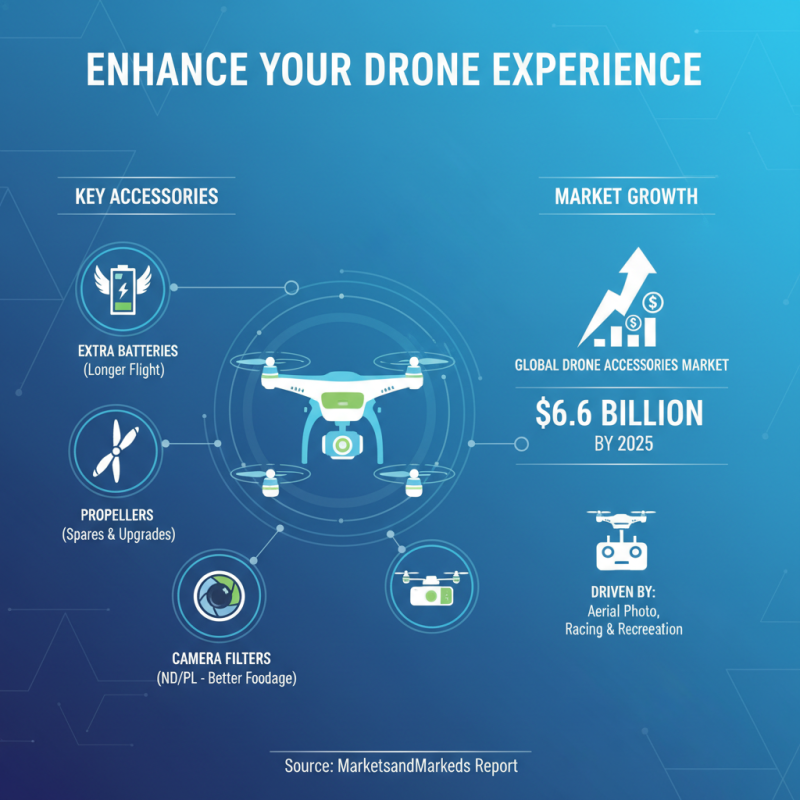
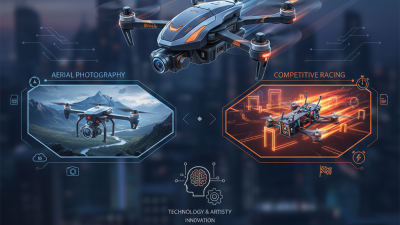
When it comes to enhancing your flying experience with drones, understanding the various accessories available is crucial. The drone accessory market is projected to grow significantly, with a report by MarketsandMarkets forecasting that the global drone accessories market will reach approximately $6.6 billion by 2025. This growth reflects the increasing interest in aerial photography, racing, and recreational flying, underscoring the importance of equipping your drone with the right accessories.
One of the essential accessory categories includes batteries and chargers. Given that battery life can significantly impact flight time and overall performance, opting for high-capacity and fast-charging battery options enhances the flying experience. Additionally, camera accessories, such as filters and gimbals, play a vital role in capturing quality visuals. Studies show that up to 75% of drone users prioritize camera quality, making it imperative for enthusiasts to invest in stabilizing equipment that mitigates shaky footage, improving the overall output of their aerial photography.
Another category worth considering is safety accessories, including propeller guards and landing gear extensions. A report from ResearchAndMarkets indicates that safety-related accessories are becoming increasingly popular, as drone enthusiasts prioritize secure flying experiences. These accessories not only protect the drone from accidental damages during landings and takeoffs but also ensure that pilots can focus more on the flight itself rather than worrying about potential crashes. As the drone industry continues to evolve, being informed about these key accessory options will significantly enrich your flying adventures.
Essential Features to Consider When Choosing Drone Accessories
When selecting drone accessories, it's crucial to consider several essential features that can enhance your flying experience. First and foremost, compatibility is key. Ensure that the accessories you choose are compatible with your specific drone model. This includes items such as batteries, propellers, and camera mounts. A mismatched accessory can affect your drone’s performance, leading to potential damage or operational issues.
Another important feature to consider is the weight of the accessories. Heavier parts can impact the drone’s flight time and maneuverability. Opt for lightweight but durable materials that can withstand the rigors of flight while minimizing the burden on your drone. Additionally, consider the functionality of the accessories. For example, a high-quality gimbal can improve the stability of your aerial footage, while extra batteries can extend your flying sessions. Assessing the practical benefits of each accessory will help ensure that you choose items that truly enhance your drone operations.
Top-rated Drone Accessories: Industry Standards and User Ratings
When selecting drone accessories, understanding industry standards and user ratings is crucial for enhancing your flying experience. The right accessories can significantly impact the performance, safety, and versatility of your drone. Key accessories include high-capacity batteries, propeller guards, and reliable gimbals, each designed to improve specific aspects of drone operation. High-capacity batteries, for instance, can extend flight time, allowing for longer and more productive sessions. Propeller guards provide extra safety, especially for novice pilots, minimizing the risk of damage during unexpected collisions.
User ratings play an instrumental role in determining the quality and effectiveness of drone accessories. Up-to-date reviews from fellow drone enthusiasts and professionals can offer invaluable insights into the durability and performance of various products. Accessories that consistently receive high ratings often reflect reliability in multiple flying conditions and compatibility with a wide range of drone models. By focusing on top-rated accessories backed by comprehensive user feedback, you can make informed decisions that will enhance both your safety and the overall flight experience.
How to Choose the Best Drone Accessories for Your Flying Experience
| Accessory |
Purpose |
User Rating |
Price Range |
| Extra Batteries |
Extended flight time |
4.8/5 |
$20 - $80 |
| Carrying Case |
Protection during transport |
4.6/5 |
$30 - $150 |
| Propeller Guards |
Safety during flight |
4.7/5 |
$10 - $50 |
| Filters |
Improve camera quality |
4.5/5 |
$15 - $100 |
| Remote Controller Lanyard |
Comfort during use |
4.4/5 |
$5 - $25 |
The Impact of Weight and Size on Drone Performance and Accessories
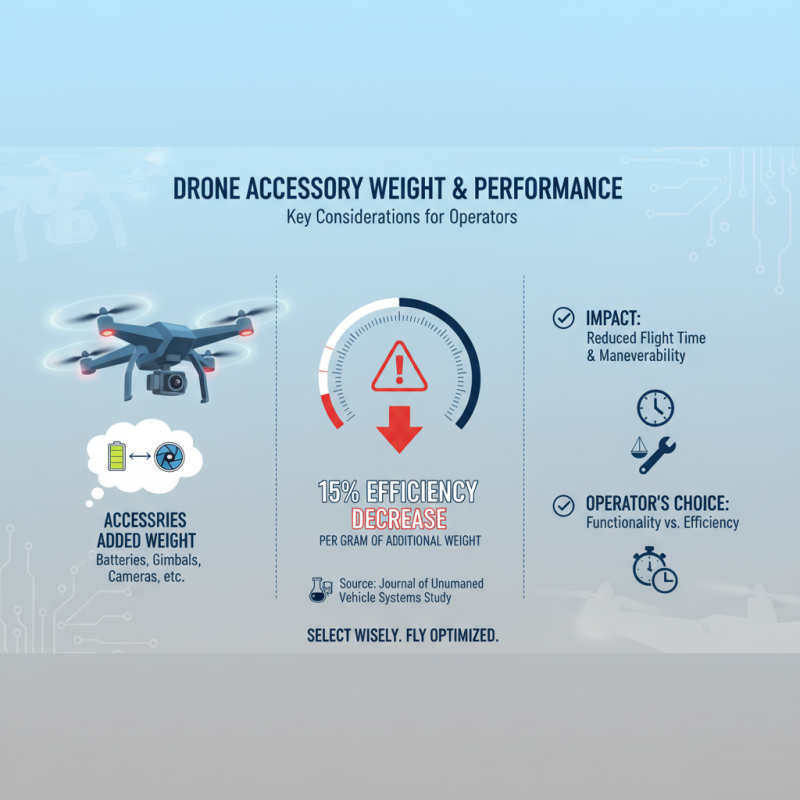
When selecting drone accessories, understanding the impact of weight and size on performance is crucial. According to a study published in the Journal of Unmanned Vehicle Systems, a drone's efficiency can decrease by up to 15% for every gram of additional weight it carries. Therefore, when choosing accessories such as batteries, gimbals, or cameras, drone operators must carefully consider the trade-off between added functionality and the potential reduction in flight time and maneuverability.
In addition to weight, the size of accessories also plays a significant role in a drone's aerodynamics. A larger accessory can disrupt the airflow around the drone, potentially leading to increased drag. Research from the American Institute of Aeronautics and Astronautics indicates that even minimal changes in size can affect flight stability, especially in windy conditions. Operators should prioritize compact and lightweight accessories that enhance performance without compromising flight capabilities. By focusing on the weight and size of their chosen accessories, drone users can significantly enhance their flying experience and achieve optimal functionality.
Battery Types and Their Role in Enhancing Flight Time and Safety
When it comes to enhancing your flying experience, understanding the different types of drone batteries is crucial. The most common types include lithium polymer (LiPo), lithium-ion, and nickel-metal hydride (NiMH) batteries. Each battery type has its own set of characteristics that can significantly impact your flight time and overall safety.
For instance, LiPo batteries are favored for their high energy density and lightweight nature, allowing for longer flight durations. However, they require careful handling and charging to prevent potential hazards such as swelling or fires.
Another important aspect to consider is the role of battery capacity, often measured in milliamp hours (mAh). A higher mAh rating typically translates to longer flight times. It’s vital to not only choose a battery with an adequate capacity but also to ensure it is compatible with your drone's specifications.
Additionally, employing smart charging practices can extend the lifespan of your batteries and enhance safety during use. Overall, selecting the right battery can make a significant difference in your drone operations, ensuring you enjoy longer flights while maintaining safety standards.
Camera Upgrades: Enhancing Aerial Photography and Videography Quality
When it comes to enhancing aerial photography and videography quality, camera upgrades for drones can make a significant difference. One of the first considerations is the camera’s resolution.
Investing in a higher megapixel camera can capture more detail, providing sharper images and more vibrant colors in your aerial shots. This is particularly important for those looking to produce
professional-grade content, as the clarity and quality of the images are crucial for aesthetic appeal.
Another critical aspect of camera upgrades is the lens capability. Wider lenses allow for a broader field of view, which can be beneficial for capturing expansive landscapes or large structures.
Additionally, special lenses, such as fisheye or zoom lenses, can offer unique perspectives that can elevate the visual interest of your footage. Moreover, features such as optical zoom and better stabilization technology
often found in upgraded cameras can further enhance the shooting experience, providing smoother videos and eliminating unwanted shakes.
Moreover, investing in a camera with improved low-light performance will enable you to capture stunning shots during dawn or dusk, adding a new dimension to your aerial photography.
By strategically selecting camera upgrades based on your specific needs and shooting conditions, you can significantly enhance the overall quality of your aerial photography
and videography, making your flying experience much more fulfilling and creative.
Safety Gear and Regulations: Ensuring Compliance and Protection While Flying
When operating drones, prioritizing safety gear and compliance with regulations is crucial for both the pilot and the public. According to the Federal Aviation Administration (FAA), improper drone operation resulted in over 60% of reported incidents related to drones in 2022. To mitigate risks, drone pilots should invest in high-visibility vests, helmets, and protective eyewear. These safety accessories not only enhance visibility during flights but also protect against potential accidents, thereby fostering a more responsible flying culture.
Understanding and adhering to local regulations is equally important. In the United States, drone operators must register their devices if they exceed a specific weight, typically 0.55 pounds (250 grams). Reports indicate that non-compliance can lead to fines of up to $27,000. Furthermore, drone pilots should familiarize themselves with airspace classifications and restricted zones, often available through the FAA's UAS data app. By aligning their flying practices with established guidelines, pilots not only ensure their own safety but also contribute to the overall integrity of the airspace, paving the way for a more sustainable drone ecosystem.
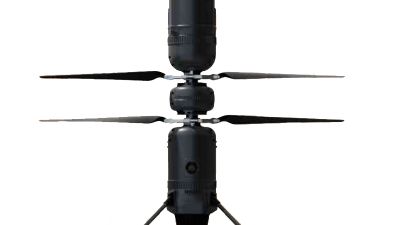
Leveraging the Growth of the Drone Market: A Comprehensive Review of the Dual Rotor Helicopter Drone Hand Thrown Drone-SX100
The rapid growth of the drone market presents unique opportunities in various sectors, including surveillance and security. Among the advancements, the dual rotor helicopter drone has emerged as a versatile tool specifically designed for effective monitoring in counter-terrorism activities. Its innovative architecture enables easy deployment and convenient storage, making it an invaluable asset for rapid response teams. The design features a combined module and tool-free twist-lock compartments, allowing for effortless assembly and disassembly, which is crucial in high-pressure situations.
Additionally, the dual rotor helicopter drone offers optional dual-side mounted training modules, streamlining operation and enhancing user proficiency. Each unmanned aerial vehicle (UAV) system undergoes rigorous testing to ensure that every function operates at peak performance. This commitment to quality assurance is fundamental, as it guarantees reliability in critical missions. Furthermore, comprehensive after-sales support ensures that any issues reported by clients are addressed swiftly, with a response time of under 48 hours. This focus on customer service not only emphasizes the reliability of the product but also fosters long-term trust in the drone's capabilities within security frameworks.
FAQS
: Ensure that the accessories you select are compatible with your specific drone model, including batteries, propellers, and camera mounts, as mismatched items can affect performance and lead to potential damage.
Heavier accessories can negatively affect the drone's flight time and maneuverability. It's advisable to choose lightweight yet durable materials to minimize burden on the drone.
High-quality accessories such as gimbals can enhance the stability of aerial footage, while extra batteries can extend flying sessions, making it essential to assess the practical benefits of each accessory.
The most common types include lithium polymer (LiPo), lithium-ion, and nickel-metal hydride (NiMH) batteries, each with different characteristics affecting flight time and safety.
LiPo batteries are favored for their high energy density and lightweight nature, which allow for longer flight durations, although they require careful handling and charging.
Battery capacity, measured in milliamp hours (mAh), plays a significant role; a higher mAh rating typically means longer flight times, so it is important to choose a battery with adequate capacity.
Employing smart charging practices, such as avoiding overcharging and using the appropriate charger, can help extend the lifespan of your batteries and enhance safety during use.
It’s crucial to handle and charge batteries properly to prevent hazards such as swelling or fires, ensuring that you follow safety guidelines for charging and storage.
Selecting the right accessories can significantly enhance your drone operations by improving flight stability, extending flight times, and ensuring greater safety during flights.
Conclusion
When it comes to enhancing your flying experience, choosing the right drone accessories is crucial. Understanding the various options available is the first step, as each accessory can significantly impact your drone's performance. Important features to consider include weight and size limitations, which can directly affect flight efficiency, as well as battery types that enhance both flight time and safety. Additionally, camera upgrades can improve the quality of aerial photography and videography, making your shots more stunning.
Moreover, safety gear and adherence to regulations are vital for ensuring a compliant and protected flying experience. By carefully selecting the best drone accessories tailored to your needs, you can optimize your aerial capabilities while ensuring safety and enjoyment in your flights.