When you're into aerial adventures, choosing the right gear really makes all the difference. As drone enthusiasts try to get better at flying and capturing cool footage, the Thermal FPV Camera has become pretty much a game-changer. It’s amazing for getting breathtaking visuals and offers a whole new perspective on what’s around you. Industry expert John Smith, a big name in aerial tech, points out just how important this innovation is, saying, “Thermal FPV Cameras let pilots see beyond what’s visible to the naked eye, opening up a whole new world of exploration and research.”
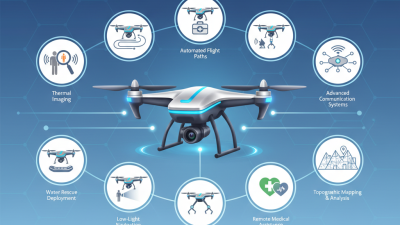
Adding thermal imaging tech to FPV systems doesn’t just make flying more exciting — it also equips users for a variety of important tasks, whether it’s watching wildlife or helping out in search and rescue missions. As more people discover the benefits of Thermal FPV Cameras, they start to see how it can turn a typical flight into an epic adventure for discovery and learning.
By going for a Thermal FPV Camera, pilots aren't just upgrading their visuals — they’re stepping into a world of new possibilities and thrilling experiences. Every flight can turn into a fresh adventure, full of surprises and discovery.
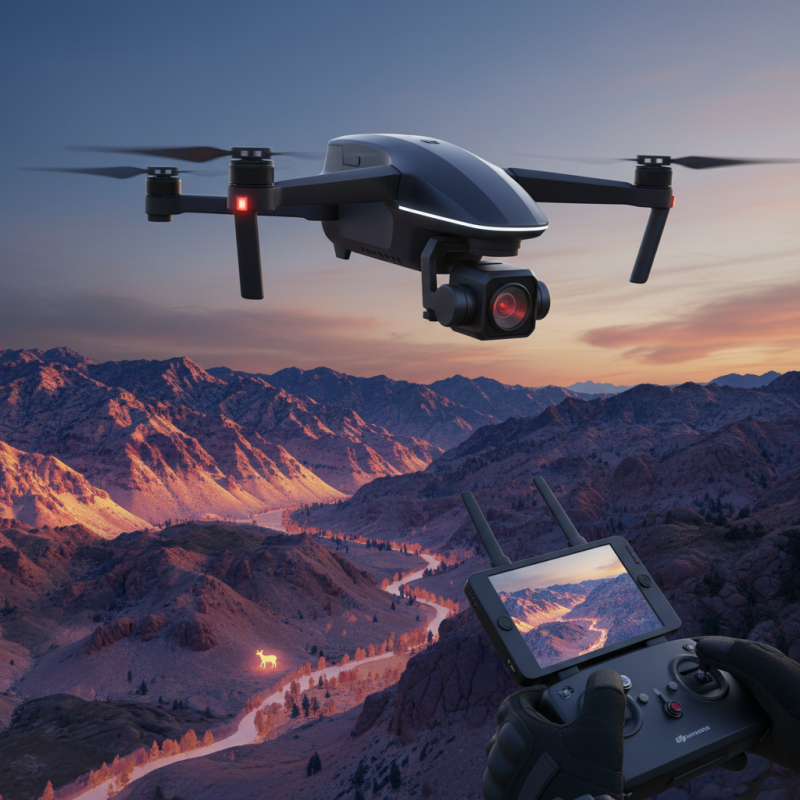
Benefits of Thermal FPV Cameras in Aerial Exploration
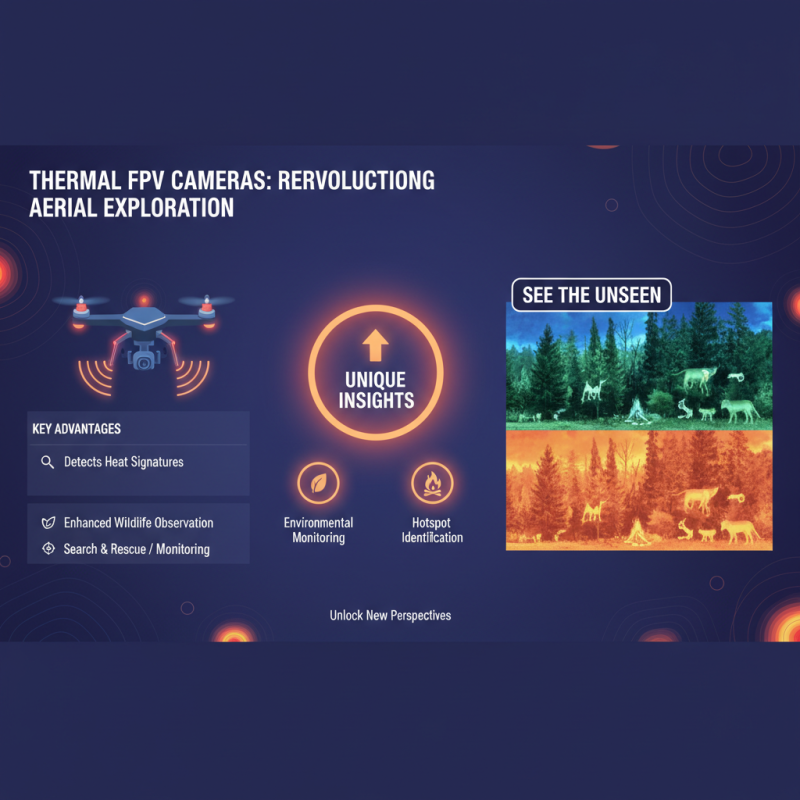
Thermal FPV cameras are revolutionizing aerial exploration by offering unique advantages that enhance the experience of capturing and understanding the environment. One of the primary benefits of these cameras is their ability to detect heat signatures from various sources, which provides insights that traditional cameras cannot. This functionality is particularly valuable for search and rescue operations, wildlife observation, and environmental monitoring, where identifying living creatures or hotspots is crucial.
Moreover, thermal FPV cameras perform exceptionally well in low-light conditions, making them ideal for dusk or dawn missions. Unlike standard cameras that require sufficient light to produce clear images, thermal cameras visualize temperature differences, allowing pilots to navigate safely and effectively at any time of day. This capability not only extends the flying hours for aerial exploration but also opens doors to new opportunities for capturing footage, including nocturnal activities of wildlife and changes in landscapes due to temperature fluctuations. The integration of thermal imaging into FPV technology enhances the overall versatility and functionality of aerial adventures, paving the way for innovative applications and experiences.
Comparison of Thermal vs. Standard FPV Cameras in Performance
When considering the performance of thermal FPV cameras in comparison to standard FPV cameras, several distinct advantages emerge, particularly for aerial adventures. Thermal cameras utilize infrared technology to detect heat signatures, which enables them to visualize temperature differences in the environment. According to a report by MarketsandMarkets, the global thermal imaging market is projected to grow from $3.03 billion in 2020 to $6.54 billion by 2025, reflecting a rising interest in thermal imaging for various applications, including aerial reconnaissance, search and rescue operations, and wildlife monitoring.
In contrast, standard FPV cameras rely on visible light to capture images, which can be limited by poor lighting conditions or obstructive weather elements. As projects involving drones increasingly require reliable visuals regardless of ambient conditions, thermal FPV cameras provide a significant edge. A study by the International Journal of Remote Sensing highlights that thermal imaging can detect and measure temperature variations, which allows for real-time monitoring in situations where visibility is compromised, such as searching for lost individuals in dark or dense environments. With the expanding capabilities of drones and thermal technology, enthusiasts and professionals alike are recognizing the necessity of incorporating thermal FPV systems into their aerial toolbox for enhanced operational efficiency and data acquisition.
Key Specifications to Consider in Thermal FPV Camera Selection
When selecting a thermal FPV camera for your aerial adventures, it's crucial to focus on key specifications that can enhance your experience. One of the primary features to consider is the resolution of the thermal sensor. A higher resolution allows for more detailed thermal imagery, making it easier to detect subtle temperature differences. This is particularly beneficial in applications such as search and rescue, wildlife monitoring, or building inspections, where precision is paramount.
Another important specification is the refresh rate of the thermal camera. A higher refresh rate ensures smoother video output, which is critical when flying at high speeds or navigating complex environments. Look for cameras that offer at least 30 frames per second for optimal performance. Additionally, consider the temperature range that the camera can detect. A broader temperature range allows for greater versatility in different environments, enabling you to capture thermal data from various sources, whether in extreme cold or heat.
Why You Should Choose a Thermal FPV Camera for Your Aerial Adventures - Key Specifications to Consider in Thermal FPV Camera Selection
| Specification |
Details |
| Resolution |
320x240 to 640x480 pixels |
| Frame Rate |
30 fps to 60 fps |
| Field of View |
Up to 90 degrees |
| Thermal Sensitivity |
|
| Weight |
150g to 300g |
| Battery Life |
30 minutes to 2 hours |
| Operating Temperature Range |
-20°C to 50°C |
| Connectors |
HDMI, USB, Wi-Fi |
Case Studies: Successful Applications of Thermal FPV Technology
Thermal FPV cameras have revolutionized aerial exploration, enabling users to view and interpret thermal signatures that are invisible to the naked eye. One remarkable application of this technology can be seen in search and rescue missions. In situations where visibility is compromised—such as at night or in heavily wooded areas—thermal cameras can identify body heat against the cold background, significantly enhancing the chances of locating lost individuals quickly. This case illustrates how thermal FPV technology not only improves efficiency but also saves lives by providing critical data to rescue teams in real-time.
Another successful application of thermal FPV cameras is found in wildlife monitoring and conservation efforts. Researchers utilize these cameras to track elusive species, observe animal behavior without intrusion, and monitor their habitats. For instance, by deploying thermal cameras in remote areas, conservationists can study nocturnal animals and assess their population dynamics without disturbing their natural environment. This use of thermal technology contributes to more effective conservation strategies and helps in crafting targeted efforts to protect wildlife, showcasing the vast potential of thermal FPV in environmental research.
Understanding the Technology Behind Thermal Imaging in Drones
Thermal imaging technology has revolutionized aerial photography and videography, providing unique perspectives that traditional cameras simply cannot capture. At its core, thermal imaging involves detecting infrared radiation emitted by all objects based on their heat signatures. In cold environments, warm objects such as people, animals, or even mechanical equipment stand out distinctly against the cooler background, making thermal cameras an invaluable tool for various applications, from wildlife monitoring to search and rescue missions.
The principles of thermal imaging rely on sensors that translate heat variations into images, commonly displayed in contrasting colors to represent different temperatures. Drones equipped with thermal FPV (First Person View) cameras allow users to navigate and monitor environments live, ensuring real-time data collection and decision-making. This capability is particularly beneficial in scenarios where visibility is compromised, such as during nighttime or through dense foliage. Furthermore, thermal imaging can discern temperature differences that might go unnoticed, opening new avenues for exploration and research in outdoor activities.
Cost-Benefit Analysis of Investing in Thermal FPV Cameras
When considering the enhancement of your aerial adventures, investing in a thermal FPV (First Person View) camera can yield significant returns. The cost-benefit analysis reveals that while thermal cameras may be more expensive upfront compared to traditional FPV options, the unique advantages they offer can justify the investment. According to a report by MarketsandMarkets, the thermal camera market is expected to grow from $3.6 billion in 2020 to $6.4 billion by 2025, signifying a growing recognition of the technology’s value across various applications, including search and rescue, wildlife monitoring, and infrastructure inspections.
Thermal FPV cameras excel in low visibility conditions by detecting heat signatures, making them indispensable tools for both recreational users and professionals. The ability to visualize temperature differences allows users to identify objects or areas that may not be visible to the naked eye, enhancing the utility of aerial surveys. Furthermore, a study conducted by the International Journal of Remote Sensing revealed that thermal imaging can increase operational efficiency by up to 30% in environmental monitoring tasks, particularly in locating heat leaks in buildings or assessing fire hazards in forestry. As the demand for efficient and innovative aerial surveillance continues to rise, the cost of the hardware can be offset by the capabilities it brings to users in critical applications.
Future Trends in Thermal Imaging Technology for Aerial Adventures
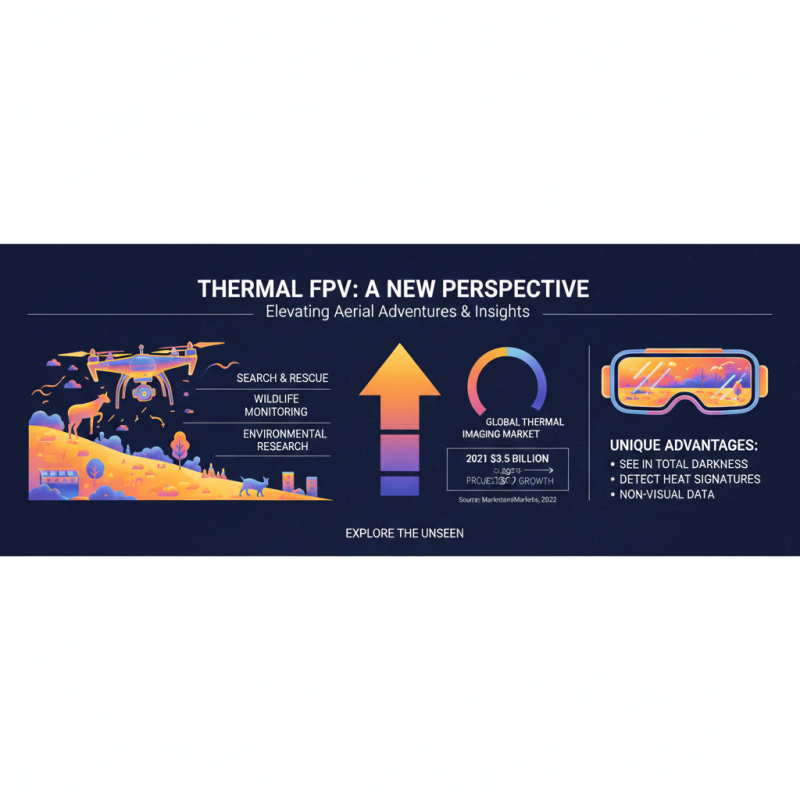
Thermal imaging technology has made significant strides in recent years, leading to a new era of aerial adventures enhanced by thermal FPV (First Person View) cameras. According to a 2022 report by MarketsandMarkets, the global thermal imaging market is projected to grow from USD 3.5 billion in 2021 to USD 5.7 billion by 2026, highlighting the increasing adoption of thermal imaging across a variety of sectors, including search and rescue, wildlife monitoring, and environmental research. This growth underscores the importance of thermal FPV technology in providing a unique perspective that conventional cameras simply cannot offer.
As the technology matures, we are seeing advances such as higher resolution sensors, improved thermal sensitivity, and streamlined integration with drones. Recent innovations have led to systems capable of detecting minute temperature differences, allowing for enhanced visibility in challenging weather conditions or total darkness. These advancements not only elevate the effectiveness of thermal FPV cameras for practical applications, but they also provide hobbyists with an exciting new dimension in aerial cinematography and exploration. For instance, a report by Research and Markets indicates that the increasing demand for drones equipped with thermal capabilities will likely drive innovation, making thermal imaging more accessible and cost-effective for a broader audience. As these trends continue, the possibilities for aerial adventures using thermal FPV technology are bound to expand, fostering creativity and enhancing safety across various fields.
Enhancing FPV Drone Performance: Insights from 2023 Industry Reports on Video Transmitter Technology and SVT3W Recommendations
In the rapidly evolving world of FPV drones, the role of video transmitters is crucial for enhancing overall performance. The video transmitter serves as a pivotal link between the drone's camera and the pilot’s goggles, converting captured video signals into radio signals. This transmission allows pilots to experience a seamless first-person view (FPV) during flight, providing real-time visuals that are essential for maneuvering and control.
Recent industry reports from 2023 highlighted advances in video transmitter technology, emphasizing the importance of selecting high-quality equipment for optimal performance. A well-designed video transmitter not only ensures a stable and clear signal but also minimizes latency, which is vital for responsive flying. When combined with top-notch drone accessories, such as efficient drone motors and sturdy frames, pilots can significantly enhance their flying experience.
For enthusiasts looking to elevate their FPV adventures, recommendations suggest investing in reliable video transmitters that are compatible with various goggles. Such upgrades can vastly improve the quality of the FPV feed, making each flight more immersive. As the industry continues to innovate, staying informed about the latest technologies will be essential for both amateur and professional FPV pilots.
FAQS
: Thermal FPV cameras utilize infrared technology to detect heat signatures, allowing them to visualize temperature differences and operate effectively in low visibility conditions, unlike standard FPV cameras, which rely on visible light.
Thermal FPV cameras can detect heat signatures in dark or dense environments, making them invaluable for real-time monitoring and the identification of lost individuals, improving the chances of successful rescues.
While thermal FPV cameras may have a higher upfront cost, their unique capabilities in low visibility conditions and increased operational efficiency can justify the investment for both recreational and professional use.
The global thermal imaging market is projected to grow significantly, from $3.03 billion in 2020 to an estimated $6.54 billion by 2025, indicating rising interest in thermal imaging technologies.
Recent advancements include higher resolution sensors, improved thermal sensitivity, and better integration with drones, allowing for the detection of minute temperature differences and enhanced capability in challenging conditions.
Thermal imaging can increase operational efficiency by up to 30%, helping users locate heat leaks in buildings and assess fire hazards in forestry, making it a critical tool for environmental monitoring tasks.
Various sectors, including search and rescue, wildlife monitoring, and environmental research, are increasingly adopting thermal FPV technology due to its unique capabilities that traditional cameras cannot provide.
The future of thermal FPV technology is promising, with increasing demand driving innovation, making thermal imaging more accessible and cost-effective, and expanding possibilities for aerial adventures.
Thermal FPV cameras provide an exciting new perspective for hobbyists in aerial cinematography by allowing them to capture unique temperature variations and visuals that standard cameras cannot achieve.
Thermal imaging can help identify issues such as heat leaks and insulation problems in buildings, which is crucial for maintaining infrastructure and ensuring energy efficiency.
Conclusion
The article "Why You Should Choose a Thermal FPV Camera for Your Aerial Adventures" explores the numerous advantages of using thermal FPV cameras for various aerial applications. These cameras offer superior performance compared to standard FPV cameras, particularly in low-visibility conditions, allowing for enhanced aerial exploration and data collection. Key specifications to consider when selecting a thermal FPV camera include resolution, sensitivity, and range, which significantly influence the quality of thermal imaging.
Additionally, the article presents compelling case studies that showcase successful applications of thermal FPV technology in fields such as search and rescue, wildlife monitoring, and infrastructure inspections. A cost-benefit analysis highlights the long-term value of investing in thermal FPV cameras while also examining future trends in this rapidly advancing technology. Overall, integrating a thermal FPV camera can significantly enrich aerial adventures and expand operational capabilities.