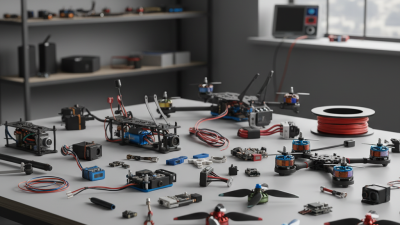
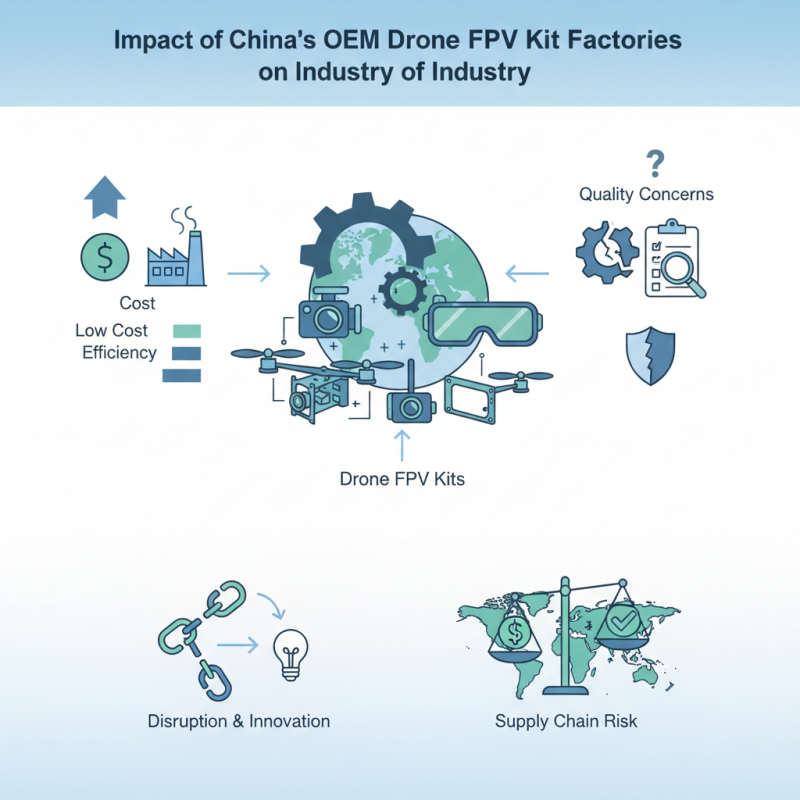
You know, the rise of Chinese OEM factories making Drone Fpv Kit signals a pretty big shift in the drone world. These factories are churning out all sorts of kits, hitting different needs in the market. And honestly, their ability to work efficiently and keep costs low has caught the attention of businesses around the globe.
What’s cool is that these Chinese OEM factories are really focusing on producing quality parts for Drone Fpv Kits. That said, while prices are attractive, there’s a bit of a double-edged sword—some products might not quite hit the mark when it comes to quality control, and not all might meet international standards. Companies really need to be careful here, making sure they deliver satisfied customers despite these challenges.
This whole scene is more than just about saving a buck, though. It’s shaking up supply chains, sparking new ideas and innovation along the way. But, here’s the thing—depending too much on one market could be risky. Industry folks really need to think about how to strike the right balance between keeping costs down and maintaining good quality while riding this wave of change.
China OEM Drone FPV Kits: An Overview of the Market Landscape
The market for China OEM drone FPV kits is rapidly evolving. This growth is driven by advances in technology and increasing demand from hobbyists and professionals alike. Many manufacturers focus on creating affordable yet functional
Fpv Drone Kits. These kits often provide high-quality components, making them popular among users looking for efficiency and performance.
However, not all products meet the expected standards. Some kits may lack essential features or have inconsistent quality, leaving users frustrated. This inconsistency can impact the user's overall experience. The variety available can also be overwhelming, making it difficult to choose the right
FPV drone kit for specific needs. Additionally, shipping times and customer support can vary widely among factories, requiring careful selection.
As the market expands, competition intensifies. This can prompt innovation but also leads to potential shortcuts in manufacturing. Factories may rush production to keep up with demand, possibly compromising quality. Balancing cost and performance remains a challenge for many manufacturers. Users should be ready to face these complexities when exploring their options in the FPV drone kit market.
Key Players in China's OEM Drone FPV Kit Manufacturing Industry
China's OEM drone FPV kit manufacturing industry has rapidly evolved. Factors such as
technology advancements and
market demand play significant roles. Key players in this space drive innovation and competition.
Many manufacturers focus on producing high-quality components, including
camera systems,
flight controllers, and
frame kits.
However, quality control remains a persistent challenge. Some factories may prioritize speed over quality. As a result, not all OEM kits meet user expectations. The
Rtf Fpv Drone Kit is a popular choice among hobbyists. Its
accessible design appeals to newcomers and seasoned pilots alike. Yet, not every manufacturer provides the same level of support or reliability.
The industry's growth invites scrutiny. While competition drives prices down, it can dilute product quality.
A few companies dominate the market, but many small players emerge. This creates a mixed landscape of innovation and shortcomings.
Users often face difficulties in finding reliable suppliers. The ongoing demand for customization
adds another layer of complexity. The industry's future hinges on finding a balance between affordability and
quality.
Technological Innovations in China’s OEM Drone FPV Kits
The rise of OEM drone FPV kits in China has been driven by rapid technological innovations. A report by the Drone Industry Association highlights that the market has grown by nearly 25% annually. This growth is attributed to enhanced features in drones, such as improved flight stability and high-definition cameras. Many manufacturers focus on providing customizable kits for different uses, appealing to both hobbyists and professionals.
Moreover, advancements in battery technology have led to longer flight times, now averaging 30 minutes. This marks a significant improvement compared to earlier models. However, challenges remain. Some manufacturers struggle with quality control, which can affect performance. The industry must address these issues to maintain its growth.
China's OEM capabilities also allow for rapid prototyping. This means new designs reach consumers faster. However, it raises questions about sustainability and environmental impact. As production scales up, the industry must find ways to minimize waste and improve eco-friendliness. Balancing innovation with responsibility is essential for future success.
Impact of China’s OEM Drone FPV Kits on Global Supply Chains
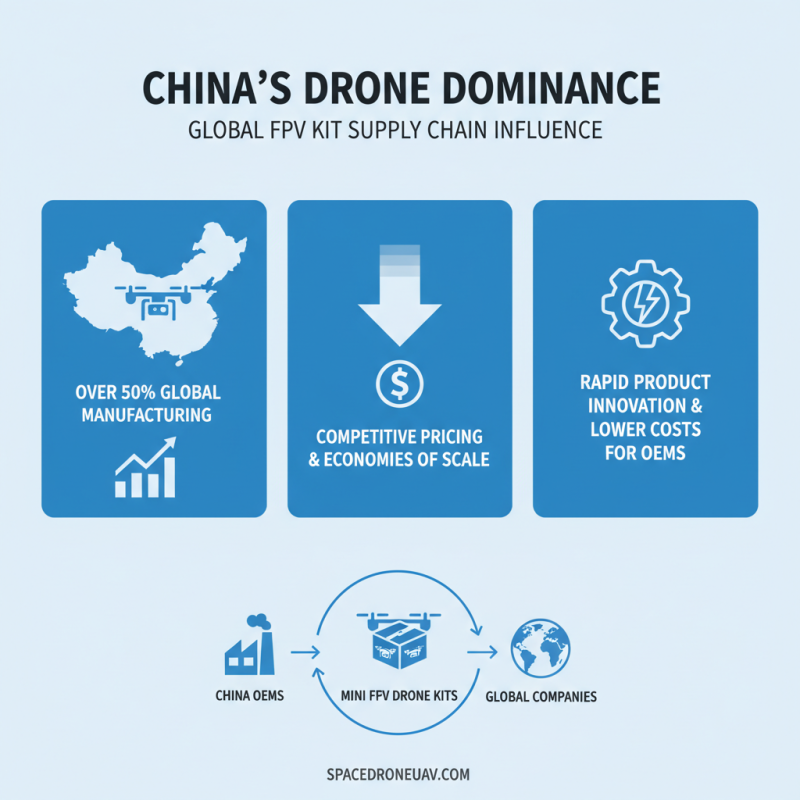
The rise of China’s OEM drone FPV kits significantly influences global supply chains. Recent industry reports indicate that over 50% of the world’s drone manufacturing occurs in China. This dominance allows for competitive pricing and rapid product innovation. Companies can source Mini Fpv Drone Kits at lower costs, benefiting from economies of scale.
However, the reliance on Chinese suppliers raises concerns. Many manufacturers fear disruptions due to geopolitical issues or trade restrictions. In 2022, supply chain disruptions led to a 30% decrease in drone production for some regions. This raises questions about sustainability and risk management in sourcing. The influx of these kits floods the market, often overwhelming smaller companies.
Moreover, quality control varies with many OEM products. Some kits lack the high standards expected in the industry, which affects end-user experiences. The challenge lies in balancing affordability with quality. As demand grows, manufacturers must reflect on their sourcing strategies. Investing in trusted suppliers may become necessary for long-term success.
Regulatory Challenges Facing China’s OEM Drone FPV Kit Manufacturers
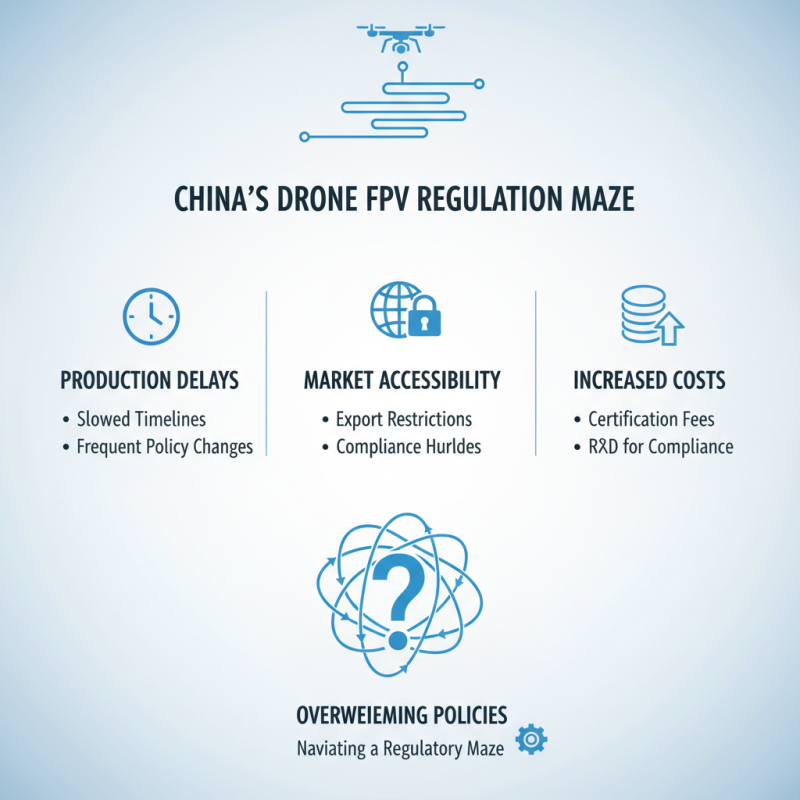
China's OEM drone FPV kit manufacturers face significant regulatory challenges. These rules can affect production timelines and market accessibility. With new regulations arising frequently, companies struggle to keep up. Compliance can mean extra costs and delays. Manufacturers must navigate through a maze of policies, which can feel overwhelming.
Tips: Stay informed about the regulatory landscape. Regularly review the guidelines from relevant authorities. This helps ensure compliance and avoids costly penalties.
The rise of drone technology brings new responsibilities. Manufacturers must also consider safety standards. Each region may have different requirements, complicating international sales. As regulations evolve, adaptability becomes crucial. Some companies may resist change, leading to potential risks in operations.
Tips: Emphasize a culture of compliance and adaptability. Train staff to stay aware of regulatory updates. This will boost your company’s reliability.
The future of the industry relies on how well manufacturers handle these challenges. Facing regulatory hurdles isn't easy. Yet, those who embrace change can thrive. They find creative solutions to navigate the complexities that arise. Resilience and foresight are key.
Future Trends in the OEM Drone FPV Kit Market in China
The OEM drone FPV kit market in China is rapidly evolving. Industry reports suggest that the market is projected to experience a compound annual growth rate (CAGR) of around 15% over the next four years. This growth can be attributed to several factors, including increasing demand for affordable, high-quality drone kits. Enthusiasts are particularly interested in models like the 5 Inch Fpv Drone Kit, known for its balance of performance and cost.
A major trend highlighted in market research is the shift toward customization. More consumers seek personalized features in their drone kits. This trend presents challenges for manufacturers. They must balance mass production efficiencies with the need for flexible customization. Many factories are struggling to adopt advanced manufacturing techniques. This leads to varying product quality and can frustrate consumers looking for reliability.
Additionally, sustainability is becoming a critical consideration. Reports indicate that a significant portion of consumers prefers eco-friendly products. Manufacturers are starting to explore sustainable materials and practices. However, this transition requires investment and time. The path forward seems promising, yet companies must address these challenges effectively to capitalize on emerging opportunities in the OEM drone FPV kit market.
What is China OEM Drone Fpv Kit Factories and Their Impact on the Industry? - Future Trends in the OEM Drone FPV Kit Market in China
| Dimension |
Data |
| Total Number of Drone FPV Kit Factories |
150 |
| Annual Production Capacity (units) |
200,000 |
| Market Growth Rate (2022-2027) |
15% CAGR |
| Percentage of Exports |
60% |
| Average Price per Kit (USD) |
300 |
| Key Technologies Used |
AI, 4K Cameras, Advanced Navigation Systems |
| Main Customer Segments |
Hobbyists, Cinematographers, Agricultural Sector |
| Future Trends |
Increased Automation, Enhanced Battery Life, Integration with IoT |
Sustainability Practices in Chinese OEM Drone FPV Kit Production
The rise of OEM drone FPV kit production in China has significant implications for sustainability within the industry. Many factories are adopting eco-friendly materials and processes. For example, some manufacturers are using biodegradable plastics for drone components. However, the scale of production often leads to increased waste and seasonal peaks in pollution. Factories may prioritize quantity over quality, which raises important questions about environmental impact.
Additionally, while some companies implement recycling programs, many do not. This results in a substantial amount of electronic waste, which poses challenges for local communities. Innovations such as energy-efficient manufacturing practices are emerging, but implementation can be slow. Workers sometimes face unsafe conditions, especially in low-cost facilities. A push for better labor practices remains essential for truly sustainable progress.
Consumer awareness is growing, and demand for sustainable products is increasing. Yet, short-term profit motives often overshadow long-term benefits. The industry's focus on rapid growth raises concerns about neglecting the planet. Future improvements will depend on both manufacturers and consumers valuing sustainability as a priority, not just a trend.
Exploring the Growing Popularity of Four-Axis FPV Drones for Recreational Use: Insights from Market Research Reports
The growing popularity of four-axis FPV drones reflects a significant shift in the recreational drone market. Designed for enthusiasts and casual users alike, these drones offer a perfect blend of affordability and impressive performance. Market research indicates that more hobbyists are gravitating towards four-axis designs due to their stability, ease of use, and the exhilarating experience they provide when flying. Such attributes make them ideal for capturing stunning aerial footage and enjoying outdoor exploration.
Many manufacturers are responding to this trend by supplying customizable four-axis FPV drones. This flexibility allows users to tailor their drones according to specific preferences and requirements, enhancing the overall flying experience. With features centered around user satisfaction, these recreational drones are increasingly being exported to various countries, meeting the burgeoning demand from consumers worldwide. Additionally, a robust after-sales support system ensures that customers receive prompt assistance and technical guidance whenever needed, further solidifying the appeal of four-axis FPV drones in the recreational market.
FAQS
: This product is designed to enhance everyday experiences. It aims to provide convenience and joy.
Follow the provided instructions for best results. Practice makes perfect, so don't hesitate to experiment.
Some users report minor inconveniences. Pay attention to your body and adjust use accordingly.
It’s intended for individual use. Sharing might lead to varying experiences or mixed results.
Troubleshooting tips are listed in the manual. If issues persist, reach out for further assistance.
Results vary based on individual usage. Patience is key; sometimes, improvement may take longer than expected.
Generally, it’s suitable for adults. However, consult with a knowledgeable source if you’re unsure.
Combining products can alter effectiveness. Be cautious and monitor how your body responds.
Results may diminish over time. Reflect on your personal goals before making a decision to stop.
Some sellers offer return policies. Check details to understand terms and conditions properly.
Conclusion
China's OEM Drone FPV Kit industry is a significant player in the global market, characterized by a wide range of key manufacturers that drive technological innovation. These kits combine advanced features and affordability, catering to diverse consumer needs. The landscape is rapidly evolving, influenced by ongoing advancements and the push for sustainability in production practices.
However, challenges such as regulatory hurdles and the need for compliance with international standards persist, affecting the industry's growth trajectory. As the demand for Drone FPV Kits increases globally, Chinese manufacturers are likely to play a crucial role in shaping supply chains and meeting the evolving needs of consumers. Future trends point towards even greater integration of technology and sustainability within the market, ensuring that China's position in the Drone FPV Kit sector remains robust.