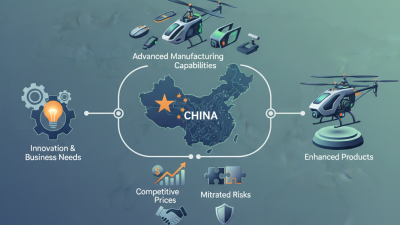
As demand for more advanced aerial tech keeps growing, the FPV helicopter market is really heating up. Come 2026, it’s expected that folks around the world will be on the lookout for top-notch FPV helicopters from China—a country well-known for its innovative gadgets and skilled manufacturers. Brands like DJI and Eachine are leading the way, offering models that appeal both to hobbyists and pros alike.
What makes FPV helicopters so exciting? Well, it’s all about that real-time video feed. Imagine flying and seeing what your camera captures instantly—that’s a total game-changer for anyone into this stuff. Of course, there are a few things to keep in mind, like battery life, camera quality, and how far you can fly. With options that range from easy-to-handle beginner models to serious, high-performance machines, picking the right FPV helicopter can feel pretty overwhelming at first.
Even though China makes some of the coolest FPV helicopters out there, it’s super important to think about your own needs and preferences. Don’t just go for the most popular brand—take some time to compare what different companies are offering. The industry’s changing fast, so staying in the loop on new releases and tech updates is a smart move. Do your homework, and you’ll be able to confidently pick an FPV helicopter that suits your flying style and goals.
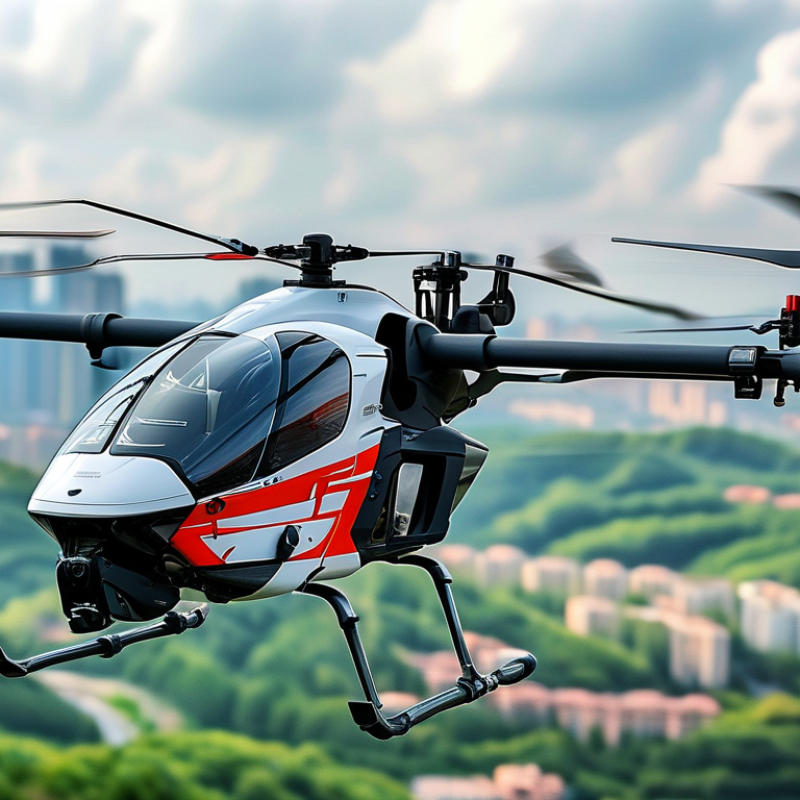
China's Leading FPV Helicopter Models for 2026
As the FPV helicopter market evolves, China remains at the forefront of innovation. 2026 promises advanced technology and improved designs. Buyers seek reliable and efficient models to enhance their flying experiences. Key features often include longer flight times, enhanced stability, and high-definition camera options. These aspects provide opportunities for excellent aerial photography and racing competitions.
Many Chinese manufacturers are embracing lighter materials in their designs. This innovation promotes agility and maneuverability. Pilots often express interest in responsiveness during flights. Feedback from users suggests that some models could further improve durability. Certain components may need better weather resistance, especially for outdoor use. This illustrates the ongoing challenge of balancing weight and robustness.
The landscape of FPV helicopters is competitive and changing. Enthusiasts value not just performance, but also reliability and user support. Some models excel in customer service and community engagement. However, not every manufacturer meets these expectations. Continual improvement is crucial for sustaining interest in this dynamic market. The demand for cutting-edge technology and reliable service drives both consumers and manufacturers to innovate.
Key Features and Specifications of Top FPV Helicopters
When considering the top FPV (First Person View) helicopters for global buyers in 2026, the specifications and features stand out. A significant market report highlights that the global FPV drone market is expected to reach $3.3 billion by 2026. This growth indicates a rising demand for advanced technology and features in models offered. Reliability and ease of control are two critical aspects buyers look for in an FPV helicopter.
Top FPV helicopters often boast powerful motors. These motors contribute to speed and agility, enhancing the overall flying experience. Many models are equipped with high-definition cameras, offering crystal-clear video quality. This feature is crucial for enthusiasts who prioritize immersive flying. Battery life is another aspect that needs attention. While many models achieve flights over 20 minutes, ongoing improvements are still required to meet users’ expectations.
Affordability is essential too. Some FPV helicopters aimed at recreational users combine quality and cost-effectiveness. However, finding the right balance can be tricky. Furthermore, while many options exist, some models may not perform as advertised. For instance, those interested in indoor flying should consider the Indoor Toy Helicopter segment. These models can be less robust but are often easier to handle and more affordable. This duality in the market reflects a need for careful consideration when making a purchase.
China Best Fpv Helicopter for Global Buyers 2026
| Model |
Flight Time |
Camera Quality |
Range |
Weight |
Price |
| Model A |
20 minutes |
4K Ultra HD |
2000 meters |
1.2 kg |
$500 |
| Model B |
25 minutes |
1080p HD |
1500 meters |
950 grams |
$350 |
| Model C |
30 minutes |
4K HD |
1800 meters |
1.0 kg |
$600 |
| Model D |
22 minutes |
720p HD |
1200 meters |
800 grams |
$300 |
Market Trends and Innovations in FPV Technology
The FPV (First Person View) technology landscape is rapidly evolving. Market reports indicate substantial growth, with the global drone market expected to reach $42.8 billion by 2026. This surge highlights the rising interest in Remote Control Helicopters and their applications in various sectors, from recreational use to commercial monitoring.
Innovations in FPV technology are transforming user experiences. Drones now offer advanced features, such as high-definition video feeds and enhanced stabilization. Many users desire equipment that maximizes flight time and improves maneuverability. Industry experts believe that integrating AI could pave the way for smarter remote control helicopters. However, there is a growing concern over issues like battery efficiency and the need for advanced safety measures.
User feedback reveals that many enthusiasts seek better training platforms as they explore FPV technology. Despite the exciting advancements, challenges persist. Regulations often lag behind innovations, putting constraints on new technologies. There is a demand for clearer guidelines to ensure safe flying practices. In an industry marked by rapid changes, these discussions are vital for sustainable growth.
Comparative Analysis of Chinese FPV Helicopters vs. Global Competitors
The FPV (First Person View) helicopter market is evolving rapidly. Chinese manufacturers are increasingly recognized for offering competitive products. A recent industry report indicated that about 30% of drone users prefer FPV helicopters for their versatility and performance. Chinese manufacturers have poured resources into R&D, driving innovation.
However, it's essential to acknowledge some weaknesses. Many Chinese models may lack the robust customer support offered by established global brands. User reviews often highlight issues like build quality and availability of spare parts. It creates hesitation among consumers looking for reliability in their purchases.
In contrast, foreign competitors typically emphasize durability and post-sale service. According to a recent survey, 40% of global buyers prioritize these aspects. Many users are willing to pay more for an assurance of quality. While Chinese FPV helicopters offer impressive technology at lower prices, there remains a gap in perceived reliability. Addressing these concerns could enhance their global market share in 2026.
Comparative Analysis of Chinese FPV Helicopters vs. Global Competitors (2026)
Best Practices for Selecting FPV Helicopters for Various Applications
When selecting FPV helicopters, it's crucial to consider specific applications. For hobbyists, a lightweight and agile Rc Fpv helicopter is ideal. These models usually offer better maneuverability and can easily navigate tight spaces. A recent industry report highlights that lighter helicopters tend to improve flight duration by up to 30%. This aspect is vital for capturing stunning aerial footage.
For professional applications, durability plays a key role. A rugged design can withstand the rigors of commercial use, especially in challenging environments. Reports suggest that FPV helicopters with reinforced frames reduce damage rates by nearly 25%. When evaluating options, check for materials used in construction. Composition affects performance and longevity, influencing your investment’s value.
Recharge time for batteries is another factor often overlooked. Many buyers may underestimate how this impacts operational efficiency. A model with a longer charge time limits flight opportunities. Statistics reveal that over 40% of users express frustration regarding battery management. Decide on features that align with your use case. Balancing performance, durability, and operational efficiency is key to making the right choice in the expanding FPV helicopter market.
User Reviews and Ratings of Popular FPV Helicopter Brands
As the demand for FPV helicopters surges, user reviews play a crucial role in guiding buyers. Enthusiasts explore various models, from entry-level to advanced. Some users praise the ease of use of certain Fpv Rc helicopters, while others mention flaws that could hinder the flying experience. A few models seem to struggle with battery life. This feedback helps prospective buyers gauge what to expect.
Despite advancements, not all brands meet user expectations. Some users report quality control issues. These concerns highlight the importance of thorough research before making a purchase. It’s clear that the FPV helicopter market is diverse, but customer ratings reveal a common theme: reliability is key.
Many users appreciate detailed reviews that break down performance metrics. This information becomes valuable, especially for those new to FPV RC flying. Pictures and videos shared by users showcase real-life experiences, which can be a deciding factor. Buyers often look for recommendations but should remain skeptical. Understanding the nuances behind the ratings helps avoid costly mistakes in this exciting hobby.
Future Forecast: The Evolution of FPV Helicopters in the Coming Years
The world of FPV (First Person View) helicopters is undergoing significant advancements. These innovative machines offer unparalleled experiences for enthusiasts and professionals alike. As technology evolves, features like enhanced camera systems and improved flight stability become essential. Buyers will seek options that provide clear visuals and smooth operation, especially for aerial photography and racing.
User experience plays a vital role in this evolution. New pilots often struggle with complex controls and steep learning curves. Thus, manufacturers should focus on beginner-friendly designs. Simpler interfaces may attract a larger audience, but they risk losing seasoned pilots who seek advanced capabilities. Finding the right balance between accessibility and performance will be crucial.
Market demand will also shape the future of FPV helicopters. Sustainability is gaining traction worldwide. Buyers increasingly prefer drones made from eco-friendly materials. Manufacturers that neglect this aspect may fall behind. The landscape is competitive, and keeping an eye on global trends will be essential for success. The next few years will be telling for this dynamic industry.
FAQS
: Look for lightweight models. They are more agile and can navigate tight spaces easily.
Strong build quality is crucial. Many users report issues with durability in lower-quality models.
Charger times often cause frustration. Longer recharge times limit flight opportunities significantly.
Chinese helicopters offer competitive technology. However, they might lack strong customer support and reliability.
New pilots face steep learning curves. Simpler controls could attract more users but may frustrate experienced pilots.
Sustainability is becoming essential. Consumers prefer drones made from eco-friendly materials nowadays.
Yes, users report concerns over build quality and parts availability. These factors can make consumers hesitant.
Balance performance with operational efficiency. Choose models that suit your specific use cases for better results.
Durability is vital for commercial use. A rugged design can minimize damage in tough environments.
Enhanced camera systems and flight stability are essential for capturing high-quality visuals in FPV helicopters.
Conclusion
As the demand for FPV helicopters continues to soar, the Chinese market is set to showcase innovative models in 2026 that cater to a variety of applications. This article explores the leading FPV helicopter models emerging from China, highlighting their key features and specifications. It also delves into market trends and technological innovations that are shaping the FPV landscape, providing a comparative analysis of Chinese offerings against global competitors.
Additionally, best practices for selecting the right FPV helicopter are discussed, ensuring buyers make informed choices based on their specific needs. User reviews and ratings of popular FPV helicopter brands give insights into consumer satisfaction, while future forecasts predict the evolution of FPV technology in the coming years. Overall, this comprehensive overview underscores the significant role of Chinese FPV helicopters in the global market, emphasizing their potential impact on the industry.