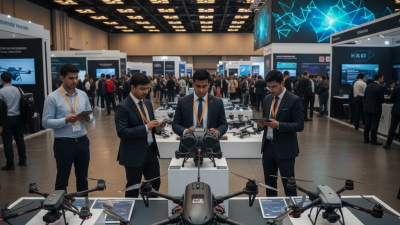
Lately, the market for Professional UAV Drones has been growing like crazy. Thanks to tech getting better and more industries realizing how useful these drones can be, things are REALLY picking up. I read somewhere that, according to the Drone Industry Association, the global commercial drone market might hit over $43 billion by 2026. Crazy, right? That’s a huge opportunity for anyone looking to get into this field or invest in these high-end drones.
Dr. Emily Chen, who’s a top expert in aerial robotics, summed it up pretty well—she said, “The evolution of Professional UAV Drones is totally changing the game across industries, from farming to delivery services.” Her point really hits home — these drones are not just gadgets anymore; they’re reshaping how we do things. But, here’s the thing: jumping into this world isn’t always straightforward. There’s a lot to consider, and not every drone is perfect — reliability and performance vary a lot from model to model.
If you’re thinking of buying, it’s crucial to look at stuff like how much weight they can carry, how far they can fly, and what the rules say you gotta do to stay compliant. Plenty of users out there talk about how tricky it can be to get these drones to fit smoothly into their workflows. Sometimes, quality issues or support headaches can get pretty frustrating. Still, all the innovation and the ongoing developments in this space suggest there’s a pretty bright future ahead for anyone willing to really dig into what these professional UAVs have to offer.
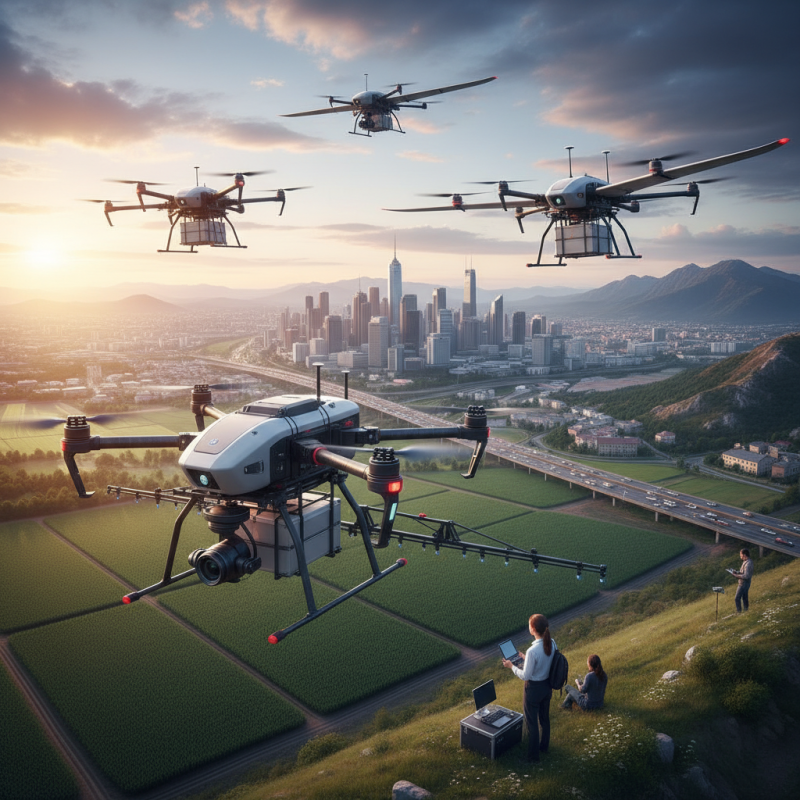
Best Professional UAV Drones for Global Buyers in 2026
As we approach 2026, the professional UAV drone market continues to evolve rapidly. These devices are becoming indispensable tools across various industries. From agriculture to construction, professionals are leveraging drones for efficiency and accuracy. Yet, navigating this market can be complex.
When selecting a drone, factors like payload capacity, flight endurance, and ease of use matter greatly. A drone may have impressive specs but requires skill to operate. Users often overlook the importance of software compatibility. High-quality aerial imaging is crucial, but it needs reliable data processing tools. Professionals should be cautious about overestimating their drone’s capabilities.
The need for training is another vital aspect. Many users purchase advanced drones only to struggle with their features. Investing time in training sessions will pay off in the long run. Moreover, staying updated on regulation changes is essential for compliance. This aspect can easily catch users off guard. Balancing technology and regulation is key for safe and effective drone use. Understanding these elements will lead to smarter purchasing choices in the future.
Overview of the UAV Drone Market Trends and Innovations
The UAV drone market is rapidly evolving. Recent reports indicate this sector is expected to reach a valuation of $46.8 billion by 2026. Innovations in drone technology play a critical role in this growth. The rise of AI integration allows for improved navigation and obstacle avoidance. Such advancements enhance safety, making drones more appealing for various industries.
The demand for drones in commercial sectors is increasing. Applications in agriculture, construction, and emergency services highlight this trend. Commercial drone deliveries are projected to skyrocket. It’s estimated that by 2025, 75% of all goods delivered will involve drone support. However, regulatory challenges still pose obstacles. Companies must navigate complex regulations in different regions.
Consumer preferences are shifting towards more versatile drones. Advanced features, such as enhanced battery life and 4K cameras, are now standard. This increase in capability raises questions about user training and operational safety. As drones see wider adoption, it’s crucial to address these issues. Companies must focus on creating user-friendly interfaces while maintaining reliability.
Key Features to Consider When Selecting a Professional UAV Drone
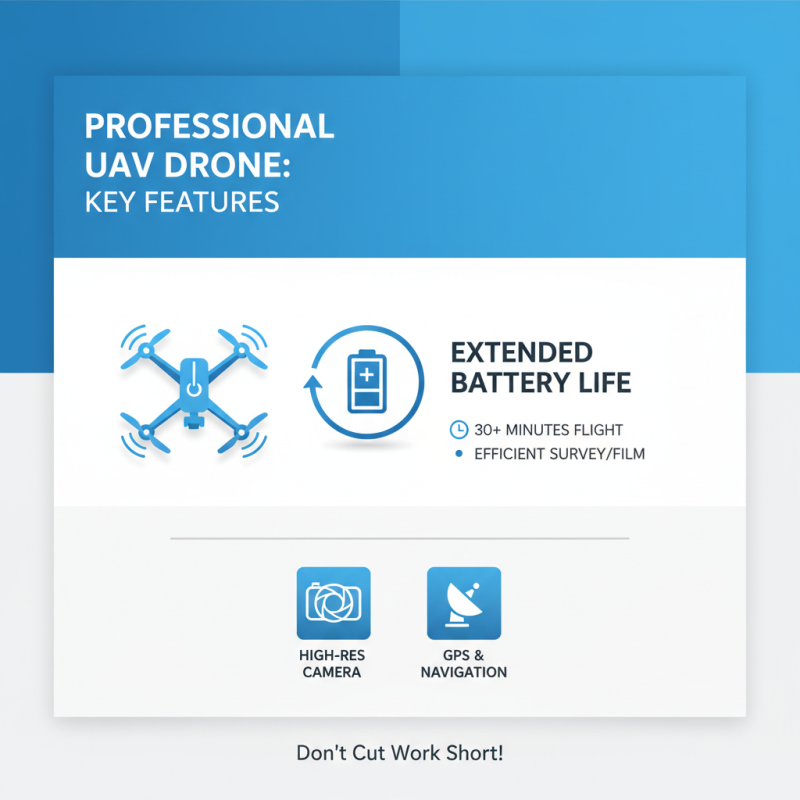
When choosing a professional UAV drone, it’s essential to consider several key features. Battery life is crucial. A longer battery allows for extended flight time, enhancing efficiency in tasks such as surveying or film production. Aim for models that offer at least 30 minutes of operational time. This ensures you won’t have to cut short your work due to power issues.
Camera quality is another critical aspect. High-resolution cameras with reliable stabilization can dramatically improve the final output. Many professionals rely on drones for aerial photography and videography. A drone with 4K video capability or higher is often preferred. However, camera enhancements can increase overall drone costs.
Navigation technology is worth examining as well. Advanced GPS and obstacle avoidance features enhance safety and reliability. These technologies can prevent accidents and ensure smooth operation. However, some users struggle with the learning curve associated with advanced systems. It's important to remember that while high-tech features seem appealing, they can complicate usage for beginners. Make sure to weigh these factors against your specific needs and level of expertise.
Top UAV Drone Brands Making Waves in 2026
The UAV drone market is evolving rapidly. Many brands are crafting innovative solutions for various industries. Reports suggest that the global UAV market is projected to reach $58 billion by 2026. This growth is driven by the demand for aerial services in agriculture, construction, and surveillance.
Several top UAV brands are making significant strides this year. They are focusing on optimized flight times and enhanced imaging options. For instance, advancements in battery technology are increasing flight durations, allowing drones to cover larger areas efficiently. Moreover, several companies are integrating artificial intelligence to improve obstacle detection and navigation capabilities.
However, the rise in capabilities also brings challenges. Not all brands prioritize safety features, leading to concerns among users. Some drones have faced issues with reliability under adverse conditions. It is crucial for buyers to research thoroughly and choose from top-rated professional drones that demonstrate proven endurance and stability. Understanding these factors will empower global buyers to make informed decisions in a competitive market.
Comparative Analysis of UAV Drone Models Available Globally
The world of UAV drones is rapidly evolving. For global buyers, understanding the differences in drone models is crucial. Each model offers unique features tailored for various needs. From professional photography to agricultural monitoring, the choices can be overwhelming.
In a comparative analysis, consider key factors such as battery life, camera quality, and range. A good Professional Drone Camera should provide high-resolution images for detailed inspections. Drones with longer flight times allow for extended operations, which is critical for large projects.
Tips: When selecting a drone model, prioritize your specific use case. Understand the terrain and conditions in which you'll operate. Always check for maintenance needs and technical support availability. Flaws in design or software can hinder performance, making it essential to read user reviews. Balancing budget and functionality often poses a challenge. Striving for the best value will ensure your investment pays off in the long run.
Applications of Professional UAV Drones Across Various Industries
Professional UAV drones are increasingly integral across various industries in 2026. Their applications span from agriculture to construction, providing invaluable data and insights. Reports indicate that the drone market is projected to reach $43 billion by 2026, with a compound annual growth rate (CAGR) of 14% from 2021 to 2026. In agriculture, drones enable precision farming by providing aerial imagery and real-time data analysis. This technology helps farmers optimize crop yields and monitor field health.
In real estate and construction, Professional Drone Photography has revolutionized how properties are marketed. High-resolution aerial shots enhance listings, leading to faster sales. Drones also play a role in site surveys, significantly reducing time and costs. A recent survey highlighted that 70% of construction companies use UAVs for project management and site inspections, improving efficiency.
Tips: Always consider the regulations regarding UAV flights in your region. Staying informed can prevent costly fines. Additionally, invest in proper training for operators. While drones provide immense benefits, human skill remains crucial. Evaluate technological limitations, as weather conditions or battery life can impact drone performance. Continuously assess your needs and adapt your drone usage strategies.
Future Outlook: What to Expect in UAV Drone Development by 2026
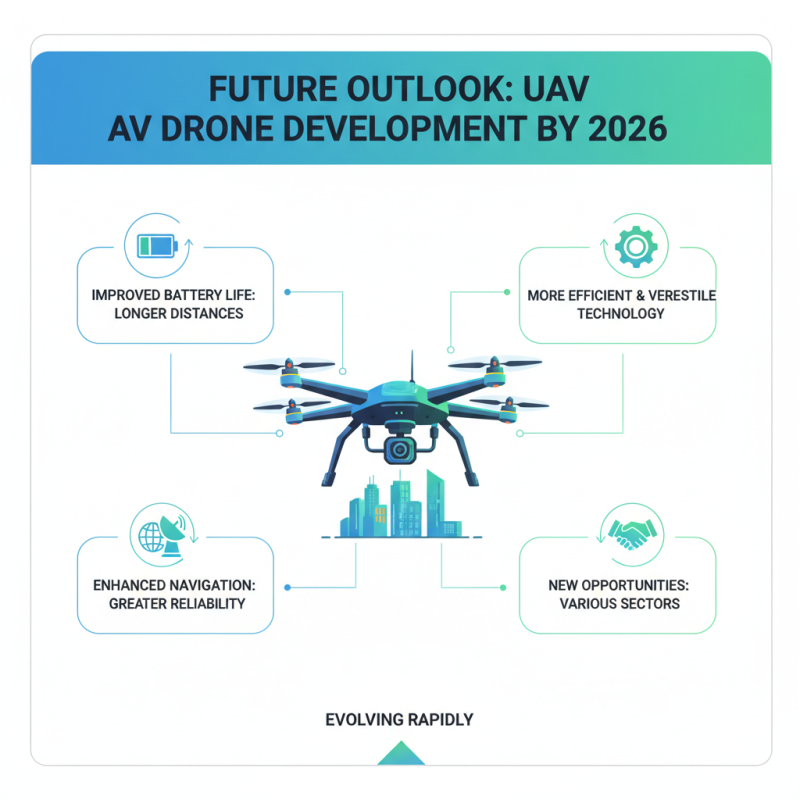
The UAV drone market is evolving rapidly. By 2026, we can expect notable advancements in Vtol Uav technology. These drones are becoming more efficient and versatile. With improved battery life, they can cover longer distances. Enhanced navigation systems will also contribute to their reliability. This advancement opens opportunities in various sectors.
The integration of AI will play a significant role. Drones will analyze data on-the-fly, providing real-time insights. However, there are challenges ahead. Regulatory frameworks lag behind technological growth. This poses risks and uncertainties for developers. Safety must not be compromised in pursuit of innovation.
User feedback will shape future designs. Listening to operators can result in more functional drones. Sustainability is a concern too. As green technologies evolve, they may influence drone manufacturing. The goal is to minimize environmental impact. Balancing these factors is crucial for future UAV success.
Optimizing Drone Performance with High Frequency Head SHF433: A Comprehensive Guide
Optimizing drone performance is a critical aspect for enthusiasts and professionals alike, and one of the most effective ways to enhance this performance is by utilizing a high-frequency head, like the SHF433. This specialized component is essential for improving video signal quality and stability during flight, which is crucial for applications ranging from aerial photography to surveying. A strong and clear video feed ensures that operators can maintain control and capture high-quality footage without interruption, even in challenging environments.
In addition to video enhancements, a high-frequency head contributes significantly to a drone's flight endurance. By effectively managing the communication between the drone and its remote control, these components allow for extended range and better response times. This means that drone pilots can explore greater distances and tackle more complex tasks without the concern of signal loss. Whether for commercial drone applications or recreational use, investing in a high-frequency head is a vital step toward maximizing drone capabilities and ensuring a successful flying experience.
For those looking to upgrade their drone systems, it is also important to consider other supportive accessories, such as drone motors and video transmitters that work in tandem with the high-frequency head. Each of these components plays a role in achieving optimal performance, allowing users to take full advantage of their drones' potential. By selecting the right combination of accessories, drone operators can elevate their flying experience and maintain a competitive edge in the rapidly evolving drone landscape.
FAQS
AI enhances navigation and obstacle avoidance, improving safety and reliability in drone operations.
Drones are widely used in agriculture, construction, real estate, and emergency services, providing valuable data.
Companies must navigate complex regulations and ensure they meet safety standards while innovating.
Proper training is essential for safety and effective use of advanced drone features and technologies.
Drones provide aerial imagery and real-time data, helping farmers optimize crop yields and monitor field health.
We anticipate improvements in battery life, navigation systems, and real-time data analysis capabilities.
The adoption of green technologies will influence sustainable practices in drone manufacturing, minimizing environmental impact.
Users should stay informed about local UAV flight regulations to avoid fines and legal issues.
Evaluate technological limitations such as weather and battery life, adjusting usage strategies accordingly.
Conclusion
The article "Best Professional UAV Drones for Global Buyers in 2026" explores the evolving landscape of the UAV drone market, highlighting key trends and innovations that are shaping the industry. It emphasizes essential features to consider when selecting Professional UAV Drones, including flight time, camera quality, and payload capacity. Additionally, the article provides a comparative analysis of various drone models available globally, aiding buyers in making informed decisions.
Furthermore, it delves into the diverse applications of Professional UAV Drones across industries such as agriculture, construction, and surveillance, showcasing their growing significance in enhancing operational efficiency. The conclusion offers a future outlook on the development of UAV drones, predicting advancements in technology and capabilities that are expected by 2026. This comprehensive overview serves as a guide for potential buyers looking to invest in Professional UAV Drones in the coming years.