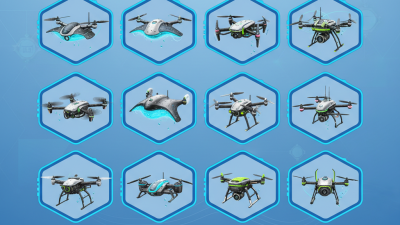
As we edge closer to 2026, it's pretty clear that the demand for advanced tech across various industries is only really picking up. One standout is the Infrared Drone. This gadget is honestly a game-changer for fields like farming, search and rescue, and more. It can detect heat and give really sharp images even when visibility is low, which is totally transforming how we handle some of the trickier challenges out there.
Big players like DJI and FLIR Systems are pouring serious money into this space. Their experience with top-tier drones gives a lot of confidence in the infrared segment. But here’s the thing—while the tech is moving fast, there are some risks too. A lot of folks might overlook important stuff like maintenance and safety, which can actually cause performance issues or even safety concerns. That raises some questions about whether these drones can always be trusted or relied on.
If you're buying or using infrared drones globally, it’s super important to stay up-to-date on the latest trends. Getting to know different models and what they’re best for is key. With so many options out there, it can be pretty overwhelming to tell the good from the not-so-great. So yeah, having a good bit of knowledge can really save you a lot of headaches—think of it as your secret weapon for making smarter choices that keep things both effective and safe.
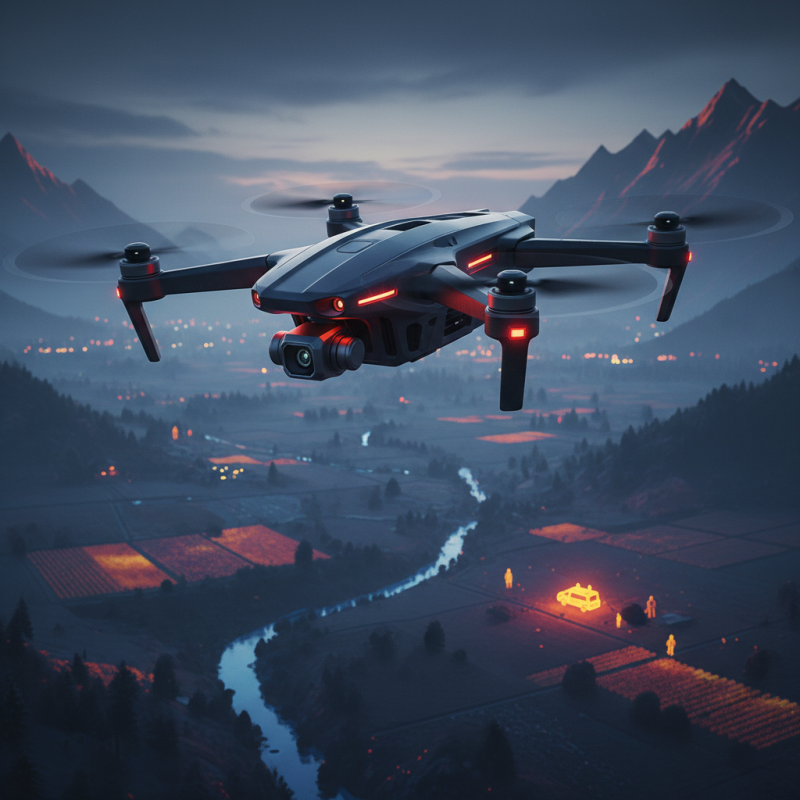
The market for infrared drones is evolving rapidly. Buyers today are increasingly focused on enhanced imaging capabilities and automation. According to industry reports, the global infrared drone market is expected to grow at a CAGR of 15% from 2023 to 2030. This growth indicates a higher demand for advanced thermal imaging technology.
New features are emerging. Drones equipped with high-resolution infrared sensors can detect heat signatures even in challenging environments. This capability is crucial for sectors like agriculture, where crop health is assessed through temperature variations. Users benefit from real-time data collection. The potential to optimize resources and improve efficiency is significant, but challenges remain.
Cost and complexity are two primary concerns. Many potential users may find the initial investment daunting. Training programs for effective use of infrared technology are also necessary. Industry experts emphasize the importance of user education, mitigating risks associated with drone operation. As the trend toward Drone Rc Drone technology grows, understanding these nuances is essential for global buyers looking to make informed decisions.
As infrared drones gain popularity, several key features will stand out in 2026. First, thermal imaging resolution will be critical. A minimum resolution of 640x512 pixels is recommended for clear detail. High-resolution sensors help in detecting minute differences in temperature. This detail is essential for search and rescue operations and agricultural monitoring.
Next, consider flight time and battery life. Many models now offer over 30 minutes of operational capacity. Longer flight times allow for wider area coverage without frequent landings. Robust battery technology continues to evolve, enhancing reliability. However, users need to balance battery life with payload capabilities. Sometimes, carrying more equipment limits flight duration.
Ease of use is increasingly important. User-friendly interfaces and intuitive controls make these drones accessible. Training staff becomes less complicated when systems are designed for simplicity. Nonetheless, the learning curve may still present challenges. Enthusiasts might struggle with advanced settings. Incorporating user feedback can help manufacturers address these issues effectively. It's a journey toward refining usability while maximizing performance.
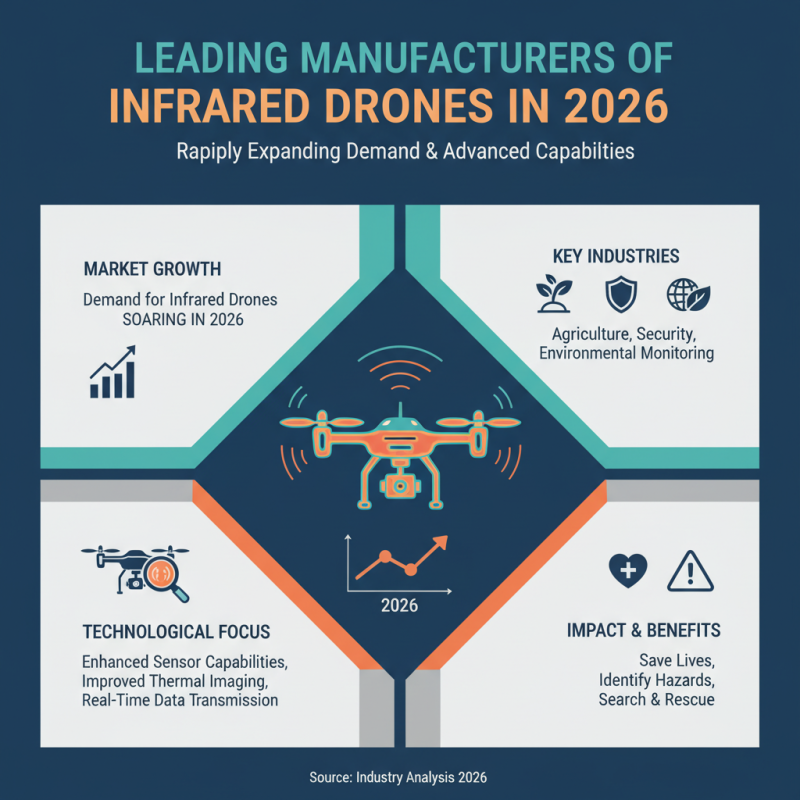
In 2026, the demand for infrared drones is rapidly expanding. These sophisticated devices are essential in various industries, including agriculture, security, and environmental monitoring. Leading manufacturers are focusing on enhancing sensor capabilities. Enhanced thermal imaging allows for improved performance in search and rescue operations. Notably, infrared drones provide crucial real-time data, helping teams save lives and identify potential hazards.
Different manufacturers are developing unique solutions. Some innovate with lighter materials for better maneuverability. Others prioritize battery life and data processing speed. Inmissions for thermal imaging have made significant progress. Coatings and protective designs are also evolving. However, disparities in technology and quality remain a concern.
While advancements are impressive, challenges persist. Reliability can be inconsistent across different models. Users often report issues with software glitches. Each drone needs rigorous testing before deployment. The market still lacks standardized benchmarks for performance assessment. As the sector matures, addressing these inconsistencies will be crucial for manufacturers. The future of infrared drones relies on balancing innovation with reliability, ensuring users can trust these tools in critical situations.
The market for infrared drones is rapidly evolving. Trends in technological advancements and applications are reshaping the landscape. According to a recent report by MarketsandMarkets, the infrared drone market is expected to grow by over 10% annually through 2026. This growth is driven by increasing demand for surveillance, search and rescue operations, and agricultural monitoring.
Comparative analysis reveals varying capabilities among infrared drones worldwide. Some models excel in thermal sensitivity, while others may lack optimal range. For instance, recent evaluations show that drones with a resolution of 640 x 512 pixels deliver superior detail in thermal imaging. This is significant for tasks requiring precise temperature differentials, such as identifying hot spots in agriculture. However, not all models maintain consistent performance under varying climatic conditions.
User feedback highlights both strengths and weaknesses in different models. Several buyers note issues with battery life and terrain adaptability. While some drones excel in urban landscapes, they struggle to perform in rugged terrains. Continuous improvement is essential to address these challenges. As innovation continues, users must weigh factors like performance consistency against unique operational needs. This analysis aims to guide informed decisions in a rapidly changing landscape.
| Model | Weight (kg) | Max Flight Time (min) | Camera Resolution (MP) | Price (USD) |
|---|---|---|---|---|
| Model A | 1.2 | 25 | 12 | 1500 |
| Model B | 1.5 | 30 | 20 | 2500 |
| Model C | 1.8 | 20 | 16 | 1800 |
| Model D | 2.0 | 35 | 30 | 3000 |
| Model E | 1.3 | 40 | 24 | 2200 |
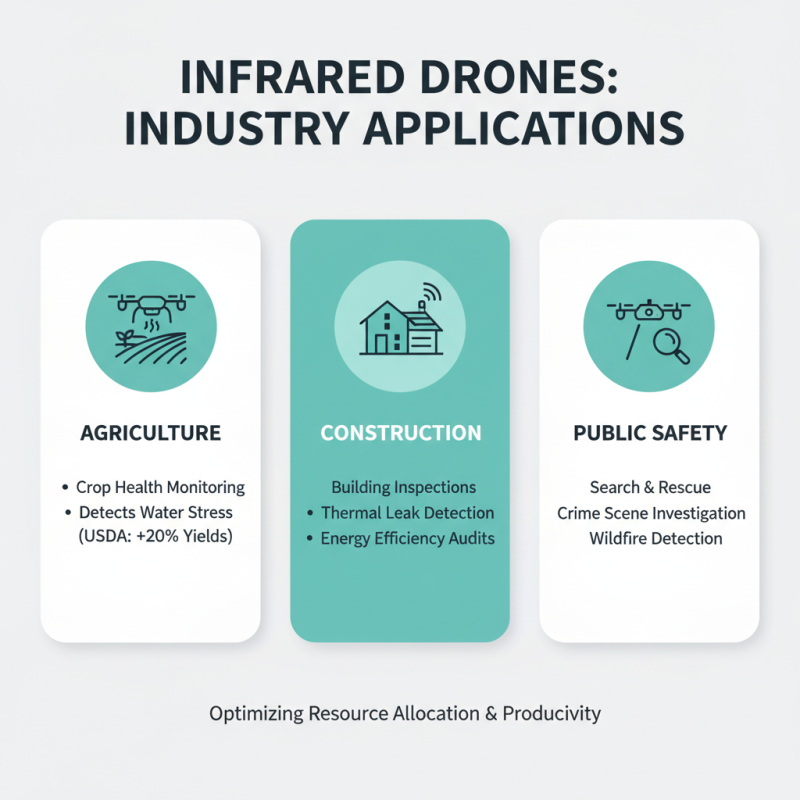
Infrared drones have revolutionized various industries by providing advanced imaging capabilities. In agriculture, they help farmers monitor crop health more effectively. A study from the U.S. Department of Agriculture noted that infrared imagery can detect water stress in plants, improving yields by 20% or more. This demonstrates how they can optimize resource allocation, enhancing overall farm productivity.
In emergency response, infrared drones are invaluable. They assist in search and rescue missions, identifying heat signatures even in the dark. Reports from the National Fire Protection Association highlight that these drones can reduce response times by up to 30%. Yet, challenges remain. Ensuring data accuracy and reliability can be tricky. Technicians must regularly calibrate their Drone Kits to maintain optimal performance.
Infrared drones also find applications in infrastructure inspection. They can quickly detect thermal anomalies in electrical systems. A 2021 report indicated that using drones can reduce inspection costs by 50%. However, the technology isn’t without flaws. False positives may occur, leading to unnecessary interventions. Continuous training and proper maintenance of drone kits are essential to mitigate such issues.
The regulatory landscape for infrared drones is shifting rapidly. As more countries recognize the benefits of this technology, new rules are emerging. These changes can directly impact sales and manufacturing. For buyers, understanding these regulations is crucial. Compliance can enhance the reliability and safety of their operations.
Tips: Before purchasing, research local regulations on drone use. Each region may have distinct requirements that affect how you can operate your infrared drone. Stay informed to avoid potential fines or operational setbacks.
The evolving policies also highlight the need for adaptability. Companies focused on Fpv Drone technology must monitor these regulations closely. Regulations can vary significantly by location. This inconsistency can create confusion among buyers. Some may hesitate to invest in new models due to unclear rules.
Tips: Consider joining online forums or groups that discuss regulatory updates. Engaging with a community can provide insights and share experiences regarding drone regulations. Understanding these nuances could give you a competitive edge.
The infrared drone market is expected to see significant growth over the next few years. According to a recent industry report, the market is projected to expand at a compound annual growth rate (CAGR) of over 15% from 2024 to 2030. This trend is largely fueled by various sectors, including agriculture, surveillance, and disaster management, which increasingly rely on advanced drone technologies.
Emerging innovations in sensor technology are poised to further enhance infrared drone capabilities. For instance, breakthroughs in thermal imaging systems enable drones to detect heat signatures more accurately. This enhancement is critical for applications like wildlife monitoring and search-and-rescue operations. Professionals in these fields require accurate data to make timely decisions, highlighting the importance of reliable drone technology.
However, certain challenges remain. The integration of artificial intelligence with infrared drones for real-time data analysis is still in its early stages. There are concerns about data privacy and security that need addressing. Additionally, not all regions have adequate regulatory frameworks for drone use, potentially hindering market growth. Stakeholders must carefully navigate these issues to fully realize the potential of infrared drones in various applications.
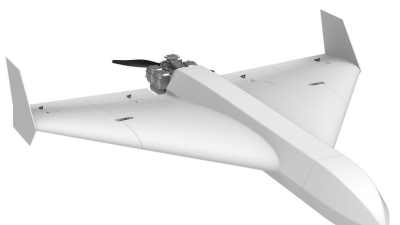
The STX50 Fixed Wing Drone stands out in the realm of UAV technology, particularly for its impressive capacity to carry payloads of up to 50kg over long distances. One of the focal points of this drone is its adaptability in missions requiring extensive operational range without compromising on performance. This drone is designed for various applications, from agricultural surveillance to search-and-rescue operations, showcasing its versatility in the field. According to industry reports, drones like the STX50 are revolutionizing logistics and surveillance services, with projections estimating a market growth rate of 15% annually driven by advancements in drone technology.
In terms of its capabilities, the STX50 employs advanced engineering to ensure reliability and effectiveness during long-duration flights. Rigorous testing protocols executed by engineers and quality control staff encompass performance, stability, and accuracy to ensure that the drone operates under diverse environmental conditions. The dual-launching mechanisms—rocket booster and car-based launcher—further enhance its operational flexibility, enabling it to adapt to various terrain and mission requirements. Such features are critical in enhancing operational efficiency, as highlighted in recent studies suggesting that drones can significantly reduce the time required for data collection and inspection tasks.
Moreover, the customizable Electro Optical Pod adds a layer of personalization, allowing operators to equip the drone according to specific mission needs. This adaptability not only maximizes the drone's potential performance but also aligns it with the strategic objectives of various industries. As the demand for sophisticated and efficient UAV solutions increases, the STX50 proves to be a formidable candidate in the drone market, offering a combination of high payload capacity, extended flight time, and customized operational capabilities.
: The market is focusing on enhanced imaging capabilities and automation. Expect strong growth in the coming years.
It helps optimize resources and improve efficiency, particularly in agriculture. Users can assess crop health effectively.
Cost and complexity are major concerns. Initial investments can be daunting for many potential users.
Training is essential to mitigate risks and ensure effective use of infrared technology. Lack of knowledge can lead to mistakes.
New rules can affect sales and manufacturing directly. Buyers must understand compliance to ensure safety and reliability.
Research local regulations on drone use. This helps avoid fines and identifies operational requirements.
Joining online forums or groups can provide valuable insights and experiences regarding drone regulations.
High-resolution sensors can detect heat in tough environments. This is crucial for monitoring agricultural crop health.
Yes, regulations can significantly differ by location, confusing buyers about operational capabilities.
Unclear regulations may deter investment. Users might hesitate to adopt new models without understanding compliance requirements.
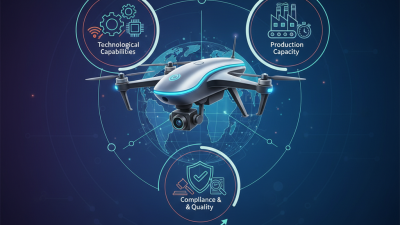
The article titled "2026 Best Infrared Drone for Global Buyers Trends?" explores the latest advancements and trends in infrared drone technology, aimed at informing global buyers about key developments in the sector. It highlights essential features to consider when selecting infrared drones in 2026, emphasizing factors such as thermal imaging capabilities and operational efficiency. Additionally, the piece discusses leading manufacturers in the infrared drone market and provides a comparative analysis of various models available worldwide.
The article further delves into the diverse applications of infrared drones across multiple industries, showcasing their growing significance in sectors like agriculture, construction, and public safety. It also examines the impact of regulatory changes on the sales of infrared drones, revealing how compliance can affect market dynamics. Finally, the article offers future predictions for growth and innovation in the infrared drone market, underscoring the potential for these technologies to revolutionize traditional practices while enhancing operational efficiencies.