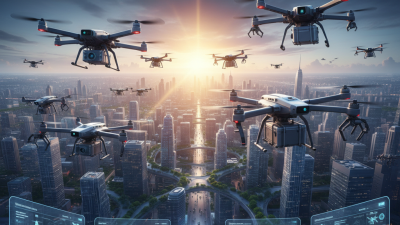
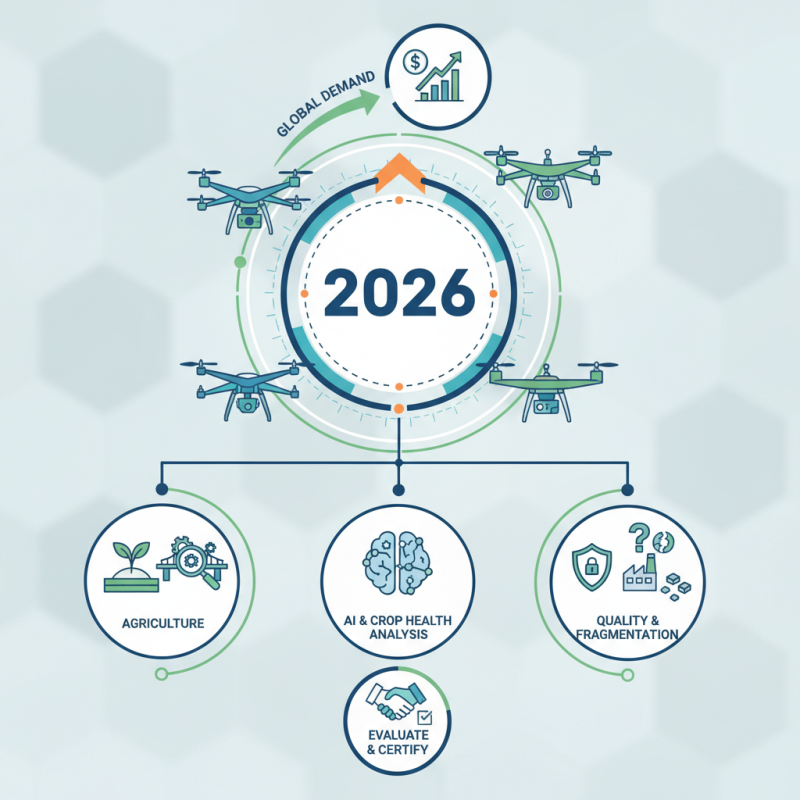
The industrial drone market is really picking up speed lately, thanks to some pretty exciting tech developments and an increasing demand across various industries. If you look at the latest reports, global demand for these drones is expected to hit around $43 billion by 2026—it's nuts! Companies like DJI and Parrot are really leading the charge, pushing boundaries from agriculture all the way to infrastructure inspections.
What’s really interesting is how much these drones can do now. For example, in farming, drones equipped with AI are used to assess crop health, which helps farmers predict yields more accurately. It’s a clear example of how the industry is evolving to meet real-world needs. That said, it’s not all smooth sailing—there are hurdles like regulatory stuff and privacy issues that can slow things down. Plus, with so many manufacturers out there, the quality isn’t always consistent, which can make things a bit messy.
If you’re thinking about jumping into this space, you’ve got to do your homework. It’s important to carefully check out what technology and support each company offers. Look for providers with a solid track record—they’re the ones who'll be able to deliver reliable drones suited for different tasks. And as we move toward 2026, really understanding the ins and outs will be key for buyers around the world trying to make smart decisions in this rapidly changing market.
China's Industrial Drone Market Overview for 2026
China's industrial drone market is set to expand significantly by 2026. This growth is driven by advancements in technology and increasing demand for aerial solutions. Industries such as agriculture, construction, and logistics are exploring the capabilities of drones. Adoption rates are rising as companies realize the benefits of enhanced efficiency.
In recent years, the focus has shifted to Industrial Quadcopter Drones. These drones offer superior payload capabilities and longer flight times. They can inspect infrastructure, monitor crops, and assist in deliveries. However, integration into existing operations presents challenges. Businesses must adapt to new workflows and invest in training. The regulatory environment also requires attention. Compliance with local laws is crucial for safe and effective operations.
The competitive landscape will become more dynamic. Local manufacturers are innovating and reducing costs, making drones more accessible. Global buyers should consider factors like reliability and support services. While the future looks promising, caution is necessary. The path to successful adoption involves overcoming practical hurdles and aligning technology with business needs.
Key Features and Specifications of Chinese Industrial Drones
Chinese industrial drones are gaining attention from global buyers, especially with projections for market growth. According to a recent report from the Drone Market Research Institute, the industrial drone sector is expected to reach $45 billion by 2026. This raises questions about what features set these drones apart in the competitive landscape.
Many manufacturers focus on unique specifications. High payload capacities and extended flight times are critical for effective operations. Some models offer payload capacities exceeding 5 kg, allowing for versatile applications. Flight times often extend up to 60 minutes, depending on the configuration. Such capabilities make drones suitable for industries like agriculture, construction, and logistics.
GPS accuracy is vital. Many drones achieve an accuracy level of 2.5 meters. This precision enhances their usability in tasks requiring high detail.
However, there are areas for improvement. Battery life remains a challenge, with many users reporting inconsistent performance in real-world scenarios. Connectivity can also falter in remote regions. Addressing these issues will be crucial for enhancing reliability. Buyers should weigh these aspects carefully. Choosing the right Drone Rc Drone involves understanding the specifications alongside the practical challenges that lie ahead.
Top Chinese Manufacturers Dominating the Drone Industry
The drone industry has witnessed rapid growth in China, with several manufacturers leading the charge. By 2026, data suggests that the market for industrial drones could exceed $13 billion globally.
Chinese firms have become key players, especially in sectors like agriculture, logistics, and SAR (Search And Rescue) operations.
Recent reports from industry analysts indicate that Chinese manufacturers account for over 70% of global drone production. Their focus on innovation and cost-effective solutions attracts international buyers. Notably, the integration of advanced technology, such as AI and autonomous navigation, is becoming a standard feature. This has resulted in drones capable of both complex tasks and routine operations.
However, challenges remain. Quality control issues and regulatory hurdles can hinder growth. Some buyers report inconsistencies in product performance. Investing in R&D and adhering to stricter quality standards could improve the reputation of these manufacturers. As the market evolves, ensuring reliability and efficiency will be crucial for maintaining dominance in the global landscape.
Innovative Technologies in China's Industrial Drones
In recent years, China has emerged as a leader in the development of industrial drones. Innovative technologies are driving this transformation. The global drone market is projected to reach $29.8 billion by 2026, with China holding a significant share. Advanced automation and artificial intelligence are enhancing drone capabilities, leading to smarter and more efficient operations. These technologies allow drones to collect data with high precision.
Data from industry reports indicate that over 50% of industrial drones in China feature automated flight. This trend reflects the rising demand for efficiency, especially in agriculture and infrastructure sectors. However, challenges remain. Regulatory frameworks for drone usage in many countries are evolving, potentially hindering international sales. Additionally, while technological advancements are impressive, they often come with high operational costs. Balancing innovation with affordability continues to be a pressing concern for manufacturers.
The integration of machine learning is also notable. Drones can now analyze vast datasets in real-time. This capability is crucial for applications like monitoring crop health or inspecting critical infrastructure. Nonetheless, reliance on technology raises questions about data security and privacy. As the industry progresses, these ethical considerations must be addressed to foster trust among users and regulators alike.
China Best Industrial Drones for Global Buyers in 2026
| Model |
Payload Capacity (kg) |
Flight Time (mins) |
Range (km) |
Camera Resolution (MP) |
Applications |
| Model A |
15 |
30 |
25 |
24 |
Agriculture, Surveillance |
| Model B |
10 |
40 |
30 |
20 |
Inspection, Delivery |
| Model C |
20 |
35 |
20 |
30 |
Mapping, Construction |
| Model D |
25 |
25 |
40 |
48 |
Search and Rescue |
Global Demand Trends for Chinese Industrial Drones in 2026
The global demand for Chinese industrial drones is set to rise significantly by 2026. According to recent reports, the international market for industrial drones is projected to grow at a CAGR of over 20% during this period. This growth will be driven by advancements in drone technology and increased applications across various industries, from agriculture to construction. Notably, sectors like logistics and surveillance are expected to provide substantial opportunities for Chinese manufacturers.
As more companies recognize the benefits of drone integration, the competition among manufacturers becomes critical. There's a growing need for reliable data and insights to guide purchasing decisions. Buyers should consider factors such as flight time, payload capacity, and sensor quality. Quality assurance and after-sales support are essential. It's vital to research and assess the performance of different models before making a selection.
Tips: Investigate regional regulations that may impact drone operations. Ensure compliance to avoid costly fines or operational interruptions. Stay updated on technological advancements that can enhance drone functionality. Not all features may be necessary for every user. Focus on what suits your specific needs.
Global Demand Trends for Chinese Industrial Drones in 2026
Regulatory Considerations for Importing Chinese Drones
When planning to import Chinese drones, regulatory considerations become crucial.
Different countries have varying rules regarding drone imports. Understanding these regulations is essential for compliance and safe operations.
It is vital to research the specific import laws in your country. This process can be time-consuming but is necessary to avoid legal issues.
Additionally, certifications may be required for drones. Many nations mandate that drones meet safety and technical standards before importation.
Importers must ensure that the drones comply with these standards. This might involve additional documentation and testing.
It is not always a straightforward process. Engaging with customs experts can facilitate smoother importation.
Moreover, staying updated on changes in regulations is important. Rules can shift based on political or technological developments.
This can impact the ability to import certain models. Being proactive in understanding these changes can help inform decisions.
It can also lead to better import strategies.
Comparative Analysis: China vs. Global Competitors in Drones
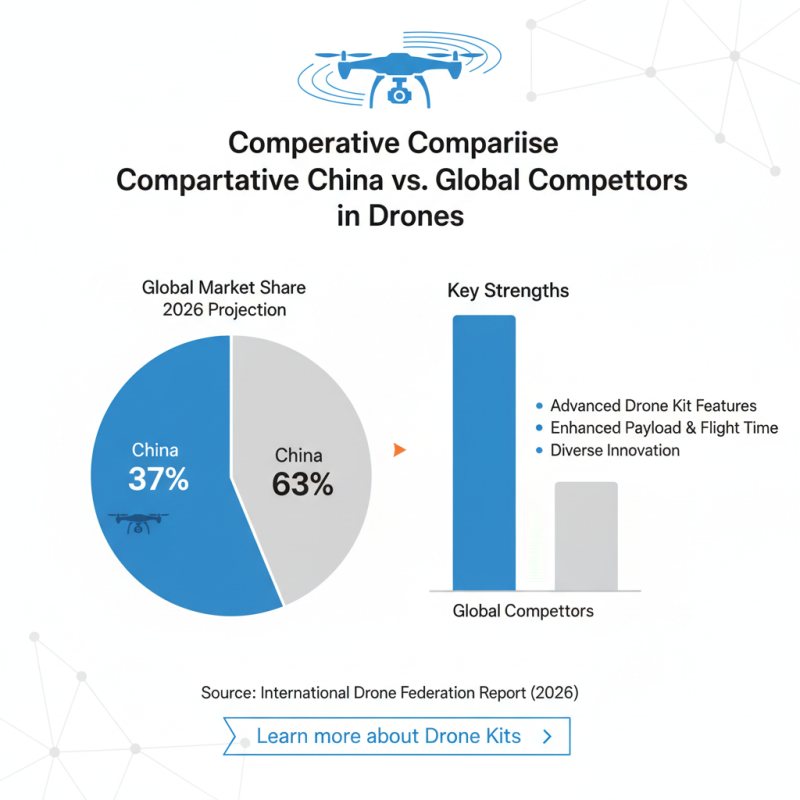
In the evolving landscape of drone technology, China stands out as a key player. A report from the International Drone Federation highlights that China's drone manufacturing sector will capture 37% of the global market by 2026. This growth is fueled by advanced features in their Drone Kit offerings, which include enhanced payload capacities and longer flight times.
However, competition remains stiff. Countries like the USA and Germany are investing heavily in R&D. They focus on safety regulations and high-performance drones. According to a recent industry analysis, global competitors combine cutting-edge technology with stringent compliance measures. This dual approach often leads to higher price points, making Chinese drones attractive for cost-sensitive consumers.
While Chinese manufacturers excel in affordability, quality concerns linger. Historical data indicates that issues such as reliability and support infrastructure often differ from their Western counterparts. Buyers are encouraged to weigh these factors carefully. Any discrepancies could impact long-term operational efficiency, making it crucial for global buyers to conduct thorough assessments before investing in a Drone Kit.
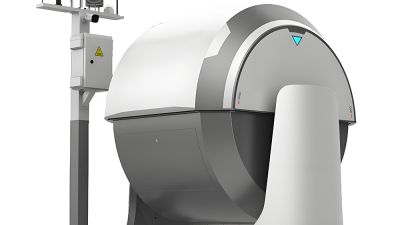
Maximizing UAV Operational Efficiency: Insights from the Global Drone Market Report 2023 on the SDH01 Automatic Drone Hangar at 5000m Altitude
The advancements in drone technology have opened up exciting opportunities for operational efficiency, particularly in remote areas. The focus on automatic drone hangars is pivotal, as these platforms offer unparalleled convenience for drone operations, especially at high altitudes. Such hangars are designed to enable automatic takeoff and landing, making them ideal solutions for logistical and surveillance missions in challenging environments.
One of the critical innovations in this field is the development of automatic drone hangars capable of operating at altitudes up to 5000 meters. These structures allow drones to be deployed from and returned to remote locations seamlessly. Not only do they facilitate autonomous flight, but they also manage vital functions such as battery charging and data collection without the need for human intervention. The integrated design optimized for high-altitude performance ensures that the drones can operate reliably in adverse weather conditions, including strong winds and heavy precipitation.
By leveraging cutting-edge technology, the automatic drone hangar represents a significant leap forward in maximizing UAV operational efficiency. Its ability to support unattended operations expands the possibilities for various applications, from comprehensive aerial surveys to emergency response initiatives, underscoring the crucial role of automated systems in enhancing drone capabilities in the modern landscape.
FAQS
: Innovative technologies, including artificial intelligence and automation, drive the change in China's industrial drone sector.
Over 50% of industrial drones in China feature automated flight capabilities, reflecting a demand for efficiency.
Regulatory frameworks, high operational costs, and the need for balancing innovation with affordability pose significant challenges.
Machine learning allows drones to analyze large datasets in real-time, essential for tasks like crop monitoring and infrastructure inspection.
Factors like flight time, payload capacity, sensor quality, and after-sales support are crucial for informed purchasing decisions.
The global market for industrial drones is projected to grow at over 20% CAGR, driven by technological advancements and additional applications.
China captures a significant market share, yet faces competition from nations focused on R&D and regulatory safety measures.
Buyers often worry about reliability and support infrastructure compared to Western manufacturers, so thorough assessments are necessary.
Compliance with local regulations is vital to avoid fines and interruptions, making research essential before drone operations.
Chinese drones often provide advanced features at lower prices compared to global competitors, making them attractive for budget-conscious buyers.
Conclusion
As the industrial drone market in China evolves towards 2026, it presents a dynamic landscape for global buyers. This overview highlights key features and specifications that define Chinese industrial drones, showcasing their advanced capabilities and innovations. Renowned for their cutting-edge technologies, these drones are becoming increasingly competitive on the global stage.
Moreover, understanding global demand trends for Chinese industrial drones is crucial for potential buyers. Regulatory considerations for importing these drones also play a significant role, affecting market dynamics. By analyzing China's industrial drone sector in comparison to global competitors, we can anticipate future developments and opportunities within this rapidly growing industry.