Leave Your Message
0%

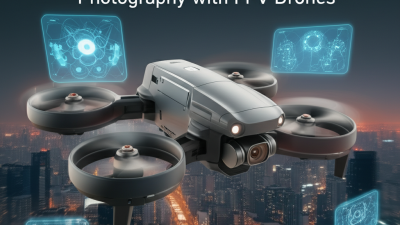
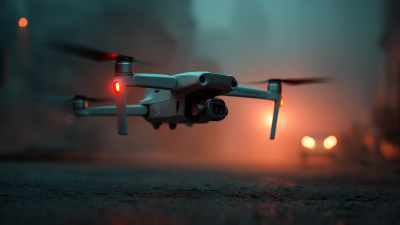
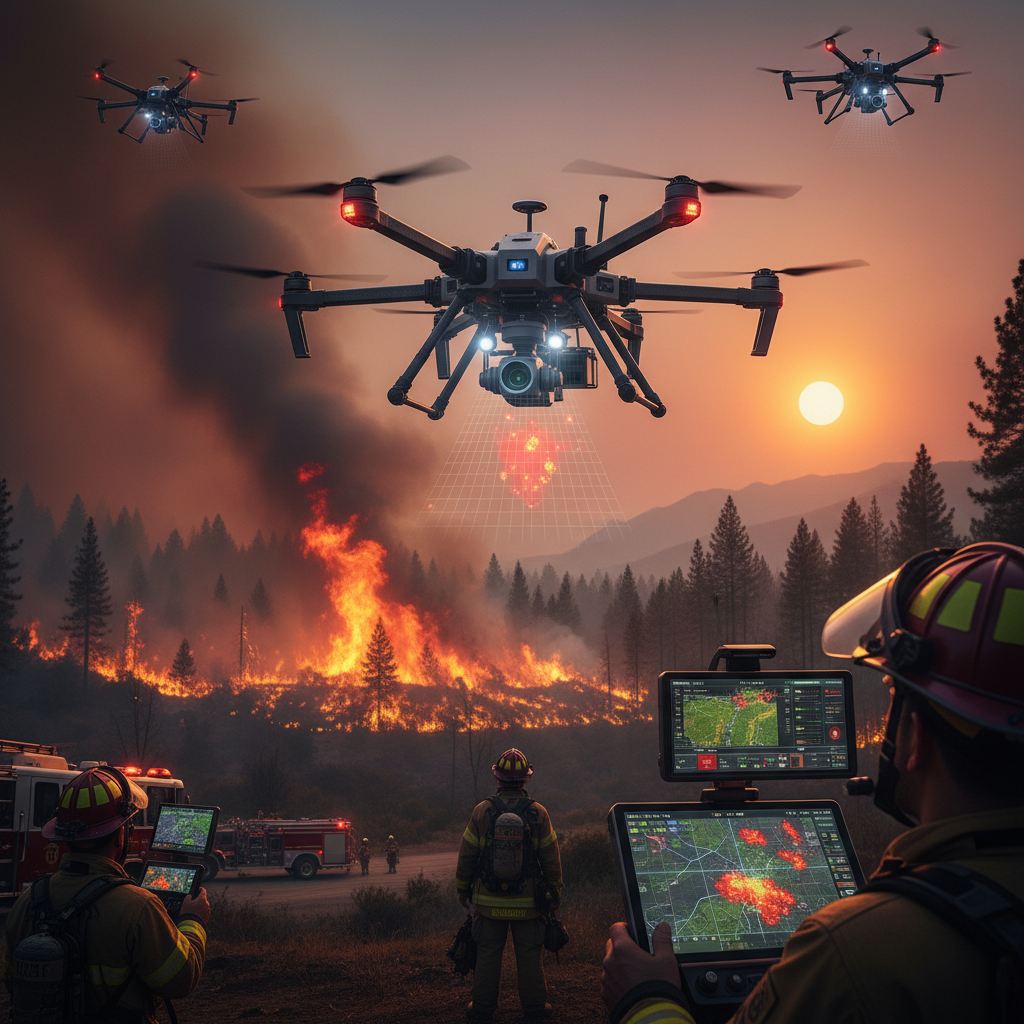
You know, as wildfires and industrial accidents seem to be on the rise, there's been a real push for more efficient and effective firefighting tools. That's where Fire Drones come into play — they've actually become a game-changer in aerial firefighting. In 2023, experts have been spotlighting the top ten fire drones that are really changing the way responders battle blazes from above. I recently read what Dr. Emily Carter, who's pretty well-known in drone tech and fire response circles, had to say: 'Fire Drones are more than just gadgets now; they're essential partners in our fight against fires, helping us gather crucial data and support that can save lives and protect property.'
10 Best Fire Drones for Extraordinary Aerial Firefighting in 2023

At Space Innovation Co., Ltd., we truly get how important innovation is when it comes to drones. Having been in the game over ten years — focused on research, development, manufacturing, and sales of UAVs and drone accessories right in Shenzhen — we're fully committed to pushing fire drone tech forward. Our latest products are built to give firefighting teams around the world a real boost, making sure they’re equipped with the best tools out there. As we check out the top 10 fire drones for incredible aerial firefighting in 2023, it’s pretty clear how these high-tech machines are transforming modern firefighting methods.

Top Features to Look for in 2023's Best Firefighting Drones

When selecting the best firefighting drones for 2023, it’s crucial to focus on several key features that enhance their performance in emergencies. First and foremost, an effective firefighting drone should possess strong thermal imaging capabilities. This technology allows operators to detect heat signatures through smoke, enabling them to identify hotspots and monitor the fire's progression from a safe distance. High-resolution cameras paired with advanced imaging systems can significantly increase situational awareness, proving essential for both aerial assessment and strategic planning in firefighting efforts.

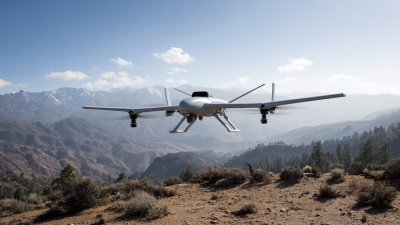
Another essential feature is the drone's payload capacity. Firefighting drones equipped to carry water or fire retardant can deliver critical support to ground teams during wildfires. A drone designed with robust motors and a well-structured frame not only facilitates the safe transport of these materials but also ensures stability and control while in flight. Additionally, flight time and battery life are paramount; drones that can sustain longer operational periods allow for continuous monitoring and response to changing fire conditions, ultimately enhancing efficiency and effectiveness in combating fires.

Innovative Technologies Transforming Aerial Firefighting in 2023

In 2023, aerial firefighting is witnessing transformative advancements through innovative technologies that enhance efficiency and effectiveness. Drones equipped with infrared sensors and high-resolution cameras are becoming crucial tools for firefighters, allowing them to assess wildfire spread and identify hotspots from above. According to a report by the National Fire Protection Association (NFPA), the use of drones in firefighting can increase situational awareness by up to 80%, leading to faster response times and better resource allocation.

One notable advancement is the integration of AI technology, enabling drones to process data in real-time. This capability allows firefighters to make informed decisions based on live footage and analytics, significantly improving tactical operations. A study conducted by the International Association of Fire Fighters (IAFF) highlighted that utilizing drones can reduce operational costs by approximately 30%, further emphasizing their essential role in modern firefighting strategies.

Tips for effective aerial firefighting with drones include ensuring proper training for operators to maximize the technical capabilities of the equipment and conducting regular maintenance checks to ensure reliability. Additionally, collaborating with local fire departments can enhance data sharing and resource synchronization, leading to more coordinated firefighting efforts. Embracing these advanced technologies not only improves safety for ground crews but also enhances the overall success rate of firefighting missions.

Comparative Analysis of Fire Drones: Performance and Efficiency Ratings

In 2023, the demand for advanced fire drones in aerial firefighting has intensified, leading to a comparative analysis of their performance and efficiency ratings. Key factors such as flight time, water payload capacity, and thermal imaging capabilities play a crucial role in determining the effectiveness of these drones in combatting wildfires. The top models offer varied functionalities tailored to different firefighting scenarios, enhancing both speed and precision during emergency responses.

A thorough evaluation reveals that drones equipped with high-resolution cameras and thermal sensors significantly improve situational awareness for firefighting teams. Models like the DJI Matrice 300 RTK and the Quantum Systems Trinity F90+ stand out, combining robust designs with impressive operational endurance. Their ability to cover extensive areas quickly while relaying real-time data can drastically alter firefighting strategies, allowing for more targeted resource allocation. As technology continues to evolve, the integration of AI and machine learning in fire drones promises even greater efficiencies, ensuring more effective measures against devastating wildfires.

Cost vs. Value: Understanding the Investment for Fire Drones

Investing in fire drones for aerial firefighting represents a strategic decision that balances cost with value. On the surface, the initial expenses associated with high-quality fire drones may seem daunting, often ranging from several thousand to tens of thousands of dollars depending on the technology and capabilities they offer. However, when evaluating the long-term benefits, the investment pays off by potentially saving lives, protecting valuable property, and enhancing the efficiency of firefighting efforts. Fire drones equipped with thermal imaging and real-time data transmission can dramatically improve situational awareness, enabling firefighters to make informed decisions on deploying resources where they are needed most.

Moreover, understanding the total cost of ownership is crucial when considering fire drones. This includes not only the purchase price but also maintenance, operational training, and insurance coverage. Agencies must weigh these costs against the enhanced operational effectiveness and the reduced risk associated with more traditional firefighting methods. By taking a holistic view of the financial commitment and the ensuing benefits, fire departments can better justify the investment in fire drones, ensuring they are equipped with the latest technology to combat wildfires and other emergencies effectively.

Cost vs. Value of Top Fire Drones in 2023

Real-World Applications: Success Stories of Fire Drones in Action

10 Best Fire Drones for Extraordinary Aerial Firefighting in 2023

Fire drones have become invaluable tools in aerial firefighting, showcasing their capabilities through numerous success stories. One remarkable example occurred in California, where a fleet of drones provided real-time data during a massive wildfire. Equipped with thermal imaging cameras, these drones mapped hotspots and monitored fire spread, allowing firefighters to make informed decisions. Their ability to deliver a bird's-eye view of the situation significantly enhanced coordination on the ground, ultimately leading to quicker containment of the fire.

In another instance, a firefighting team in Australia utilized drones to deploy fire retardants from above, targeting remote areas that were otherwise difficult to access. This innovative approach not only increased the efficiency of fire suppression efforts but also reduced the risk to human firefighters by minimizing their time spent in dangerous zones. As these real-world applications demonstrate, fire drones are transforming the landscape of firefighting, combining cutting-edge technology with practical strategies to combat wildfires more effectively.

Future Trends: What's Next for Firefighting Drone Technology in 2025

As we look towards 2025, the future of firefighting drone technology is poised for remarkable advancements. One of the most significant trends is the integration of artificial intelligence and machine learning capabilities. Drones equipped with these technologies will enable real-time data analysis, allowing for more precise monitoring of wildfire behavior and faster decision-making processes for firefighters on the ground. This evolution will drastically enhance situational awareness, enabling more effective deployment of firefighting resources and strategies.

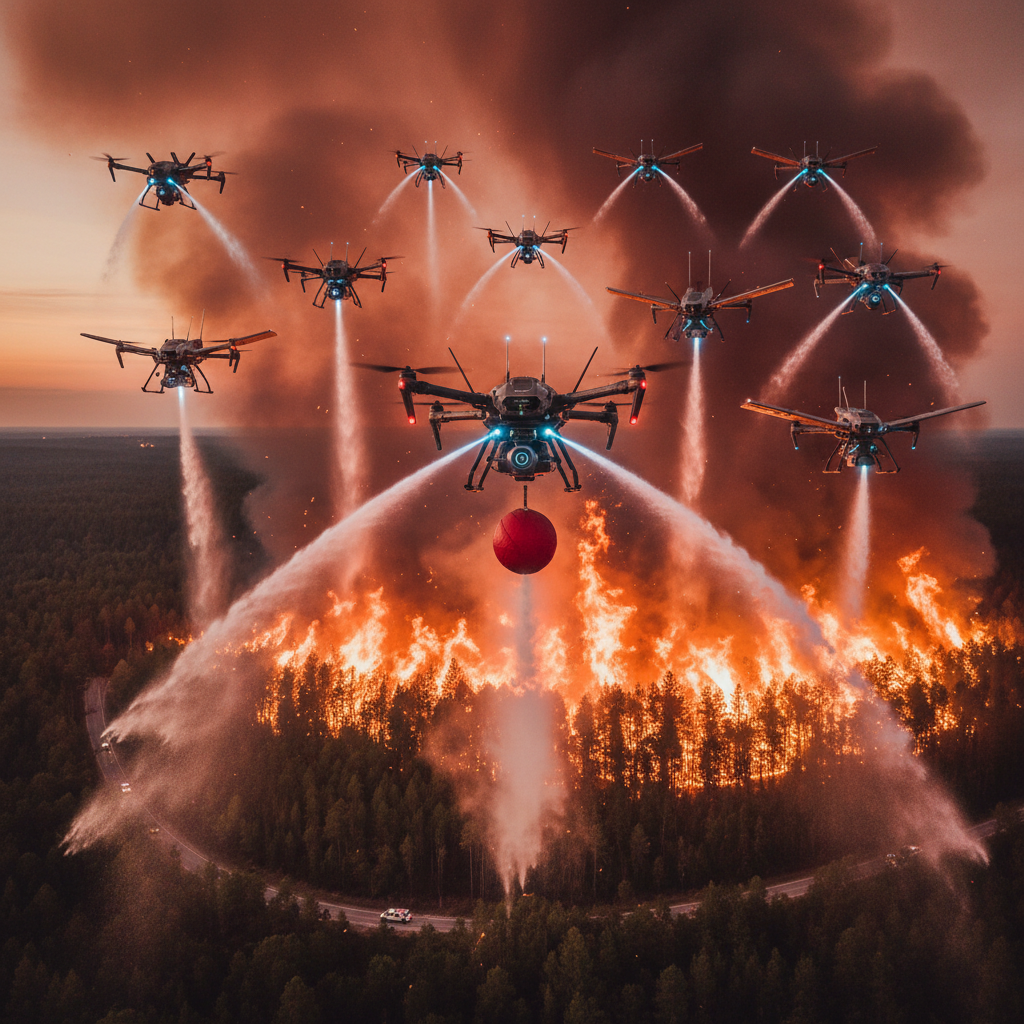
Additionally, developments in battery technology and drone design will greatly extend flight time and payload capacity. Future drones may not only carry water or fire-retardant substances but also advanced sensors that can detect hot spots or thermal anomalies from great distances. The potential for swarming technology, where multiple drones coordinate to manage complex firefighting scenarios, also looms on the horizon. As these technologies converge, we may witness a transformative shift in firefighting practices, ultimately leading to more efficient and safer operations in combating wildfires and other emergency situations.

FAQS

: What are key features to look for in firefighting drones in 2023?

: Key features include strong thermal imaging capabilities, payload capacity for carrying water or fire retardant, durable and stable designs, and extended flight time and battery life for continuous monitoring.

How do thermal imaging capabilities benefit firefighting operations?

Thermal imaging allows operators to detect heat signatures through smoke, helping to identify hotspots and monitor the fire's progression safely and effectively from a distance.

What role does AI technology play in modern firefighting drones?

AI technology enables real-time data processing, allowing firefighters to make informed decisions based on live footage and analytics, which improves tactical operations.

How can drones improve situational awareness in firefighting missions?

Drones equipped with infrared sensors and high-resolution cameras can increase situational awareness by up to 80%, leading to faster response times and better resource allocation.

What operational cost savings can be achieved by using drones in firefighting?

Utilizing drones in firefighting can reduce operational costs by approximately 30%, making them essential for modern firefighting strategies.

Why is proper training for drone operators important?

Proper training maximizes the technical capabilities of the equipment, ensuring that operators can effectively use the drones for aerial firefighting.

How can collaboration with local fire departments enhance firefighting efforts?

Collaborating with local fire departments enhances data sharing and resource synchronization, leading to more coordinated and efficient firefighting operations.

What are some top models of fire drones recommended for 2023?

Notable models include the DJI Matrice 300 RTK and the Quantum Systems Trinity F90+, known for their robust designs and impressive operational endurance.

What factors contribute to the performance and efficiency of firefighting drones?

Key factors include flight time, water payload capacity, and thermal imaging capabilities, which determine the effectiveness of the drones in combating wildfires.

What advancements are expected in fire drones as technology evolves?

The integration of AI and machine learning promises greater efficiencies, ensuring more effective measures against wildfires in future firefighting technologies.

Conclusion

In 2023, fire drones have emerged as crucial tools in aerial firefighting, offering innovative features that enhance their performance and efficiency. Key factors to consider when selecting the best fire drones include advanced technologies that facilitate real-time data collection and precise targeting of fire hotspots. Comparative analyses reveal varying performance ratings among different models, impacting their overall effectiveness in emergency response situations.

The investment in fire drones balances cost with value, as these unmanned aerial vehicles are increasingly adopted in real-world applications, showcasing success stories in combating wildfires. Looking ahead, future trends in firefighting drone technology promise even more advancements by 2025, reflecting a commitment to innovation that companies like Space Innovation Co., Ltd. embrace in their decade-long experience in the UAV industry.

Clara

Clara

Clara is a seasoned marketing professional at Space Innovation Co., Ltd., where she has dedicated over a decade to advancing the drone industry in Shenzhen. With a deep expertise in unmanned aerial vehicles (UAVs) and drone accessories, Clara plays a vital role in the research, development,......
Previous Exploring the Future of Search Drones: Innovations Transforming Aerial Technology in Modern Research