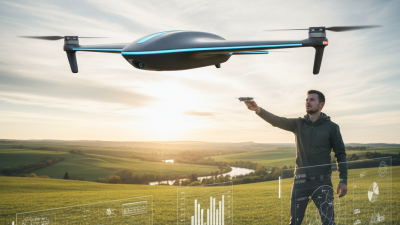
As the drone market keeps evolving, people all around the world are on the lookout for options that really suit their needs. Come 2026, the choices are pretty huge — from commercial to just plain fun recreational drones. Big names like DJI, Parrot, and Skydio are leading the pack, each bringing their own unique features to the table. But honestly, picking the right drone isn’t just about what’s fancy — it’s about knowing the latest tech and figuring out what you actually need.
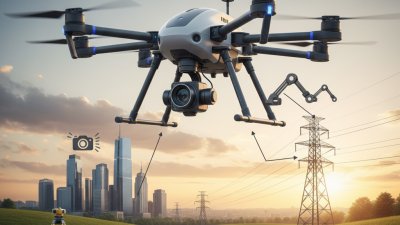
Take search drone tech, for example — it’s getting better and better, and man, it’s changing the game for search and rescue missions. Stuff like thermal imaging and real-time data sharing can seriously make a difference — like, they can save lives. That said, trying to find the perfect drone for your specific needs can be pretty tricky, and yeah, it might even get a bit overwhelming with so many options out there.
When you start digging into models, you gotta look at their specs — stuff like battery life, how far they can fly, and whether they’re easy to use. And, heads up: some models have had their fair share of reliability issues, which has sparked some chatter about quality control. So, taking the time to do your homework and really think about performance before you buy? Super important. The right drone can totally boost your experience, whether it’s for work or just for fun.
Top Factors to Consider When Choosing a Drone in 2026
When choosing a drone in 2026, several key factors come into play. First, consider the purpose of your drone. Whether for aerial photography, racing, or surveying, selecting one that meets your needs is crucial. Look for camera quality and stabilization features if capturing stunning images is your goal. Prioritizing battery life and flight time can significantly impact how you use your drone.
Tip: Weigh the flight time against the battery charging duration. A longer flight time is ideal, but quick charging options can also enhance usability.
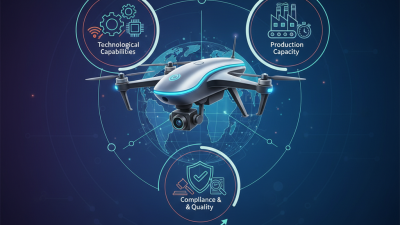
Next, think about regulatory compliance. Drones are subject to various laws depending on your location. Knowledge of these regulations can save you from legal troubles. It's important to check if a drone has built-in features, like geofencing, to help prevent unintentional violations.
Tip: Investing in a drone with updated safety features can reduce risks. Look for models that alert you to restricted areas.
Finally, user-friendliness is essential. Some drones may boast advanced features that could overwhelm beginners. An easy-to-use interface allows for a more enjoyable flying experience. Reflect on your skill level and ensure the drone fits your comfort zone.
Tip: Look for online reviews to gauge real user experiences. This can offer valuable insights into the drone's actual performance.
Emerging Drone Technologies Shaping the Market in 2026
In 2026, the drone market will be significantly influenced by emerging technologies. One major advancement is in autonomous flight capabilities. Drones will have improved sensors and software, allowing them to navigate complex environments. This means better obstacle avoidance and enhanced flight stability, crucial for safe urban operations.
Another key trend is the integration of AI. Drones equipped with artificial intelligence can analyze data in real-time. This will lead to smarter decision-making during missions, especially in sectors like agriculture and logistics. For example, drones can optimize crop monitoring by predicting crop health based on aerial imaging.
Battery life remains a challenge. Despite advancements in energy efficiency, many drones still struggle with limited flight times. This aspect often frustrates users who need longer operational periods. Continuous improvement in battery technology is essential for enhancing usability. Moreover, there will be discussions about regulations as drone usage expands. How will authorities manage air traffic? The future holds unanswered questions that require careful consideration. Each development carries both promise and potential pitfalls.
Best Drones for Global Buyers to Consider in 2026
| Model |
Max Flight Time |
Camera Resolution |
Range |
Price Range |
Key Feature |
| Model A |
30 minutes |
4K |
10 km |
$800 - $1000 |
Obstacle Avoidance |
| Model B |
25 minutes |
1080p |
8 km |
$600 - $800 |
Follow Me Mode |
| Model C |
35 minutes |
4K |
15 km |
$1200 - $1500 |
Real-Time Data Transmission |
| Model D |
40 minutes |
8K |
20 km |
$2000+ |
AI Flight Planning |
| Model E |
28 minutes |
Cam 4K |
6 km |
$400 - $600 |
Compact Design |
Comparison of Popular Drone Brands for Global Buyers
As the drone market evolves, global buyers seek the best options for various needs. In 2026, consumers will notice significant advancements in drone technology. Features like obstacle avoidance, enhanced flight times, and sophisticated cameras are becoming standard. Data indicates that 55% of buyers prioritize flight performance. Understanding these elements is crucial for making informed decisions.
Leading brands offer a range of choices. Weight capacities differ significantly. Lightweight drones often excel in maneuverability, but may fall short in carrying heavier equipment. For instance, some models can only handle cameras weighing less than 250 grams. Buyers must consider what features they truly need. A drone equipped with top-notch GPS may serve recreational purposes better than a high-end model with complex features.
Additionally, market reports reveal that nearly 40% of consumers have complaints about customer support. This underscores the importance of reliable assistance post-purchase. A drone might promise long flight times, but issues can arise without robust support. As buyers explore options, using "Search Drone" can guide them toward the best choices. Balancing performance, support, and features remains a challenge for many users.
Key Features to Look for in Drones for Different Uses
When choosing a drone, specific features play a critical role based on its intended use. For photographers, high-resolution cameras and stable gimbals are essential. They ensure that images and videos are crisp and clear. Long battery life and extended range also enhance the user experience. In contrast, racing drones require quick responsiveness and agility. Lightweight materials contribute to speed and maneuverability in competitive environments.
For commercial purposes, durability is paramount. This includes resistance to weather conditions and potential impacts. Search And Rescue Drones should have thermal imaging capabilities. This feature allows rescue teams to find individuals in challenging environments. The integration of GPS and advanced navigation is also critical. These systems can help users operate drones effectively, even in unfamiliar terrains.
Additionally, some users may want drones with easy maintenance. A design that allows for quick parts replacements is advantageous. It reduces downtime significantly. However, balancing features with affordability can be challenging. Always assess what fits best within your budget. After all, the right drone should meet both practical needs and financial constraints without sacrificing quality.
Drone Features Comparison for Different Uses in 2026
Regulatory Considerations for Drone Buyers Worldwide
Regulatory considerations play a crucial role for drone buyers worldwide. As the market continues to expand, regulations are evolving. In 2022, the commercial drone market was valued at approximately $13.4 billion and is expected to reach about $28 billion by 2026, according to industry reports. However, buyers must stay informed about the legal landscape.
Many countries have established strict rules governing drone operations. For instance, the European Union emphasizes safety and privacy. Buyers must navigate complex airspace regulations. Obtaining necessary permits can be time-consuming. Ignoring these rules may lead to fines or confiscation. In recent years, enforcement actions have increased, highlighting regulatory attention.
Moreover, distinct regulations can vary significantly across regions. For example, Asia has seen rapid growth yet poses unique compliance challenges. Some developing nations lack clear guidelines, complicating international purchases. Buyers should consider investing time in understanding these differences. Ensuring adherence to local laws is vital. The landscape will likely continue to shift, influencing purchasing decisions in 2026.
Budgeting for Drones: Price Ranges and Value in 2026
In 2026, budgeting for a drone involves understanding price ranges and functionality. Basic models start at around $200. These offer limited features but great potential for hobbyists. The mid-range drones, priced between $500 and $1,500, provide better camera quality and longer flight durations. These options attract outdoor enthusiasts and professional photographers alike.
For specialized uses, such as a Search And Rescue Drone Pilot, prices can soar above $3,000. These drones come equipped with advanced sensors and GPS technology. They play a vital role in emergency situations, bridging gaps between safety and technology. However, budgets must consider additional costs like maintenance, repairs, and training.
Investing in drones requires careful thought. While cheaper options seem appealing, they may lack essential capabilities. Assessing needs before making a purchase is crucial. A $1,000 drone may be more cost-effective than two $500 models in the long run. Buyers must balance budget constraints with the quality and functionality needed for their specific goals. In a rapidly evolving market, staying informed is essential.
Customer Reviews and Recommendations for Top Drones
As the drone market evolves, customer reviews are a goldmine for insights. Many users appreciate drones for their ease of use and advanced features. Industry reports indicate that over 60% of buyers value camera quality above all. Notably, the resolution and stability offered by certain models can significantly enhance aerial photography.
The user experience varies widely. Some customers express frustration over battery life, stating that many models do not live up to the advertised flight times. Meanwhile, others celebrate the intuitive controls that simplify operation. A comprehensive survey shows that 75% of consumers prefer drones with automated flight features, making them accessible to newcomers.
Tips for prospective buyers: Look for drones with user-friendly interfaces. A model with a built-in GPS enhances your flying experience. Always consider customer feedback regarding reliability, as it can guide your decision. Think critically about your needs; a Drone Rc Drone may have features you won't use. Evaluate reviews, but know that personal preferences can shape your satisfaction.
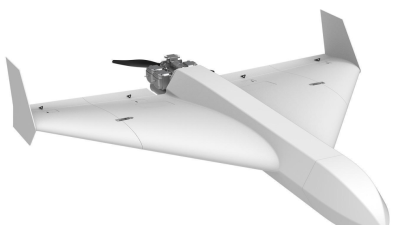
Unleashing Performance: The STX50 Fixed Wing Drone with 50kg Payload and 1000km Range for Advanced Applications
The STX50 Fixed Wing Drone is engineered for excellence, boasting an impressive 50kg payload capacity and a remarkable 1000km operational range. Designed for advanced applications, this drone offers versatile solutions across various industries, including environmental monitoring, agricultural assessments, and infrastructure inspections. Its ability to transport substantial equipment while maintaining long-distance flight capabilities sets a new standard in drone technology.
To ensure optimal performance, rigorous testing protocols have been rigorously implemented by our engineers and quality control staff. These tests encompass performance stability, accuracy, and environmental adaptability, guaranteeing a drone that operates reliably under diverse conditions. Additionally, functionality and safety tests, along with operational diagnostics, ensure that each drone meets the highest standards before deployment.
The STX50 features two innovative launching methods: a rocket booster for rapid deployment and a car-based launcher that enhances versatility in various terrains. Customization options, such as an Electro Optical Pod tailored to meet specific customer needs, further enhance the drone's functionality, making it a powerful tool for advanced operational demands. Whether for surveillance or payload transport, the STX50 is a game-changer in the realm of fixed-wing drones.
FAQS
: Focus on flight performance, camera quality, and the features you genuinely need.
Basic models start around $200, while mid-range options range from $500 to $1,500.
Not necessarily. A $1,000 drone may outperform two $500 models in the long run.
Many users report disappointment with advertised flight times; consider this before buying.
Reliable post-purchase support is crucial; many consumers express dissatisfaction with it.
Reviews offer insights into reliability and ease of use, guiding potential purchases.
Seek user-friendly controls and automated flight features for a smoother experience.
No, they often struggle with weight and may only accommodate lighter cameras.
Assess your needs thoroughly; prioritize essential features over cost alone.
They enhance flying experience, making navigation easier and improving overall performance.
Conclusion
As the drone market continues to evolve in 2026, potential buyers should consider several key factors when selecting the right model. It's essential to understand emerging technologies that are shaping the industry, from advanced camera systems to enhanced battery life. Buyers should also compare popular brands on the market while focusing on specific features tailored to their intended use, whether for recreation, photography, or commercial applications.
Regulatory considerations play a crucial role in ensuring compliance with local laws, and budgeting is vital, as prices vary widely based on features and capabilities. Customer reviews can provide valuable insight into the performance and reliability of different models. For anyone in the market for a "Search Drone," keeping these elements in mind will facilitate a more informed purchasing decision that aligns with their needs and budget.