As drone tech keeps getting better and more advanced, picking the right Drone Battery Charger is more important than ever — whether you're just into hobbies or you're a pro. John Smith from Drone Innovations Inc. always stresses, “The quality of your charger can totally make or break your whole flight experience.” With so many options out there worldwide, it can definitely be a bit overwhelming trying to figure out the best one for you.
When you're choosing a charger, paying attention to the details really matters. Things like how fast it charges, whether it’s compatible with your drone, and the safety features it offers are huge factors that can impact how well it works. Sadly, a lot of folks skip over these details — and that can lead to battery problems or even drones crashing mid-air. A good, reliable charger isn't just about safety; it can also help you get more out of your batteries and boost your drone’s overall performance. Trust me, those small improvements can really make a difference.
And let’s not forget, buying from abroad or trying to figure out if a charger will work with your drone can be pretty tricky. It’s really worth doing a little homework before clicking buy. Not every charger plays nicely with every drone model. Taking the time to pick a charger that actually fits your setup means fewer headaches down the line and happier flying sessions overall. Nail down quality and compatibility, and you’ll be flying smoother and feeling way more satisfied with your gear.
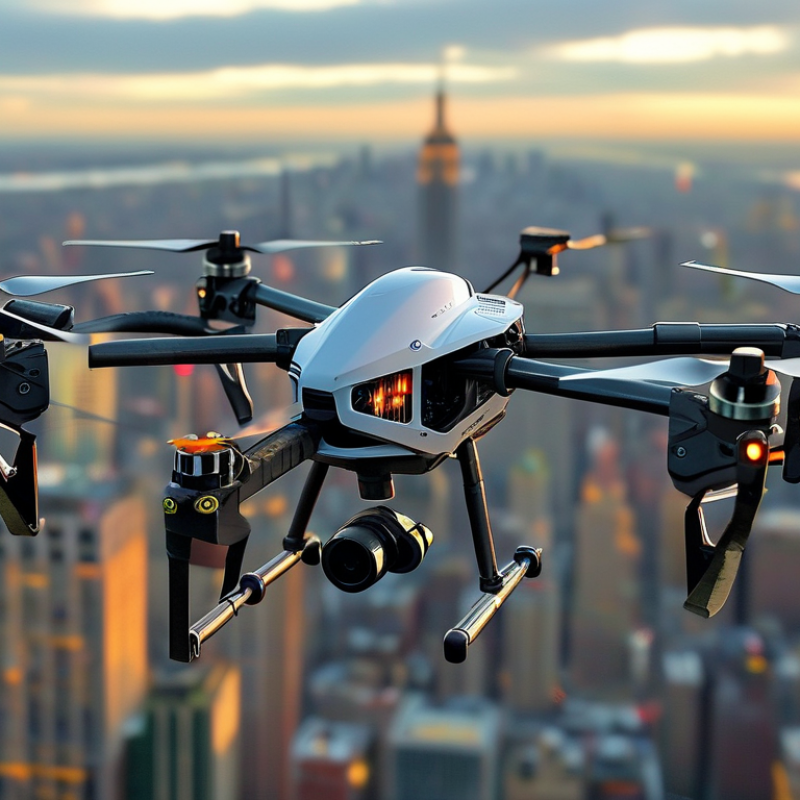
Best Drone Battery Charger Options for Global Buyers
When selecting the best drone battery charger, global buyers should focus on quality and compatibility. A reliable charger can make a significant difference in a drone's performance. It can extend battery life and ensure safe charging. Many chargers can handle multiple battery types, which provides versatility for different drone models. This convenience is key for both hobbyists and professionals.
Different charging speeds can affect usage time, too. Fast chargers may sound appealing, but they can lead to overheating. Balancing speed with safety is essential. Buyers often overlook the importance of build quality and protection features. A charger that includes overcharge protection is a wise choice, as it helps avoid potential damage to your Drone Battery And Charger.
Moreover, some drone enthusiasts express frustration with higher-priced options. They often wonder if the extra cost is worth it. While cheaper chargers exist, they may not offer the same reliability or longevity. Researching user reviews can provide insights into performance and durability. Investing time in understanding the pros and cons can lead to better decisions for your drone battery and charger.
Understanding Different Drone Battery Types and Their Requirements
When selecting a drone battery charger, understanding battery types is crucial. Lithium polymer (LiPo) and lithium-ion (Li-ion) are the most common. LiPo batteries power most consumer drones due to their high energy density and discharge rates. In fact, the drone battery market anticipates a growth rate of 13.5% annually, driven by the demand for LiPo options. These batteries require specific chargers to prevent overheating or damage.
Many LiPo batteries use a balance charging technique. This ensures each cell within the pack receives the correct voltage. Failing to use a proper charger can lead to cell damage and reduce battery life. In industry surveys, 40% of drone operators reported experiencing battery performance issues due to inadequate charging practices. This highlights the need for knowledgeable choices.
On the other hand, Li-ion batteries, commonly found in high-end drones, offer longer life cycles. They are less prone to swelling compared to LiPo models. However, they still have their own charging requirements. Using a generic charger can void warranties. The importance of precision in selecting a charger cannot be overstated. Drone users should educate themselves about their batteries’ specific needs for maximum efficiency.
Key Features to Look for in a Quality Drone Battery Charger
When selecting a quality drone battery charger, certain features stand out. It is crucial to look for compatibility with various battery types. A versatile charger ensures you can power different drones without hassle. The portability of the charger also matters. A lightweight design can enhance convenience, especially for travel.
Efficiency is another essential aspect. Faster charging times save you valuable moments. Quality chargers often come with safety mechanisms. Look for options that guard against overcharging and overheating. These features protect your batteries and prolong their lifespan.
User-friendly interfaces also add value. Intuitive controls can make charging easier. However, some chargers might present complexity. Take time to understand the functionalities. It's worth the effort to ensure a reliable connection. Reflect on the adaptability of the charger for different situations. A good Drone Charger should serve your needs flexibly, allowing for efficient energy management.
Battery Capacity and Charge Time for Various Drone Chargers
Top Universal Drone Battery Charger Brands for International Buyers
When selecting a Drone Battery charger, choosing the right brand is crucial for optimal performance. Many universal options exist, catering to a variety of drone models. These chargers often come with versatile features, enabling pilots to charge multiple types and capacities of drone batteries, enhancing convenience. Additionally, an efficient charger can significantly reduce charging time, allowing for more flight time.
Quality is a top concern for international buyers. Look for chargers that offer safety features, such as overcharge protection and thermal regulation. These aspects not only extend the lifespan of your drone battery but also ensure safe operation. While there are many choices, not all deliver the promised performance. Some chargers may underperform, leading to slower charging or even battery damage. Research user reviews and ratings to identify reliable options.
Despite the plethora of options, international users often face challenges. Voltage differences and plug types can be problematic when traveling. Adapters may work, but they might not always deliver optimal performance. It's essential to consider these details before making a purchase. Careful evaluation of charger specifications and compatibility with your drone battery can prevent future issues.
Best Drone Battery Charger Options for Global Buyers
| Charger Type |
Input Voltage |
Output Voltage |
Max Output Current |
Charging Time |
Compatibility |
| Smart Charger |
100-240V AC |
12.6V DC |
3A |
1-2 hours |
LiPo, Li-ion |
| Dual Charger |
100-240V AC |
14.8V DC |
2A |
2-4 hours |
LiPo, NiMH |
| USB Charger |
5V DC |
5-12V DC |
2A |
3-6 hours |
Li-ion, LiPo |
| Portable Charger |
12V DC |
12.6V DC |
5A |
1-1.5 hours |
LiPo |
Comparing Fast Charging vs. Standard Charging Options for Drones
When it comes to charging drone batteries, understanding the differences between fast and standard charging options is crucial. Fast chargers, often utilizing advanced technology, can reduce charging time significantly. According to industry reports, fast chargers can juice up batteries in as little as 30-45 minutes. This can make a huge difference in time-sensitive situations, especially for professional aerial photographers or commercial drone operators.
On the other hand, standard charging options typically take 1.5 to 3 hours to fully charge a battery. While this is more time-consuming, it often results in less heat generation and potentially longer battery lifespan. Reports suggest that maintaining a lower charge cycle temperature can improve battery health and efficiency in the long run.
Tips for Buyers: Consider your usage patterns. If your drone operates in a professional capacity, fast charging may be worth the investment. However, for hobbyists, standard chargers may suffice and could be more cost-effective. Do remember that not all drones are suited for fast charging. Overuse can lead to reduced battery lifespan, sparking concerns.
Another Tip: Always check compatibility. Some batteries may not handle fast charging. Ignoring this can lead to issues like overheating or battery damage, leaving you grounded and frustrated. Understanding these options empowers drone users to make informed choices.
Tips for Maintaining Drone Batteries and Chargers for Longevity
Maintaining the health and longevity of your drone batteries is crucial for optimal performance. Research shows that the lifespan of lithium-polymer batteries, commonly used in drones, averages around 300-500 cycles. This highlights the importance of proper care to maximize their potential.
One key aspect is to avoid deep discharging. Draining a battery to very low levels can greatly reduce its capacity. A good practice is to keep the charge level between 30-80%. Additionally, excessive heat can diminish battery lifespan. Store your
FPV Drone Battery in a cool, dry place, ideally between 20-25°C. This can significantly extend its life.
Regular checks of connectors and cables are vital as well. Dirt and corrosion can lead to poor connections, affecting performance and safety. If you notice any signs of wear, it’s time for a replacement. Using a reliable charger designed for your battery type is equally important. Mismatched chargers can lead to overcharging, creating risks of fire or damage to the batteries. Remember, proper maintenance ensures your drone remains a reliable tool for aerial photography and exploration.
Where to Buy Drone Battery Chargers: Online vs. Local Retailers
When it comes to purchasing drone battery chargers, options abound online and through local retailers. Online platforms often provide a wider variety. Shoppers can compare prices easily. Reviews available online help gauge product reliability. However, images may not always depict true quality. Buyers might find surprises upon arrival.
Local retailers present a unique experience. Customers can physically examine products before purchase. This hands-on aspect builds confidence. Experts at these locations offer immediate support. Yet, their selection may be limited. Stock might not reflect current technology trends.
Consider timing when purchasing. Sales often occur during holidays, both online and offline. Research ahead to find optimal deals. Shipping times can be lengthy online, especially during busy seasons. Local shops might offer instant gratification but check stock levels first. Balancing these factors will lead to a satisfying buying experience.
Innovative Vehicle-mounted Drone Detection and Jamming Equipment: Enhancing Security and Control in Modern Environments
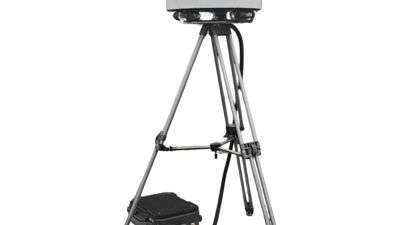
In today's rapidly evolving landscape, the rise of drone technology presents both opportunities and challenges, particularly in terms of security and control in various environments. Innovative vehicle-mounted drone detection and jamming systems are becoming essential tools for ensuring safety against unauthorized drone activities. These advanced systems leverage cutting-edge collaborative spectrum sensing and spectrum analysis technologies to effectively identify and neutralize potential threats. A comprehensive detection range spanning from 100MHz to 6GHz allows for a robust response to a wide variety of drone frequencies, providing defense against increasingly sophisticated aerial trespassers.
Vehicle-mounted drone detection and jamming equipment is designed to operate in complex environments where conventional systems may falter. With the integration of shock-absorbing springs, these devices can withstand rough terrains, ensuring operational reliability under challenging conditions. The use of radio jamming and blocking technology enhances the ability to detect illegal drones, making it easier for security personnel to maintain control and protect sensitive areas. Industry reports indicate that as drone usage continues to increase across commercial and recreational sectors, demand for effective detection and management solutions is also on the rise, underscoring the importance of these innovative technologies in maintaining security and order in modern environments.
FAQS
: The most common types are lithium polymer (LiPo) and lithium-ion (Li-ion) batteries.
LiPo batteries have high energy density and discharge rates, ideal for consumer drones.
Choosing the correct charger is crucial. It prevents overheating and prolongs battery life.
About 40% report problems due to inadequate charging practices. Knowledge is key.
Li-ion batteries offer longer life cycles and are less prone to swelling.
Yes, using a non-specific charger can void warranties for Li-ion batteries.
Online offers variety and price comparison; local allows hands-on inspection.
Online reviews help gauge reliability but may not reflect true product quality.
Shipping can be slow during busy seasons. Local shops might provide instant access.
Yes, sales often occur during holidays. Researching can yield better deals.
Conclusion
When selecting the best drone battery charger, understanding the various types of drone batteries and their unique requirements is crucial. A quality drone battery charger should have key features such as compatibility with multiple battery types, efficient charging times, and built-in safety measures to prevent overheating. Additionally, international buyers should consider whether they prefer fast charging options for convenience or standard charging for longer battery life and reduced wear.
To ensure the longevity of both drone batteries and chargers, proper maintenance practices are essential. When it comes to purchasing, shoppers can choose between online options for a wider selection or local retailers for immediate availability. Overall, being informed about these factors will help elevate your drone flying experience, making it vital to invest in a reliable drone battery charger.