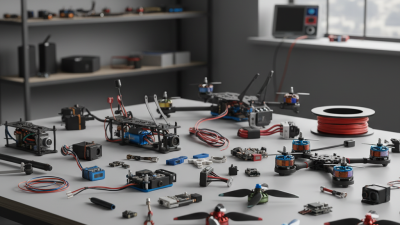
Lately, you’ve probably noticed that Mini Surveillance Drones have really started to shake up the way we do aerial monitoring. These little guys are surprisingly versatile and efficient—they can be used in all sorts of situations. Whether it's boosting security around busy city streets or helping out with wildlife conservation efforts, these tiny drones pack a punch that traditional methods just can't match. Companies like DJI and Parrot are definitely the big players here, constantly pushing the envelope with cool features like high-res cameras and live streaming so you can see what’s happening in real time.
What makes these drones so appealing isn’t just how small they are—it’s also how easy they are to operate. They can squeeze into tight spots and reach heights that people normally can’t. Still, it's not all smooth sailing. There are some tricky issues, especially when it comes to privacy. Deploying these in populated areas means you’ve got to be really careful about respecting people's rights and avoiding privacy invasions. Balancing smart surveillance with respecting individual privacy is super important. Plus, users should always keep an eye on regulations to make sure they're playing by the rules.
All in all, while Mini Surveillance Drones open up some pretty exciting possibilities, it’s crucial to be thoughtful about how we use them. Learning the best practices can help us make the most of these tech gadgets without causing unintended problems. Having an ethical approach in mind is key — it’s about using these tools responsibly, whether you're a business or just someone interested in tech.
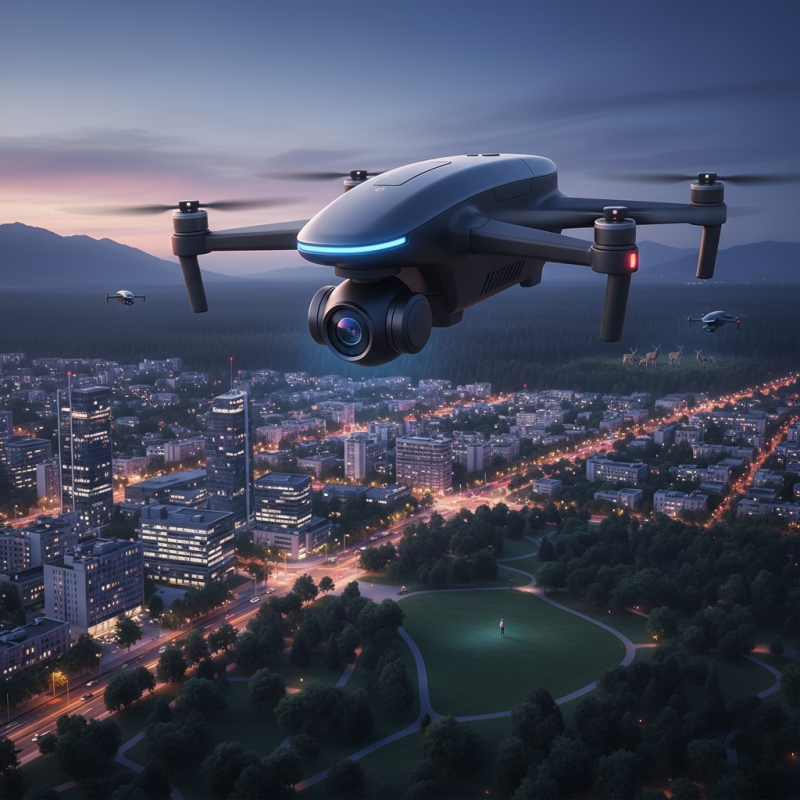
Mini surveillance drones offer remarkable benefits for security purposes, transforming the landscape of monitoring and surveillance. Their compact design allows them to navigate tight spaces effortlessly. A recent industry report from MarketsandMarkets highlights that the global drone market is projected to grow from $17 billion in 2022 to over $60 billion by 2028. This surge is largely attributed to the increased demand for efficient surveillance solutions.
One key advantage of mini drones is their ability to provide real-time video feeds. This capability helps security teams respond swiftly to incidents. A drone can easily monitor large areas in minutes, which would take traditional methods hours. However, there are challenges. Privacy concerns often arise when using these devices. It's vital for security teams to balance surveillance effectiveness with respect for individual privacy rights.
Additionally, mini surveillance drones enhance situational awareness. They can be deployed in diverse environments, including urban settings and remote areas. This versatility is crucial in emergency situations. Nevertheless, reliance on technology can lead to a false sense of security. Security personnel should continually assess drone performance and data accuracy to ensure reliability. The integration of mini drones into security strategies should be approached thoughtfully to maximize their potential benefits.
Mini surveillance drones offer enhanced monitoring capabilities that redefine how we observe and secure our surroundings. These nimble devices can easily navigate tight spaces. Their small size makes them ideal for urban environments. They can capture high-quality images and videos, providing real-time data for analysis. This enhanced perspective is particularly useful for surveillance tasks, security assessments, and environmental monitoring.
Using a Mini Drone Kit can significantly improve situational awareness. Operators can monitor large areas without the need for physical presence. This technology enables quicker responses to potential threats. However, it's essential to recognize that while they provide valuable insights, users must be trained. Improper use may lead to privacy concerns or safety issues. Balancing the benefits with responsible usage is crucial.
The compact nature of mini drones allows them to operate in challenging locations. They can fly over rooftops or through dense forests. This versatility opens new possibilities for research and security. Still, as the technology evolves, ethical considerations become crucial. Responsible usage ensures that these drones are tools for good, rather than invasion of privacy.
Mini surveillance drones offer a cost-effective solution for various surveillance needs. They reduce the need for extensive manpower and equipment. Furthermore, these drones provide live feeds, allowing real-time monitoring without significant expenses. This efficiency makes them ideal for small businesses and individual users looking to enhance security.
Tips: When considering mini drones, analyze your specific requirements. Assess your budget and the features you need. Don't rush into purchasing the latest model; older versions may serve your needs just fine.
Operational costs of mini drones are often lower than traditional methods. No fuel is needed for ground vehicles, and routine maintenance is simpler. Additionally, training personnel on drone operation can be quicker and cheaper than dedicating them to conventional surveillance tactics. However, integrating drone technology requires thoughtful planning and adaptation.
Tips: Research potential flight zones and local regulations. Drones can be limited by airspace rules. Invest time in understanding the legal landscape to avoid future complications.
This chart illustrates the various benefits of using mini surveillance drones. Key advantages include cost savings, improved data accuracy, greater operational efficiency, enhanced accessibility, and the ability for real-time monitoring, with most users reporting high satisfaction rates in these areas.
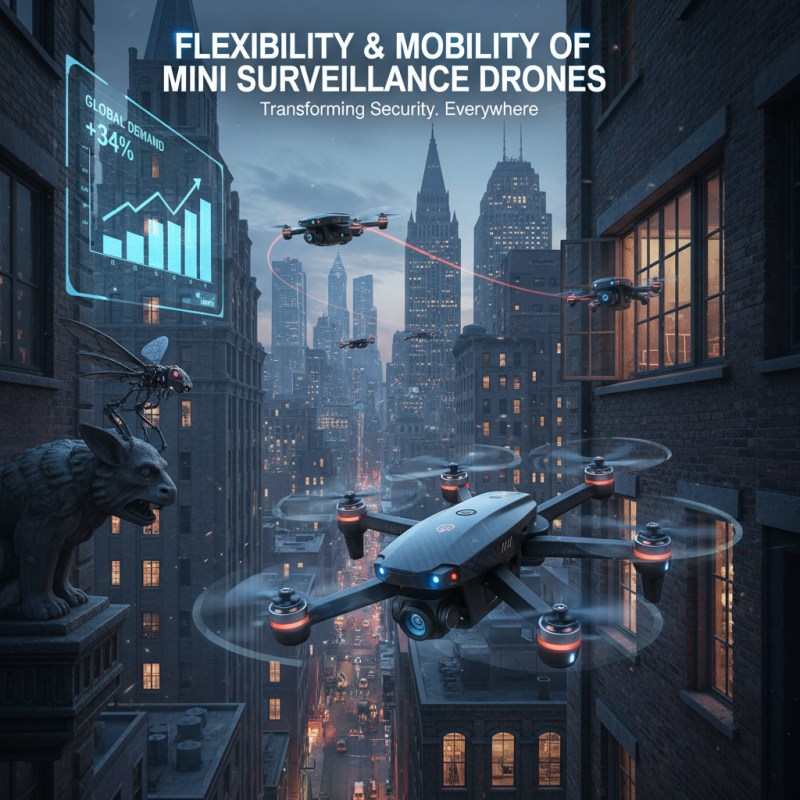
Mini surveillance drones have transformed the way organizations approach security and surveillance. Their flexibility and mobility make them a favored choice in various sectors. These drones can operate in complex environments where traditional surveillance tools fall short. According to a report by Drone Industry Insights, the demand for miniature drones in surveillance has grown by 34% over recent years, highlighting their increasing importance.
These drones can easily navigate tight spaces and tricky terrains. They can be deployed quickly, allowing for real-time monitoring of sensitive locations. Not only can they capture high-resolution images, but they also provide a level of accessibility that ground-based cameras cannot. However, operators must remain vigilant regarding privacy concerns and ethical considerations. Misuse could lead to unintended consequences, leading to calls for stricter regulations in the industry.
Despite their advantages, mini surveillance drones have limitations. Battery life and payload capacity can restrict their operational time. Frequent charging needs can lead to downtime during critical surveillance moments. As the industry matures, addressing these challenges will be essential for maximizing their potential. Future developments may focus on enhancing these aspects, allowing for even greater flexibility and mobility in various applications.
Mini surveillance drones have transformed data collection and analysis. These compact devices fly discreetly, gathering high-resolution images and videos from hard-to-reach areas. Their ability to navigate tight spaces makes them invaluable for various professionals, including researchers and security personnel.
With real-time data transmission, insights can be instant. This speed helps teams make informed decisions quickly. For example, using a Mini Spy Drone during a wildlife survey can reveal animal behaviors without disturbing their natural habitat. However, the reliability of data depends on factors like battery life and signal strength. Users must ensure optimal conditions for effective data capture.
Data analysis can also be daunting. Collecting vast amounts of information presents challenges in interpretation. The learning curve with analytical tools can be steep. Many users need more training to understand the full potential of the data gathered. While mini surveillance drones offer advanced data capabilities, it is important to emphasize the need for proper training and usage to maximize their benefits.
Mini surveillance drones are transforming various industries by providing innovative solutions. In
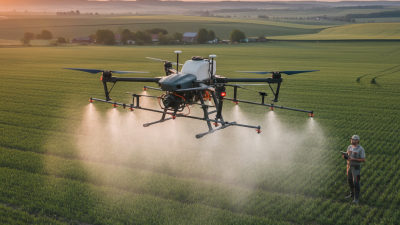
agriculture, farmers use these drones to monitor crop health and identify pest infestations. Aerial imagery helps them optimize irrigation and crop rotation.
This data-driven approach enhances yield while reducing labor costs.
In construction, mini surveillance drones contribute to site safety and efficiency. They can inspect hard-to-reach areas, offering real-time data on progress. This technology facilitates proactive decision-making and reduces delays.
Building managers can use these drones to track project timelines and ensure quality standards are met.
Tip: When using a
Motor Mini Drone for surveillance, ensure you are familiar with local regulations regarding drone flight.
Always plan your flights carefully to maximize efficiency. Pay attention to battery life to avoid operational interruptions.
The use of mini surveillance drones presents various ethical and privacy challenges. These drones can capture high-resolution images and videos without raising alarms. Their small size allows them to fly discreetly, making it easier to invade personal spaces.
Privacy concerns arise when drones are used in residential areas. People may feel uncomfortable knowing they could be watched without their consent. This raises questions about the right to solitude and personal boundaries. The capability of a Mini Fpv Drone Kit to provide real-time footage amplifies these issues, creating a fine line between security and intrusion.
Legal frameworks often struggle to keep pace with drone technology. Regulations may not adequately protect individuals from unwanted surveillance. This gap calls for a more ethical approach to drone usage. Society must weigh the benefits of surveillance against the need for privacy and respect for individual rights.
| Aspect | Benefit | Privacy Consideration | Ethical Concern |
|---|---|---|---|
| Cost-Effectiveness | Lower operational costs compared to traditional surveillance methods. | Reduced need for physical surveillance personnel. | Potential misuse for unauthorized monitoring. |
| Accessibility | Can reach difficult or remote areas easily. | Increased risks of capturing unintended private activities. | Drones infringing on individuals' private spaces. |
| Real-time Data Collection | Immediate access to surveillance footage for timely response. | Potential for unnecessary intrusion during monitoring. | Monitoring without consent may violate personal rights. |
| Versatility | Useful in various sectors: security, agriculture, wildlife monitoring. | Broader scope of potential surveillance leads to privacy risks. | Ethical implications of surveillance across different domains. |
| Enhanced Monitoring | Ability to monitor larger areas efficiently. | Possibility of overhead surveillance leading to privacy infringements. | Challenges in maintaining ethical surveillance practices. |
: Mini drones provide real-time video feeds and can monitor large areas quickly. Their compact design allows for versatile use.
They reduce manpower needs and eliminate fuel costs. Training on drone operation is often cheaper and quicker than traditional methods.
Drones can capture images discreetly, raising discomfort among people in residential areas about being watched without consent.
It's essential to consider individual privacy rights while using drones. Strategies should respect personal boundaries and ethical concerns.
Assess specific requirements and budget. Don't rush to buy the latest model; older versions may still meet your needs effectively.
Over-reliance can create a false sense of security. Continuous assessment of drone performance is necessary for reliability.
Yes, local regulations may restrict drone usage in certain airspaces. Understanding these rules is crucial to avoid complications.
The market is projected to expand significantly, growing from $17 billion in 2022 to over $60 billion by 2028.
A more ethical approach is needed, weighing the benefits of surveillance against privacy rights and individual respect.
They can be used effectively in urban settings and remote areas, proving versatile in emergency situations.
Mini Surveillance Drones have become an invaluable asset across various industries, primarily due to their enhanced monitoring capabilities and cost-effectiveness. These compact drones offer flexibility and mobility, allowing for efficient surveillance in hard-to-reach areas. The advanced data collection and analysis features of mini surveillance drones enable organizations to gather critical information quickly and accurately, significantly improving their security measures.
Moreover, the applications of mini surveillance drones extend beyond security, with uses in fields such as agriculture, construction, and disaster management. However, the rise of drone technology also brings privacy and ethical considerations that need addressing to ensure responsible use. Overall, the benefits of mini surveillance drones position them as a forward-thinking solution for modern monitoring needs while balancing the importance of ethical standards.