Lately, you’ve probably noticed that Industrial Drones have really started making waves in how businesses run things across different industries. Big names like Amazon and UPS are already testing out and actually using these gadgets to streamline their logistics. What makes industrial drones pretty cool is that they can boost efficiency and cut down costs quite a bit. Plus, they’re great at gathering real-time data, giving companies some pretty valuable insights into their operations.
That said, bringing these drones into the mix isn’t all smooth sailing. Companies need to deal with things like regulations and making sure everything’s safe. Even with those hurdles, most agree the upside is worth it. Just picture a construction site where a drone is doing inspections — it helps get projects done faster, safer, and with more accuracy. Honestly, it’s pretty impressive.
Getting on board with industrial drones can really boost productivity, no question. But it’s also smart to think about the bigger picture — like ethics and privacy. For example, how do we protect people’s data, and what happens to jobs when machines start doing some of the work? As these industries evolve, it’s important to weigh the benefits against the concerns, making sure we use these tools responsibly and wisely.
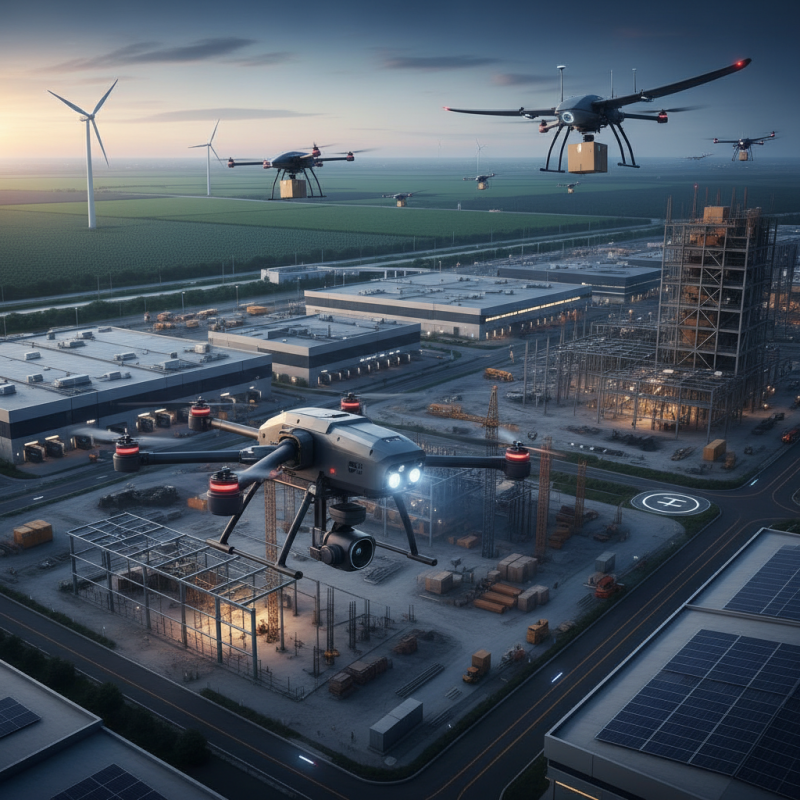
Overview of Industrial Drones in Business Operations
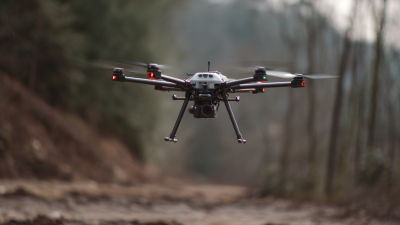
Industrial drones are transforming business operations across various sectors. They offer remarkable efficiency and innovative solutions. For instance, a report by Gartner indicates that businesses utilizing drones could save up to 30% on operational costs. This statistic highlights the potential for profitability. Companies are increasingly adopting
Industrial Quadcopter Drones for tasks like surveying, monitoring, and logistics.
In agriculture, drones gather real-time data on crop health. Farmers can assess large fields quickly, making timely decisions. According to the Precision Agriculture Report, drone use in agriculture is expected to grow by 30% annually over the next five years. This trend underscores the necessity for businesses to adapt. However, challenges do exist. Issues like regulatory compliance and data privacy must be managed carefully.
Moreover, construction projects benefit from aerial surveys. Drones provide high-resolution images for site analysis. Yet, there are concerns about data interpretation accuracy. Misleading information could lead to costly mistakes. Companies need skilled personnel to analyze the data effectively. This need emphasizes the importance of training and ongoing education in the drone sector. The evolving nature of Industrial Quadcopter Drone technology demands constant adaptation.
Cost Efficiency: How Drones Reduce Operational Expenses
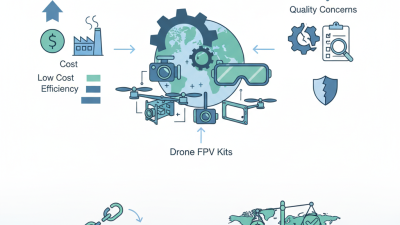
Using industrial drones in business operations is transforming efficiency and effectiveness. When it comes to cost efficiency, drones are a game changer. They can reduce operational expenses significantly. By automating tasks like delivery and aerial surveys, companies save on labor costs. Imagine the reduced expenses of needing fewer personnel on-site.
One tip is to evaluate your current operational processes. Look for tasks that could be streamlined with drones. For instance, drone inspections can replace traditional methods. This can cut down on the time and resources required. However, be mindful of equipment purchasing costs. The initial investment can be high, but the long-term savings are notable.
Another aspect is maintenance. Regular drone maintenance is key to efficiency. It’s essential to form a proper maintenance schedule. Also, think about the learning curve for staff. Training employees to operate these drones will take time and resources. Many businesses underestimate this factor. Identifying weaknesses in your operations will help leverage the benefits of drones effectively. Evaluate constantly and adapt your strategies.
Enhanced Data Collection for Improved Decision-Making
Industrial drones are transforming data collection in various sectors. They provide real-time insights that enhance decision-making capabilities. According to a report by the Federal Aviation Administration, drone usage in commercial applications is expected to reach $50 billion by 2025. This growth highlights the increasing reliance on drones for precise data gathering.
Drones can collect high-resolution images and data quickly. For example, in agriculture, farmers use drones to analyze crop health. This process can identify issues like pests or nutrient deficiencies early. Studies show that farmers can improve yields by 10-20% using drone technology for monitoring. However, the challenge lies in interpreting this data effectively. Not all businesses have the infrastructure to utilize drone-collected data fully.
Moreover, the risk of relying too heavily on automated data is notable. Data interpretation requires skilled analysts to avoid misjudgments. In construction, drones can assess site conditions, yet human oversight remains crucial. A mismatch between drone data and on-ground realities can lead to costly mistakes. Embracing drones for data collection is promising, but understanding their limitations is vital.
Increased Safety in Hazardous Work Environments
Industrial drones have revolutionized safety protocols in hazardous work environments. According to a report from the Occupational Safety and Health Administration (OSHA), drones can significantly reduce workplace injuries. By allowing aerial inspections, companies minimize the need for workers to access dangerous areas, like high scaffolding or unstable terrains. This can lead to a 20% reduction in accident rates, which is a remarkable statistic.
Moreover, drones provide real-time data and visuals. This helps in assessing potentially dangerous sites before sending personnel in. A study published in the Journal of Safety Research found that using drones for site inspections could decrease on-site exposure to danger. Drones capture images in seconds, providing insights that could take hours of manual labor. Yet, companies must consider the training and maintenance of these drones. Poorly trained operators may introduce new risks.
Despite the clear benefits, companies face challenges in implementing drone technology. Issues like regulatory compliance and equipment maintenance require careful attention. Some firms struggle with integrating drone data into existing systems. The technology is not infallible. There may be technical malfunctions that pose risks, especially when humans are involved.
Faster Project Completion and Workflow Optimization
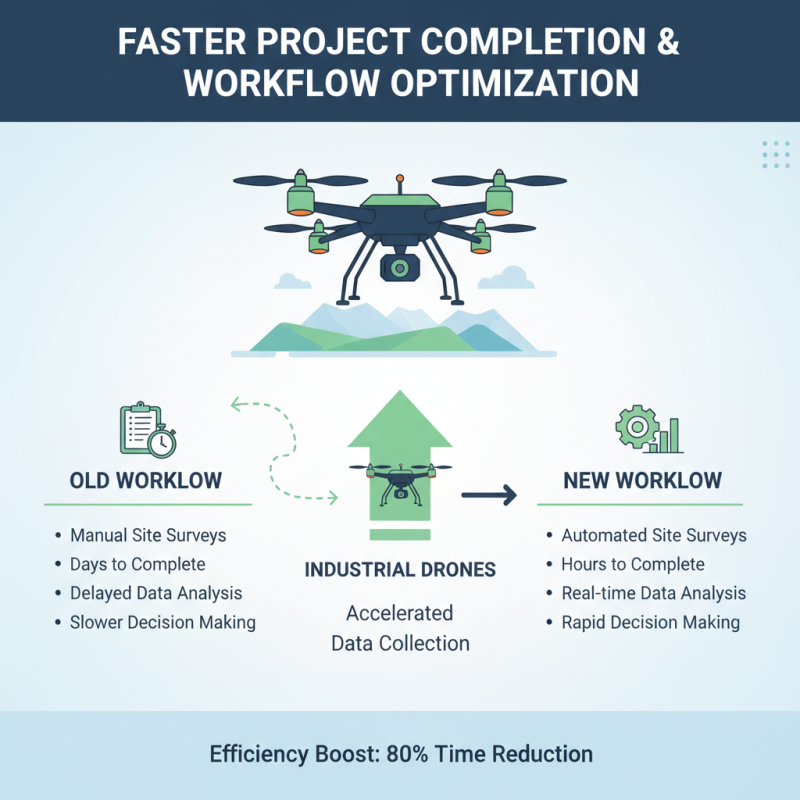
Industrial drones have revolutionized workflows in various sectors. With the ability to cover vast areas quickly, they drastically reduce project completion times. For instance, site surveys that once took days now take mere hours with drone technology. This speed enables teams to analyze data in real-time. Decisions can be made faster, improving overall efficiency.
Workflow optimization is another key benefit. By integrating Drone Rc Drone into daily operations, businesses can streamline numerous tasks. Inspection processes become easier, providing high-resolution images without the need for scaffolding or ladders. However, relying on drones does come with challenges. Issues like battery life and bad weather can disrupt planned operations. Additionally, teams need proper training to maximize the potential of drone technology.
Utilizing industrial drones requires careful planning and awareness of limitations. Adapting to this tech is crucial for staying competitive. Companies must think about how to best integrate drones into their existing workflow. Finding that balance is essential, as efficiency gains can easily be offset by unforeseen complications.
Applications of Drones Across Various Industries
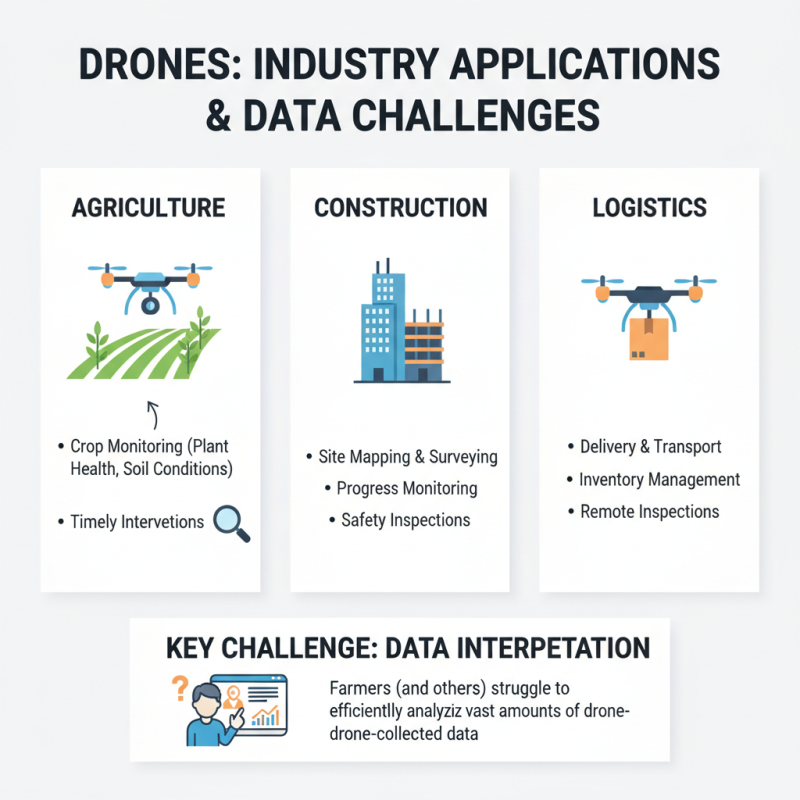
Drones have transformed various industries, providing unique solutions to everyday challenges. In agriculture, drones help farmers monitor crops from above. They collect vital data about plant health and soil conditions. This information allows for timely interventions. However, farmers still face challenges in interpreting this data efficiently.
In construction, drones improve project management and safety. They create detailed aerial maps and monitor job sites in real time. Inspecting hard-to-reach areas becomes easier with drones. Yet, concerns about data accuracy and potential errors linger. Companies must adopt robust protocols to ensure reliability.
The use of a SAR Drone proves invaluable in emergency response scenarios. These drones assist in search and rescue operations. They can quickly survey large areas in less time than traditional methods. Unfortunately, not all rescue operations have been successful. Sometimes, communication issues lead to missed opportunities for aid. As technology evolves, understanding these limitations is crucial for improving effectiveness.
Regulatory Considerations for Commercial Drone Usage
Regulatory considerations for commercial drone usage play a crucial role in shaping the industry. According to a report by the Federal Aviation Administration (FAA), the commercial drone market is expected to reach $43 billion by 2025. This rapid growth demands a clear understanding of regulations governing drone operations. Operators must be aware of flight restrictions, airspace categorization, and necessary permits. These factors ensure safety and compliance.
Organizations often overlook these regulations, leading to potential fines or penalties. For example, flying a drone in controlled airspace requires a waiver from the FAA. Many businesses may think they can operate freely. However, ignorance is not an excuse in the eyes of the law. The failure to follow guidelines can hinder business operations and damage reputations.
Moreover, companies should invest in a comprehensive Drone Kit that meets regulatory requirements. A well-equipped drone ensures adherence to standards while enhancing operational efficiency. Regular training programs for staff can also help navigate the complex landscape of drone regulations. As the industry evolves, keeping pace with changing laws is essential for sustainable growth.
Top Benefits of Using Industrial Drones for Business Operations
| Benefit |
Description |
Industry Example |
| Cost Efficiency |
Drones reduce the need for manned aircraft and minimize operational costs. |
Agriculture |
| Data Collection |
Drones can quickly gather high-quality data for analysis and decision-making. |
Construction |
| Safety Improvement |
Drones can perform inspections in hazardous areas, reducing risk to human workers. |
Energy Sector |
| Speed of Operations |
Drones can cover large areas swiftly, improving operational timelines. |
Mining |
| Versatility |
Drones can be adapted for various tasks including delivery, surveying, and monitoring. |
Logistics |
Harnessing Industry Insights: The Impact of the STD300 Cargo Drone with 300KG Maximum Payload on Logistics Efficiency and Cost Reduction
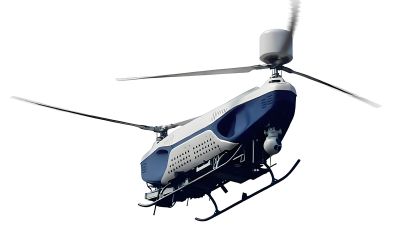
The logistics industry is undergoing a transformative shift with the introduction of advanced cargo drones, particularly the STD300 model, which boasts a remarkable 300KG maximum payload capacity. This innovation is set to revolutionize logistics efficiency and cost reduction. The STD300 is designed for long endurance and can operate under challenging weather conditions, showcasing strong wind resistance. Its capability for shipborne takeoff and landing further extends its versatility, allowing it to excel in various operational scenarios.
Utilizing heavy oil engines, the STD300 is characterized by its compact layout and extensive center of gravity configurations, making it suitable for diverse cargo types. This drone is not just a transportation tool but a multifaceted asset that can be employed in high-altitude reconnaissance, communication relay, and emergency material deliveries. As businesses seek to enhance their logistics frameworks, the STD300 emerges as a game-changer, enabling faster, more reliable, and cost-effective delivery solutions that can significantly improve supply chain efficiencies across different industries.
Conclusion
Industrial drones have become a transformative tool in business operations, providing numerous advantages across various industries. Their cost efficiency significantly reduces operational expenses, allowing companies to reallocate resources effectively. Additionally, industrial drones enhance data collection, enabling improved decision-making through accurate and timely information. The use of drones also promotes safety in hazardous work environments, minimizing human risk while completing tasks.
Furthermore, industrial drones enable faster project completion and optimize workflows by streamlining processes that traditionally take much longer. As businesses explore the diverse applications of drones, it’s essential to consider regulatory aspects governing commercial drone usage to ensure compliance. Overall, the integration of industrial drones into business practices not only boosts productivity but also fosters innovation in various sectors.