Lately, we've seen a pretty noticeable bump in global interest for advanced Reconnaissance Drones. Companies in China, in particular, are really stepping up their game to meet this growing demand. They've been coming out with some pretty innovative designs and using the latest tech to stay ahead of the curve.
If we look ahead to around 2026, it’s clear that a few players are definitely standing out in the reconnaissance drone scene. Names like DJI and Yuneec are leading the pack with some pretty impressive models. Their drones have really improved in terms of surveillance features and flexibility. Meanwhile, big names like Tencent and Alibaba are trying to carve out their space in this sector, though not every effort hits the mark. Some companies struggle with fully integrating the newest technology, which can slow things down.
The whole landscape of manufacturing reconnaissance drones is pretty fast-moving and ever-changing. Companies face the challenge of balancing cost versus performance, and there’s always this push to improve and adapt. As the industry keeps evolving, finding the right partners and tech is becoming more crucial than ever. Honestly, 2024 and beyond should be a pivotal time—seeing which companies can keep up and which ones stumble will really give us a good glimpse into the future of reconnaissance drones.
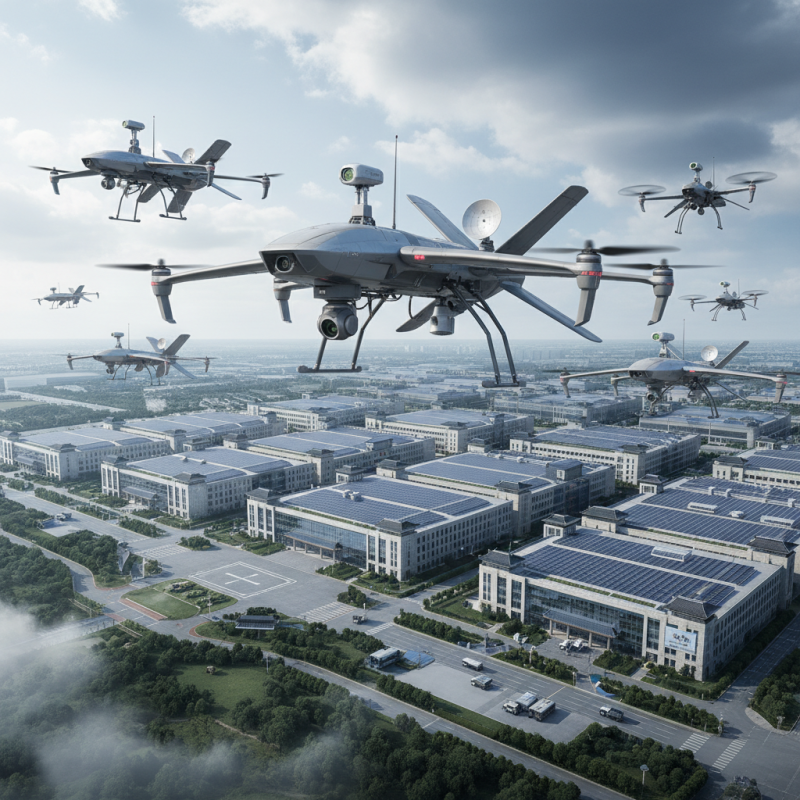
Overview of the Reconnaissance Drone Market in China
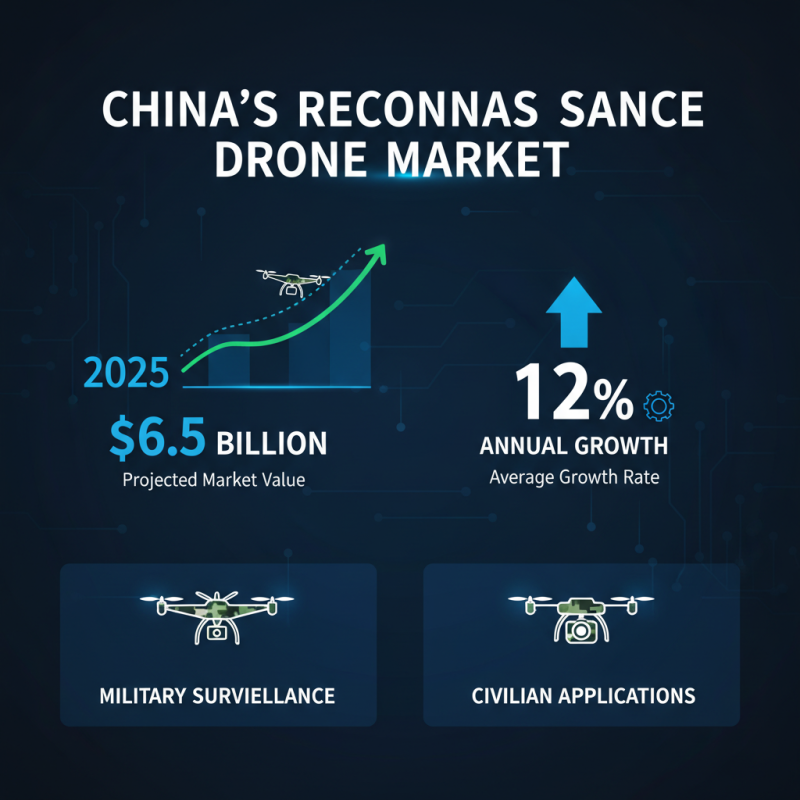
The reconnaissance drone market in China is rapidly evolving. By 2025, the market is projected to reach around $6.5 billion, driven by advancements in technology and increasing demand for surveillance capabilities. The growth rate for this sector is notable, averaging approximately 12% annually over recent years. This trend highlights a burgeoning interest in drone applications for both military and civilian uses.
Indoor Reconnaissance Drones are gaining traction in urban environments. These drones are designed for detailed inspections and surveillance in complex settings. Their compact size allows them to navigate tight spaces effortlessly. Reports indicate a 15% increase in the deployment of these drones in security and monitoring scenarios. However, challenges remain, such as regulatory hurdles and environmental concerns, that could affect their widespread adoption.
Operators often struggle with the balance between performance and risk management. The need for real-time data is high, yet the technology must ensure safety and compliance. Manufacturers are sensing this need for innovation, but the path is not straightforward. As the industry matures, ongoing feedback from users will be crucial for refining drone capabilities and functionalities.
Key Features of Custom Reconnaissance Drones
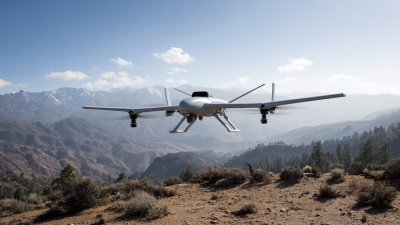
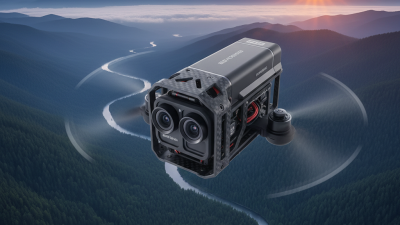
Custom reconnaissance drones have become essential tools for military and civilian operations. These drones offer various features that enhance their capabilities. High-resolution cameras provide detailed imagery for surveillance. Some models include thermal imaging sensors for night missions. Advanced data transmission systems ensure real-time communication with ground teams.
One key aspect is endurance. Many custom drones can fly for hours, covering vast areas. According to industry reports, over 70% of reconnaissance drones have a flight time exceeding 10 hours. This is critical for long-duration missions. Automated flight features reduce pilot workload and enhance mission effectiveness. Yet, these advancements raise questions about operator reliance on technology.
Tips: When selecting a custom reconnaissance drone, consider the terrain. Drones with rugged designs can perform better in challenging environments. Check the payload capacity as well. More payload means better sensors can be installed, increasing effectiveness. Balancing cost with technology is essential. Innovative designs, like compact models, may offer unique advantages in deployment.
Leading Custom Drone Manufacturers in China for 2026
The global demand for custom drones is rapidly increasing. In China, several manufacturers are emerging as leaders in the reconnaissance segment. These companies are known for their innovative designs and robust engineering. Many focus on developing drones with enhanced navigation systems. Precision is key; small improvements can lead to significant advantages in reconnaissance missions.
However, challenges are present. Some manufacturers struggle with quality control, leading to inconsistent product performance. This inconsistency can affect operational trust. Additionally, while technological advances are impressive, user training often lags behind. An effective drone is only as good as its operator.
Another factor to consider is the balance between innovation and regulation. Manufacturers are exploring new technologies, but they must remain compliant with evolving laws. This balance is crucial for sustainable growth. Ultimately, the landscape in 2026 will require adaptability and a focus on reliability. Companies must address their shortcomings to truly stand out.
Innovative Technologies in China's Reconnaissance Drone Development
China is rapidly advancing in reconnaissance drone technology. The country's manufacturers are investing heavily in innovative designs. Many of these drones feature advanced sensors and imaging technologies. They also utilize artificial intelligence for better data analysis. Such innovation is essential for effective reconnaissance missions.
The latest designs incorporate lightweight materials to enhance mobility. This makes drones more agile in various terrains. Additionally, some models have extended flight times, allowing for longer operational periods. However, challenges remain. Issues like power management and data transmission require further refinement.
The introduction of Sar Drone, or Search And Rescue Drone, technology could provide useful insights here. They offer unique capabilities for emergency scenarios, showcasing potential for dual-use applications.
While progress is notable, it's not without flaws. Some drones struggle to integrate new technologies seamlessly. This often leads to reliability concerns. Maintaining a balance between innovation and practicality is crucial. Future developments must prioritize real-world functionality over cutting-edge features.
Market Trends Influencing Chinese Drone Manufacturers
The drone market in China is witnessing substantial growth. Recent reports indicate that the Chinese drone industry could surpass $30 billion by 2026. This growth is driven by advancements in technology and increasing demand for surveillance capabilities.
Market trends highlight the rising interest in reconnaissance drones. Military and civilian sectors are looking for efficient solutions. China is focusing on more innovative designs and improved operational ranges. However, some manufacturers are facing challenges with regulatory approvals. The complexity of drone technologies can lead to delays in production.
Consumer preferences are shifting as well. There's a demand for drones that are not only effective but also user-friendly. Manufacturers need to adapt quickly to these trends. Incorporating artificial intelligence is becoming essential. Many companies still grapple with standardizing their products to meet diverse needs. Data from industry analyses show that drones equipped with advanced sensors are increasingly favored in the market. This shift poses questions for manufacturers about balancing cost and performance.
Regulatory Challenges Facing Drone Production in China
The drone industry in China faces several regulatory challenges. These challenges often hinder the growth and innovation of manufacturers. The changing landscape of laws creates uncertainty. Manufacturers must comply with strict guidelines that can vary by region. This requires constant monitoring and adaptation, a task that becomes increasingly complex.
Many companies strive to develop advanced Drone Kits. However, the approval process can be lengthy and burdensome. Licensing and certification may delay innovation. As a result, some manufacturers may be hesitant to invest fully in new technologies. This hesitation can slow the overall progress of the industry.
The regulatory environment is not just a hurdle but also a chance for improvement. Companies could focus on addressing these issues through better compliance strategies. They might benefit from increased collaboration with government agencies. Engaging in dialogue can lead to clearer regulations. This would significantly enhance the potential success of future drone products.
Future Prospects for China’s Reconnaissance Drone Industry
China’s reconnaissance drone industry is on the brink of transformation. With advances in technology, manufacturers are exploring new designs and capabilities. The focus is shifting toward enhancing surveillance and data analysis features. As these unmanned systems evolve, there are noticeable gaps in standardization that need addressing.
Challenges lie ahead. Quality control remains a significant concern. Some manufacturers may prioritize speed over precision, leading to operational inefficiencies. Potential users often question reliability. They seek drones that perform well under diverse conditions.
The future also indicates a rise in international competition. Other nations are developing their own systems, pushing for innovation within China. As demand increases, staying ahead in technology is crucial for growth. Collaborative efforts could bridge the existing gaps. Addressing these issues will determine the industry's success in the coming years.
2026 Top Custom China Reconnaissance Drone Manufacturers to Watch
This chart illustrates the projected market share of various segments within China's reconnaissance drone industry for 2026. The data reflects potential growth and industry trends without revealing specific manufacturers or brand names.
Exploring the Future of Aerial Technology: The Long Endurance Electric Drone STX35 and Its 35KM Capabilities
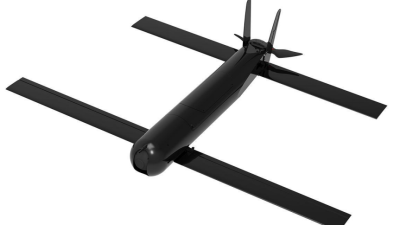
The STX35 represents a significant advancement in aerial technology, featuring a long endurance electric drone designed to operate efficiently over an impressive range of 35 kilometers. This innovative unmanned aerial system stands out not only due to its impressive capabilities but also for its environmentally friendly operation. Unlike traditional gas-powered UAVs, the STX35 produces no harmful emissions, making it a preferred choice for missions in urban settings where air quality is a growing concern.
The low-cost and compact design of the STX35 enhances its competitiveness in the market. It is engineered for large-scale deployment, utilizing a pneumatic catapult for takeoff, which ensures a rapid and efficient launch process. The drone's low noise and reduced radar cross-section (RCS) allow it to perform reconnaissance and surveillance missions with minimal detection, further expanding its utility in sensitive operations. With such features, the STX35 sets a new standard in the realm of long endurance electric drones, paving the way for their adoption in various sectors, including environmental monitoring, agriculture, and urban planning.
FAQS
: This service aims to simplify daily tasks and improve efficiency.
Anyone looking to save time or streamline their activities can find value in this service.
Strong measures are in place to protect user data and maintain confidentiality.
Users typically need internet access and a compatible device.
Users can submit feedback through the designated platform or contact support directly.
Yes, users can manage several tasks at once, though it may impact performance.
Technical problems can be resolved through the support team, but response times may vary.
While there isn't a strict limit, too many tasks can lead to confusion and errors.
Users may struggle with navigation or understanding features at first.
Updates occur periodically to enhance performance, but major changes may disrupt workflow temporarily.
Conclusion
The reconnaissance drone market in China is poised for significant growth, driven by advancements in innovative technologies and increasing demand for surveillance capabilities. Key features of custom reconnaissance drones include enhanced imaging systems, advanced data processing, and improved flight endurance. As leading manufacturers emerge, they are focusing on integrating state-of-the-art technologies to navigate the evolving challenges in the market.
Market trends indicate a shift towards more versatile and efficient drone designs, reflecting the needs of various sectors, including military and civilian applications. However, regulatory challenges persist, impacting production and deployment. Looking ahead, the future prospects for China's reconnaissance drone industry remain promising, with continued investment and development expected to enhance both operational effectiveness and competitiveness on the global stage.